
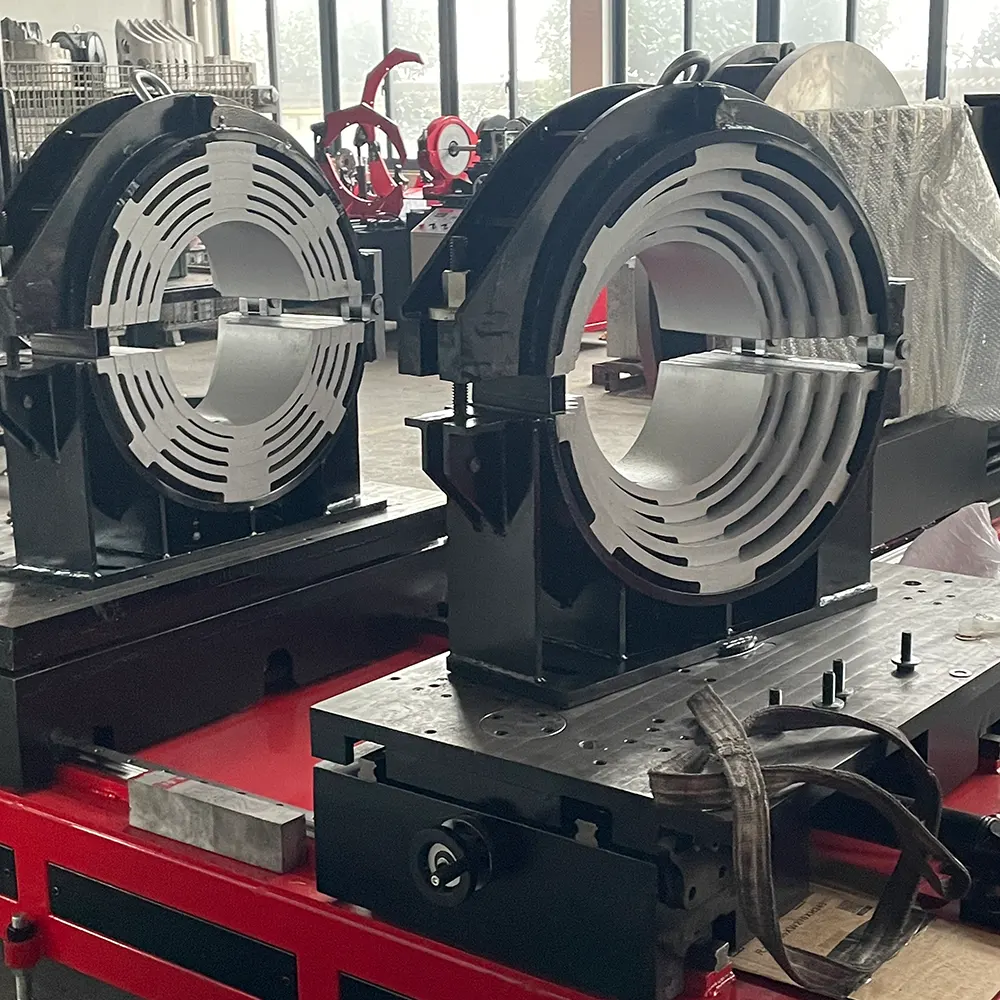
Properly joining HDPE pipes is a critical step in creating durable, leak-free drainage systems. Whether for residential, municipal, or industrial applications, the integrity of the entire system depends on the quality of the pipe joints. This guide outlines the safest and most effective methods for joining HDPE pipes, ensuring long-term performance and reliability.
Understanding HDPE Pipe Characteristics
High-Density Polyethylene (HDPE) pipe is favored for drainage systems due to its corrosion resistance, flexibility, and long service life. Its fusion compatibility means joints can be as strong as the pipe itself, eliminating weak points. Successful joining requires understanding its thermal properties and preparing accordingly.
Key Properties for Welding
Thermoplastic Nature: HDPE becomes malleable when heated and returns to a solid state upon cooling, allowing for permanent molecular bonds.
Melt Flow Index: This indicates the material’s viscosity when melted. Consistent MFI in both pipe and fittings is crucial for a uniform weld.
Primary Methods for Joining HDPE Pipes
Several techniques are available, each suited to different project scales, pipe diameters, and site conditions.
1. Butt Fusion Welding
This is the most common and reliable method for joining straight sections of HDPE pipe. It involves heating the pipe ends simultaneously and then pressing them together to form a homogeneous joint. For consistent, high-quality results, using a professional-grade butt fusion machine is essential. The process involves four key stages:
Facing: Trimming the pipe ends with a facing tool to ensure they are perfectly square and clean.
Heating: Placing the pipe ends against a heated plate (mirror) until a molten bead forms.
Joining: Removing the heater and immediately forcing the molten ends together under controlled pressure.
Cooling: Holding the joint under pressure as it cools to form a permanent, full-strength bond.
2. Electrofusion Welding
Ideal for repairs, tie-ins, or complex fittings, electrofusion uses fittings with integrated heating coils. An electrofusion control unit sends a current through the coil, melting the pipe and fitting interface. Precision is key, requiring clean pipes and proper clamping.
3. Mechanical Joining
For temporary connections or where fusion is impractical, mechanical couplings or flanges can be used. These provide a seal through gaskets and compressive force but are not considered as permanent or leak-proof as a fused joint.
Step-by-Step Guide to Safe Butt Fusion Welding
Following a meticulous procedure is non-negotiable for a safe and effective joint.
Step 1: Site and Equipment Preparation
Ensure the work area is clean, level, and secure. Verify that the butt fusion machine is calibrated, the heater plate is clean and coated with a non-stick material (like PTFE), and all hydraulic functions are working properly.
Step 2: Pipe Preparation and Alignment
Cut the pipe squarely. Securely clamp both pipe sections in the machine, ensuring they are perfectly aligned both axially and laterally. Any misalignment will create a weak joint.
Step 3: Facing the Pipe Ends
Use a sharp, dedicated facing tool to remove a thin layer from each pipe end. This exposes a fresh, uncontaminated surface for welding. Never skip this step.
Step 4: The Heating and Fusion Process
Bring the pipe ends into contact with the heated plate. Apply the correct interfacial pressure for the specified heat soak time. Watch for the formation of a consistent melt bead (typically 1-2mm). Quickly retract the heater plate and join the pipes with the prescribed fusion pressure. Avoid any movement during this critical phase.
Step 5: Cooling and Inspection
Maintain joint pressure during the cooling period, which depends on pipe wall thickness. Once cool, inspect the joint. A proper bead should be uniform in size and shape on both sides. Measure the bead height and check for any visual defects like cracks or voids.
Critical Safety Protocols
➤ Personal Protective Equipment (PPE): Always wear heat-resistant gloves, safety glasses, and long sleeves to protect against burns from the heater plate and molten plastic.
➤ Machine Safety: Keep hands clear of clamps and heaters during operation. Ensure the machine is on stable ground to prevent tipping.
➤ Electrical Safety: For electrofusion or hydraulic power units, use grounded outlets and inspect cables for damage. Keep the work area dry.
➤ Ventilation: Work in a well-ventilated area, as heating HDPE can produce faint fumes.
Ensuring Joint Quality and Effectiveness
A successful joint is more than just sticking two pipes together; it’s about creating a system with full integrity.
Visual Inspection: Check for a symmetrical double bead and no signs of contamination or cold fusion lines.
Bead Roll Test: For smaller diameters, a gentle attempt to roll the bead with a tool can indicate poor fusion if it separates easily (this is a destructive test for samples, not the actual joint).
Documentation: Record all parameters: heating time, temperature, fusion pressure, and cooling time for each joint. This provides a quality trail.
Investing in quality equipment from an experienced manufacturer like JQ-Fusion provides the foundation for consistent, high-quality welds. Their machines offer the stability and precision necessary for professional drainage projects.
Common Challenges and Solutions
Cold Fusion: Appears as a distinct line in the bead. Caused by insufficient heat, low pressure, or premature movement. Solution: Cut out the joint and re-weld, ensuring correct parameters and undisturbed cooling.
Contamination: Dirt, moisture, or grease on the pipe ends prevents proper bonding. Solution: Meticulously clean and dry pipes before facing. Use pipe end caps during storage and transport.
Misalignment: Creates uneven stress and a weak joint. Solution: Take time to align pipes precisely in the machine before clamping.
Frequently Asked Questions (FAQs)
Can HDPE pipe be joined in wet or cold conditions?
It is not recommended. Moisture can vaporize during heating, causing voids in the joint. Cold ambient temperatures can cause the plastic to cool too quickly, leading to stress and poor fusion. Always try to work in dry conditions above 5°C (41°F), and use protective shelters if necessary.
How do I know if my butt fusion machine is properly calibrated?
Regular calibration checks are vital. This includes verifying heater plate temperature with a surface pyrometer, checking hydraulic pressure gauges, and ensuring the alignment of the clamping faces. Refer to the machine manual and consider using a butt fusion machine from a manufacturer that provides clear calibration guidelines and support.
What is the main difference between manual and hydraulic fusion machines?
Manual machines rely on operator strength (via screws or levers) to apply fusion pressure, making them suitable for smaller diameters. Hydraulic machines use a pump to generate precise, repeatable pressure, which is essential for consistent results on larger pipes and in professional settings.
Is special training required to operate a butt fusion welder?
Yes. While the process is straightforward, proper training is crucial for understanding parameters, safety procedures, and defect recognition. Many equipment suppliers, including JQ-Fusion, offer operational training to ensure successful project outcomes.
Can different brands or grades of HDPE pipe be fused together?
It is risky and generally discouraged. Different resins may have varying Melt Flow Indexes and additive packages, which can lead to incompatible melting and cooling behaviors, resulting in a weak joint. Always use pipe and fittings from the same manufacturer and resin batch when possible.



