
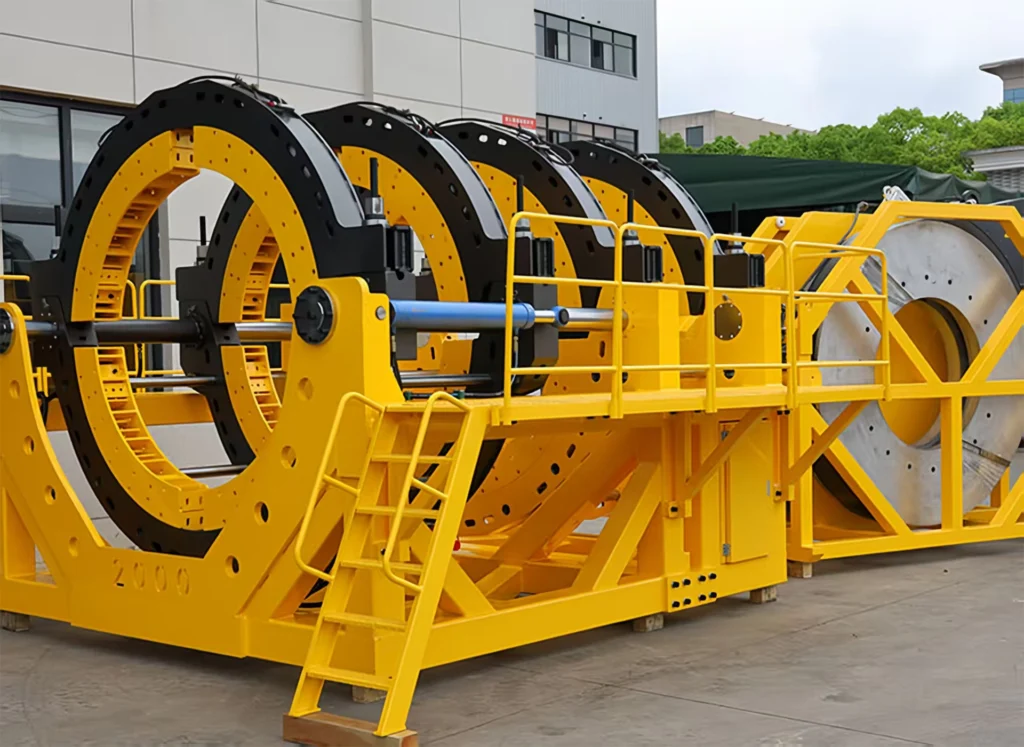
Buying an HDPE butt fusion machine is a critical decision for contractors, utilities, and fabricators who need leak-free, long-lasting pipe joints. This guide walks you through where to buy, what to compare, and practical tips to secure a reliable supplier and the right equipment for your projects.
Understand the Main Types of Butt Fusion Machines
HDPE butt fusion machines come in manual, hydraulic, and automatic (CNC) versions. Choosing the right type depends on pipe diameter, jobsite conditions, and required weld consistency. Below is a quick comparison to help you decide.
| Type | Typical Pipe Range | Best For | Relative Cost |
|---|---|---|---|
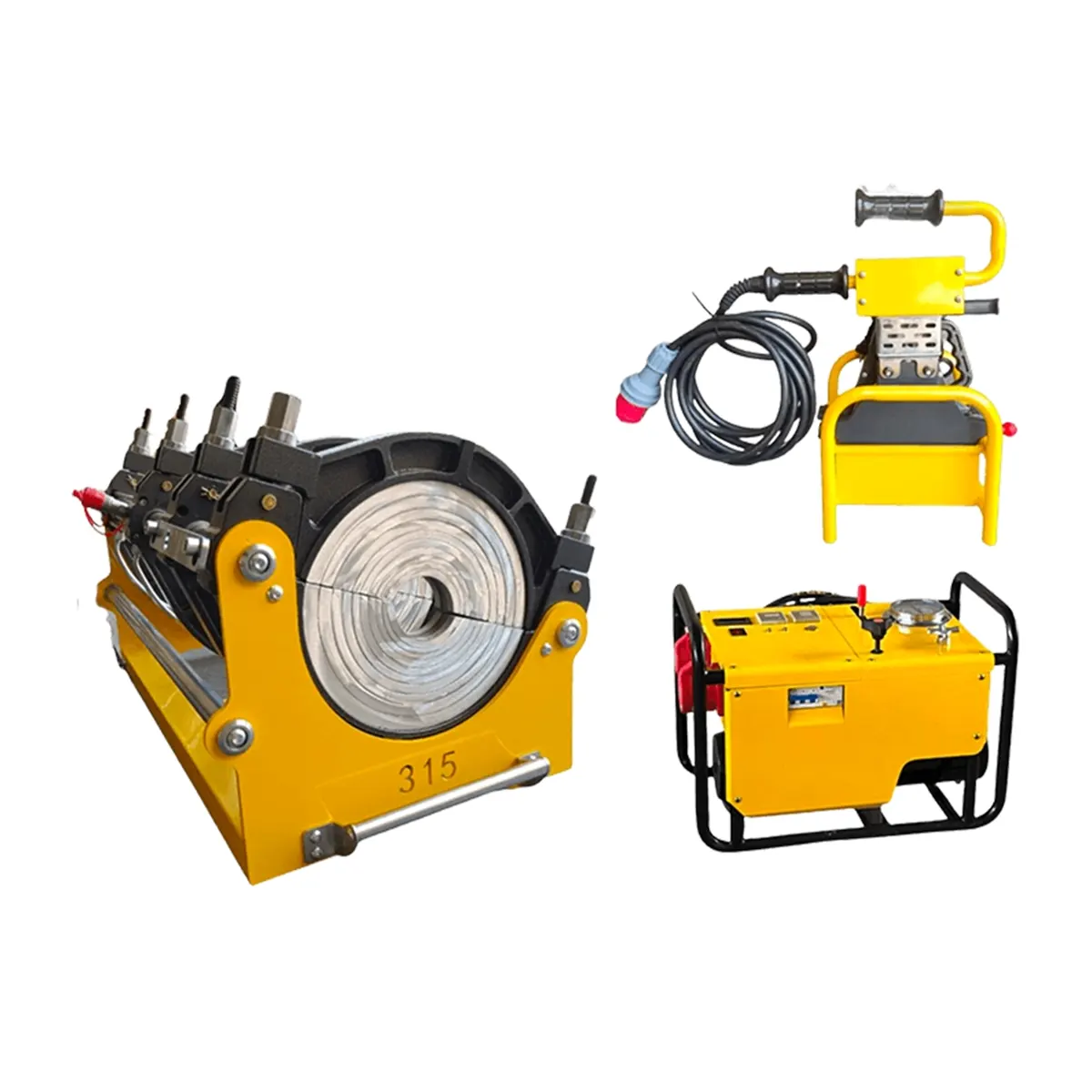
| Manual | 16mm–315mm | Small jobs, rural installers | Low |
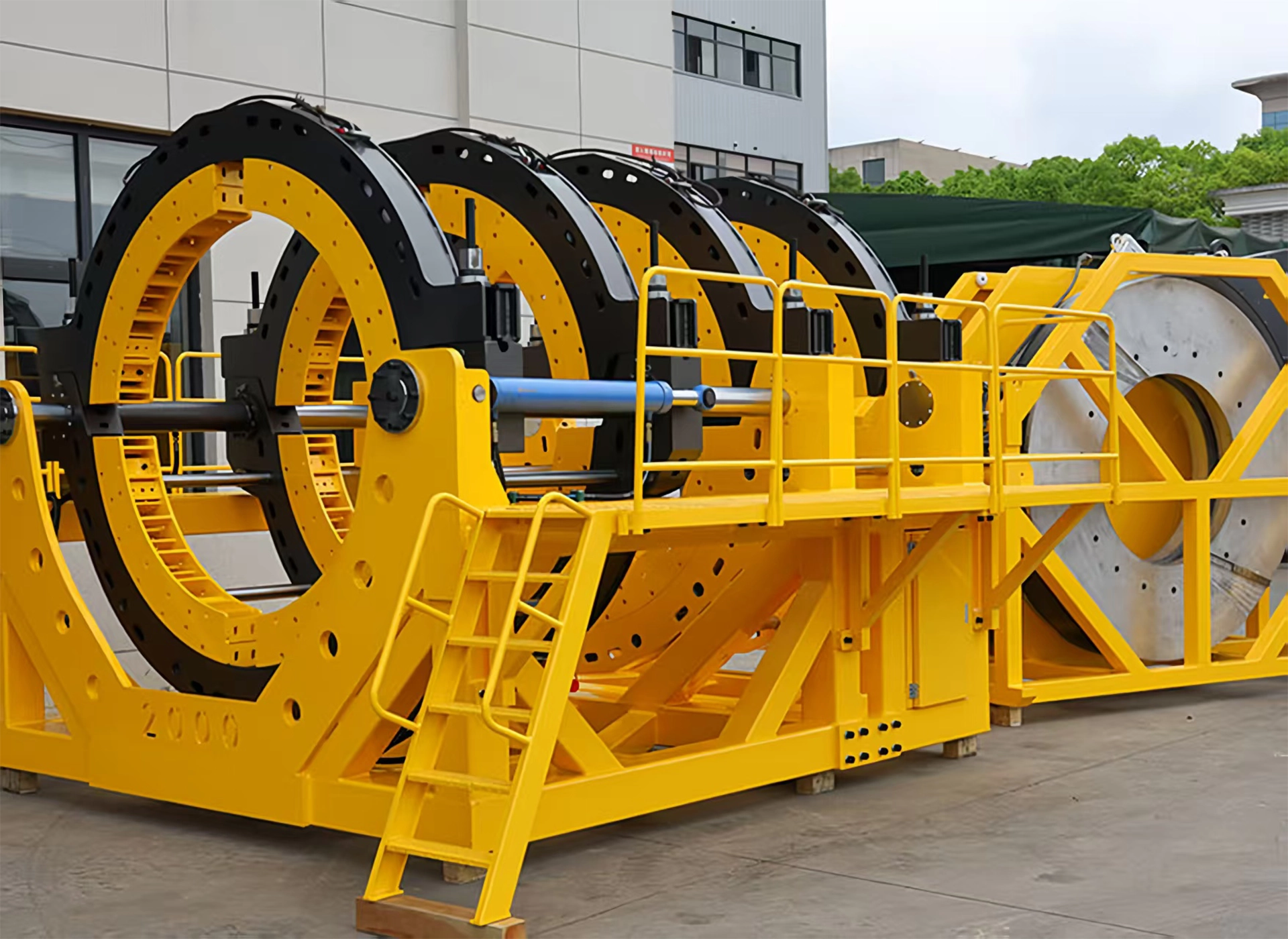
| Hydraulic | 63mm–2000mm+ | Large-diameter pipelines, frequent use | Medium |
| Automatic / CNC | 20mm–800mm (typical) | High-precision, repeatable welds | High |
Where to Buy: Trusted Channels
Manufacturer Direct: Buying direct from a factory often gives you the best customization options, factory warranty, and direct technical support. It’s ideal for buyers who need tailored clamping frames, heating plate sizes, or integrated hydraulic stations.
Authorized Dealers & Distributors: Local distributors can provide on-the-ground service, spare parts inventory, and faster shipping for urgent jobs. Check their certifications, service agreements, and spare parts lead times.
Online Marketplaces: Platforms like industry-specific B2B marketplaces or verified equipment portals are useful for price comparisons, but confirm seller credentials, warranty handling, and return policies before purchase.
Key Features to Compare Before Buying
When evaluating suppliers, look for these features and services:
- Pipe size coverage — Ensure the machine covers your current and near-future pipe diameter range.
- Heating plate quality — Even heat distribution and durable coatings extend service life.
- Clamping system — Rigid frames and interchangeable jaws increase versatility.
- Control & data logging — CNC and automatic machines with readable weld records improve QA/QC.
- After-sales support — Local service partners or direct factory technicians reduce downtime.
- Spare parts availability — Pumps, heating elements, and jaws should be easy to source.
Certifications and Quality Standards
Verify supplier quality via certifications and standards relevant to your region and industry, such as ISO certification, PE pipe welding procedure compliance, and electrical safety marks. Ask for test reports or weld records for similar machines used in real projects.
Price Expectations & Budget Tips
Prices vary widely: manual units start at lower prices for entry-level use, hydraulic machines are mid-range, and automatic CNC systems command a premium. Get detailed quotes that break down machine configuration, shipping, customs, and warranty terms. Consider total cost of ownership including training and spare parts.
Simple Buying Checklist
– Confirm pipe diameter range and maximum SDR compatibility.
– Request sample weld records or on-site demonstration videos.
– Check warranty scope and spare parts lead times.
– Ask about operator training and technical manuals.
– Compare shipping terms, installation, and calibration services.
Practical Steps to Close the Deal
Start by shortlisting 2–3 reputable suppliers. Request a formal quotation with delivery lead time, shipping Incoterms, and after-sales commitments. If possible, inspect a unit in operation or ask for customer references in similar industries. Finalize payment terms and ensure a clear spare parts list is included in the contract.
Recommended Next Move
If you want a reliable manufacturer with a wide range of HDPE butt fusion machines and global experience, consider contacting JQ-Fusion at https://jq-fusionwelding.com/ for product options, custom solutions, and factory-backed support.
FAQ — Quick Answers
Q: How long should a good machine last?
A: With proper maintenance, hydraulic and automatic machines can deliver many years of service; replaceable components (heating plates, jaws) extend life.
Q: Is training necessary?
A: Yes — proper operator training ensures weld quality and extends machine life; ask suppliers about on-site or online training options.
Make informed comparisons, verify references, and prioritize after-sales support — the right purchase keeps your projects on schedule and your pipelines leak-free.



