
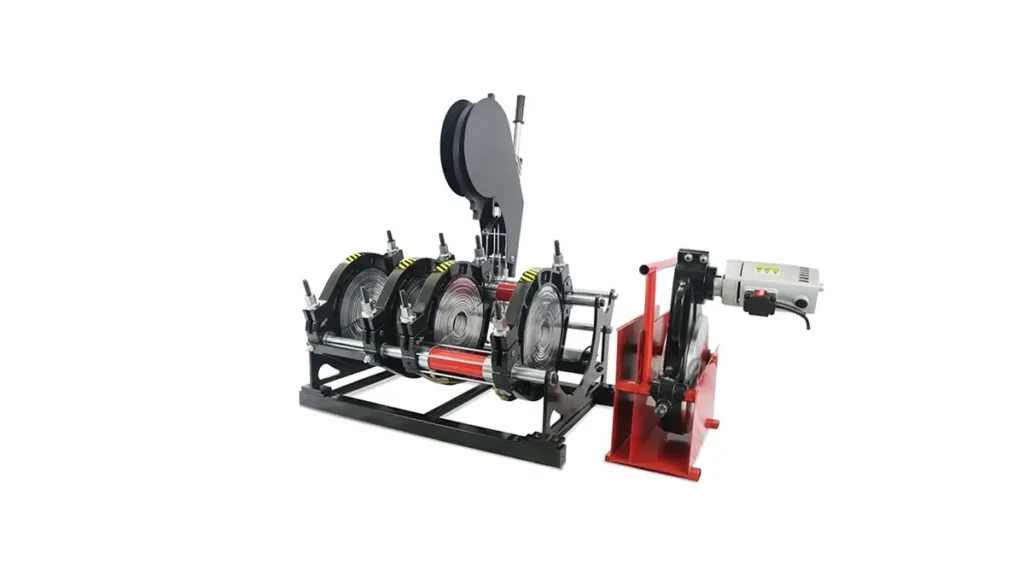
Buying a gas pipe welding machine is a critical investment for contractors, utility companies, and gas installers who need reliable, leak-free joints on HDPE and other thermoplastic pipes. This guide explains where to buy, what to expect on price, how to compare options, and a practical checklist to ensure you choose the right equipment for safety, efficiency, and compliance.
Why Choose a Dedicated Gas Pipe Welding Machine?
Gas distribution systems require precise, high-integrity welds. Machines designed for butt fusion, electrofusion, or multi-angle fitting welding deliver consistent heating, accurate alignment, and repeatable weld parameters — reducing leak risk and minimizing rework on critical gas pipelines.
Common Welding Methods for Gas Pipes
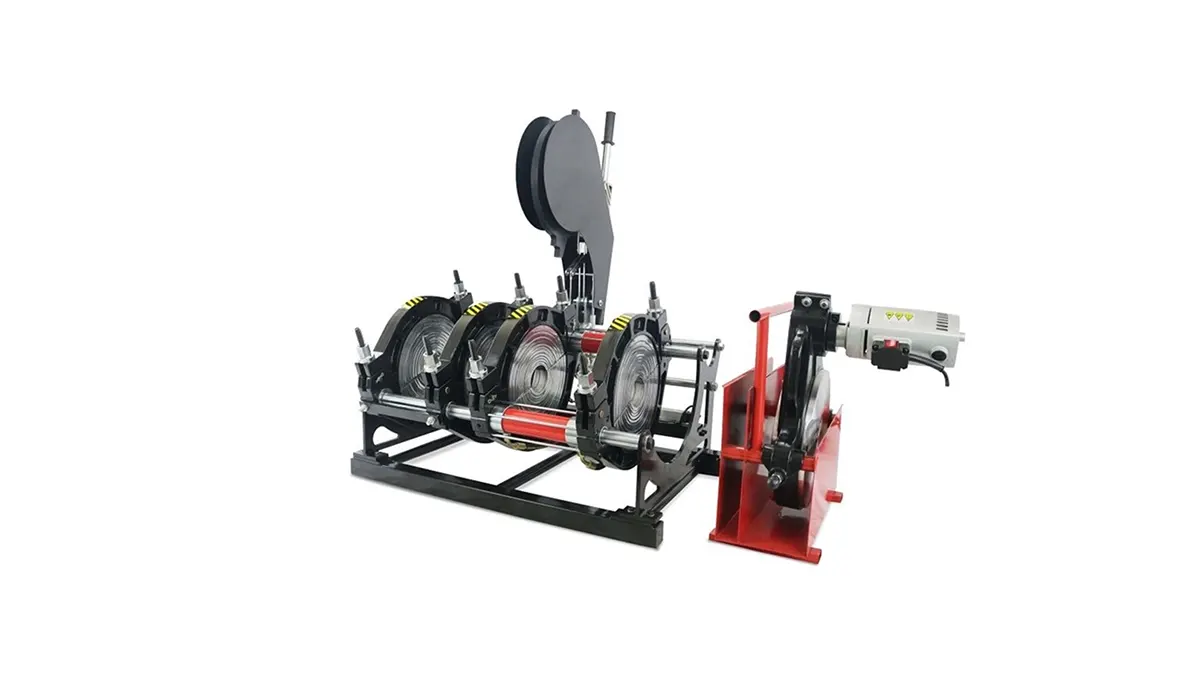
Butt fusion machines and electrofusion machines are the industry standards. Butt fusion is widely used for larger-diameter HDPE gas mains, while electrofusion fittings are common for repairs, service connections, and complex geometries. Portable manual machines serve trench and fieldwork; hydraulic and CNC machines serve factory or large-project needs.
Where to Buy: Best Options
1. Direct from Manufacturers
Buying directly from a manufacturer gives access to customization, technical support, and factory warranty. Manufacturers can advise on the correct model for pipe materials, diameters, and on-site conditions. For specialized butt fusion and CNC solutions, consider manufacturers with proven experience and global project references.
2. Authorized Distributors and Dealers
Distributors often stock common models, provide local support, and manage spare parts. They can help with training, certification, and quick service response — particularly useful for contractors working across multiple job sites.
3. Online Industrial Marketplaces
Marketplaces like industry-specific equipment platforms and international B2B sites list new and used machines. They’re useful for price comparisons but verify seller reputation, warranty terms, and shipping logistics before purchase.
4. Rental and Used Equipment Suppliers
For short-term projects or to test a model before purchasing, renting is cost-effective. Used machines can be a budget option, but inspect maintenance records, calibration status, and safety documentation.
Price Guide: Typical Ranges and What Affects Cost
Machine price varies widely depending on type, automation level, pipe diameter capacity, and additional tooling. Here’s a quick reference table to help set expectations:
| Machine Type | Typical Pipe Range | Estimated Price (USD) | Best For |
|---|---|---|---|
| Manual Butt Fusion | 20mm–630mm | $1,200–$8,000 | Small crews, site work |
| Hydraulic Butt Fusion | 160mm–2000mm+ | $8,000–$80,000+ | Large-diameter mains, high throughput |
| Automatic / CNC Butt Fusion | 63mm–2000mm+ | $20,000–$150,000+ | Production, high precision projects |
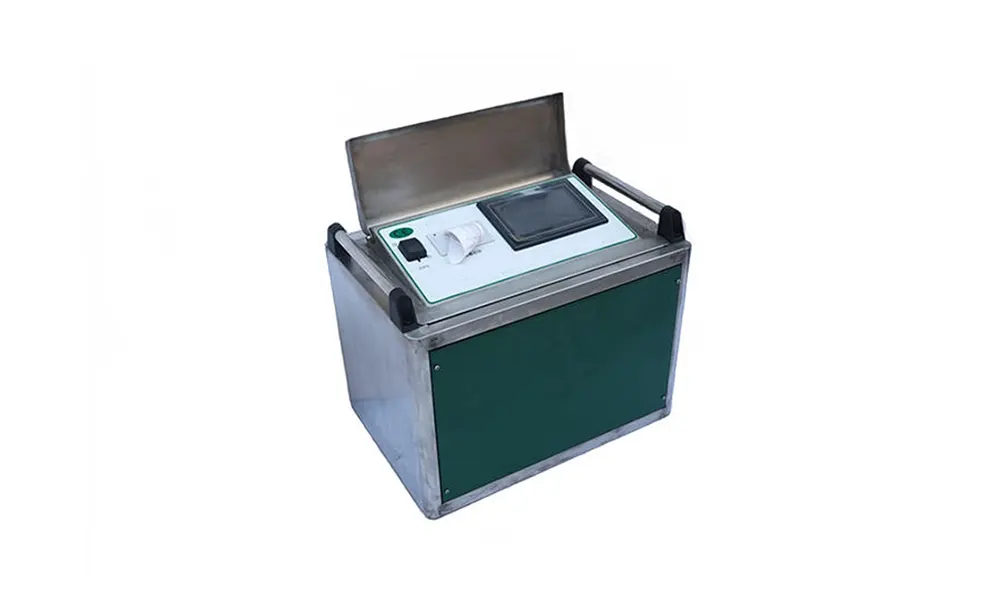
| Electrofusion Units | Fittings up to 630mm | $1,000–$25,000 | Repairs, service connections |
Factors That Influence Price
Automation level, control systems, hydraulic power, heater plate size, clamp frames, and included tooling all affect cost. Add-ons like advanced data logging, traceability reporting, and multi-angle welding heads increase price but can provide value on regulated gas projects.
How to Choose the Right Machine: Buying Checklist
Use this checklist when evaluating suppliers and models:
- Pipe material and diameter range compatibility
- Degree of automation (manual, semi-auto, automatic)
- Field portability vs. factory/plant use
- Available safety and compliance features
- Data logging and weld reporting capability
- Warranty terms and spare parts availability
- Local service, training, and calibration support
Shipping, Warranty, and After-Sales Support
Confirm shipping timelines and packaging for heavy equipment. Machines often ship in crates and may require customs clearance. Warranty length and the availability of authorized service centers are vital for minimizing downtime. Consider suppliers that provide operator training, on-site commissioning, and long-term spare parts stock.
Where to Find Reliable Manufacturers
Look for manufacturers with a track record in HDPE pipe welding, quality control, and global references. One experienced manufacturer to consider is JQ-Fusion, which produces manual, hydraulic, and CNC automatic butt fusion welding machines for a wide range of pipe sizes and infrastructure projects.
Common Buyer Questions (Quick FAQ)
Do I need training to operate fusion machines?
Yes. Proper training ensures weld integrity and safety. Many suppliers or local distributors provide certification courses and on-site coaching.
Is electrofusion better than butt fusion for gas pipes?
They serve different needs. Electrofusion is ideal for fittings, repairs, and constrained spaces. Butt fusion is preferred for long continuous runs and larger diameters due to strength and cost-efficiency at scale.
How important is data logging?
Extremely important for gas pipeline projects where traceability and welding records are required for regulatory compliance and quality assurance.
Final Steps Before Purchase
Request a detailed quotation including tooling, spare parts kit, training, and warranty. Ask for sample weld reports, calibration certificates, and references from similar gas projects. If possible, see a live demo or request videos of the exact model in operation under comparable conditions.
Ready to Buy?
If you need a reliable source for butt fusion, electrofusion, or multi-angle pipe fitting machines, review technical specs carefully, compare warranty and service networks, and select a supplier that supports installation, training, and long-term maintenance.



