Understanding Electrofusion for HDPE Pipes
Electrofusion is a specialized method for joining high-density polyethylene (HDPE) pipes using fittings with embedded heating coils. When an electric current passes through these coils, the surrounding material melts and fuses the pipe to the fitting, creating a homogeneous, leak-proof joint. This technique has become indispensable in modern pipeline construction, particularly in situations where traditional butt fusion welding may not be practical. Understanding when to use electrofusion for HDPE pipes can significantly impact project efficiency, safety, and long-term reliability.
Key Applications: When to Choose Electrofusion
Not every pipeline project calls for electrofusion, but in certain scenarios it is the preferred or only viable option. Here are the primary situations where electrofusion outperforms other joining methods:
Tight or Confined Spaces
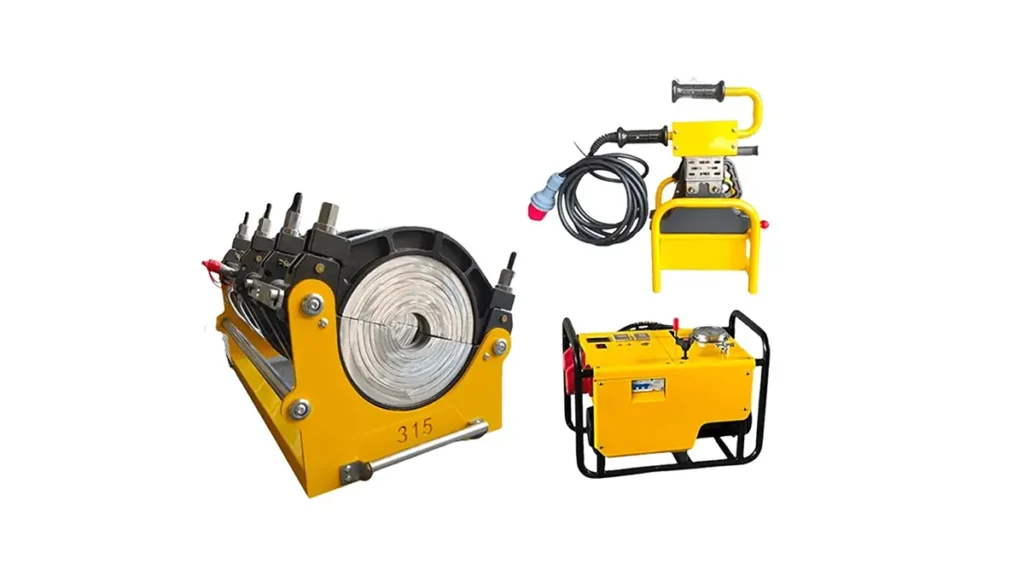
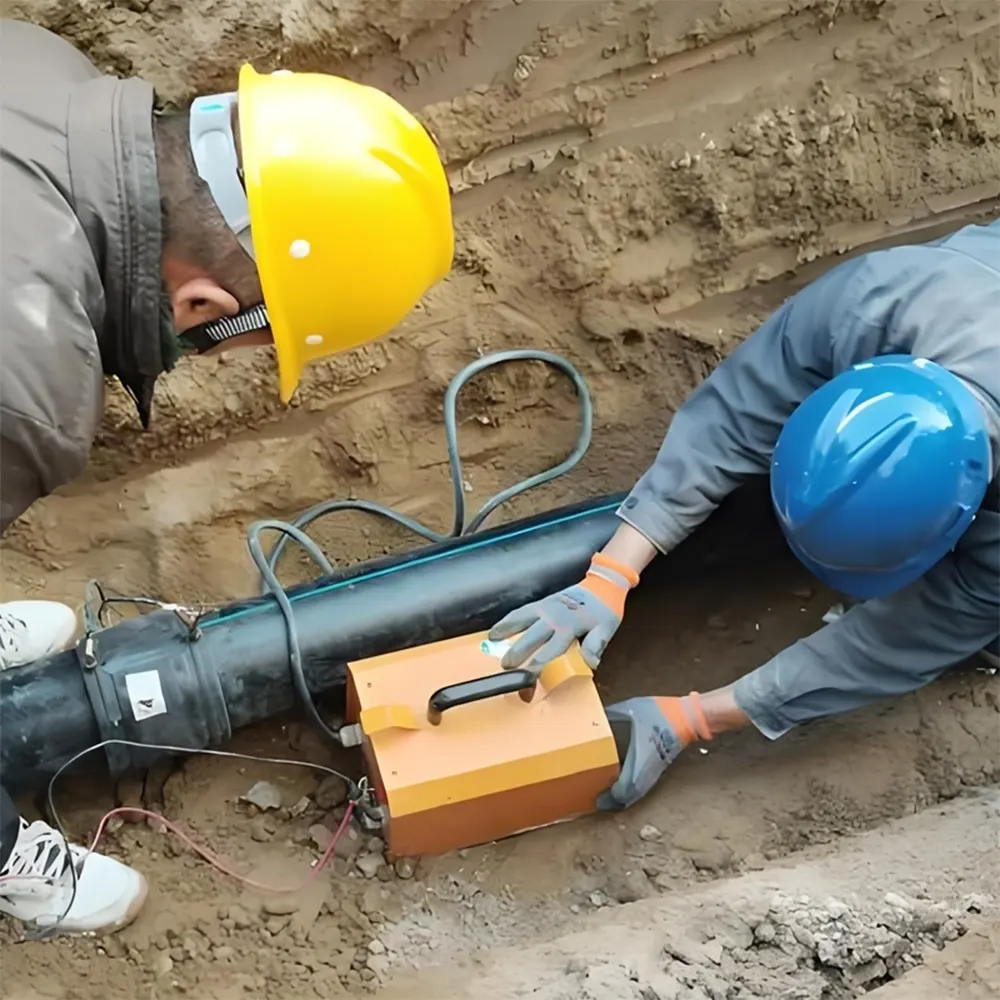
In trench environments, manholes, or inside existing pipelines where space is limited, maneuvering large hydraulic butt fusion machines becomes impractical. Electrofusion requires only a compact processing unit and the fitting itself, making it ideal for constrained workspaces. The equipment footprint is minimal, allowing technicians to create reliable joints in locations where butt fusion equipment simply cannot fit.
Repair and Maintenance Scenarios
When a section of HDPE pipeline fails or requires modification, electrofusion welding machines offer a highly effective repair solution. Electrofusion couplings can be installed without needing to move large pipe sections, making it perfect for emergency repairs and scheduled maintenance alike. The ability to join pipes in situ reduces downtime and excavation costs significantly.
Tie-Ins and Connections to Existing Lines
Connecting a new pipeline to an existing system presents unique challenges. Electrofusion fittings — particularly tapping tees and saddles — allow connections to be made without shutting down the entire system in many cases. This capability is critical for municipal water and gas networks where service continuity is essential. The PE electrofusion process enables precise, controlled fusion even on pipelines that have been in service for years.
Small Diameter Piping Systems
For pipes below 63mm in diameter, electrofusion often provides superior joint quality compared to mechanical fittings and greater practicality than butt fusion. The precision of the electrofusion process ensures consistent joint integrity across small-diameter applications, which are common in gas distribution networks, irrigation systems, and industrial process lines.
Complex Piping Configurations
Projects involving multiple branch connections, tees, elbows, and reducers benefit greatly from electrofusion. The wide range of available electrofusion fittings simplifies complex layouts without the need for extensive fabrication. In applications such as multi-angle pipe fitting assemblies, electrofusion provides flexibility that other joining methods cannot match.
Benefits of Electrofusion Welding
Electrofusion delivers a range of advantages that make it the method of choice for many pipeline projects:
- Consistent Fusion Quality: The automated fusion cycle, governed by the fitting’s built-in parameters, minimizes operator error and ensures repeatable, high-integrity joints every time.
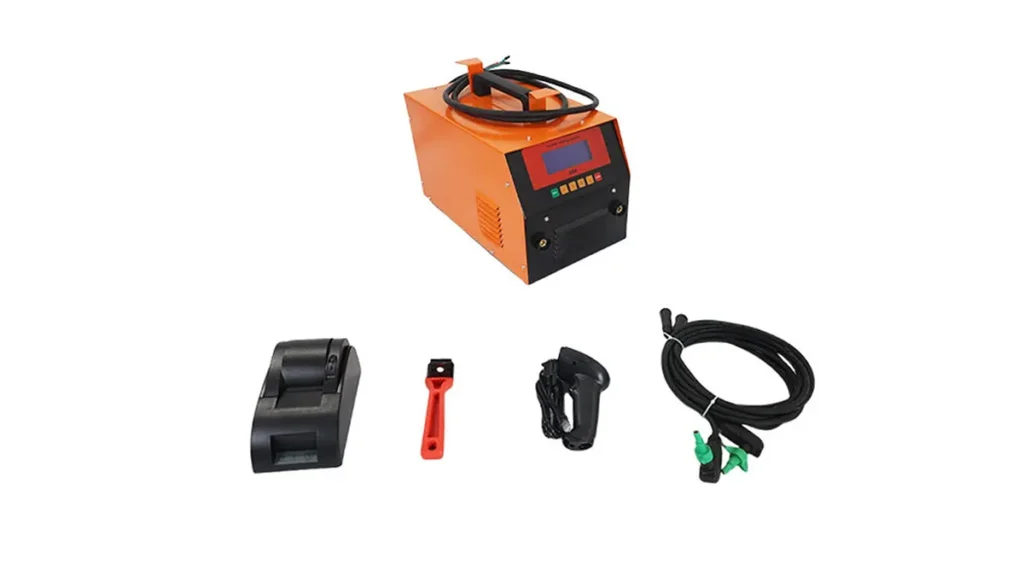
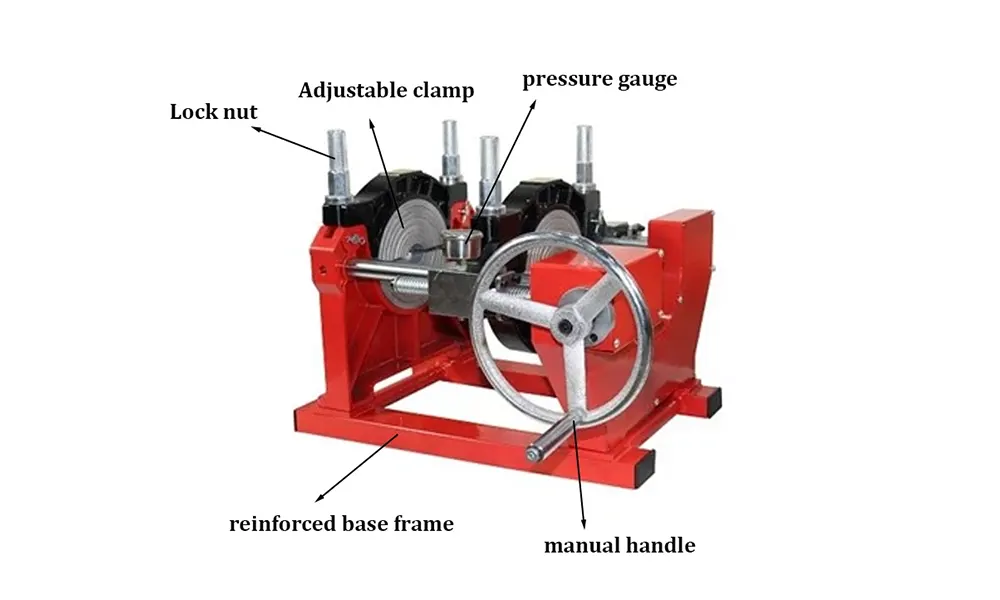
- Reduced Equipment Footprint: Unlike butt fusion, which requires clamps, a facing tool, and a heating plate, electrofusion needs only a compact control unit — easier to transport and set up on site.
- Joint Traceability: Modern electrofusion machines record fusion data automatically, supporting quality assurance and documentation as required by standards like ISO 12176-2 electrofusion equipment standard.
- No Pipe Movement Required: Pipes remain stationary during the fusion process, which is critical for live pipeline tie-ins and repairs where moving the pipe is not feasible.
- Versatile Application Range: From potable water to gas distribution and industrial fluids, electrofusion joints provide excellent chemical resistance and long-term durability.
Electrofusion vs. Butt Fusion: A Quick Comparison
The following table highlights key differences to help you decide which method suits your project:
| Factor | Electrofusion | Butt Fusion |
|---|---|---|
| Equipment Size | Compact, lightweight control unit | Larger frame, clamps, and heating plate |
| Pipe Diameter Range | Best for ≤ 400mm; fittings available up to 630mm | Suitable for all sizes, especially large diameters |
| Workspace Requirement | Minimal — ideal for confined spaces | Requires clear workspace around the pipe |
| Joint Cost | Higher per joint (fittings contain heating coils) | Lower per joint for large-scale projects |
| Best For | Repairs, tie-ins, complex configurations, small diameters | Long straight runs, large-diameter mains, high-volume production |
Best Practices for Successful Electrofusion
Achieving a reliable electrofusion joint requires attention to detail and strict adherence to proven procedures. Following ASTM F1290 electrofusion guidelines and manufacturer specifications is essential:
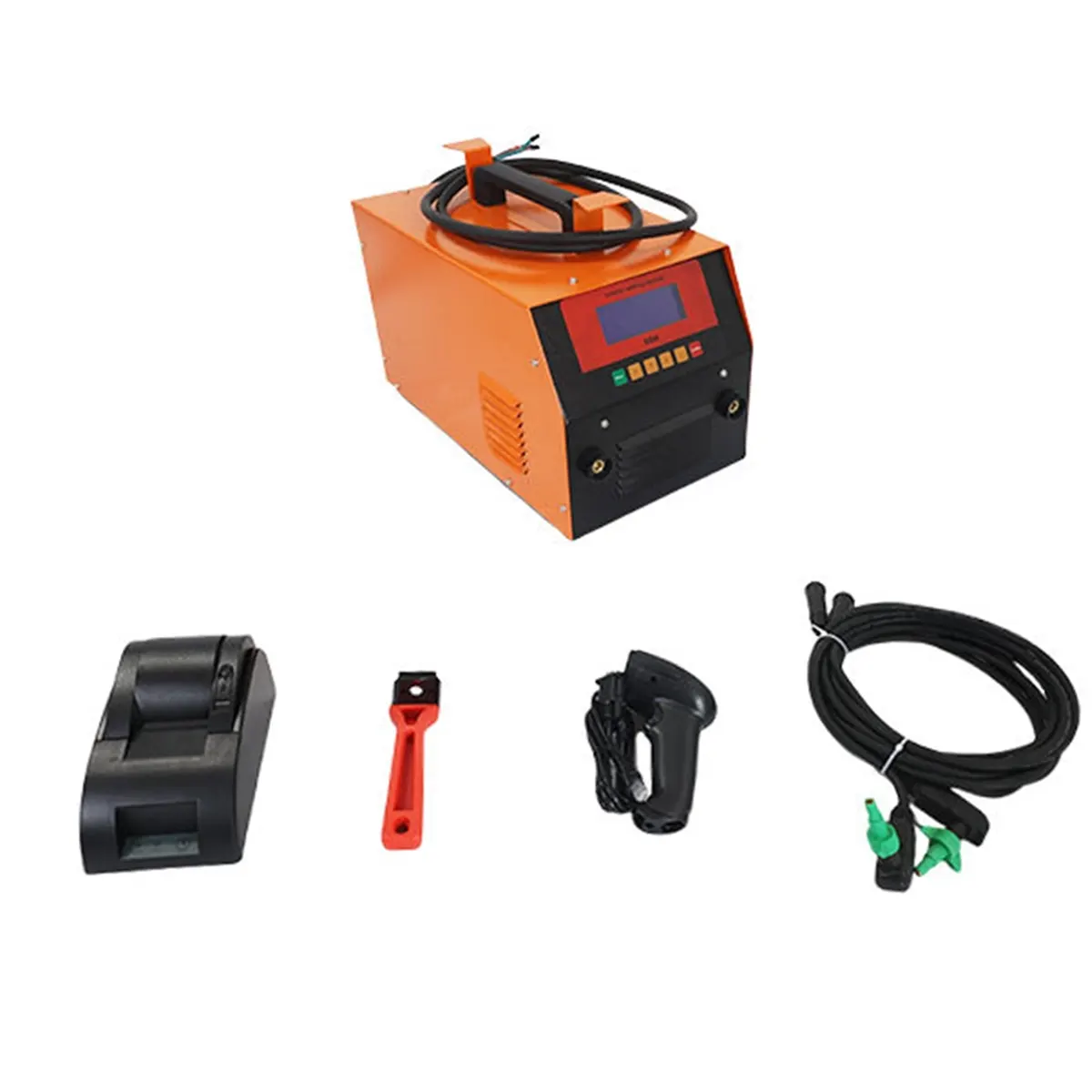
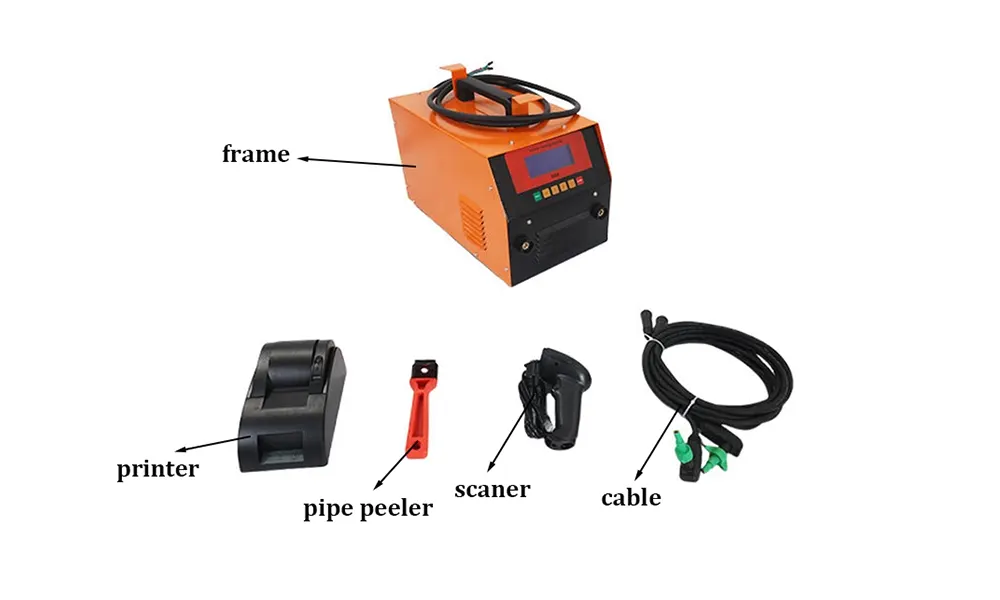
- Proper Surface Preparation: Scrape the pipe surface thoroughly using a proper peeling tool to remove the oxidized layer. This step is critical for achieving a proper bond — never skip or rush it.
- Cleanliness Is Essential: Wipe the scraped area and fitting interior with approved cleaning agents. Contamination from dirt, grease, or moisture is a leading cause of joint failure.
- Accurate Alignment: Use alignment clamps to ensure the pipe and fitting are properly positioned and remain perfectly stationary during the entire fusion and cooling cycle.
- Respect Cooling Times: Do not disturb the joint during the specified cooling period. Premature handling or pressure testing can compromise joint integrity.
- Verify Fusion Parameters: Always confirm that the electrofusion control unit is programmed with the correct parameters for the specific fitting being used. Barcode scanning or manual input should be double-checked before starting the cycle.
Common Industry Applications
Electrofusion is extensively used across multiple sectors where reliable, leak-free HDPE connections are non-negotiable:
- Water Supply and Distribution: Municipal potable water networks rely on electrofusion for service connections, repairs, and network extensions due to its proven long-term reliability.
- Gas Distribution Systems: Natural gas and LPG pipelines demand the highest joint integrity. Electrofusion meets rigorous safety and performance standards required for fuel gas applications.
- Mining and Industrial Piping: Slurry transport, chemical processing, and dewatering systems benefit from electrofusion’s chemical resistance and robust mechanical properties.
- Marine and Subsea Applications: HDPE pipelines installed underwater often use electrofusion for connections made in challenging marine environments where other methods are impractical.
- Irrigation and Agricultural Systems: Large-scale irrigation networks use electrofusion for creating durable branch connections and system modifications in the field.
Selecting the Right Electrofusion Equipment
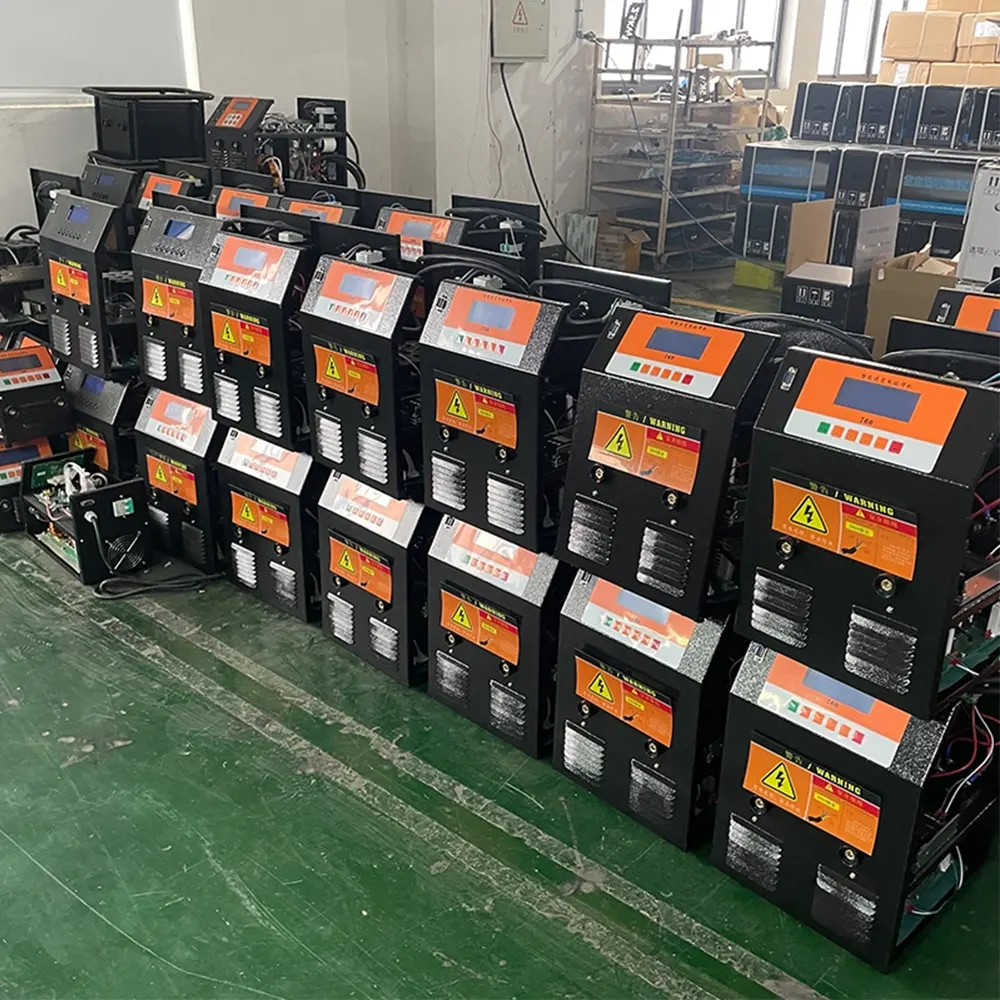
Choosing the appropriate electrofusion machine is vital for project success. Key considerations include the diameter range of pipes and fittings, the required output voltage, data logging capabilities, and compatibility with different fitting brands. Modern units offer features such as barcode scanning, GPS tagging, and USB data export for comprehensive quality documentation.
For contractors and project managers seeking reliable electrofusion welding machines, it is worth exploring suppliers who combine quality manufacturing with responsive support. Companies like JQ-Fusion offer a range of electrofusion equipment designed to meet the demands of global infrastructure projects, with a focus on durability and precise welding performance.
Conclusion
Knowing when to use electrofusion for HDPE pipes empowers engineers, contractors, and project managers to make informed decisions that optimize both installation efficiency and long-term pipeline performance. Whether you are working in a confined trench, performing a critical repair, or building a complex distribution network, electrofusion offers a reliable, versatile, and well-documented joining solution. By following established best practices, consulting the PPI electrofusion guide, and using correctly calibrated equipment, you can ensure every joint meets the highest standards of quality and safety.