
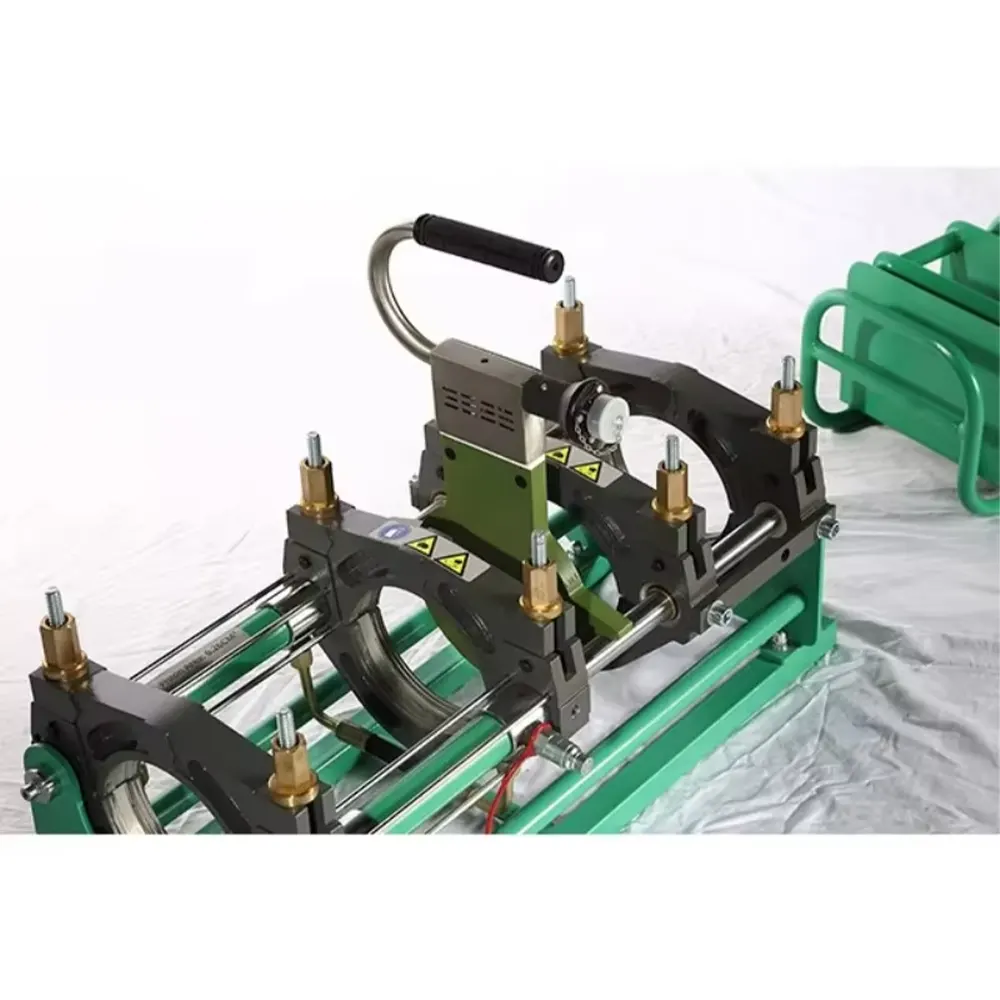
Leasing pipeline welding equipment can be a smart move for contractors, distributors, and project managers who need to control costs without sacrificing performance. For many pipeline jobs, the right welding machine is not just a tool—it is the foundation of schedule control, joint quality, and site safety. Before you sign a lease agreement, however, it is important to understand what the equipment can do, how it fits your project, and what kind of support you will receive during the rental period. A careful review at the start can prevent expensive downtime later.
One of the first things to evaluate is the type of welding process your project requires. Different pipeline systems may call for different machine configurations, pressure ranges, or pipe diameter capabilities. In HDPE pipeline work, for example, a reliable butt fusion machine must deliver stable heat, accurate alignment, and consistent hydraulic control. If the equipment cannot match the material and pipe size, the finished welds may not meet project specifications. That is why leasing should never begin with price alone; it should begin with technical compatibility.
Another key factor is the condition of the leased machine. A unit may look similar on the outside, but internal wear, outdated controls, weak heating plates, or unstable hydraulic systems can reduce weld quality. Ask for maintenance records, service history, and a clear description of the machine’s current condition. A trustworthy supplier should be able to explain whether the equipment has been tested for temperature accuracy, clamp alignment, and pressure stability before delivery.
Important: Leasing is not only about access to equipment. It is also about reducing operational risk. If the machine is not calibrated correctly, the cost of rework, material waste, and schedule delays can quickly exceed the lease fee.
1. Check the machine specifications in detail
Before leasing, review every technical specification carefully. This includes pipe diameter range, heating plate temperature range, power requirements, hydraulic pressure capability, and the type of control system. Some projects require manual machines, while others may benefit from hydraulic or fully automatic systems. If your work involves repeated joints and strict quality requirements, an automatic or CNC unit may offer better consistency. For more flexible field conditions, a hydraulic model can provide a strong balance between control and durability.
The goal is to make sure the machine matches the job, not just the budget. A lease agreement should include exact model details, accessories, and any special configurations needed on site. If the supplier offers customization, confirm whether voltage, color, branding, or functional upgrades have been included in the quoted package.
2. Understand the project environment
Pipeline welding is often carried out in demanding conditions such as water supply networks, gas distribution systems, mining sites, or industrial installations. Each environment presents different challenges. Outdoor work may require stronger weather resistance and easier transport. Remote projects may need reliable spare parts support and quick technical guidance. If your site is exposed to dust, cold temperatures, uneven terrain, or limited power access, the leased machine should be suitable for those conditions.
Tip: Ask whether the machine has already been used in similar projects. Proven performance in comparable site conditions is often more valuable than a general product brochure.
3. Review the lease terms carefully
Rental contracts can vary widely. Some agreements cover only the machine itself, while others include delivery, installation, operator training, maintenance, and emergency support. Read the terms carefully so you know exactly what is included. Pay special attention to the lease duration, deposit requirements, late return penalties, and responsibility for damage or wear.
It is also important to clarify who handles routine maintenance during the lease period. If a heating plate needs replacement or the hydraulic system requires adjustment, will the supplier respond quickly? Will replacement parts be shipped immediately? These details can determine whether your project stays on track or suffers costly interruption.
4. Confirm the supplier’s technical support capability
When leasing pipeline welding equipment, the supplier’s support team matters almost as much as the machine itself. Welding equipment is often used in time-sensitive projects, so delays in setup or troubleshooting can affect the entire job. Choose a supplier that offers fast response, clear operating guidance, and accessible after-sales support. If possible, confirm whether they provide remote assistance, spare parts supply, and practical training for your crew.
Companies with strong manufacturing experience and broad export service often have better systems in place for this kind of support. For example, a professional manufacturer with experience in global pipeline projects can usually provide more dependable guidance during critical site operations. That support helps reduce operator error and improves the consistency of each weld.
Key point: If the supplier cannot support you after delivery, the lowest lease price may become the most expensive decision in the long run.
5. Ask about inspection and testing before shipment
Good suppliers should test their machines before they are sent out. This is especially important for leased equipment because the machine must arrive ready for immediate use. Ask whether the unit has been checked for temperature control accuracy, hydraulic pressure stability, and clamp alignment. These three factors directly influence weld integrity and project safety.
If the supplier follows strict quality control procedures, you gain extra confidence that the machine will perform reliably in the field. In high-demand projects, even a small calibration issue can produce weak joints, repeated work, and material loss. Pre-shipment testing is one of the clearest signs of a responsible leasing partner.
6. Consider training and operator experience
Even a high-quality welding machine can produce poor results if the operator is unfamiliar with the system. Before leasing, ask whether the supplier provides training or operation manuals. Your team should know how to set temperature, align pipes, manage pressure, and recognize signs of faulty fusion. If the equipment is semi-automatic or CNC-based, training becomes even more important because the control process may differ from older manual systems.
For larger teams, a short onboarding session can save many hours of correction later. In some cases, the supplier may also help you determine which machine configuration is most suitable for your team’s skill level and job requirements. That kind of practical advice can improve productivity from day one.
7. Evaluate delivery speed and logistics support
Project schedules are often tight, and delayed equipment can slow an entire installation. Before leasing, confirm the supplier’s delivery timeline and shipping capabilities. If the machine is needed urgently, ask whether the supplier keeps ready stock for fast dispatch. Also check whether packing, transport, and unloading support are included or arranged separately.
Large inventory capacity is a strong advantage because it helps reduce waiting time. In fast-moving projects, the ability to ship quickly can be just as valuable as the machine’s technical features. You should also confirm that replacement accessories and consumables can be supplied without major delay if they are needed during the lease period.
8. Know the difference between ownership and flexibility
Leasing is often chosen because it offers flexibility. You can access advanced equipment without committing to full purchase costs, and you can match the machine to a specific project instead of keeping unused assets in storage. This is especially useful for contractors handling seasonal work, temporary contracts, or multiple project sizes across different regions.
However, flexibility only creates value when the lease arrangement is structured well. If the equipment is underpowered, poorly maintained, or unsupported, the benefit disappears quickly. Leasing should help you stay agile, not expose you to avoidable risk. That is why the right supplier relationship is central to the decision.
Checklist before signing:
• Confirm pipe size compatibility
• Review service and maintenance terms
• Verify testing and calibration records
• Ensure training and technical support are available
• Check delivery schedule and spare parts access
9. Look at the supplier’s industry experience
A supplier with long-term experience in pipeline welding equipment is often better prepared to handle technical questions, project changes, and support needs. Experience matters because pipeline work is demanding and the equipment must perform consistently in real conditions. A manufacturer with strong expertise in butt fusion solutions, for example, can better understand the difference between a simple purchase and a project-critical lease.
It is useful to work with a company that has built a reputation for stable welding performance, customized solutions, strict quality assurance, and global shipping support. These capabilities show that the supplier is prepared to support complex projects rather than just provide equipment.
When you are leasing pipeline welding equipment, the decision should be based on more than short-term price comparisons. The best agreement is the one that helps you finish the job safely, efficiently, and with minimal interruption. Quality, service, compatibility, and logistics all matter.
Frequently Asked Questions
Q1: Is leasing better than buying pipeline welding equipment?
Leasing is often better for short-term projects, occasional use, or when you need to preserve cash flow. Buying can make more sense for companies with continuous demand and long-term equipment use.
Q2: What is the most important thing to check before leasing?
The most important factor is whether the machine matches your pipe size, material, and project requirements. Technical fit is more important than price alone.
Q3: Should I ask for maintenance records?
Yes. Maintenance records help you understand the machine’s current condition and reduce the risk of unexpected failures during the lease period.
Q4: Can training be included in the lease?
Many suppliers can include training or technical guidance. This is especially valuable for new operators or complex automatic systems.
Q5: What happens if the equipment fails during the project?
That depends on the lease agreement. A good contract should explain repair response time, spare parts support, and who is responsible for replacement or service.



