
Pipeline welding inspection is one of the most important steps in building a safe, durable, and efficient pipeline system. Whether the project involves water supply, gas distribution, mining operations, or industrial transport lines, the quality of every welded joint directly affects long-term performance. A single weak weld can lead to leaks, pressure loss, contamination, shutdowns, or even serious safety incidents. That is why a clear inspection checklist is essential for every stage of the welding process.
In modern pipeline construction, inspection is not only about finding defects after welding; it is about preventing problems before they happen. From machine calibration and material verification to weld appearance checks and final non-destructive testing, each step plays a role in ensuring consistent results. For contractors, engineers, and inspectors, following a structured checklist helps improve compliance, reduce rework, and protect workers and assets.
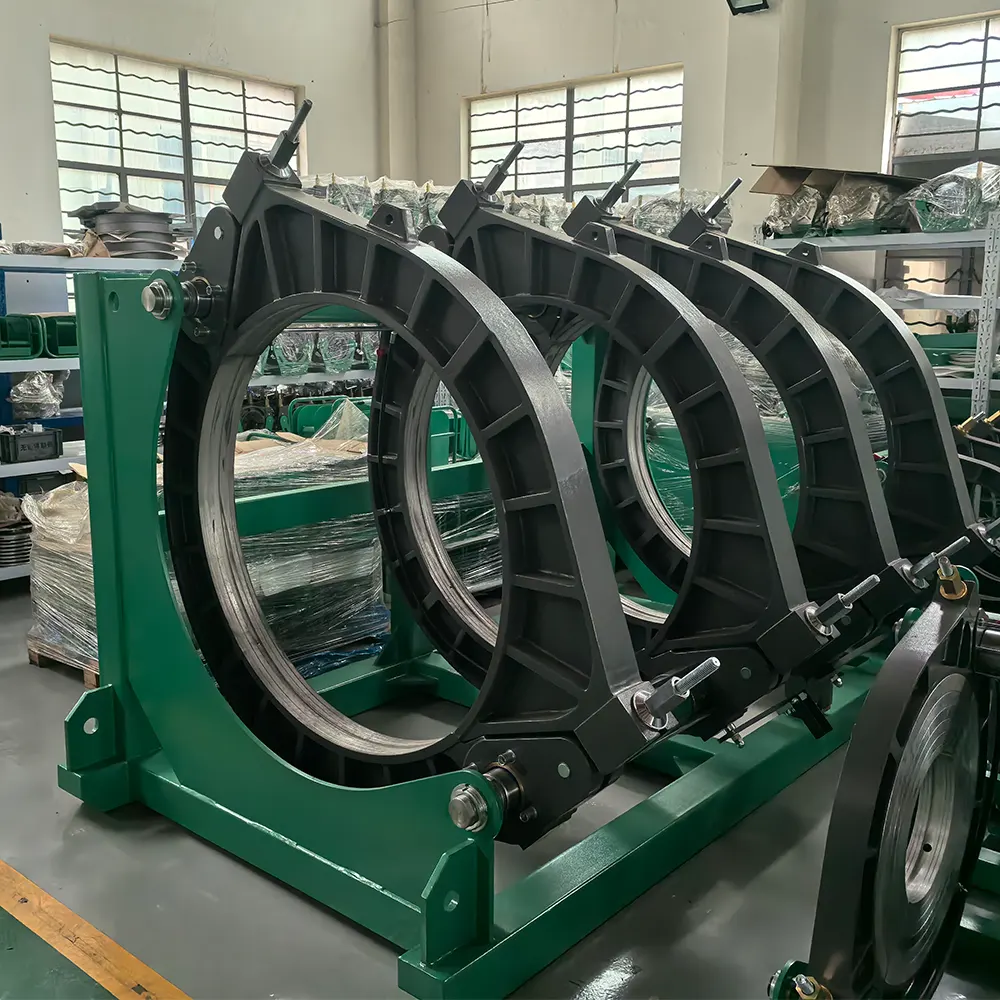
For projects that depend on stable fusion quality, equipment selection also matters. A reliable butt fusion machine can help maintain alignment, temperature control, and pressure stability, which are all critical for quality inspection outcomes. When the welding equipment is stable, inspection becomes more predictable, efficient, and trustworthy.
Key idea: pipeline welding inspection should be treated as a complete quality and safety system, not a final visual check. The best results come from combining preparation, process control, welding discipline, and post-weld verification.
Why Pipeline Welding Inspection Matters
Pipeline welding creates permanent joints that must remain strong under internal pressure, environmental stress, vibration, and long-term service conditions. In industries such as gas and water distribution, any defect can become expensive and dangerous. Inspection helps identify whether the weld meets engineering requirements and whether the overall system is ready for operation.
There are three major reasons inspection matters. First, it protects public and worker safety by reducing the risk of rupture or leakage. Second, it protects the owner’s investment by avoiding costly repairs, delays, and service interruptions. Third, it ensures the project meets relevant standards, codes, and client expectations. In other words, inspection is both a technical requirement and a business necessity.
Inspection is prevention: the earlier a problem is found, the lower the cost and risk. Detecting misalignment, contamination, or temperature instability before production welding saves time and avoids major defects later.
Pre-Welding Inspection Checklist
The inspection process begins long before the weld is made. Pre-welding checks ensure that materials, tools, and environmental conditions are suitable for quality work. This stage is often overlooked, but it is one of the most effective ways to prevent failures.
1. Material verification: confirm that pipe sizes, wall thickness, resin type, and fitting specifications match the approved project documents. HDPE pipes, fittings, and accessories should be free from damage, contamination, and deformation.
2. Surface condition: inspect pipe ends for scratches, dents, moisture, grease, dust, or oxidation. Clean surfaces are critical for strong fusion bonding. Any contamination must be removed before welding begins.
3. Machine condition: check whether the welding machine is clean, assembled correctly, and in good working order. Hydraulic systems, heating plates, trimmers, and clamps should operate smoothly without abnormal noise or leakage.
4. Calibration and settings: verify that heating temperature, hydraulic pressure, and timer settings meet the welding procedure. A small error in temperature or pressure can affect melt quality and reduce joint strength.
5. Site environment: confirm that the work area is dry, stable, and protected from strong wind, rain, dust, or extreme temperatures. Environmental control is especially important in outdoor pipeline projects.
Best practice: keep a pre-welding checklist signed by the operator and inspector. This creates traceability and helps ensure every joint starts under controlled conditions.
During-Welding Inspection Checklist
Once the welding process starts, inspectors should observe the operation closely. During-welding inspection focuses on process consistency, operator discipline, and machine performance. It is not enough to assume the weld will be correct if the equipment is on; each action must be controlled.
Alignment check: make sure the pipe ends are aligned correctly before heating. Poor alignment can create uneven bead formation and weak fusion across the joint.
Heating plate performance: the heating surface must reach and maintain the correct temperature across the entire contact area. Uneven heating may cause inconsistent melt flow and poor bonding.
Melt bead formation: inspect the bead during fusion. A uniform bead usually indicates stable heating and proper pressure application. Irregular bead shape can signal problems with contamination, misalignment, or machine settings.
Timing control: heating, changeover, and cooling times must be followed precisely. Rushing the process or removing pressure too early can weaken the joint.
Operator behavior: the welder should follow the approved procedure without shortcuts. Skilled operation is especially important for large-diameter pipes, where the margin for error is smaller.
Important note: during-welding inspection is not only about looking for visible mistakes. It is about confirming that every process parameter stays within the welding procedure specification.
Post-Welding Inspection Checklist
After the weld cools, the joint must be examined carefully to confirm that it meets quality standards. Post-weld inspection combines visual assessment, dimensional checks, and sometimes advanced testing methods depending on project requirements.
Visual inspection: check the finished weld for symmetry, bead uniformity, surface cracks, undercut, contamination, or obvious deformation. A clean, even bead is usually a good sign of proper fusion.
Cooling verification: ensure the joint has cooled for the required time before handling or moving the pipe. Early disturbance can damage the fusion zone.
Dimensional inspection: verify that the joint geometry is within tolerance and that the pipe remains properly aligned. Excessive ovality or mismatch may affect performance.
Documentation review: record welding parameters, operator identity, inspection results, and any corrective actions. Accurate records support accountability and future maintenance.
Acceptance decision: determine whether the joint passes, requires repair, or must be rejected. Clear acceptance criteria should be defined before work begins so that decisions are consistent.
Tip: a strong post-welding checklist should combine visual inspection with process records. Even a visually acceptable weld can be rejected if the welding data shows major deviation from the approved procedure.
Non-Destructive Testing and Advanced Verification
For critical pipeline systems, visual inspection alone is not enough. Non-destructive testing, or NDT, helps verify the internal integrity of the weld without damaging the pipe. The testing method depends on the project, material, and required safety level.
Ultrasonic testing: useful for detecting internal flaws, lack of fusion, and hidden discontinuities. It is commonly used where deeper inspection is required.
Radiographic testing: provides detailed images of the weld zone and may reveal voids, inclusions, or internal defects. This method is often reserved for high-risk systems.
Pressure testing: confirms whether the pipeline can hold operating pressure without leakage. It is one of the final checks before commissioning.
Leak testing: helps identify joint failures at an early stage. This is especially important in gas and water networks where leakage control is critical.
Advanced verification matters most when the pipeline will operate under high pressure, harsh environmental conditions, or long service cycles. The more critical the project, the more important the testing.
Common Defects Found in Pipeline Welding
Understanding common defects helps inspectors identify risks quickly and make better decisions during production. Many welding issues can be prevented if they are recognized early.
Misalignment: occurs when pipe ends are not properly aligned. This can reduce joint strength and create stress concentration.
Contamination: dust, oil, water, or oxidation can prevent proper fusion bonding. Surface cleanliness is essential.
Insufficient fusion: happens when heat, pressure, or timing is incorrect. The weld may look acceptable externally but fail under load.
Overheating: excessive temperature can damage the material structure and distort the pipe end.
Incorrect pressure: too much or too little pressure can affect bead formation and weaken the final joint.
Defects are not always caused by operator error alone. Poor machine maintenance, unstable power supply, inaccurate settings, or substandard materials can all contribute to poor results. That is why inspection must cover the entire workflow, not just the final weld.
How Equipment Quality Affects Inspection Results
The quality of the welding machine has a direct impact on inspection outcomes. A well-built machine improves consistency, while unreliable equipment makes it harder to maintain standard parameters. In butt fusion welding, stable heating and pressure control are especially important because the process depends on precise thermal and mechanical behavior.
Reliable manufacturers like JQ-Fusion focus on stable performance, strict testing, and customizable configurations to support different pipeline projects. Their machines are used in water supply systems, gas distribution networks, mining projects, and industrial installations, where quality and safety are equally important. When equipment is designed for precision, inspectors can more easily verify whether the weld meets standards.
For global contractors, choosing equipment from an experienced manufacturer also supports compliance and productivity. Features such as temperature accuracy, hydraulic pressure stability, and clamp alignment inspection improve consistency and reduce variation between joints. This makes the inspection process more efficient and trustworthy.
Equipment and inspection go together: good machines do not replace inspection, but they make inspection results more reliable and repeatable.
A Practical Quality and Safety Checklist for Site Teams
Below is a practical checklist that site teams can follow for everyday pipeline welding work:
Before welding: verify materials, clean surfaces, inspect tools, confirm settings, and review the welding procedure.
During welding: monitor alignment, observe heating behavior, confirm timing, and ensure operator compliance.
After welding: inspect bead quality, record data, allow full cooling, and perform required testing.
For safety: use proper PPE, keep the work area organized, isolate hazards, and ensure only trained personnel operate the equipment.
For traceability: maintain logs for each joint so problems can be traced back to materials, settings, operators, and machine conditions.
Simple rule: if the process is not documented, it is difficult to prove quality later. Good records protect both the contractor and the client.
Conclusion
Pipeline welding inspection is a critical part of quality assurance and project safety. A complete checklist should cover pre-welding preparation, process control, post-weld evaluation, and advanced testing when required. The goal is not only to detect defects but also to prevent them through disciplined procedures and reliable equipment.
When inspection is systematic, teams can reduce rework, improve safety, and deliver stronger pipeline systems with greater confidence. From small utility projects to large industrial networks, consistent inspection practices help ensure that every welded joint performs as expected throughout its service life.
Choosing the right equipment, training operators properly, and maintaining clear documentation all support better results. In the end, a strong inspection checklist is one of the most effective tools for building pipelines that are both safe and durable.
FAQ
Q1: What is the main purpose of a pipeline welding inspection checklist?
It helps ensure each welded joint meets quality and safety requirements by checking materials, machine settings, welding process control, and final joint condition.
Q2: Why is pre-welding inspection important?
It prevents problems before welding starts by confirming material quality, cleanliness, equipment condition, and correct parameter settings.
Q3: Is visual inspection enough for pipeline welding?
No. Visual inspection is important, but critical projects often require non-destructive testing and pressure testing to verify internal integrity.
Q4: What defects are most commonly found in pipeline welding?
Common defects include misalignment, contamination, insufficient fusion, overheating, and incorrect pressure control.
Q5: How does welding machine quality affect inspection results?
Stable equipment improves consistency in temperature, pressure, and alignment, making it easier to produce welds that pass inspection.



