
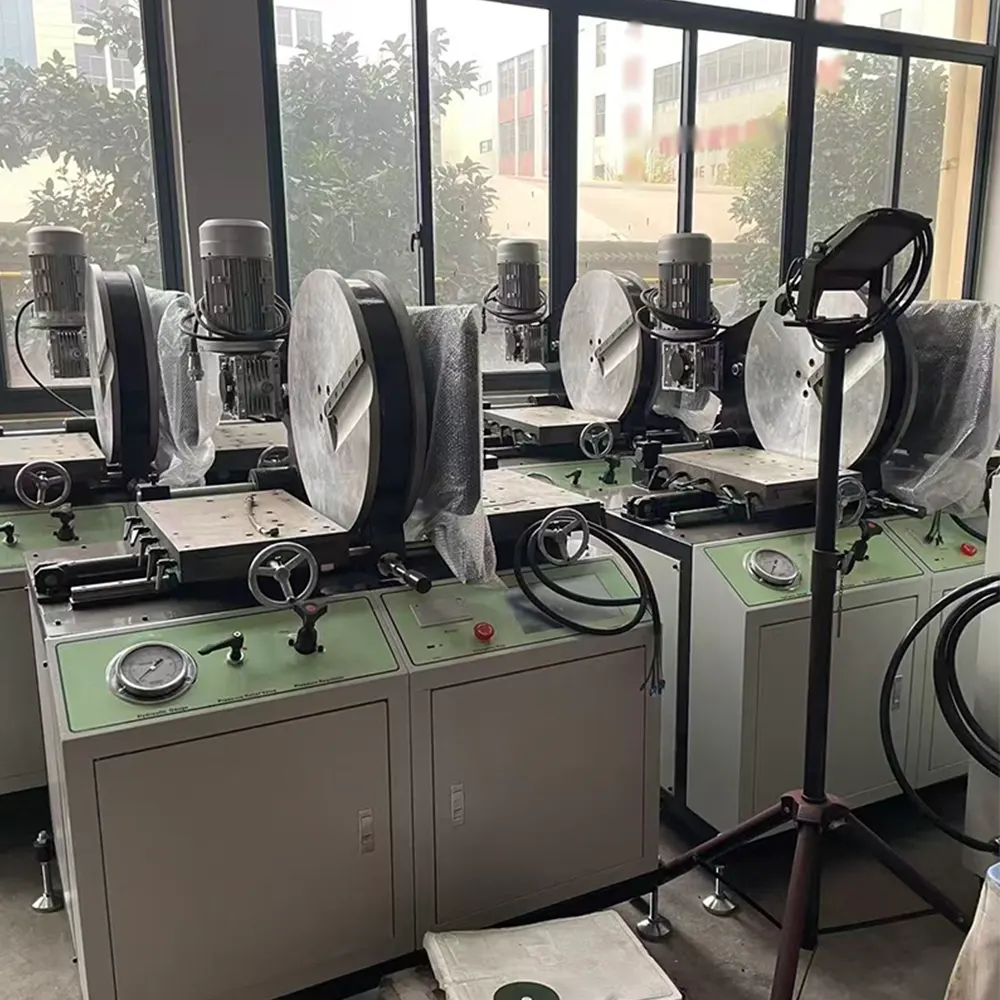
When it comes to joining HDPE pipelines, the welding method you choose directly affects the strength, sealing performance, and long-term reliability of the system. For contractors, distributors, and project managers, the goal is not only to create a joint that looks clean, but to make sure it stays strong under pressure, temperature changes, and daily field conditions. That is why many professionals search for the best HDPE pipe welding method guide for strong, leak-free joints before starting a project.
HDPE pipe systems are widely used in water supply, gas distribution, mining, and industrial piping because they are lightweight, corrosion-resistant, and durable. However, none of these advantages matter if the connection points are weak. A poorly fused joint can lead to leakage, pressure loss, rework, and expensive downtime. In contrast, a properly welded joint can deliver years of stable service with minimal maintenance.
Among the available joining methods, butt fusion welding remains one of the most trusted solutions for HDPE pipelines. It creates a homogeneous connection by heating the pipe ends and pressing them together under controlled pressure. When the process is performed correctly, the joint becomes as strong as the pipe itself. This is one of the reasons why the keyword butt fusion machine is so important in the pipeline industry.
🔶 Key idea: A leak-free joint depends on the combination of the right welding method, proper equipment, clean pipe preparation, and accurate process control. Even the best machine cannot compensate for poor preparation.
What Is HDPE Pipe Welding?
HDPE pipe welding is the process of joining two polyethylene pipe ends by heating, melting, and fusing them together. Instead of using adhesives or mechanical fasteners, the pipe ends are bonded into one continuous structure. This method is preferred because it creates a joint with excellent sealing performance and high mechanical strength.
The most common welding approaches for HDPE include butt fusion, socket fusion, and electrofusion. Each method serves different pipe sizes, project requirements, and installation environments. For large-diameter applications and long pipeline networks, butt fusion is usually the first choice because of its efficiency and durability.
Tip: For large pipelines, choosing the right welding equipment is just as important as choosing the right method. A stable and accurate butt fusion machine improves consistency and reduces the risk of weak joints.
Why Butt Fusion Is Often the Best Choice
Butt fusion is widely considered the best HDPE pipe welding method for strong, leak-free joints because it delivers a continuous, pressure-resistant connection. The process works by aligning the pipe ends, heating them against a controlled plate, removing the heater, and pressing the softened ends together. After cooling, the fused section forms a permanent bond.
One of the biggest advantages of butt fusion is joint uniformity. Since the joined section is created from the same material, the connection does not rely on additional components that may wear out or fail. This makes it especially suitable for critical infrastructure where safety and reliability are essential.
Another advantage is cost efficiency over time. Although the initial investment in equipment may be higher than other joining methods, the long service life and low maintenance requirements often make butt fusion a more economical choice for serious pipeline projects.
✅ Best for: water networks, gas distribution, mining pipelines, industrial installations, and projects that require long-term pressure integrity.
Main Types of HDPE Welding Methods
1. Butt Fusion Welding
Butt fusion is the most common method for joining medium to large HDPE pipes. It is suitable for straight pipe-to-pipe connections and is ideal for long-distance pipeline systems. The process requires precise temperature control, accurate alignment, and stable pressure.
Advantages: strong joint, excellent sealing, no extra fittings required, suitable for large diameters.
Limitations: requires specialized equipment and trained operators, and may not be ideal for tight spaces.
2. Electrofusion Welding
Electrofusion uses fittings with embedded heating elements. When electrical current passes through the fitting, the material melts and bonds to the pipe surface. This method is often used in repair work, branch connections, and situations where space is limited.
Advantages: convenient for complex installations, useful in narrow spaces, good for repairs.
Limitations: fittings can be more expensive, and surface preparation must be extremely clean.
3. Socket Fusion Welding
Socket fusion is commonly used for smaller-diameter HDPE pipes. The pipe end and fitting socket are heated and then inserted together. It is simple and practical, but usually not the best choice for large-scale pipeline systems.
Advantages: easy to learn, suitable for smaller pipe sizes, useful in some building systems.
Limitations: limited pipe size range and not ideal for high-demand industrial applications.
How to Achieve Strong, Leak-Free Joints
To achieve reliable results, every step of the welding process must be controlled carefully. Even small mistakes can affect the final joint quality. Here are the most important factors that determine success:
1. Pipe preparation is the first critical step. The pipe ends must be cut square, clean, and free from dust, moisture, and contamination. Dirt or uneven surfaces can prevent proper fusion and weaken the final bond.
2. Accurate alignment ensures that the pipes meet evenly. If the pipe ends are misaligned, the fused joint may have uneven stress distribution, which can reduce durability under pressure.
3. Correct heating temperature is essential. If the heating plate is too hot, the material may degrade. If it is too cool, the pipe ends may not melt properly. Stable temperature control is one of the biggest reasons professionals prefer a quality butt fusion machine.
4. Proper fusion pressure must be maintained throughout the process. Too much pressure can distort the joint, while too little pressure may create a weak seal.
5. Sufficient cooling time should never be ignored. Moving the joint too early can damage the bond and create hidden defects that appear later in service.
⚠️ Important: A strong joint is not created by speed. It is created by precision. Rushing the process often leads to expensive rework and avoidable project delays.
Choosing the Right Butt Fusion Machine
Not all welding machines offer the same results. When selecting a butt fusion machine, buyers should consider pipe size range, heating stability, hydraulic pressure control, clamp accuracy, and overall durability. The machine should match the project scale and operating conditions.
For smaller jobs, a manual machine may be enough. For larger projects, hydraulic or CNC automatic systems are usually better because they deliver more consistent temperature control, alignment, and pressure management. This is especially important in pipelines where joint quality must remain stable across many welds.
JQ-Fusion offers manual, hydraulic, and CNC automatic butt fusion welding machines for a wide range of diameters. Their equipment is designed for demanding applications in water, gas, mining, and industrial projects. With over 20 years of industry experience, they focus on stable welding performance, customization, and reliable global support. More information can be found at JQ-Fusion.
Why Machine Quality Matters
The welding method is only part of the equation. If the machine cannot maintain stable heat and pressure, the joint quality will suffer. High-quality equipment supports repeatable results, which is important for both small contractors and large engineering companies.
JQ-Fusion stands out because of its advanced manufacturing technology, strict quality control, flexible OEM and ODM customization, and reliable global support. Each machine undergoes testing for temperature accuracy, hydraulic pressure stability, and clamp alignment inspection. This level of control helps reduce the risk of poor welds in real-world conditions.
🔧 Industry note: If a project requires frequent welding, a machine with stable output and easy operation can save significant labor time and improve final pipeline quality.
Common Mistakes to Avoid
Many HDPE welding failures come from avoidable mistakes rather than material defects. Below are some of the most common problems:
Using contaminated pipe ends can prevent proper fusion and cause leaks later.
Ignoring calibration may lead to inaccurate temperature or pressure readings.
Skipping alignment checks can produce joints with uneven stress distribution.
Reducing cooling time to speed up production can weaken the final bond.
Choosing the wrong machine size may reduce efficiency and limit project flexibility.
Applications Where Butt Fusion Performs Best
Butt fusion welding is used in a wide range of industries because of its strength and reliability. Water supply systems depend on sealed joints to prevent leaks and maintain pressure. Gas distribution networks require safe and durable connections. Mining projects often need robust piping that can handle abrasive conditions. Industrial installations also benefit from joints that can withstand long-term operation.
For these applications, the best welding method is usually the one that balances reliability, productivity, and ease of maintenance. Butt fusion offers a strong advantage because it supports long pipeline runs with fewer weak points.
To view a broader range of equipment options, including hydraulic butt fusion welding machine, automatic butt fusion welding machine, and electrofusion welding machine, project teams can evaluate what best suits their site conditions and production targets.
Final Buying Advice for Contractors and Distributors
If you are selecting welding equipment for your market or project, focus on performance, service life, customization options, and after-sales support. A machine supplier should be able to provide technical guidance, consistent supply, and solutions that match the realities of your pipeline environment.
JQ-Fusion supports global customers with factory capability, large inventory, fast delivery, SGS-certified products, and full technical support. For distributors, OEM and ODM customization can also help build a stronger market position by offering branded solutions tailored to customer needs.
📌 Smart purchasing approach: Choose equipment based on project requirements, not only on price. A stable, well-built machine can reduce failures, improve efficiency, and protect your reputation over time.
Conclusion
The best HDPE pipe welding method for strong, leak-free joints is usually butt fusion, especially for medium to large pipeline systems. It provides excellent strength, long-term sealing performance, and a clean connection that can handle demanding applications. However, the final result depends not only on the method itself, but also on operator skill, pipe preparation, machine quality, and process control.
When paired with a reliable butt fusion machine, proper procedures can produce joints that are strong, stable, and ready for long-term service. For professionals working in water, gas, mining, or industrial projects, choosing the right equipment and following the correct process is the key to consistent success.
Frequently Asked Questions
1. Is butt fusion the strongest HDPE pipe welding method?
Yes. For many pipeline applications, butt fusion is considered one of the strongest methods because it creates a continuous fused joint with excellent pressure resistance.
2. Can HDPE pipe welding prevent all leaks?
It can greatly reduce leak risk when done correctly, but only if the pipe ends are clean, the machine is calibrated, and the process follows proper standards.
3. What size pipes are suitable for butt fusion?
Butt fusion is especially effective for medium and large diameter HDPE pipes, though the exact range depends on the machine model and project requirements.
4. How do I choose the right butt fusion machine?
Look at pipe diameter range, temperature control, hydraulic stability, clamp precision, durability, and whether you need manual, hydraulic, or automatic operation.
5. Why do some welded joints fail even with good equipment?
Common reasons include poor pipe preparation, incorrect temperature, insufficient pressure, misalignment, and moving the joint before it cools fully.



