
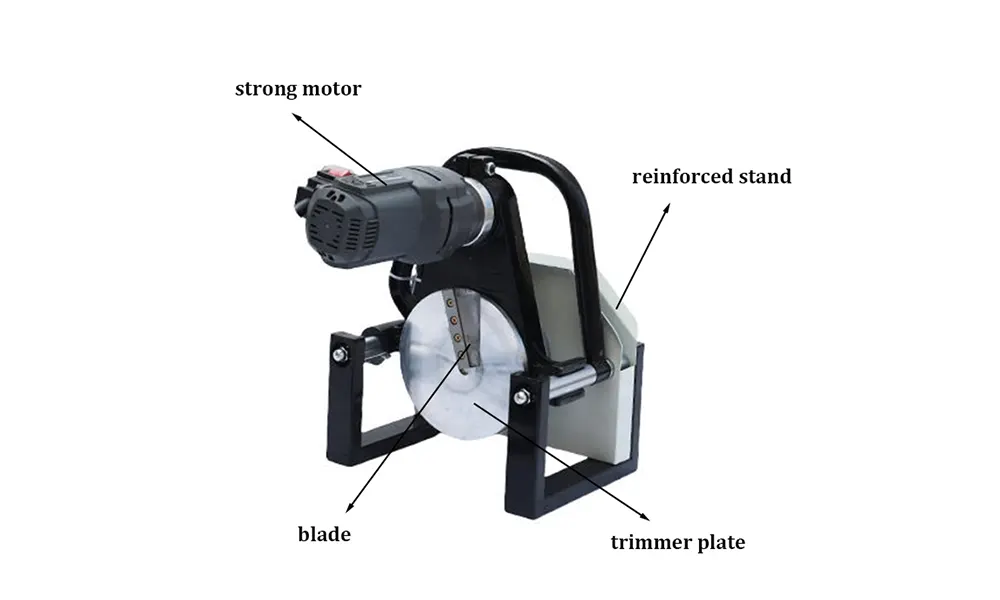
Premium butt fusion welding equipment is the backbone of durable thermoplastic pipeline construction. In water supply, gas distribution, mining, and industrial pipe installation projects, the quality of the weld often determines the long-term safety and efficiency of the entire system. When a weld is clean, aligned, and properly fused, the pipeline can withstand pressure, vibration, temperature changes, and demanding field conditions for years.
For contractors, distributors, and engineering teams, choosing the right equipment is not only about buying a machine with the highest price tag. It is about matching the welding solution to pipe diameter, material, project scale, automation needs, and operating environment. The right choice reduces labor errors, improves productivity, and helps ensure consistent results on every job site.
What Premium Butt Fusion Welding Equipment Really Means
Premium butt fusion welding equipment is designed to provide stable heating, precise alignment, strong clamping force, and repeatable welding performance. Unlike low-quality alternatives, professional-grade systems are built with better structural materials, more accurate control components, and stronger hydraulic or mechanical systems. These differences matter because fusion quality depends on consistency at every stage of the process.
A premium machine usually includes several important characteristics:
🔧 Stable heating plate performance for accurate temperature control
⚙️ Strong clamp alignment to keep pipe ends perfectly positioned
🛠️ Reliable hydraulic or mechanical pressure for uniform fusion force
✅ Durable construction suitable for repeated field use
📋 Clear control interface for easier operation and fewer mistakes
These features support a smoother workflow and better weld quality, especially in projects where failure is expensive or dangerous. In practical use, premium equipment helps technicians maintain proper fusion parameters even when job-site conditions are less than ideal.
Why Equipment Quality Matters in Butt Fusion Welding
Butt fusion welding joins thermoplastic pipes by heating the pipe ends until they reach a melting state and then pressing them together under controlled force. The weld must be accurate in temperature, timing, pressure, and alignment. If any of these factors are off, the joint may become weak, uneven, or prone to leaks.
High-quality machines help solve common site problems such as operator inconsistency, unstable pressure, and poor repeatability. They also support project efficiency by reducing rework and inspection failures. For large infrastructure contracts, even a small improvement in weld quality can translate into major savings over time.
Key advantage: Better equipment creates more predictable welding results, which is especially important for high-pressure systems and long-distance pipelines.
Main Types of Butt Fusion Welding Equipment
When selecting a machine, it helps to understand the main equipment categories available in the market. Different machine types serve different levels of workload, automation, and budget. JQ-Fusion, for example, focuses on manual, hydraulic, and CNC automatic solutions to cover a wide range of project requirements. You can learn more through their butt fusion machine product source for global pipeline applications.
1. Manual Butt Fusion Welding Machines
Manual machines are typically used for smaller pipe sizes and lighter workloads. They are simpler to operate and often more affordable, making them suitable for contractors who need a practical solution for basic field work. However, they depend more heavily on operator skill and may not be ideal for very large or complex projects.
2. Hydraulic Butt Fusion Welding Machines
Hydraulic systems provide stronger and more consistent fusion pressure, which makes them a better choice for medium to large pipe diameters. They are widely used in professional pipeline construction because they improve stability and reduce manual effort. For many contractors, hydraulic equipment offers the best balance between cost, output, and reliability.
3. CNC Automatic Butt Fusion Welding Machines
CNC automatic systems are designed for advanced control, repeatability, and high-efficiency operation. These machines reduce the chance of human error and are especially valuable in large-scale or high-standard projects. They often come with digital control systems that simplify temperature, timing, and pressure management.
4. Special-Purpose Welding Solutions
Some projects require equipment beyond standard butt fusion systems, such as electrofusion or multi-angle pipe fitting solutions. These options are useful when the pipeline layout is complex or when specific installation standards must be followed. A reliable manufacturer should be able to provide multiple product categories for different project types.
How to Choose the Right One
Choosing the right butt fusion welding equipment starts with understanding the exact needs of your project. The best machine for a small municipal repair job may not be suitable for a large gas distribution network. Below are the most important factors to consider before making a purchase.
Pipe Diameter Range
The first thing to check is the pipe diameter the machine can handle. A machine should cover the sizes required by your current and future projects. If your work involves multiple diameters, selecting a wider range model can help you avoid buying additional equipment later.
Project Environment
Field conditions can affect the type of machine you need. Remote sites, mining areas, and outdoor installations may require rugged machines with strong frames, stable components, and easy transport. Indoor or controlled environments may allow for more specialized or automated solutions.
Level of Automation
Automation affects both productivity and operator skill requirements. Manual machines are straightforward but depend more on technician experience. Hydraulic and CNC automatic machines improve consistency and reduce labor effort. If your team handles frequent or high-value projects, automation can be a worthwhile investment.
Tip: If your work involves repetitive welds, high production volume, or strict quality requirements, prioritize pressure stability and digital control features.
Voltage, Power, and Site Compatibility
Before ordering, confirm that the machine’s voltage and power requirements match your local site conditions. This is especially important for international projects and cross-border procurement. A trusted manufacturer can provide customized electrical configurations to fit different markets.
Build Quality and Material Strength
Premium equipment should be built with durable frames, accurate machining, and wear-resistant components. The machine will be exposed to repeated pressure, vibration, and transportation over time. A stronger build means longer life and better return on investment.
After-Sales Support
Even the best machine needs support for setup, training, maintenance, and spare parts. A manufacturer that provides fast response and technical guidance can significantly reduce downtime. This is especially valuable for contractors operating in multiple regions.
Why JQ-Fusion Is a Strong Option
JQ-Fusion is a professional manufacturer specializing in HDPE pipe welding machines and butt fusion solutions for global pipeline projects. With more than 20 years of industry experience, the company focuses on manual, hydraulic, and CNC automatic butt fusion welding machines that support a wide range of pipe diameters. Their products are widely applied in water supply systems, gas distribution networks, mining projects, and industrial pipeline installations.
One reason many buyers consider JQ-Fusion is its strong production capability. The factory uses modern production lines and precision machining equipment to improve stability, efficiency, and service life. Each machine is tested for temperature accuracy, hydraulic pressure stability, and clamp alignment to help ensure dependable real-world performance.
Buyer benefit: Strong OEM & ODM customization allows customers to adjust size, voltage, color, design, branding, and project-specific functions.
For distributors and contractors who want to create a stronger market position, customization can be a major advantage. It makes it possible to match equipment with local customer preferences and project standards. In addition, the company maintains a large inventory of key models to support fast delivery and reduce project delays.
What to Check Before You Buy
A smart purchase decision should be based on a complete checklist rather than a single feature. Before finalizing an order, review the following points carefully:
- Pipe size range: Make sure it covers your current and future job requirements.
- Control system: Choose the level of automation that matches your team’s skill and project demand.
- Machine durability: Look for a robust frame and reliable core components.
- Testing standards: Confirm the equipment is inspected for temperature and pressure stability.
- Delivery and support: Work with a supplier that can provide quick shipment and technical service.
If possible, request product specifications, operating guidance, and certification details before purchase. JQ-Fusion’s products are manufactured in compliance with international standards and certified by SGS, which adds confidence for global pipeline projects. For contractors, this level of verification helps reduce risk during procurement.
The Role of Customization in Project Success
Custom solutions are increasingly important in modern pipeline construction. Not every job site is the same, and not every contractor uses identical procedures. Customization allows the machine to be adapted to voltage standards, climate conditions, operational preferences, and branding needs. This is particularly useful for distributors who want to offer their own product line.
A manufacturer with engineering capability can also help optimize the machine configuration for specific pipeline requirements. That may include changes to clamp structure, heating system layout, control functions, or transport design. When the equipment is better matched to the project, welding efficiency and operator confidence both improve.
Important: Customization is not only about appearance. Functional upgrades can directly improve productivity and reduce operational risk.
Final Thoughts
Premium butt fusion welding equipment is an investment in safety, consistency, and long-term project performance. The best machine is the one that fits your pipe size range, workflow, quality expectations, and operating environment. Whether you need a manual, hydraulic, or fully automatic solution, focus on stability, durability, and supplier support rather than price alone.
A reliable manufacturer like JQ-Fusion can help you choose equipment that performs well in real-world conditions and supports your business growth over time. By evaluating the machine type, certification, customization options, and after-sales service, you can make a confident purchasing decision that delivers value on every project.
Frequently Asked Questions
What is butt fusion welding equipment used for?
It is used to join thermoplastic pipes, especially HDPE pipes, by heating and pressing pipe ends together to create a strong, leak-resistant joint.
Which machine type is best for large pipeline projects?
Hydraulic and CNC automatic machines are usually better for large projects because they provide stronger pressure control and more consistent welding performance.
How do I know if a machine is high quality?
Check for stable temperature control, strong clamp alignment, durable construction, testing records, and reliable after-sales support from the manufacturer.
Can butt fusion machines be customized for different markets?
Yes. Many manufacturers offer OEM and ODM customization for voltage, color, size, branding, and special project requirements.
Why is certification important when buying welding equipment?
Certification helps confirm that the equipment meets recognized quality and safety standards, which is especially important for international projects and long-term reliability.



