
Electrofusion welding machines are specialised tools used to join polyethylene (PE/HDPE) pipes and fittings with precision and reliability. Widely adopted in water, gas, and industrial pipeline projects, these machines heat embedded resistive wires inside electrofusion fittings to create a homogeneous, leak-free joint that matches the strength of the pipe material.
How an Electrofusion Welding Machine Works
The core principle behind electrofusion is controlled electrical heating. An electrofusion fitting contains a coiled heating element. When the machine supplies a specified current at a controlled voltage and time, the heating element melts the inner surface of the fitting and the outer surface of the pipe. After cooling under pressure, the polymer materials fuse into a single, permanent joint.
Key Components
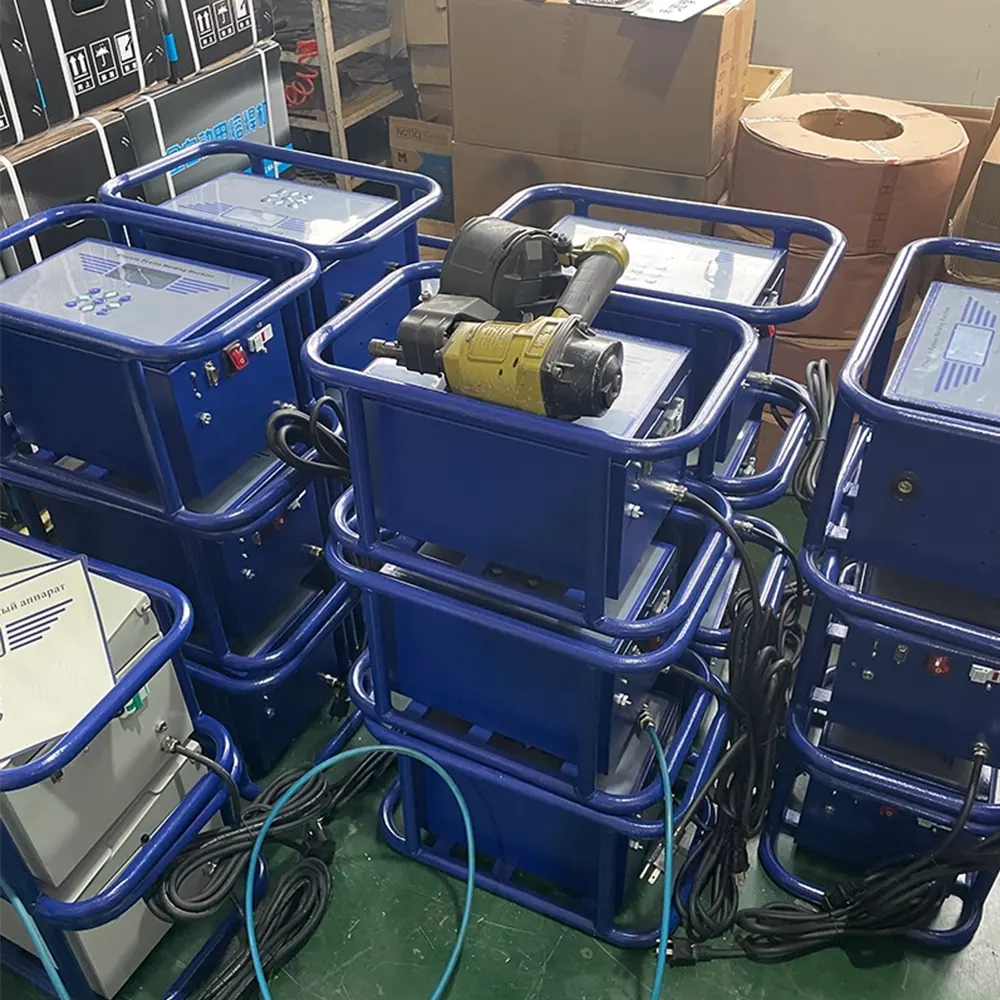
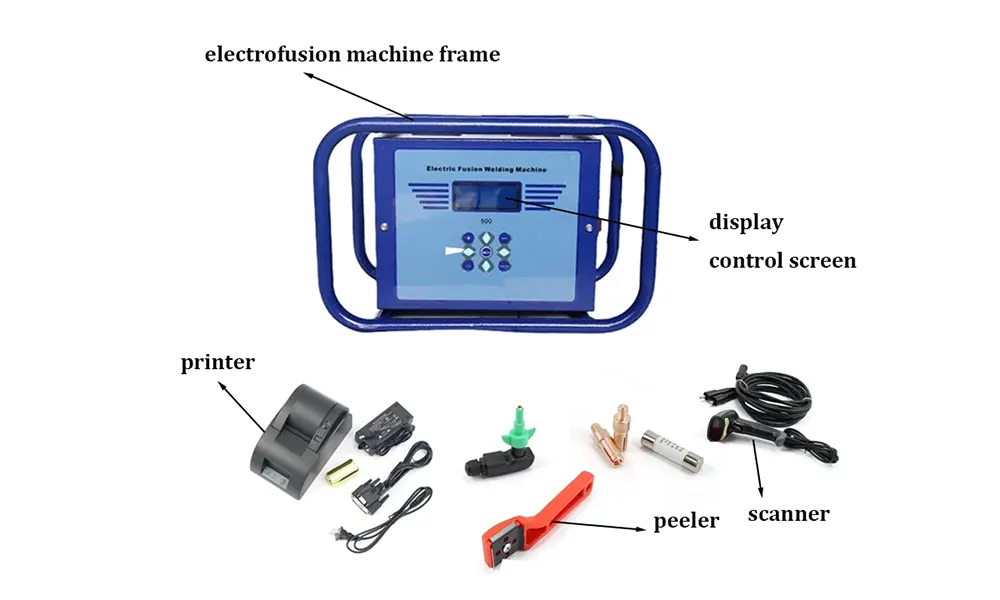
- Control Unit: Regulates welding parameters (voltage, current, time) and records data.
- Clamping System: Holds pipes and fittings in alignment during heating and cooling.
- Power Supply & Cables: Deliver stable current to the fitting from the control unit.
- Readout & Interface: Displays welding programs, countdown timers, and logs for quality traceability.
Step-by-Step Electrofusion Welding Process
Good electrofusion practice follows precise preparation and execution. Typical steps include:
- Prepare pipe ends: clean, square-cut, and remove oxidised layers with a scraper.
- Mark insertion depth and align the fitting on the pipe.
- Connect the electrofusion unit and scan or enter the fitting’s welding code.
- Start the weld program: the machine controls the heating cycle automatically.
- Maintain clamps and avoid movement during the cooling phase.
- Inspect the joint and document the weld data for quality records.
Why Proper Preparation Matters
Surface cleanliness and accurate alignment determine weld integrity. Contaminants, uneven insertion depth, or insufficient clamping can create weak spots or leaks. Using the correct welding program for each fitting type and monitoring ambient conditions (temperature, moisture) helps ensure repeatable, certified joints.
Types of Electrofusion Machines & Common Uses
Electrofusion equipment ranges from portable handheld controllers ideal for field repairs to bench-style and integrated systems for heavy pipeline fabrications. Typical applications:
- Urban water distribution networks
- Natural gas and LPG distribution
- Agricultural irrigation systems
- Sewer and drainage pipelines
- Mining and industrial fluid transfer
Comparison Table: Machine Types at a Glance
| Machine Type | Typical Pipe Range | Best For | Mobility |
|---|---|---|---|
| Handheld Controllers | 20–160 mm | Repairs & small installations | High |
| Bench/Workshop Units | 20–630 mm | Pre-fabrication & fittings production | Low |
| Integrated Track Systems | ≥630 mm | Large-diameter pipeline projects | Low |
Advantages of Electrofusion Welding
- Consistent joints: Automated control of heat and time reduces human error.
- Speed and convenience: Minimal hot-work permits safe onsite operations without open flames.
- Traceability: Modern units log weld parameters for inspection and certification.
- Durability: Fused joints typically match or exceed the pipe’s tensile strength.
Selecting the Right Machine
Consider pipe diameter range, field mobility, power source availability, and data-logging needs. For contractors handling a variety of project sizes, machines that support multiple welding programs and connection options are often best. For large infrastructure or frequent welding, choose robust units with proven durability and service support.
Maintenance & Safety Tips
Routine maintenance preserves machine accuracy: check cables, connectors, and calibration regularly. Store control units in dry conditions and protect fitting connection clamps from damage. Safety practices include using clamps to eliminate movement, wearing appropriate PPE, and following manufacturer weld programs and cooldown instructions.
Troubleshooting Common Issues
- Incomplete fusion: verify fitting code, check power supply, and confirm proper preparation.
- Porous joints: often caused by contamination—repeat surface cleaning and re-weld if necessary per standards.
- Machine errors: consult the unit’s error log, check connections, and ensure firmware is up to date.
Standards and Quality Assurance
Electrofusion welding must comply with regional and international standards (e.g., ISO, ASTM, DVS). Follow documented procedures, maintain weld logs, and perform destructive or non-destructive testing as required by project specifications to ensure long-term pipeline integrity.
Choosing a Manufacturer
Look for manufacturers with industry experience, certified production processes, and responsive after-sales service. JQ-Fusion offers a broad range of HDPE welding equipment and expertise to support global infrastructure projects.
Quick FAQ
Q: Can electrofusion be used underground?
A: Yes—electrofusion is suitable for buried pipework when performed in controlled conditions with proper preparation and joint protection.
Q: How long does a typical weld take?
A: Welding time depends on fitting size and program—small fittings may take minutes; larger fittings require longer heating and cooling cycles.
Final Notes
Electrofusion welding is a reliable, efficient method for joining PE/HDPE piping systems when correct equipment, preparation, and procedures are used. Investing in quality machines, training, and traceable processes improves pipeline performance and reduces long-term maintenance costs.



