In modern pipeline construction, especially for gas and water distribution, creating leak-proof, durable joints is non-negotiable. Among the various methods available, electrofusion stands out for its precision and reliability in joining polyethylene (PE) pipes. Central to this process is the electrofusion machine, a sophisticated device that ensures consistent, high-quality welds. This article explores what an electrofusion machine is, how it operates, and why it is essential for modern infrastructure projects.
Understanding the Electrofusion Process
Before diving into the machine itself, it helps to understand the PE electrofusion principle. Unlike butt fusion, which heats pipe ends externally, electrofusion uses special fittings embedded with electrical heating coils. When current passes through these coils, the inner surface of the fitting and the outer surface of the pipe melt and fuse together, creating a homogeneous joint upon cooling. The electrofusion machine precisely controls this energy delivery, making it a cornerstone of PE pipe electrofusion technology.
What Is an Electrofusion Machine?
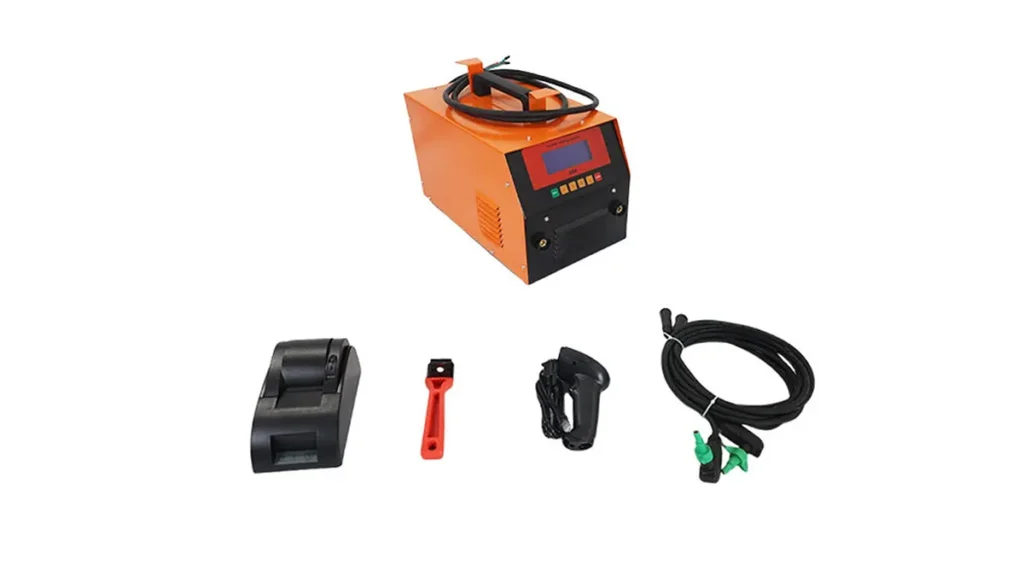
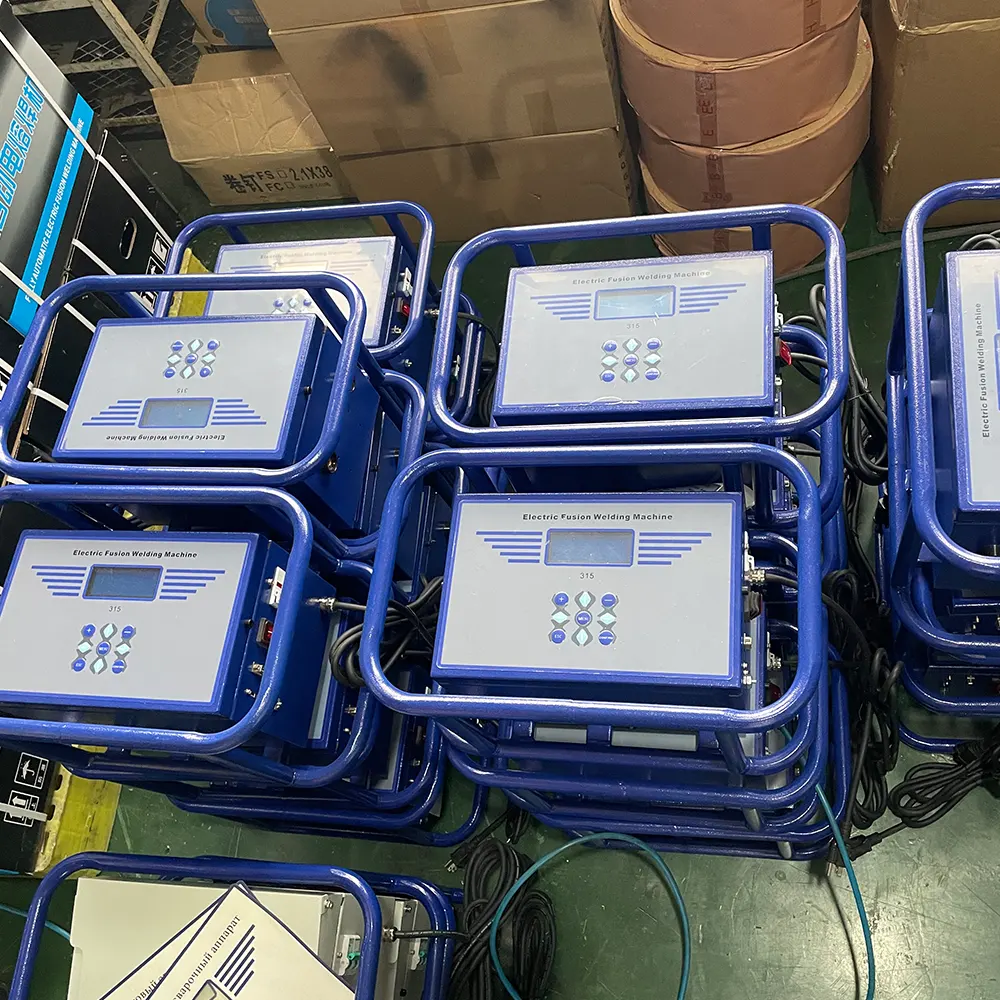
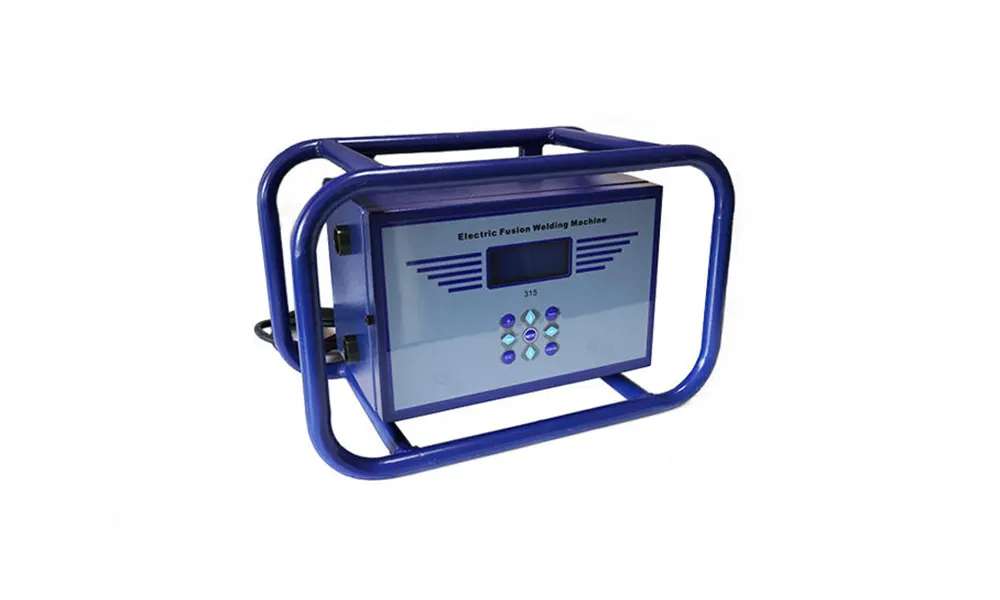
An electrofusion machine is a dedicated control unit that outputs a precisely regulated electrical current to an electrofusion fitting. It reads the fitting’s specific parameters—usually via a barcode or RFID tag—and automatically adjusts the welding voltage, current, and time. The machine monitors the entire fusion cycle, records key data, and verifies compliance with international standards such as ISO 12176-2 and ASTM F1290. This automation eliminates guesswork, ensuring every joint meets strict quality requirements.
How Does an Electrofusion Machine Work?
The operation of an electrofusion machine follows a systematic sequence designed for consistency and traceability. Here is a step-by-step breakdown:
- Preparation: The pipe ends are scraped to remove oxidation, cleaned, and inserted into the electrofusion fitting. Proper alignment and clamping are essential.
- Parameter Recognition: The operator scans the fitting’s barcode or inputs its identifier. The machine automatically retrieves the required fusion parameters, including voltage, current, and cooling time.
- Fusion Cycle: Upon initiation, the machine delivers controlled electrical energy to the fitting’s embedded coils. The heat melts the interface material.
- Cooling and Data Logging: The machine monitors the cool-down period and records the complete fusion report, including date, time, energy input, and any anomalies.
This automated process significantly reduces the risk of operator error, making it ideal for critical applications where correct electrofusion parameters are vital.
Key Components and Features
Modern electrofusion machines come equipped with several key components that enhance performance and usability:
- Intelligent Control Panel: A user-friendly interface, often with a color touchscreen, displays real-time fusion data and guides the operator through each step.
- Automatic Parameter Recognition: Scanners read barcodes or RFID tags to eliminate manual input errors.
- Data Logging & GPS: Onboard memory stores thousands of joint records, often with GPS coordinates, for full traceability on large pipeline projects.
- Universal Compatibility: Machines support a wide range of voltages (typically 8V to 48V) to accommodate various fitting manufacturers.
- Robust Construction: Designed for field use, these units are built to withstand harsh weather, dust, and impacts on construction sites.
Common Uses of Electrofusion Machines
Electrofusion technology is widely adopted across several industries due to its reliability in confined spaces and on already-laid pipes. Common applications include:
- Gas Distribution: Joining PE pipes for natural gas networks, where fusion integrity is paramount for safety. Referenced in standards like ISO 4437-1.
- Water Supply Systems: Connecting service lines and repairing mains for potable water, conforming to ISO 4427-2.
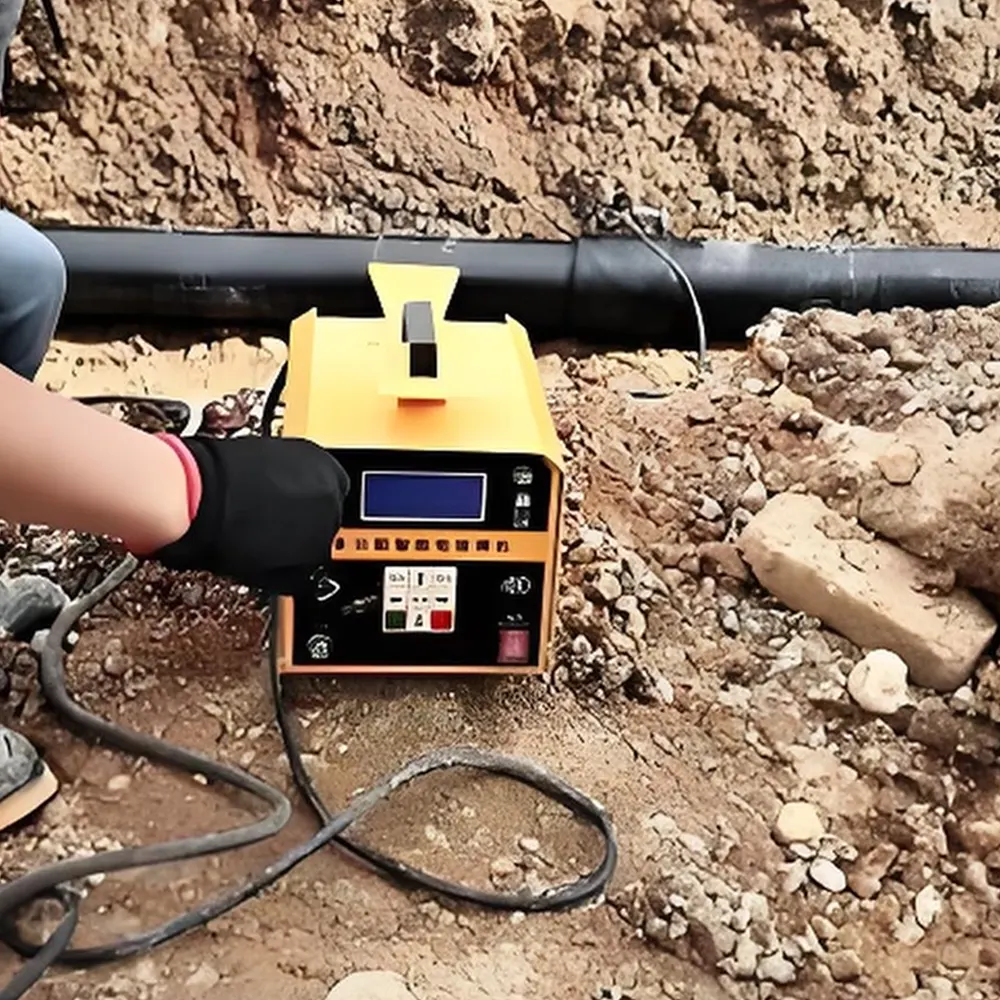
- Trenchless Repair: Installing branch saddles or repairing damaged pipes without extensive excavation.
- Industrial Pipelines: Joining pipes in mining, chemical processing, and power plants where mechanical joints might fail.
- Large Diameter Tie-Ins: Electrofusion couplers are often used to make the final tie-in connection on large pipelines where butt fusion is impractical.
Benefits of Using an Electrofusion Machine
Why choose electrofusion over other joining methods? The advantages are compelling for both contractors and asset owners:
- Consistent, Automated Quality: The machine entirely controls the fusion energy, ensuring every joint meets the manufacturer’s exact specification.
- Complete Traceability: Digital joint records facilitate compliance with ISO 12176-4 traceability coding and project audit requirements.
- Reduced Operator Dependency: Automation minimizes the impact of operator skill variance, which can be a factor in manual butt fusion.
- Access in Tight Spaces: Electrofusion fittings can be installed in trenches and areas where large butt fusion machine clamps cannot fit.
- No Interior Bead: Unlike butt fusion, electrofusion produces no internal bead, ensuring unobstructed flow in small diameter pipes.
Electrofusion vs. Butt Fusion: When to Use Which
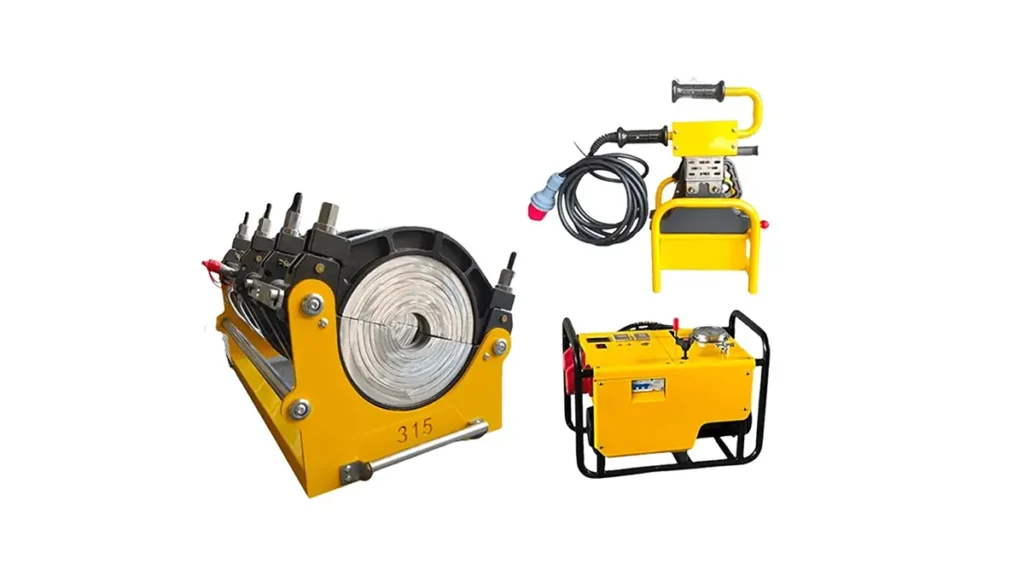
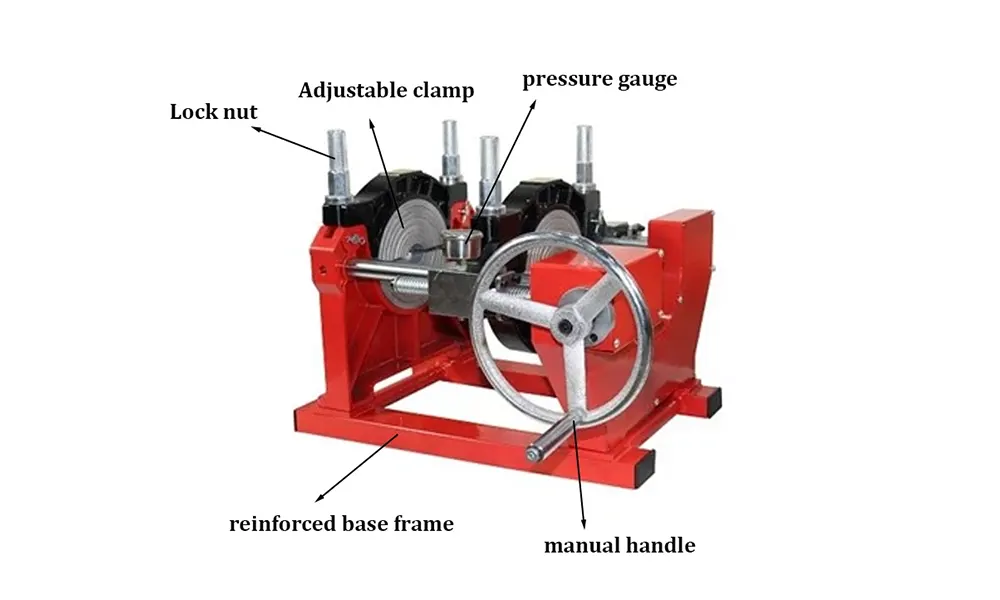
While both are heat fusion methods for PE pipes, they serve different niches. Here is a simple comparison:
| Feature | Electrofusion | Butt Fusion |
|---|---|---|
| Joint Type | Couplers, saddles, tapping tees | End-to-end pipe joints |
| Typical Diameter | 20mm – 630mm | 63mm – 2000mm+ |
| Portability in Trench | Excellent | Limited for large equipment |
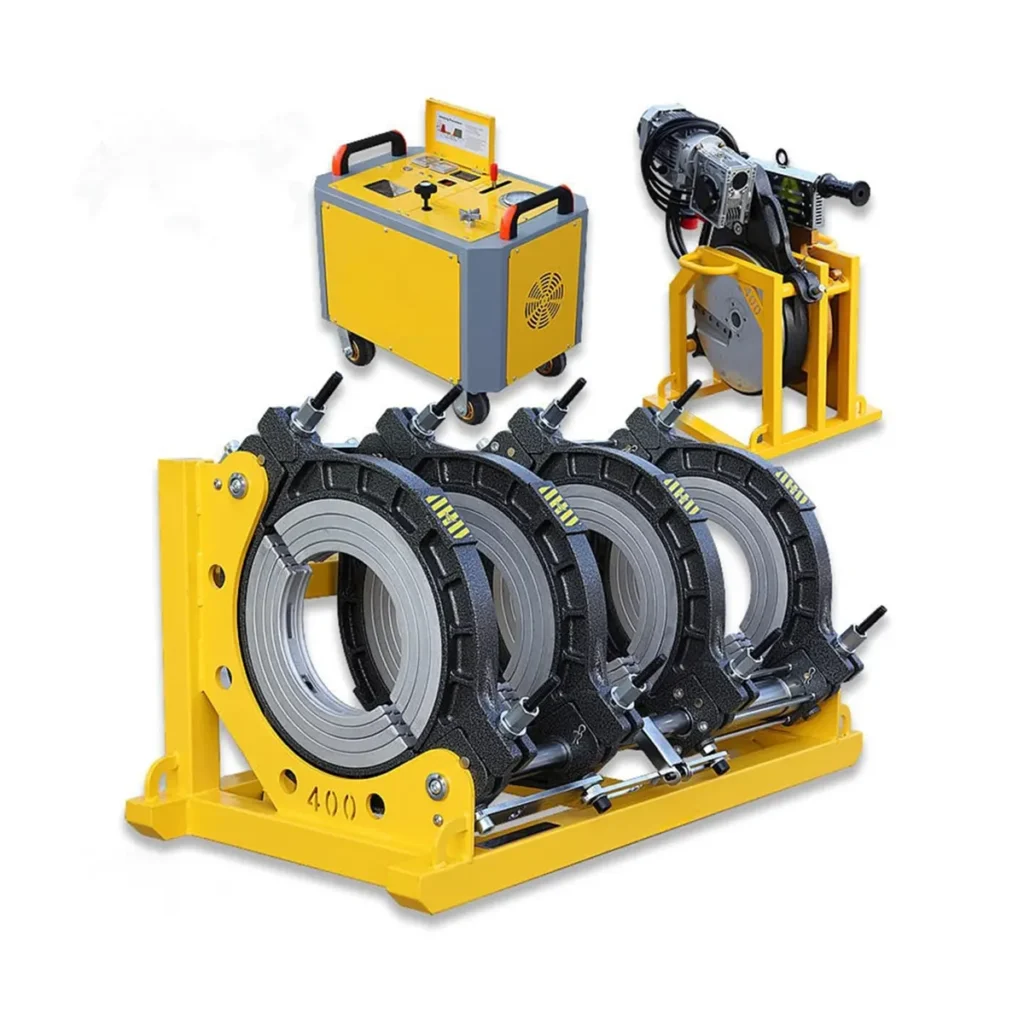
| Automation Level | Fully automatic with data logging | Varies (Manual, Hydraulic, CNC) |
| Standard Reference | ISO 12176-2, ASTM F1290 | ISO 12176-1, ASTM F2620 |
Choosing the Right Electrofusion Machine
Selecting a suitable electrofusion machine depends on several factors. Consider the pipe diameter and pressure class, as these determine the required output power. Look for robust data logging capabilities, especially if you require fusion traceability for compliance. Assess the environmental conditions: will the machine be used in extreme heat, cold, or dusty environments? Finally, ensure compatibility with the specific fittings you plan to use.
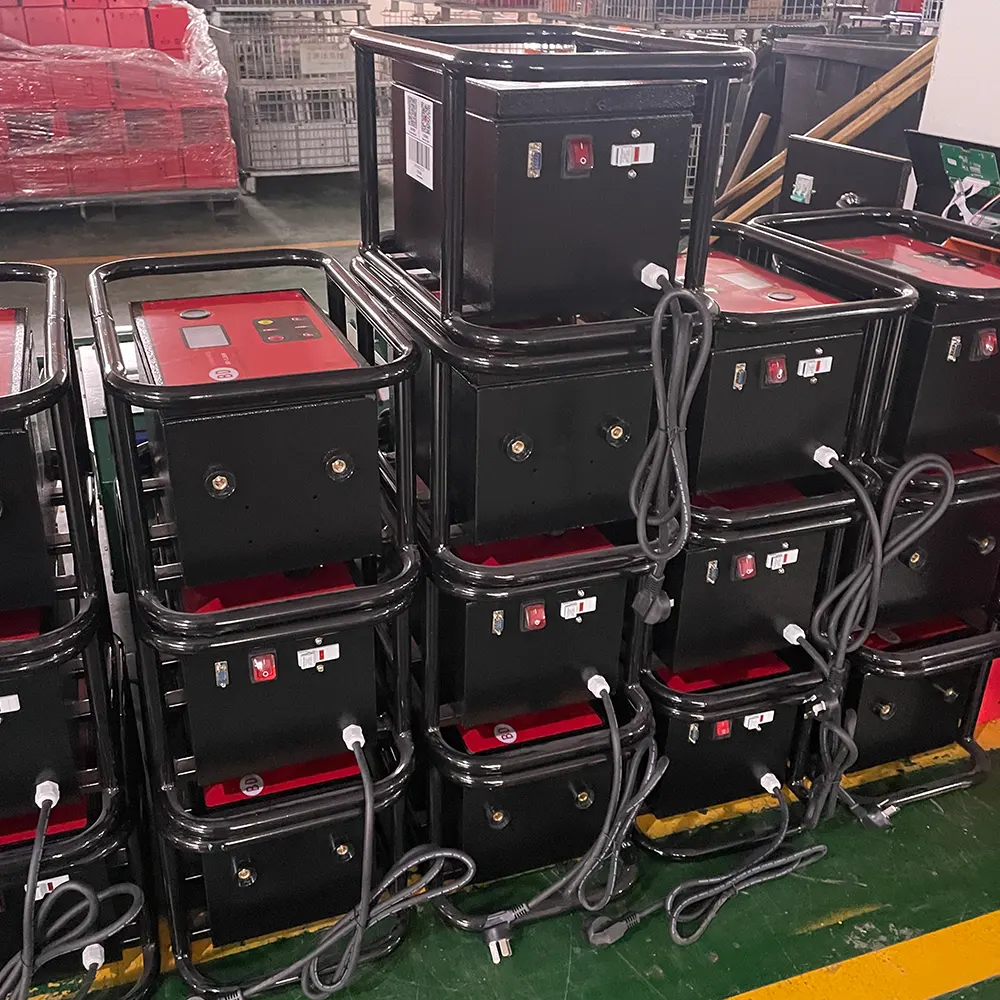
JQ-Fusion, a professional manufacturer of HDPE pipe welding equipment, offers advanced electrofusion machines designed to meet these rigorous demands. Their units provide automatic parameter recognition, comprehensive data logging, and rugged construction for global infrastructure projects. You can explore their complete range of electrofusion welding machines and related solutions to find the right fit for your project needs.
Maintenance and Operator Guidance
To ensure long-term reliability, perform regular maintenance on your electrofusion unit. Keep the output cables, connectors, and scanner clean and free from damage. Periodically verify the calibration of the machine to ensure it delivers the correct power output. Operators should receive proper training on pipe preparation, scraping tools, and machine programming. Refer to resources like the PPI TR-49 electrofusion guide for best practices and detailed HDPE fusion equipment guidance.
Conclusion
Understanding what an electrofusion machine is and how it works reveals its critical role in safe, long-lasting PE pipeline networks. By automating the fusion process and providing verifiable data, these machines deliver unmatched joint quality and traceability. Whether for gas, water, or industrial applications, choosing the right electrofusion equipment and following proper procedures is essential. For contractors and distributors seeking reliable solutions, exploring the full spectrum of butt fusion and electrofusion products is a practical next step toward project success.