
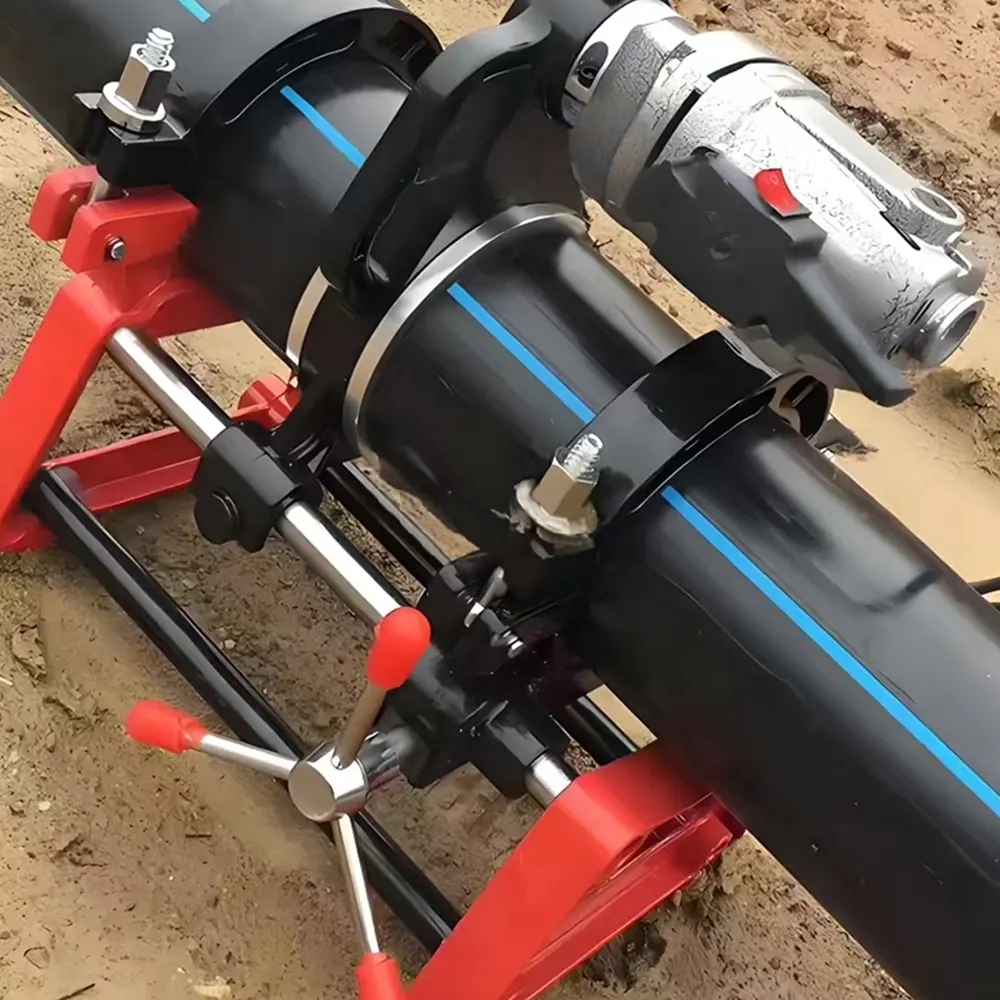
Welding is essential in modern construction, manufacturing, shipbuilding, and pipeline installation, but it also comes with serious risks. Whether the job involves manual arc welding, automated systems, or large-scale pipe fabrication, every welding operation exposes workers to hazards that can cause burns, eye injury, respiratory problems, electric shock, and fire. Understanding these risks is the first step toward creating a safer workplace. With the right training, protective equipment, ventilation, and work procedures, most welding accidents can be prevented before they happen.
For example, in pipeline and industrial projects, safety is not only about the operator’s immediate protection; it also affects project quality, productivity, and long-term equipment reliability. This is especially important in high-pressure applications such as water supply, gas distribution, mining, and industrial pipelines, where stable welding performance and strict process control matter every day. Reliable equipment and proper operation procedures can reduce hidden dangers and improve overall results. If you want to learn more about industrial welding equipment and pipeline solutions, you can visit butt fusion machine.
In this article, we will explain the most common welding safety hazards, why they are dangerous, and how they can be prevented in practical workplace settings. The goal is simple: help welders, supervisors, and project managers make safer decisions and build a culture of prevention.
1. Arc Radiation and Eye Damage
One of the most common welding hazards is exposure to arc radiation. The bright light produced during welding contains ultraviolet and infrared rays that can seriously damage the eyes and skin. A welder who looks directly at the arc without protection may suffer “arc eye,” a painful condition that causes redness, tears, sensitivity to light, and temporary vision loss. Long-term exposure can also contribute to cataracts and other eye problems.
Prevention tip: Always wear a properly shaded welding helmet with the correct lens shade for the job. Face shields, safety glasses, and protective curtains should also be used to protect nearby workers from stray arc flash.
2. Burns from Sparks, Spatter, and Hot Metal
Welding generates intense heat, molten metal, sparks, and spatter that can easily burn exposed skin. Burns often occur on the hands, arms, neck, and feet, especially when workers wear unsuitable clothing or fail to notice hot metal pieces after welding is finished. Even a small spark can cause a serious injury if it lands on flammable fabric or enters a shoe or glove.
Welders should never rely on ordinary workwear. Flame-resistant jackets, leather gloves, long sleeves, cuffless pants, and high-top safety boots provide much better protection. Clothing should fit properly without loose folds that can trap sparks.
Another important habit is to mark or isolate recently welded parts. Metal can remain hot for a long time, and accidental contact can cause delayed burns. Supervisors should remind workers to handle materials with tools rather than bare hands whenever possible.
3. Electric Shock
Electric shock is a life-threatening welding hazard. Welding machines use high electrical currents, and damaged cables, wet conditions, poor grounding, or incorrect machine setup can create serious danger. Electric shock may lead to muscle contractions, burns, cardiac arrest, or fatal injuries. This risk increases in damp environments, confined spaces, and outdoor work areas exposed to rain or condensation.
Key prevention measures: inspect cables and connectors before every shift, keep the work area dry, ensure proper grounding, avoid touching electrode holders with wet gloves, and shut down the machine before making adjustments.
Workers should also receive training on lockout/tagout procedures and safe maintenance practices. A well-maintained welding machine is less likely to create electrical hazards, which is why equipment inspection must be part of the routine work process.
4. Fumes and Respiratory Exposure
Welding fumes contain tiny metal particles and gases that can be harmful when inhaled. Depending on the base material and filler wire, fumes may include manganese, zinc, chromium, nickel, or other substances. Short-term exposure can cause dizziness, headaches, nausea, and throat irritation. Long-term exposure may lead to serious lung disease, nervous system damage, or metal fume fever.
Good ventilation is the most effective defense. Local exhaust ventilation, general airflow, and fume extraction systems help remove contaminants from the breathing zone. When ventilation is not enough, workers should use approved respiratory protection that matches the welding process and material type.
It is also important to avoid welding on coated, painted, or contaminated surfaces unless proper cleaning and hazard assessment have been completed. What looks like a simple task may release dangerous fumes if the base material has oil, rust, or chemical residue on it.
5. Fire and Explosion Hazards
Because welding produces open flame, sparks, and hot slag, it can easily ignite flammable materials. Paper, wood, oil, gas, solvent vapors, plastics, and dust can all catch fire under the wrong conditions. In many accidents, the ignition source is not the welding arc itself but sparks that travel unnoticed into hidden spaces, corners, or nearby equipment.
Fire prevention starts with a clean workplace. Remove flammable materials from the welding zone, cover combustible surfaces with fire-resistant blankets, and keep suitable fire extinguishers nearby. A fire watch should be assigned when welding is performed near high-risk materials or in areas where sparks can spread.
Explosion risk becomes even more serious in tanks, pipelines, and enclosed containers. Before welding in such spaces, workers must verify that the area is fully cleaned, ventilated, and tested for gas or vapor buildup. A small mistake in preparation can have severe consequences.
6. Confined Space Dangers
Welding in confined spaces introduces multiple hazards at once: low oxygen, toxic fumes, heat stress, difficult escape routes, and poor visibility. These areas include tanks, vessels, pits, manholes, and narrow pipe interiors. A worker may feel fine at the start but quickly become disoriented if oxygen levels drop or fumes accumulate.
Safe practice: confined space entry should only happen after proper atmospheric testing, ventilation setup, permit approval, and standby supervision. Never weld alone in a confined space.
Rescue planning is equally important. A rescue attempt without preparation can create a second victim. Every confined-space welding job should have a clear communication system, emergency exit plan, and trained personnel ready to respond.
7. Noise, Heat Stress, and Fatigue
Welding is not always thought of as a noisy or physically draining task, but many workplaces expose operators to high sound levels, radiant heat, and long working hours. Excessive noise can damage hearing over time, while heat stress can cause dehydration, exhaustion, slow reaction time, and reduced judgment. Fatigue also increases the chance of mistakes, especially during repetitive or precision welding work.
To reduce these risks, employers should provide hearing protection when needed, improve air circulation, schedule rest breaks, and rotate tasks where possible. Workers should drink water regularly and avoid working in extreme heat without supervision or a recovery plan. Fatigue management is a safety measure, not a comfort issue.
8. Poor Equipment Setup and Mechanical Hazards
Not all welding injuries come from heat or electricity. Incorrect setup, unstable workpieces, damaged clamps, and moving parts can also cause harm. Poor alignment can make a joint unstable, leading to rework, material failure, or sudden movement during welding. In industrial pipe projects, stable and precise machine performance is especially important because alignment errors can affect the quality and safety of the entire system.
That is why equipment condition matters just as much as operator skill. Machines should be selected according to the pipe size, project requirements, and operating environment. When a machine performs consistently, it helps reduce unexpected movement, uneven joints, and process interruptions. This is one reason many contractors value dependable welding systems with strong quality control and technical support.
In related pipeline work, using properly configured tools and well-tested welding systems improves both efficiency and safety. Reliable equipment can support better workflow, reduce human error, and maintain stable results across different job sites.
How to Build a Safer Welding Workplace
Preventing welding hazards requires more than wearing protective gear. It depends on a complete safety system that includes training, equipment maintenance, supervision, and clear procedures. Workers should know how to identify hazards before starting a job, and managers should ensure that the right controls are in place for each task.
Here are a few practical habits that improve safety immediately:
Always inspect before welding. Check helmets, gloves, cables, clamps, gas lines, ventilation systems, and emergency equipment before work begins.
In addition, workers should never bypass safety rules to save time. Many welding injuries happen during rushed jobs, poorly planned repairs, or maintenance work completed without proper isolation. A safe process may take slightly longer, but it prevents downtime, medical costs, and damage to equipment or facilities.
Organizations that invest in quality machines, training, and technical support generally see better welding results and fewer safety incidents. Whether the project involves fabrication, pipeline installation, or heavy-duty maintenance, stable performance and reliable procedures create a stronger safety foundation.
Frequently Asked Questions
What is the most common welding hazard?
The most common welding hazards are eye injury from arc radiation, burns from sparks and hot metal, and breathing problems caused by fumes. In many workplaces, these hazards happen together, so multiple protective measures are necessary.
Can welding fumes be dangerous even with short exposure?
Yes. Short exposure can cause irritation, dizziness, headaches, or nausea, especially in poorly ventilated spaces. Some welding materials also produce fumes that require strict respiratory protection and extraction systems.
Why is proper PPE so important in welding?
Proper PPE protects the eyes, skin, hands, feet, and breathing system from heat, radiation, spatter, electric shock, and fumes. Without it, even routine welding work can lead to serious injury.
How can fire risks be reduced during welding?
Fire risks can be reduced by removing flammable materials, using fire-resistant covers, keeping extinguishers nearby, testing confined areas for gases, and assigning a fire watch when needed.
What is the best overall way to prevent welding accidents?
The best approach is a combination of training, pre-job inspection, correct PPE, good ventilation, safe machine setup, and strict work procedures. Prevention works best when everyone follows the same safety standard consistently.



