
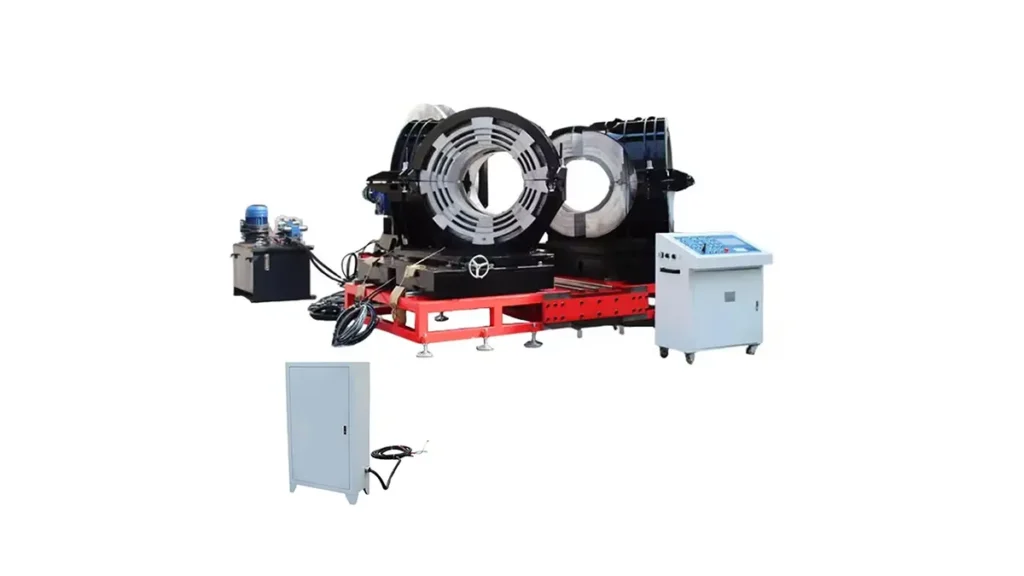
Hydraulic pipe welding machines are trusted across water supply, gas distribution, mining, and industrial pipeline projects because they help operators achieve strong, consistent, and precise fusion results. However, like any heavy-duty equipment, they can develop hydraulic issues over time. When these problems appear, they may affect clamping force, alignment accuracy, heating pressure, and overall weld quality. In pipe welding, even a small hydraulic malfunction can lead to weak joints, delayed schedules, and higher repair costs. Understanding the most common hydraulic problems is the first step toward preventing downtime and keeping projects on track.
Modern pipe welding operations depend on stable pressure delivery, smooth movement of clamps, and reliable control of the fusion cycle. If any part of the hydraulic system becomes unstable, the machine may struggle to maintain proper fusion parameters. For contractors, distributors, and maintenance teams, recognizing early warning signs can save time and reduce waste. Whether you use a manual model or a fully automated butt fusion machine, hydraulic performance remains one of the most important factors in machine reliability.
Key point: Most hydraulic problems do not appear suddenly. They often begin with small symptoms such as slow clamp movement, unstable pressure readings, leaking oil, or unusual noise. Early detection is the best way to avoid serious machine failure.
1. Hydraulic Oil Leakage
Oil leakage is one of the most common hydraulic problems in pipe welding machines. It can occur at hoses, fittings, cylinders, seals, valves, or the pump housing. When oil escapes from the system, the machine may lose pressure and the clamps may no longer hold the pipe firmly. This creates serious risk during the fusion process because stable pressure is essential for accurate alignment and bead formation.
Leaks are often caused by worn seals, damaged hoses, loose connections, excessive vibration, or poor maintenance. In cold weather, hoses may harden and crack more easily. In high-temperature environments, seals may age faster and lose elasticity. Regular inspection of oil lines and fittings is necessary to keep the system sealed and efficient.
Practical tip: Check the machine base, hose joints, and cylinder ends before every shift. A small oil stain can be the first sign of a larger problem.
2. Unstable or Low Hydraulic Pressure
Pressure instability is another major issue that affects welding quality. If the hydraulic system cannot maintain the required pressure, the machine may fail to clamp the pipes tightly enough. Low pressure can lead to joint movement during heating or cooling, which may weaken the final weld. On the other hand, pressure that rises and falls unpredictably can create inconsistent fusion results.
Common causes include air trapped in the hydraulic circuit, worn pump components, clogged filters, contaminated oil, and valve malfunction. Operators should monitor pressure gauges carefully and compare readings with the machine’s technical specifications. If pressure changes suddenly, the hydraulic system should be checked immediately.
Remember: Stable pressure is not only about performance. It also affects safety. In fusion work, pressure inconsistency can cause misalignment, poor bead shape, and long-term joint failure.
3. Slow Clamp Movement
Pipe welding machines rely on hydraulic cylinders to open, close, and lock clamps smoothly. If clamp movement becomes slow, jerky, or delayed, the welding process may become inefficient and inaccurate. This problem can be frustrating on site because it increases setup time and may interrupt project flow.
Slow movement is often linked to low oil level, dirty hydraulic fluid, blocked filters, air in the system, weak pump output, or worn seals inside the cylinder. In some cases, the issue may not be mechanical alone. Cold operating conditions can also increase oil viscosity, making the system respond more slowly than normal.
Maintenance note: If the clamp responds slowly only after startup, allow the hydraulic oil to warm up and check whether the fluid type matches the working environment.
4. Air in the Hydraulic System
Air entering the hydraulic circuit can cause many performance problems. When air is trapped in the system, the machine may feel soft, unsteady, or uneven during operation. Operators may notice foaming oil, noisy movement, or weak pressure transmission. Because air compresses easily, it reduces the system’s ability to transfer force effectively.
This problem usually appears after maintenance, hose replacement, oil changes, or seal failure. If the system has not been properly bled, air pockets may remain inside the lines and cylinders. The result is unstable movement and fluctuating pressure. Bleeding the system correctly and checking for loose suction-side connections are important preventive measures.
Icon guide: ⚠ Foamy oil, vibration, and jerky clamp action often mean air is present inside the hydraulic circuit.
5. Contaminated Hydraulic Fluid
Dirty or contaminated hydraulic oil is a hidden but serious problem. Dust, metal particles, moisture, and degraded oil can damage valves, pumps, and seals over time. In pipe welding machines, fluid contamination may lead to slow response, blocked passages, overheating, and poor pressure control. If the oil is not replaced on schedule, system wear can accelerate quickly.
Contamination often results from poor storage conditions, loose caps, damaged seals, or infrequent filter replacement. Working in industrial environments exposes machines to dirt and debris, so fluid cleanliness becomes even more important. Clean oil supports smoother operation and extends the service life of all hydraulic components.
Best practice: Replace filters on schedule, store hydraulic oil in sealed containers, and keep the machine clean during every maintenance cycle.
6. Overheating of Hydraulic Components
Hydraulic overheating is a frequent issue in machines that operate for long periods or under heavy load. When temperature rises too high, oil becomes thinner and loses its lubricating ability. This can reduce pressure stability, increase wear, and damage seals. In severe cases, overheating may cause system shutdowns or expensive component failure.
Common reasons include blocked cooling pathways, continuous overload, low oil level, dirty oil, or internal friction in the pump and valves. Operators should check whether the machine is being used within its recommended duty cycle. Adequate cooling, proper oil selection, and regular inspection help control heat buildup.
Important: Excessive heat shortens the lifespan of hydraulic seals and can lead to repeated leaks if the root cause is not corrected.
7. Faulty Valves and Control Components
Directional valves, pressure valves, and flow control components play a central role in regulating machine behavior. If a valve sticks, wears out, or becomes clogged, the system may not respond correctly. This can cause uneven pressure, delayed clamp motion, or complete loss of control in certain functions.
Valve problems are often linked to contamination, corrosion, poor lubrication, or natural wear after long-term use. Because hydraulic valves are precision parts, even small particles can interfere with smooth operation. Routine inspection and cleaning are essential, especially in machines used in demanding job sites.
Helpful reminder: When several hydraulic functions fail at once, the valve block should be checked early in the troubleshooting process.
8. Pump Wear or Pump Failure
The hydraulic pump is the heart of the system. It generates the pressure needed for clamp movement and fusion force. If the pump becomes worn, damaged, or inefficient, the entire machine may lose power. Operators may hear abnormal noise, notice weak pressure, or experience inconsistent machine response.
Pump failure may result from contaminated oil, inadequate lubrication, cavitation, excessive load, or prolonged service life. Since the pump works continuously during operation, it is one of the most heavily stressed parts of the machine. Preventive maintenance is the best strategy for avoiding sudden pump breakdown.
Inspection tip: Listen for whining, knocking, or grinding sounds during startup. Unusual pump noise should never be ignored.
How Hydraulic Problems Affect Welding Quality
Hydraulic issues do more than slow down production. They directly affect the quality of welded pipe joints. If clamping force is uneven, the pipe ends may not align correctly. If pressure drops during heating or cooling, the bead may become weak or irregular. If movement is unstable, the operator may struggle to keep the machine within the correct welding parameters.
In practice, these problems can lead to rework, wasted material, and project delays. For contractors working on large pipeline systems, even one bad weld can create significant costs. That is why many teams choose machines built with strong hydraulic systems, precise control, and strict factory testing. Reliable equipment reduces the chance of interruption and improves confidence on site.
Why quality matters: A stable hydraulic system supports stable welding. Better pressure control, smoother clamp motion, and cleaner component design all contribute to stronger fusion results.
Preventive Maintenance Tips for Hydraulic Systems
Preventive maintenance is the most effective way to avoid hydraulic failure. Operators should check oil level, oil cleanliness, hose condition, and pressure readings before each work shift. Filters should be replaced according to the manufacturer’s schedule, and the system should be inspected for leaks regularly. It is also important to use the correct hydraulic fluid recommended for the machine.
Training operators is equally important. When workers understand the machine’s normal sound, movement, and pressure behavior, they can detect problems earlier. In addition, keeping spare seals, filters, and hoses on hand can reduce downtime when repairs are needed. For projects with tight deadlines, this preparation can make a major difference.
Good maintenance habit: Clean, inspect, monitor, and replace before failure occurs.
Why Reliable Machine Design Helps Prevent Hydraulic Issues
Hydraulic problems are not only about maintenance. Machine design and manufacturing quality also matter. High-precision machining, stable assembly, and comprehensive testing all help reduce the risk of hydraulic failure. When a machine is built with durable seals, accurate valves, and well-matched components, it can perform more reliably under real working conditions.
For companies sourcing equipment for long-term pipeline projects, choosing a trusted manufacturer can reduce service interruptions. Advanced production capability, strict quality control, and technical support after delivery all contribute to better machine performance. That is especially important for global contractors who need consistent results across different sites and operating environments.
Learn more about professional fusion solutions through the butt fusion machine product range designed for demanding pipeline applications.
Conclusion
Hydraulic problems in pipe welding machines are common, but they are also manageable when operators know what to look for. Leakage, unstable pressure, slow clamp movement, air in the system, contaminated oil, overheating, faulty valves, and pump wear are the issues most often seen in the field. Each of these problems can reduce weld quality, increase downtime, and raise operating costs if not handled quickly.
The best defense is a combination of proper machine selection, routine maintenance, and trained operation. By inspecting the hydraulic system regularly and responding early to warning signs, users can keep welding work stable, safe, and efficient. In pipe fusion projects, reliability is everything—and a healthy hydraulic system is one of the strongest foundations for reliable performance.
Frequently Asked Questions
Q1: What is the most common hydraulic problem in pipe welding machines?
Oil leakage and unstable pressure are among the most common issues because they directly affect clamping force and fusion consistency.
Q2: How often should hydraulic oil be checked?
It is best to check oil level and condition before every work shift, especially on machines used in heavy-duty or dusty environments.
Q3: Can air in the hydraulic system damage weld quality?
Yes. Air causes unstable pressure and jerky movement, which can lead to poor alignment and weak fusion joints.
Q4: What should I do if the clamp moves slowly?
Check the oil level, filter condition, possible air in the system, and whether the fluid is suitable for the operating temperature.
Q5: How can I reduce hydraulic failures in the long term?
Use clean hydraulic oil, follow maintenance schedules, inspect for leaks, train operators, and choose well-built equipment from a reliable manufacturer.



