Pipeline welding is entering a period of rapid transformation. As infrastructure demands grow, energy systems evolve, and industrial standards become more stringent, welding teams are being asked to deliver stronger joints, faster project completion, and more consistent quality than ever before. The future of this field will be shaped by automation, digital control, sustainable construction practices, and smarter equipment that helps operators achieve dependable results in diverse site conditions.
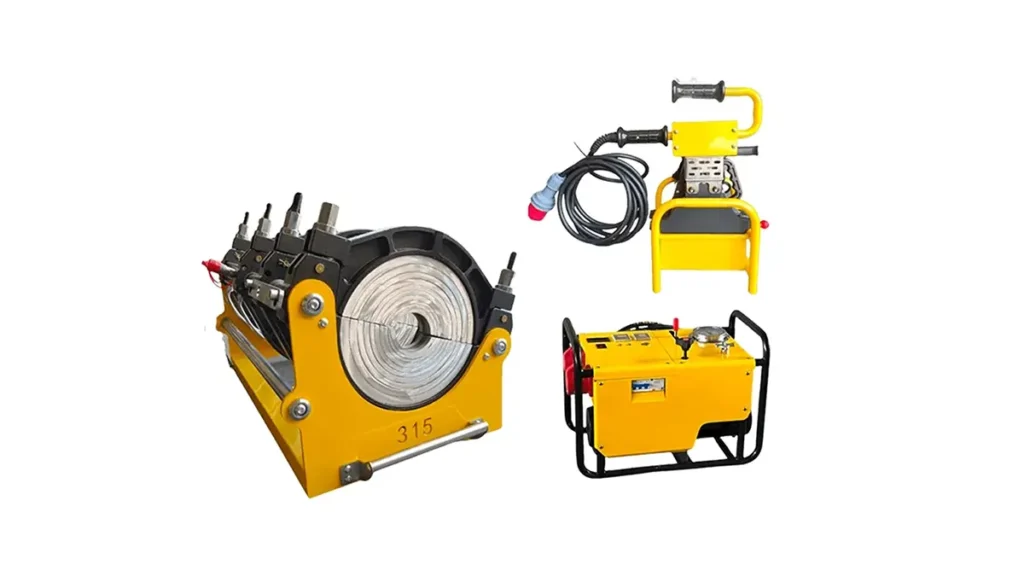
For companies involved in large-scale pipeline installation, the ability to adapt will be a major competitive advantage. This is especially true for contractors handling water supply networks, gas distribution systems, mining pipelines, and industrial transport lines, where weld integrity directly affects long-term safety and operating efficiency. Manufacturers such as JQ-Fusion are already supporting this evolution with advanced butt fusion machine solutions designed for different pipe diameters, project scales, and customization needs.
1. Automation Will Continue to Reshape Welding Workflows
One of the most important trends in pipeline welding is the shift toward automation. Manual work will still have a place on smaller jobs and special installations, but the market is clearly moving toward semi-automatic and fully automatic systems that reduce operator dependence and improve repeatability. Automated welding processes help standardize heating, alignment, pressure control, and cooling times, which are all critical to joint quality.
Key advantage: automation reduces human error, improves consistency, and supports faster output on large pipeline projects.
As labor shortages affect many construction sectors, automation also helps contractors maintain productivity with smaller crews. This trend is especially valuable in remote locations or in projects where long pipeline routes require repeated welds under tight deadlines. Automated equipment can also store welding data, making quality tracing easier for inspections and documentation.
2. Digital Control and Smart Monitoring Will Become Standard
Future welding machines will increasingly include digital interfaces, intelligent sensors, and data logging systems. These features allow welders and project managers to monitor temperature, pressure, alignment, and cycle timing more accurately. Instead of depending only on operator judgment, teams will have access to real-time information that helps them identify problems before they affect the weld.
Digitalization also supports quality assurance in regulated industries. When a project requires full traceability, stored welding records can be reviewed later during audits, maintenance checks, or failure analysis. This is one reason why modern fabrication and pipeline installation teams are investing in equipment that can provide more transparent performance data.
📌 Future-focused welding systems will not only join pipes; they will also document the process, helping teams improve accountability and compliance.
3. Demand for Durable and Energy-Efficient Equipment Will Rise
Another clear trend is the move toward more durable and energy-efficient welding equipment. Pipeline projects often take place in demanding environments, including high heat, cold weather, dusty terrain, and unstable work zones. Machines must perform reliably under these conditions while using power efficiently and minimizing downtime.
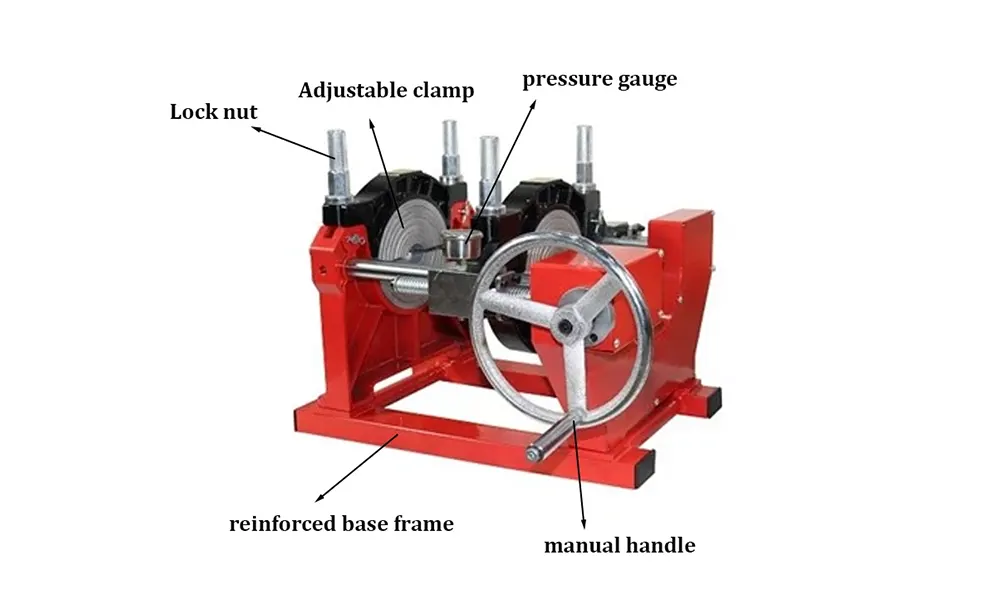
Manufacturers are therefore focusing on stronger frames, more stable hydraulic systems, improved heating components, and better control units. These upgrades extend machine life and reduce maintenance requirements. For contractors, this translates into lower total ownership cost and less disruption during critical project stages.
Energy efficiency is becoming more important as well. As sustainability goals influence industrial purchasing decisions, construction companies are looking for equipment that supports responsible resource use without sacrificing performance. This trend will likely accelerate as more public and private projects emphasize environmental responsibility.
4. Customization Will Be a Major Purchasing Factor
Pipeline construction is rarely one-size-fits-all. Pipe diameters, material types, voltage standards, site layouts, and project codes vary from country to country and even from one job site to another. As a result, the future of pipeline welding equipment will strongly favor customization. Buyers increasingly expect manufacturers to provide tailored configurations rather than standard machines alone.
This includes changes to machine size, clamp range, voltage, branding, color, and operational settings. It also includes project-specific upgrades that improve usability in specialized conditions. Companies with OEM and ODM capabilities will be in a stronger position because they can help clients create equipment that fits local market needs and brand identity.
Important: customized welding equipment is no longer a premium extra; it is becoming a practical requirement for many pipeline contractors and distributors.
5. Quality Standards and Certification Will Matter Even More
As pipeline systems become more complex and safety expectations increase, quality certification will remain central to equipment selection. Contractors want assurance that welding machines meet international standards and can deliver stable results across repeated operations. This is especially important in gas and water infrastructure, where poor weld quality can lead to leaks, service disruptions, and expensive repairs.
Reliable manufacturers are responding by strengthening factory testing and inspection procedures. Important checks include temperature accuracy, hydraulic pressure stability, clamp alignment, and overall machine performance. These controls help reduce the chance of defects and build trust in the final product.
For buyers, certification is more than a marketing point. It is evidence that the equipment has been designed and tested for real-world demands. As procurement teams become more technical, they will likely continue to prioritize products with documented quality credentials and proven field performance.
6. Training and Technical Support Will Become Part of the Product
Future competition in pipeline welding will not be based on equipment alone. Service, training, and technical guidance will play a larger role in purchasing decisions. Even the most advanced machine requires proper setup, operator knowledge, and ongoing maintenance. Buyers increasingly expect suppliers to provide installation guidance, troubleshooting assistance, and after-sales support.
This is particularly important for international projects, where time zones, shipping delays, and language differences can complicate communication. Manufacturers that offer responsive support and practical training resources will help clients reduce downtime and improve project efficiency.
🔧 Professional support will increasingly influence buying decisions, especially for companies managing multiple pipeline sites at the same time.
7. Global Infrastructure Expansion Will Drive Long-Term Demand
The long-term future of pipeline welding is closely linked to global infrastructure expansion. Cities need new water systems, industries need reliable transport lines, and energy networks continue to expand across regions. In many countries, aging infrastructure also needs replacement, creating an ongoing demand for pipeline installation and maintenance work.
As these projects expand, welding equipment must support a wider range of materials, pipe sizes, and installation methods. Contractors working across borders may also need machines that comply with different electrical standards and project specifications. This creates strong demand for versatile platforms that can adapt to international use.
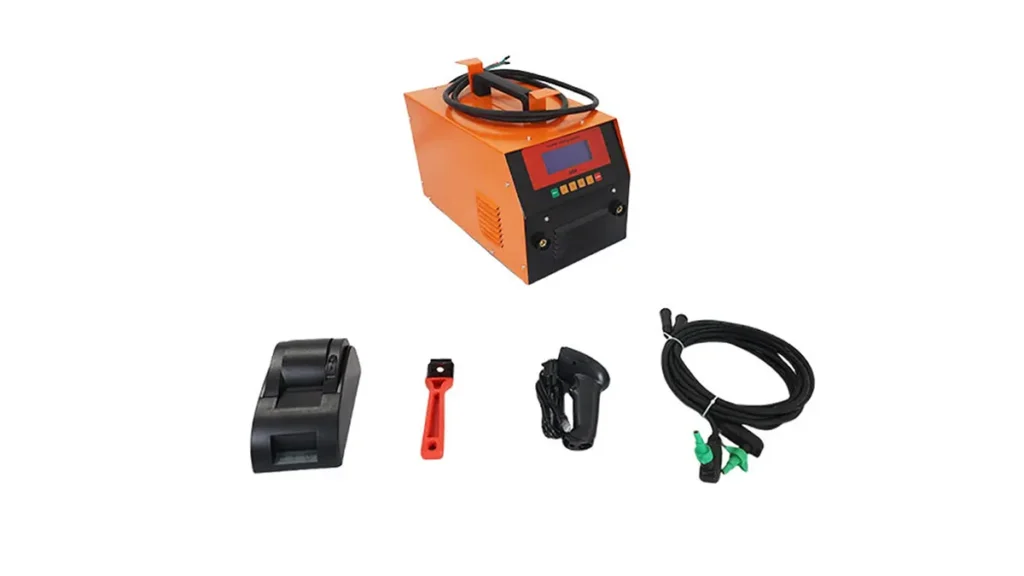
Companies with a broad product portfolio and fast delivery capability will benefit from this trend. Equipment categories such as hydraulic systems, automatic machines, electrofusion units, and multi-angle pipe fitting welders will remain important as project complexity grows.
8. The Role of Supplier Reliability Will Increase
In the future, buyers will pay closer attention to supplier reliability, inventory depth, and delivery speed. Pipeline schedules are often tight, and delays in welding equipment can slow down the entire project. As a result, contractors want partners who can provide stable stock, efficient logistics, and dependable communication.
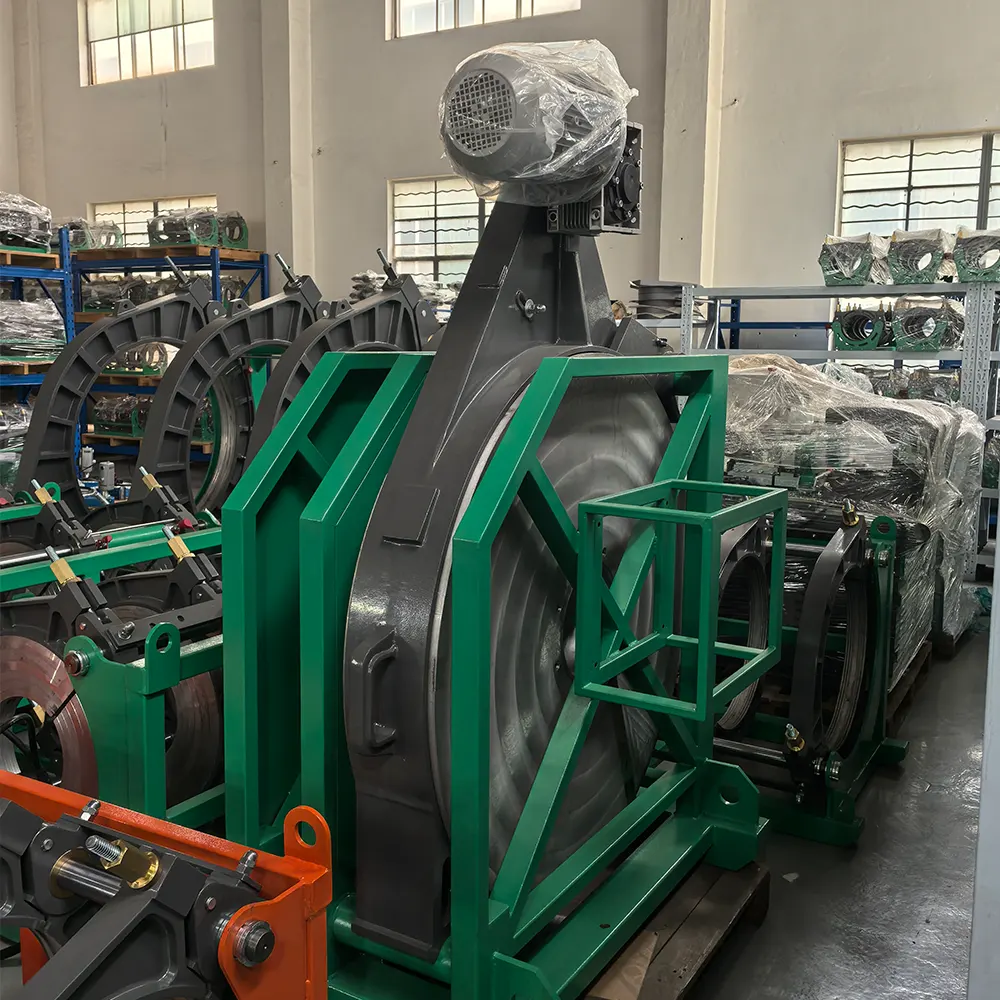
Suppliers with strong manufacturing capability and organized inventory management will have a clear advantage. Large orders, urgent replacements, and customized configurations all require efficient production planning. When suppliers can respond quickly, they help clients maintain momentum and avoid costly idle time.
JQ-Fusion’s focus on manufacturing strength, strict testing, and global support reflects the direction the market is heading. Buyers increasingly want a complete solution, not just a machine.
9. Smarter Material Compatibility Will Expand Application Range
Pipeline welding will also benefit from improved compatibility with different pipe materials and project requirements. While HDPE remains a major focus in many infrastructure projects, the future will likely include broader use cases and more specialized welding methods. Equipment that supports varied applications will be more attractive to contractors serving multiple industries.
That means welding machines must be engineered for flexibility without sacrificing precision. Better thermal control, improved alignment systems, and adaptable clamp designs will help operators handle changing job requirements more effectively. In competitive markets, flexibility often determines whether a machine becomes a long-term asset or a short-term purchase.
10. What Contractors Should Expect Next
Over the next several years, the pipeline welding industry will likely move toward a more connected, more standardized, and more efficient model. Contractors should expect smarter interfaces, better process control, stronger traceability, and higher expectations for equipment durability. At the same time, purchasing decisions will continue to favor vendors that combine manufacturing expertise with responsive service and technical support.
For project owners and distributors, this means choosing a supplier is no longer just a price decision. It is a strategic decision that affects welding quality, project timelines, and long-term operational value. Machines that can deliver stable performance today while adapting to tomorrow’s requirements will define the next era of pipeline installation.
Bottom line: the future of pipeline welding will be shaped by automation, digital intelligence, customization, certification, and dependable supplier support.
FAQs
What is the biggest future trend in pipeline welding?
The biggest trend is automation combined with digital control. These technologies improve consistency, reduce human error, and make quality tracking easier for large projects.
Will manual welding machines disappear?
No. Manual machines will still be used for smaller projects, special installations, and sites where simplicity and portability are important. However, automated systems will continue to grow in popularity.
Why is customization becoming more important?
Because pipeline projects vary widely in pipe size, material, voltage standards, and working conditions. Custom machines help contractors improve efficiency and match local requirements.
How important is after-sales support in welding equipment?
Very important. Technical support, training, and fast service help reduce downtime and ensure the machine performs correctly throughout the project lifecycle.
What should buyers look for in a future-ready welding supplier?
Buyers should look for manufacturing experience, strict quality control, OEM and ODM capability, reliable inventory, fast shipping, certifications, and strong technical support.