
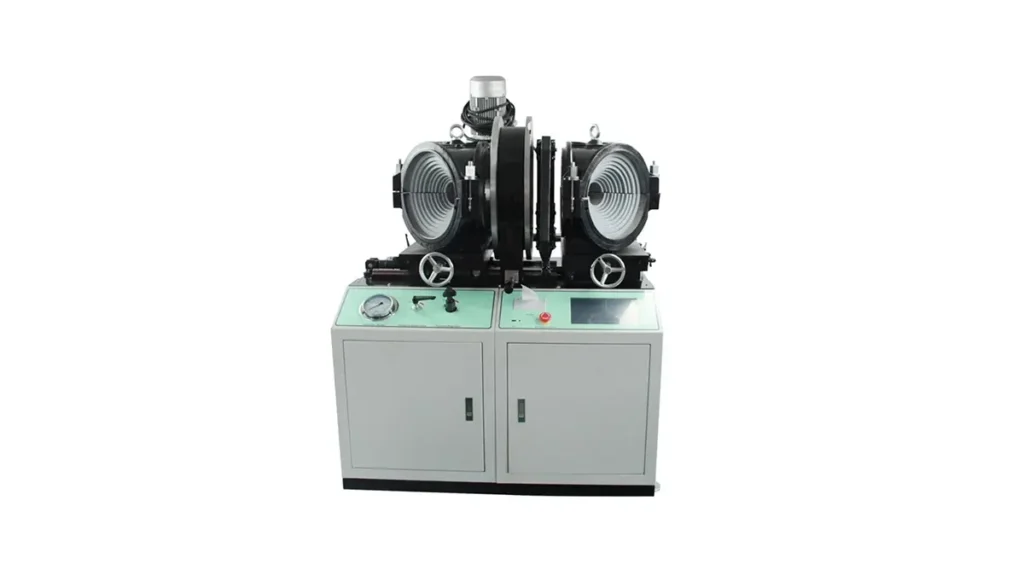
HDPE pipe welding plays a critical role in modern pipeline construction, especially in water supply, gas distribution, mining, and industrial projects where long-term reliability is non-negotiable. However, while the welding process is known for producing strong and leak-resistant joints, it also carries important environmental responsibilities. From energy consumption and material waste to emissions, site management, and long-term pipeline sustainability, every stage of HDPE pipe welding can influence the environment in different ways. Understanding these factors is essential for contractors, project managers, and manufacturers who want to build infrastructure that is not only durable but also environmentally responsible.
One of the most important environmental considerations is the type and efficiency of the welding equipment used. High-quality machines can reduce energy waste, improve temperature control, and minimize defective joints that would otherwise require rework. Rework consumes additional power, materials, and labor, which increases the environmental footprint of the project. For this reason, many pipeline contractors prefer reliable fusion systems such as a butt fusion machine that can maintain stable performance over long periods of operation. Equipment consistency is not just a technical benefit; it is also a sustainability advantage.
Another key factor is energy efficiency during the heating and fusion cycle. HDPE welding requires controlled heat to soften the pipe ends before joining them. If the equipment is poorly calibrated or unstable, it may overheat the material, leading to unnecessary electricity use and possible pipe damage. In contrast, precision-controlled machines help reduce energy consumption by delivering the correct temperature at the right time. This is especially important for large-scale projects where hundreds or thousands of joints may be welded. Even small gains in efficiency can make a meaningful difference in the total environmental impact of the project.
Important environmental principle: a stable welding process helps reduce energy waste, reject rates, and material replacement, making the entire pipeline project more sustainable.
Material waste is another major consideration. In HDPE welding, waste can come from incorrect pipe cuts, misalignment, damaged ends, excessive trimming, or failed welds. When a weld does not meet quality standards, the joint may need to be cut out and redone, resulting in additional plastic waste. Since HDPE is a thermoplastic, the material itself is recyclable in many cases, but recycling is only beneficial when waste is sorted properly and not contaminated by dirt, oil, or other site materials. Good planning, operator training, and precise equipment setup can significantly reduce unnecessary waste from the start.
Site cleanliness also matters. HDPE welding is sensitive to dust, moisture, and debris because contaminants can weaken the fusion joint and create long-term leakage risks. From an environmental point of view, poor joint quality can lead to water loss in supply systems, gas leakage risks, and higher maintenance demands. These issues can create a much larger environmental burden over time than the welding process itself. Therefore, keeping the pipe ends clean, protecting the work area, and maintaining proper alignment are not only quality-control measures, but also environmental protection steps.
Worker training has a direct impact on environmental performance. Skilled technicians are less likely to create defective joints, misuse equipment, or waste energy during operation. Training also improves consistency across different project sites and pipe sizes. This matters because HDPE welding often takes place in varied environmental conditions, including hot deserts, humid coastal areas, remote mines, and urban infrastructure projects. A well-trained team can adapt to these conditions without compromising joint quality or increasing waste. Investing in operator competence is one of the simplest ways to reduce the environmental footprint of welding activities.
Transportation and logistics should also be considered. HDPE pipe welding projects often involve moving machines, pipe sections, and related accessories to remote or scattered sites. Poor logistics planning can increase fuel use, packaging waste, and carbon emissions. Contractors can lower this impact by consolidating shipments, selecting the right machine size for the project, and choosing equipment with durable construction that reduces the need for replacement parts. For international buyers, selecting a manufacturer with reliable global support and efficient delivery can also help reduce delays and unnecessary transport cycles.
Best practice: use the right machine for the pipe diameter and project type. Over-specifying equipment can increase energy use, while under-specifying it can lead to failures and repeat work.
Another environmental issue is emissions. Although HDPE pipe welding itself does not produce the same level of direct emissions as some metal fabrication processes, there can still be indirect emissions from generators, transport vehicles, and auxiliary tools used on site. In remote areas where power supply is limited, diesel generators may be needed to run welding systems, which increases the project’s carbon footprint. Choosing energy-efficient machines, optimizing site schedules, and reducing idle time can help lower these indirect emissions. When possible, using cleaner power sources can further improve environmental performance.
Product lifecycle and durability are also important. One of the environmental advantages of HDPE pipeline systems is their long service life and resistance to corrosion. A properly welded HDPE pipe network can last for decades, reducing the need for replacement and minimizing the consumption of raw materials over time. This long lifespan only delivers full sustainability benefits if the welds are reliable. Poor welding undermines the durability of the entire system and can lead to frequent repairs, which consume additional resources and generate more waste. Long-lasting infrastructure is a core part of sustainable construction.
Manufacturing quality of the welding machine itself should not be ignored. Equipment built with precise machining, stable components, and strict quality control generally performs better and lasts longer. Machines with inconsistent clamp alignment, unstable hydraulic pressure, or inaccurate temperature control can increase the likelihood of defective joints and repeated energy use. A trustworthy manufacturer that provides testing, calibration, and technical guidance helps reduce these risks. Companies with strong engineering capability and comprehensive inspection processes often contribute indirectly to greener project outcomes because their machines support more efficient operations.
Customization can also support environmental goals. Different projects may require different pipe diameters, voltages, control systems, or functional configurations. A machine that is tailored to actual project needs is less likely to be overused or inefficient. For example, a contractor working on municipal water systems may need a different setup than a mining company operating in harsh terrain. Customized equipment improves workflow, reduces downtime, and lowers the chance of unnecessary resource consumption. This is one reason many buyers value OEM and ODM support when sourcing welding systems.
Maintenance practices have a strong influence on sustainability. Well-maintained welding machines run more efficiently, last longer, and are less likely to fail unexpectedly. Regular inspection of heating plates, hydraulic systems, clamps, and control modules can prevent performance drift that would otherwise lead to poor weld quality and wasted materials. In environmental terms, maintenance is a preventive strategy: it protects machine lifespan, reduces replacement frequency, and avoids the environmental cost of additional production and shipping. Routine care is therefore a practical and eco-friendly operational habit.
It is also important to consider end-of-life disposal and recycling. Welding equipment, like all industrial machinery, eventually reaches the point where replacement or upgrade becomes necessary. Responsible disposal helps prevent metal, electrical components, and lubricants from entering landfill streams unnecessarily. Manufacturers and contractors should follow local regulations and prefer recycling or reuse pathways wherever available. Likewise, unused pipe offcuts and packaging should be sorted and handled properly to improve material recovery and reduce site pollution.
Project planning can further reduce environmental impact. Careful scheduling minimizes idle equipment, over-ordering of materials, and repeated site mobilization. Good planning also helps avoid weather-related damage to pipe ends and equipment, which can lead to rework and waste. On large projects, even modest improvements in logistics and coordination can lower fuel use, reduce handling errors, and improve the overall sustainability of the operation. In this sense, environmental responsibility is not only about the welding act itself, but about the entire project system surrounding it.
When selecting a manufacturer, buyers should look for proof of quality assurance, durable construction, and technical support. A supplier with strict testing procedures, international certifications, and responsive after-sales service can help ensure that the equipment performs consistently over time. This is particularly relevant for companies working across multiple countries or in demanding industrial environments. Reliable support reduces downtime, extends machine life, and helps maintain efficient, low-waste welding operations. Manufacturers with strong global experience often provide more than equipment; they provide a more sustainable workflow.
The environmental considerations for HDPE pipe welding are ultimately about precision, reliability, and responsibility. A well-managed welding project reduces energy use, limits material waste, lowers emissions, and supports long service life for pipeline infrastructure. Whether the application is water, gas, mining, or industrial piping, the principles remain the same: use efficient equipment, train operators properly, maintain cleanliness, and plan carefully. In doing so, project teams can achieve both structural performance and environmental stewardship.
For contractors and distributors, choosing dependable equipment and a trusted partner can make a measurable difference. Reliable fusion technology supports not only strong joints but also cleaner and more efficient project execution. As the demand for sustainable infrastructure grows, environmental awareness in HDPE welding will become even more important. The future of pipeline construction will depend on solutions that combine technical quality with lower environmental impact.
Key takeaway: environmental performance in HDPE pipe welding is improved by using efficient machines, reducing defects, minimizing waste, and maintaining reliable long-term pipeline integrity.
Frequently Asked Questions
1. Does HDPE pipe welding create a lot of environmental pollution?
Not directly, but its environmental impact can increase through energy use, rework, transport emissions, and waste if the process is poorly managed.
2. How can welding waste be reduced in HDPE projects?
By using precise equipment, training operators, keeping pipe ends clean, and following proper alignment and heating procedures.
3. Why does machine quality matter for sustainability?
High-quality machines improve temperature stability, reduce failed welds, lower energy consumption, and extend equipment service life.
4. Can HDPE pipeline systems support long-term environmental goals?
Yes. When properly welded, HDPE pipelines are durable, corrosion-resistant, and long-lasting, which reduces replacement needs and resource consumption.
5. What is the most important environmental practice in HDPE welding?
Combining efficient equipment, skilled operation, and good project planning is the most effective way to reduce environmental impact.



