
Water supply projects demand more than just pipes, pumps, and pumps stations. They require dependable joining methods that can stand up to pressure, temperature changes, soil movement, and decades of service. In this context, welding quality is not a minor detail—it is one of the most important factors affecting long-term system performance.
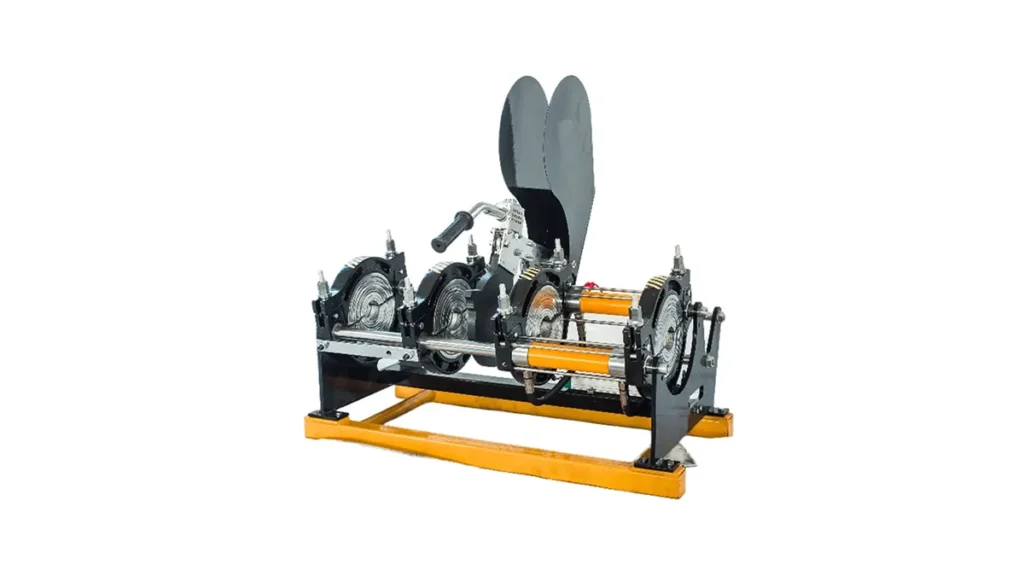
When engineers and contractors evaluate joining methods for HDPE pipeline systems, real-world welding case studies often provide the clearest evidence of what works. These case studies show how installation teams solve on-site challenges, maintain joint integrity, and reduce future maintenance risk. For contractors looking for a proven butt fusion machine, practical project examples can help explain why this method is widely trusted in water supply applications.
Why Welding Case Studies Matter in Water Supply Projects
Water supply infrastructure is often hidden underground, which means once a pipeline is buried, any problem becomes expensive and difficult to fix. That is why project teams rely on welding methods that have a strong track record in the field. Case studies help decision-makers understand not only the technical process, but also the operational outcomes, such as leak prevention, installation speed, and long-term durability.
A good welding case study usually includes pipe diameter, joint preparation standards, fusion temperature control, pressure testing results, and service performance over time. These details allow project owners to compare methods and choose a joining technology that aligns with project requirements. In water supply systems, the most valuable case studies often involve municipal networks, rural drinking water upgrades, industrial water transmission lines, and emergency replacement projects.
Key point: A reliable welding case study is not only about successful installation. It should also show how the joint performed under real operating conditions, including pressure stability, environmental exposure, and long-term leak resistance.
Case Study 1: Municipal HDPE Water Main Replacement
One of the most common applications for welding in water supply projects is the replacement of aging cast iron or PVC mains with HDPE pipe. In a municipal project, a city water department faced frequent leakage along an old transmission line. The original pipeline had been repaired many times, but corrosion and joint failure continued to disrupt service. The solution was to install a continuous HDPE water main using butt fusion welding.
The project team selected fusion welding because it could create a strong, homogeneous joint with no weak gaskets or mechanical connection points along the buried section. By using a calibrated welding process, the contractor completed long pipe runs with consistent joint quality. After pressure testing, the pipeline passed inspection with stable performance and no leakage. Over time, the new line reduced water loss, improved system reliability, and lowered maintenance costs for the municipality.
Result: The city achieved a more durable water main with fewer joints to fail, easier pressure testing, and better long-term reliability.
Case Study 2: Rural Drinking Water Network Expansion
Rural water supply projects often face different challenges from urban ones. Access roads may be limited, installation teams may need to work in remote terrain, and schedules may depend on short weather windows. In one rural drinking water expansion project, contractors needed to connect several villages to a central water source through long-distance HDPE pipelines. The engineering team chose butt fusion welding because it offered high joint strength and consistent sealing for buried lines.
The welding crew worked with pre-cleaned pipe ends, accurate alignment, and controlled heating cycles to ensure each joint met the technical specification. Because the machine setup allowed reliable temperature and pressure control, the team minimized rework and completed the installation on schedule. Villagers benefited from a stable water supply, and the project owner reported strong operational performance during the first years of service.
This type of case study is valuable because it shows that welding quality is not limited to large urban infrastructure. Even in remote areas, a dependable fusion process can provide safe, efficient, and long-lasting water distribution.
What made the project successful?
• Careful joint preparation before every weld
• Stable machine performance during field operation
• Effective training for local installation teams
• Pressure testing that confirmed pipeline integrity
Case Study 3: Industrial Water Transmission for a Manufacturing Plant
Industrial facilities also depend on reliable water systems, especially where production, cooling, or processing requires constant flow. In one manufacturing plant project, the owner needed a high-capacity water transmission line that could support steady operations without frequent shutdowns. The contractor selected HDPE piping and used fusion welding for the main line and branch connections.
The welding case study highlighted how joint consistency directly affected project safety and efficiency. Since the pipeline had to run close to operational equipment, the team needed a joining method that reduced the risk of hidden defects. After installation, the system was tested under working pressure and showed stable results. The plant subsequently benefited from reliable water delivery and lower maintenance interruptions.
Important note: In industrial water projects, the value of fusion welding is not only in strength, but also in helping project owners reduce operational downtime after commissioning.
Case Study 4: Emergency Water Line Repair and Rapid Replacement
Emergency repair projects show another important side of welding performance. When a water line fails unexpectedly, time becomes the most critical factor. In one emergency replacement project, a damaged section of pipeline had caused service interruption to a residential district. The contractor needed to remove the failed segment and install a new line quickly while preserving pressure and quality standards.
Fusion welding proved especially useful because it enabled a strong and efficient field repair without relying on multiple mechanical joints. The crew worked with portable equipment, completed the welds in controlled stages, and restored service faster than anticipated. This case demonstrated that welding is not only a construction solution, but also a practical emergency response method for water supply networks.
What the Best Welding Case Studies Have in Common
Although every water project is different, the strongest welding case studies usually share a few common features. First, they emphasize preparation and process control. Whether the job is large or small, the quality of the final joint depends on how carefully the pipe ends are aligned, cleaned, heated, and fused. Second, they include measurable results such as pressure test success, reduced leakage, or improved service continuity.
Another common factor is equipment reliability. A well-designed welding machine can help operators maintain stable temperature, clamp alignment, and hydraulic pressure. That stability is especially important on water supply projects, where the same pipeline may operate for decades. For contractors, choosing the right equipment can be just as important as choosing the right pipe material.
Operator insight: The best field results usually come from a combination of experienced welders, well-maintained equipment, and clear welding procedures.
How Equipment Choice Influences Project Results
In many successful case studies, the equipment itself plays a central role. A dependable butt fusion setup helps ensure that each joint is formed under controlled conditions. This matters because water supply lines must endure continuous pressure and environmental stress. Poor alignment, unstable heating, or inconsistent pressure can create weak points that later become leaks or failures.
That is why many contractors look for manufacturers with strong production capability, strict quality control, and flexible customization options. For example, a project may need a specific voltage, pipe diameter range, or machine configuration depending on local standards and site conditions. When equipment is tailored to the project, installation becomes more efficient and welding quality becomes easier to manage.
Practical selection checklist
• Confirm the pipe diameter range required by the project
• Check whether the machine supports the local voltage standard
• Evaluate temperature accuracy and hydraulic stability
• Review after-sales technical support and training availability
• Choose equipment that matches site conditions and crew experience
Why JQ-Fusion Is Relevant to Water Supply Projects
Water supply case studies often point to the need for stable, durable, and user-friendly welding equipment. JQ-Fusion focuses on butt fusion solutions for global pipeline projects, including water supply systems, gas distribution networks, mining applications, and industrial installations. With over 20 years of experience, the company offers manual, hydraulic, and CNC automatic butt fusion welding machines for different project sizes and technical requirements.
The company’s manufacturing and quality control practices support the demands seen in real project case studies. Stable welding performance, customizable configurations, strict testing, and global technical support all contribute to better field results. For contractors and distributors, these advantages can make a difference when project deadlines are tight and the cost of failure is high.
Why it matters: In water supply projects, the right welding machine helps turn engineering plans into reliable pipeline systems that perform safely for many years.
Common Questions About Welding Case Studies for Water Supply Projects
1. What is the most important factor in a welding case study?
The most important factor is real performance evidence. A strong case study should show how the welded pipeline performed after installation, including pressure testing, leak resistance, and long-term service behavior.
2. Why is butt fusion widely used in water supply systems?
Butt fusion creates a strong, continuous joint that is well suited to buried HDPE pipelines. It helps reduce leak points and supports long-term reliability in pressurized water networks.
3. Can welding methods be used in both urban and rural water projects?
Yes. Welding is used in municipal upgrades, rural drinking water expansion, industrial systems, and emergency repairs. Its flexibility makes it suitable for many types of water supply projects.
4. What should contractors look for in welding equipment?
Contractors should look for stable temperature control, reliable hydraulic pressure, accurate clamp alignment, strong technical support, and machine specifications that match the pipe and project requirements.
5. How do welding case studies help project owners?
They help project owners understand the practical value of a welding method before committing to it. Case studies reduce uncertainty by showing proven results in similar project environments.
In the end, the best welding case studies for water supply projects are the ones that connect process, equipment, and field performance. They demonstrate how strong welding practices support safer water delivery, lower maintenance needs, and longer pipeline service life. Whether the project is a municipal main replacement, a rural expansion, an industrial line, or an emergency repair, the same principle applies: reliable welding builds reliable infrastructure.



