
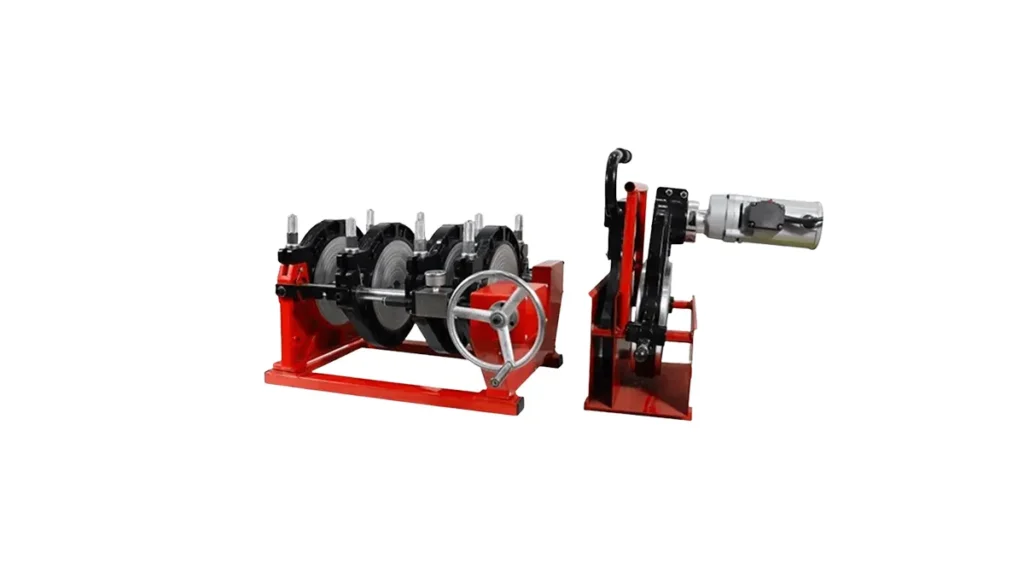
Outdoor pipe welding is a demanding task because the work environment is rarely controlled. Wind, dust, temperature changes, uneven ground, and limited access can all affect the quality of a weld. If you are joining HDPE pipelines for water supply, gas distribution, mining, or industrial infrastructure, the goal is always the same: create a joint that is safe, durable, and consistent. That is why experienced contractors pay close attention not only to the welding process itself, but also to site preparation, machine setup, material handling, and quality inspection.
A strong outdoor weld starts long before the heater plate touches the pipe. Proper alignment, clean pipe ends, and stable equipment are the foundation of long-lasting joints. In real project conditions, using the right butt fusion machine can make a major difference in efficiency and consistency. Whether you are working on a small-diameter line or a large pipeline network, the best welding results come from disciplined procedures and reliable machinery.
1. Prepare the Work Area Before Welding
Outdoor environments can quickly introduce problems if the work zone is not prepared correctly. Before welding, clear away rocks, mud, moisture, and dust from the surrounding area. The pipe ends should remain dry and free from contamination. If the ground is unstable, use leveling supports or temporary platforms to keep the pipe line steady during the fusion cycle.
Key point: A clean and stable workspace reduces alignment errors, prevents joint contamination, and improves weld strength under harsh outdoor conditions.
For windy sites, consider using protective barriers or temporary enclosures. Even though HDPE welding is highly reliable, environmental control still matters. Keeping debris away from the fusion area helps ensure the heater plate and pipe surfaces can form a proper molecular bond.
2. Inspect Pipes and Fittings Carefully
Before starting any weld, inspect the pipe for ovality, scratches, dents, cracks, or storage damage. Outdoor transport and handling can easily affect pipe quality, especially on large projects where materials are moved across rough terrain. Damaged pipe ends may need trimming or replacement before welding begins.
Make sure the pipe specification matches the project requirement. Diameter, SDR, wall thickness, and material grade must all be consistent. Incompatible components can weaken the joint or create unsafe pressure performance later. This is especially important in gas and industrial systems, where safety margins are strict.
If the job includes multiple connection points, organize the pipes in the order they will be fused. This reduces unnecessary handling and helps the operator maintain a smoother workflow. Careful preparation at this stage saves time and lowers the chance of rework.
3. Use the Right Welding Machine for the Project
Not every welding machine is suited for every job. Small maintenance tasks may only require a manual system, while large infrastructure projects often need hydraulic or CNC automatic equipment for better precision and repeatability. Choosing the right machine helps ensure stable pressure, accurate temperature control, and proper alignment.
A professional-grade machine should provide reliable clamp alignment, strong hydraulic performance, and consistent heating. These features are especially important outdoors, where operators must compensate for changing weather and field conditions. For projects with high productivity targets, automation can improve both speed and weld quality.
Many contractors prefer equipment from trusted manufacturers with proven field performance. JQ-Fusion, for example, focuses on HDPE pipe welding solutions for global pipeline work and offers manual, hydraulic, and CNC automatic systems. When the machine is stable, the operator can focus more on process discipline and less on equipment uncertainty.
4. Control Temperature and Timing Precisely
Heat is one of the most important variables in butt fusion welding. If the heater plate temperature is too low, the pipe ends may not fuse completely. If it is too high, the material can degrade and weaken the joint. That is why accurate temperature settings are essential for safe and strong welds.
Tip: Always allow the heater plate to reach the required temperature before starting, and avoid rushing the heating, cooling, or pressure stages.
Timing is just as important as temperature. Each pipe size requires a specific heating time, changeover time, and cooling period. Outdoor conditions such as cold weather or strong wind can influence these stages, so operators should follow the approved procedure for the material and dimensions being welded. Consistency is the secret to dependable performance.
5. Keep Pipe Ends Clean and Properly Aligned
Before fusion, pipe ends must be trimmed, faced, and cleaned so the joining surfaces are smooth and square. Any dirt, grease, or moisture can interfere with the weld. Even a small amount of contamination may reduce bond quality or create weak spots in the joint.
Alignment is another critical factor. If the pipes are offset or not clamped correctly, the weld may experience stress concentrations. These imperfections can become serious problems once the pipeline is pressurized or buried. Use accurate clamp adjustment and verify that both pipe ends are centered before proceeding.
A good operator checks alignment more than once. In outdoor jobs, vibration, wind, and ground movement can shift the setup. Taking a few extra moments to confirm alignment can prevent expensive failures later.
6. Protect Welds from Weather During the Process
Weather is one of the biggest challenges in outdoor pipe welding. Strong wind can cool the heater plate too quickly or blow dust onto the fusion surface. Rain and humidity can introduce moisture, while low temperatures may extend the cooling cycle or change the behavior of the pipe material.
When conditions are difficult, it is better to protect the welding zone instead of forcing a poor setup. Use shade, wind covers, or temporary shelters when needed. These simple measures can significantly improve repeatability and reduce the risk of joint defects.
In very cold environments, store pipe and machine components properly before use. Pre-check the equipment and verify the pipe temperature if the project specification requires it. Stable environmental control leads to stable welding quality.
7. Follow the Correct Fusion Pressure and Cooling Procedure
A strong weld depends on the correct fusion pressure. Too much pressure can cause material to roll excessively and create defects. Too little pressure may prevent proper bonding. Operators should use the recommended pressure values for each pipe size and material type.
After the heating and joining stage, the cooling cycle must not be interrupted. Moving the pipe too early can damage the bond and weaken the weld. This is one of the most common mistakes in field welding, especially when teams are under schedule pressure.
Important: Never reduce cooling time just to speed up production. A joint that has not fully stabilized is not ready for service.
8. Train Operators and Standardize Procedures
Even the best machine cannot compensate for poor operator habits. Outdoor pipe welding requires skill, patience, and repeatable work methods. Teams should be trained to inspect materials, set machine parameters, monitor heating time, and document each weld correctly.
Standardized procedures are especially valuable on large projects with multiple crews. When every operator follows the same process, weld quality becomes more predictable. Training should include practical demonstrations, safety awareness, and troubleshooting for real field conditions.
Manufacturers that provide technical support and training can also help teams reduce errors. This is one reason many contractors value suppliers with strong global service capability, fast response, and clear guidance on machine use.
9. Perform Inspection After Every Weld
Inspection is the final safeguard for quality. After each weld, check the bead appearance, symmetry, and overall consistency. A properly fused joint should show even formation and no obvious signs of contamination or misalignment. Visual inspection is the first step, but many projects also require documented quality checks.
For critical systems such as gas distribution or industrial lines, the weld record should include machine settings, operator identity, material information, and time logs. This creates traceability and helps project managers verify compliance with specifications.
When a defect is discovered, investigate the cause immediately. Repeated issues often point to one of a few root problems: dirty surfaces, incorrect pressure, poor alignment, or unstable weather. Fast corrective action keeps the project on schedule and protects long-term pipeline safety.
10. Choose Equipment and Support That Fit Real-World Projects
Outdoor pipe welding is not only about technical ability; it is also about selecting tools that can perform reliably in the field. Contractors often need equipment that is durable, easy to transport, and adaptable to different pipe sizes. A good supplier should also offer customization, fast delivery, and responsive technical support.
JQ-Fusion specializes in butt fusion solutions for HDPE pipeline applications and supports a range of products, including hydraulic butt fusion welding machines, automatic butt fusion welding machines, electrofusion welding machines, and multi-angle pipe fitting welding machines. With over 20 years of industry experience, the company serves projects in water supply, gas distribution, mining, and industrial pipeline installation. Their manufacturing process also includes quality control checks such as temperature accuracy, hydraulic stability, and clamp alignment inspection.
For companies that need dependable performance, OEM and ODM flexibility, and global logistics support, this combination of product quality and service can be a major advantage. In outdoor welding, dependable equipment is not a luxury; it is a practical necessity.
Common Questions
Q1: What is the biggest risk in outdoor pipe welding?
The biggest risk is usually environmental contamination or poor process control. Wind, dust, moisture, and unstable pipe alignment can all reduce weld quality if the work area is not properly prepared.
Q2: Why is temperature control so important?
Correct temperature ensures the pipe surfaces soften and fuse properly without overheating. If the heat level is wrong, the joint may become weak or damaged.
Q3: Can outdoor welding be done in bad weather?
Yes, but only with proper protection. Wind barriers, shelters, and careful material handling help reduce weather-related problems. In extreme conditions, work should be paused if quality cannot be guaranteed.
Q4: How do I know if a weld is strong enough?
A strong weld usually shows even bead formation, good alignment, and no visible defects. For critical systems, additional inspection and testing may be required by project standards.
Q5: What machine type is best for large outdoor projects?
Hydraulic or CNC automatic machines are often preferred for larger projects because they provide more stable pressure control, better repeatability, and higher productivity in field conditions.



