
Welding equipment failure can halt projects, increase costs, and create safety hazards. This guide explains practical, SEO-focused prevention measures, essential maintenance steps, and safety tips to keep butt fusion and HDPE pipe welding machines performing reliably on-site. Use these recommendations to reduce downtime, extend machine life, and improve weld quality.
Common Causes of Welding Equipment Failure
Mechanical wear, poor alignment, contaminated heating plates, electrical faults, and operator error are the most frequent culprits. Environmental factors like dust, moisture, and extreme temperatures accelerate component degradation. Recognizing common failure modes early helps you prioritize inspections and corrective actions.
Typical symptoms to watch for
Unstable temperature readings, inconsistent pressure during fusion cycles, strange noises from drive units, slow hydraulic response, and irregular clamp jaw movement often signal developing problems. Logging these symptoms supports faster diagnosis and targeted maintenance.
Daily Pre-Use Inspections
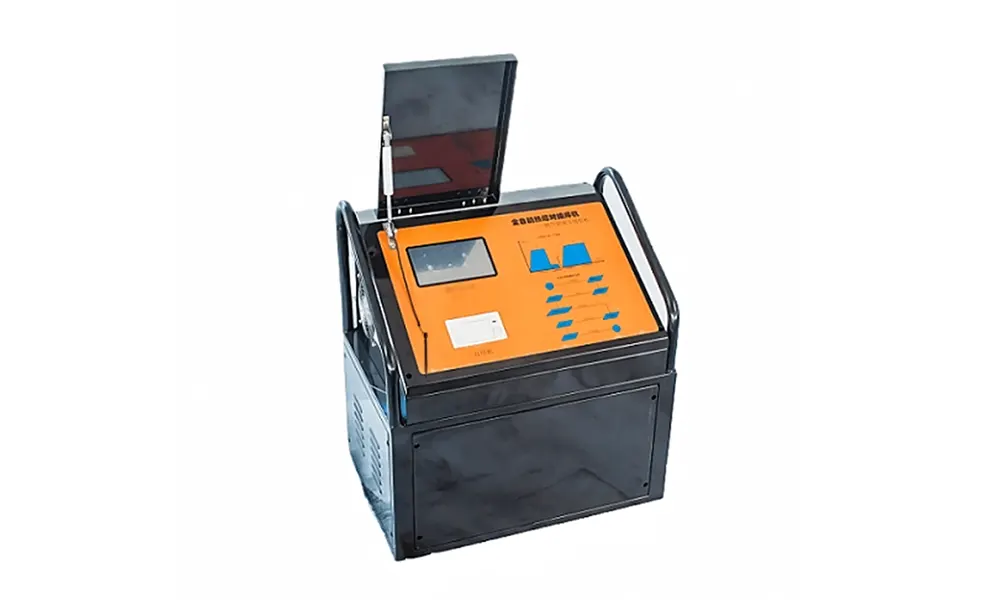
Before each shift, conduct a concise, standardized walkaround. Check for loose fasteners, visible hydraulic oil leaks, clean heating plate surfaces, and secure electrical connections. Confirm emergency stops and safety guards function properly. Record inspection results in a simple log to spot trends over time.
Key checks every day
Verify heater plate cleanliness, confirm alignment of clamps, test pressure gauges, inspect cables for abrasion, and ensure trimmers and chippers are free-moving. Never operate machines with obvious mechanical or electrical damage.
Scheduled Preventive Maintenance
Implement a maintenance calendar that includes weekly, monthly, and annual tasks. Preventive servicing reduces unexpected breakdowns and maintains welding consistency. Use manufacturer recommendations as a baseline and adapt frequency based on site conditions and usage intensity.
| Frequency | Task | Why it matters |
|---|---|---|
| Daily | Visual inspection, heater plate cleaning | Prevents contamination and poor welds |
| Weekly | Hydraulic fluid level, clamp lubrication | Maintains pressure and movement smoothness |
| Monthly | Electrical connections, heater calibration | Ensures accurate temperature control |
| Annually | Full system service and parts inspection | Extends machine life and prevents major failures |
Operator Training and Competency
Well-trained operators are the first line of defense against equipment failure. Provide structured training on machine controls, correct fusion cycles, and routine maintenance tasks. Retraining after incidents and quarterly refresher sessions help maintain skills and ensure safety compliance.
Training best practices
Use practical, hands-on modules, clear SOP documents, and simple checklists. Encourage operators to log any anomalies and to follow lockout/tagout procedures for repairs. Consistent procedures reduce variability and the chance of operator-induced failures.
Environmental and Site Controls
Protect equipment from dust, water ingress, and corrosive conditions. If the site is exposed to wind or temperature extremes, use portable shelters or heating to stabilize the working environment. Proper storage of heaters and control units reduces electrical faults and corrosion.
Spare Parts, Consumables, and Inventory Management
Maintain a basic inventory of critical spare parts: heater plates, cartridge heaters, pressure sensors, seals, and hydraulic hoses. A small, well-managed stock reduces repair lead time. Track part usage and reorder before stocks run low.
Quick troubleshooting tips
If the machine shows temperature drift, check the thermocouple, controller settings, and heater contact surfaces. For hydraulic slowness, inspect fluid level, filters, and pump condition. Address small issues promptly—delaying repairs often leads to larger failures.
Safety Tips to Prevent Accidents
Follow PPE rules, secure loose clothing, and ensure guards are in place before operation. Implement lockout/tagout for maintenance. Never bypass safety interlocks, and keep a clear area around the machine to prevent slips, trips, and unauthorized access.
Documentation and Quality Control
Use weld logs, digital readings, and photographic records for each fusion. Consistent documentation helps verify weld integrity and supports warranty claims if equipment fails prematurely. Calibration certificates for temperature controllers and pressure gauges are essential for traceability.
When to Escalate to Service Engineers
Escalate if you detect repeated electrical faults, hydraulic pump failures, or structural frame deformation. Complex controller errors or multi-component failures should be handled by certified technicians to avoid compounding damage.
About JQ-Fusion
JQ-Fusion is a professional manufacturer specializing in HDPE pipe welding machines and reliable butt fusion solutions for infrastructure projects worldwide. For tailored maintenance plans or spare parts for automatic, hydraulic, or manual butt fusion machines, contact the manufacturer directly via their website.



