
Electrofusion fitting welding machines have become essential for reliable HDPE pipeline installations. This guide explains how to choose a smart electrofusion unit that balances accuracy, portability, and long-term value — whether you’re installing distribution mains, service laterals, or industrial lines.
Why Smart Electrofusion Machines Matter
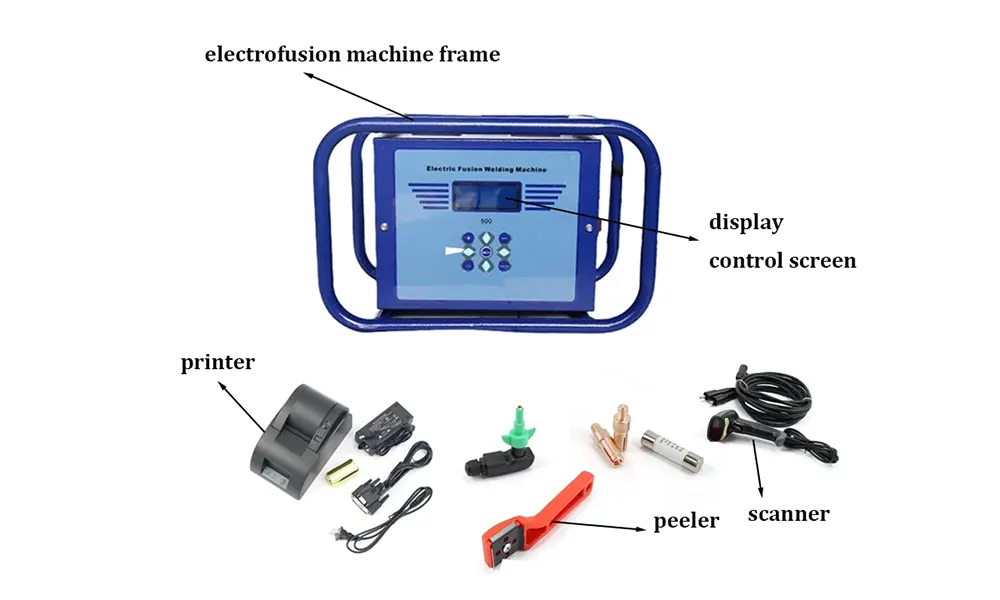
Modern electrofusion machines combine precise current control, digital process logging, and safety features to ensure consistent joints. For contractors and utilities, a smart machine reduces rework, speeds up inspection, and improves overall pipeline integrity.
Core Features to Look For
Automatic weld programs: Look for models that automatically read fitting codes or allow manual program selection for different coupling types. This reduces operator error and ensures repeatable cycles.
Digital logging and traceability: Built-in memory or USB export for weld reports helps with quality assurance and regulatory compliance.
Power flexibility: Machines that support a wide voltage range and stable output perform better on remote sites with variable power sources.
Portability and durability: Rugged casings, IP-rated protection, and manageable weight matter if jobs require frequent movement between urban and rural worksites.
Safety & Compliance
Ensure the machine includes over-current protection, short-circuit detection, and clear status indicators. Compliance with regional standards (ISO, ASTM, or local utility codes) is crucial for acceptance by inspectors and clients.
Quick Comparison — Typical Electrofusion Models
| Model | Pipe Range | Control | Key Benefit |
|---|---|---|---|
| JQEB Electrofusion | 20–315 mm | Auto & Manual | Compact, ideal for service lines |
| JQEA Advanced | 63–800 mm | Touchscreen, Logging | High traceability for utility projects |
| JQEA Heavy Duty | 200–1600 mm | Remote control & Sync | Large diameter & industrial use |
Site Considerations: Power, Climate & Workflow
Assess typical jobsite conditions. In hot or cold climates choose equipment rated for those temperatures and with reliable battery options. For projects with limited power, machines with energy-efficient weld programs and battery operation will minimize downtime.
Operator Training & Support
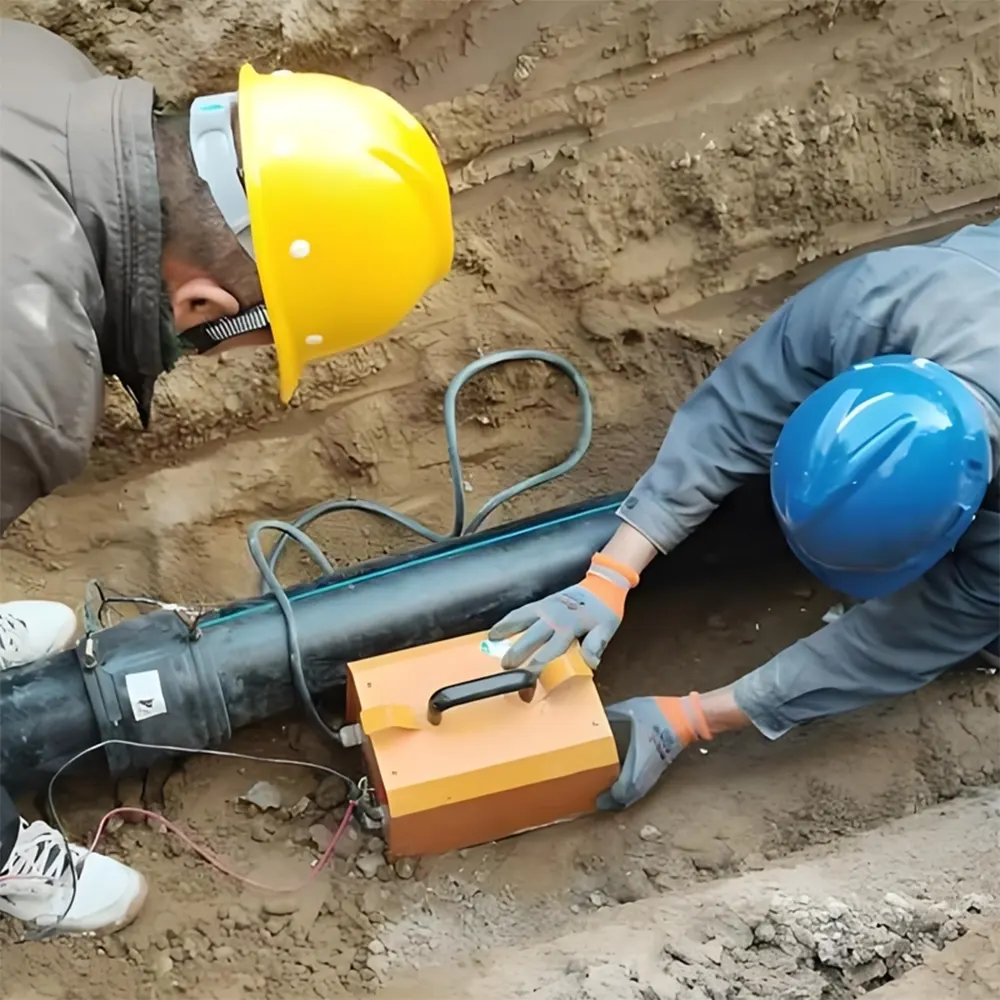
Smart machines are easiest to leverage with basic operator training on program selection, fitting preparation, and weld validation. Choose vendors offering clear manuals, responsive technical support, and firmware updates to keep equipment current.
Maintenance Tips
Regularly verify cable integrity, connectors, and firmware. Calibrate sensors when recommended and archive weld logs for traceability. Routine care extends machine life and preserves weld quality.
Buying Checklist
Before purchase, confirm: weld range vs. your project pipe sizes; data logging format; power requirements; warranty & spare parts availability; and compliance with project standards. Prioritize machines that reduce human error and simplify audits.
About JQ-Fusion: JQ-Fusion is a professional manufacturer specializing in HDPE pipe welding machines, providing reliable butt fusion and electrofusion solutions for global infrastructure projects. Learn more at https://jq-fusionwelding.com/



