
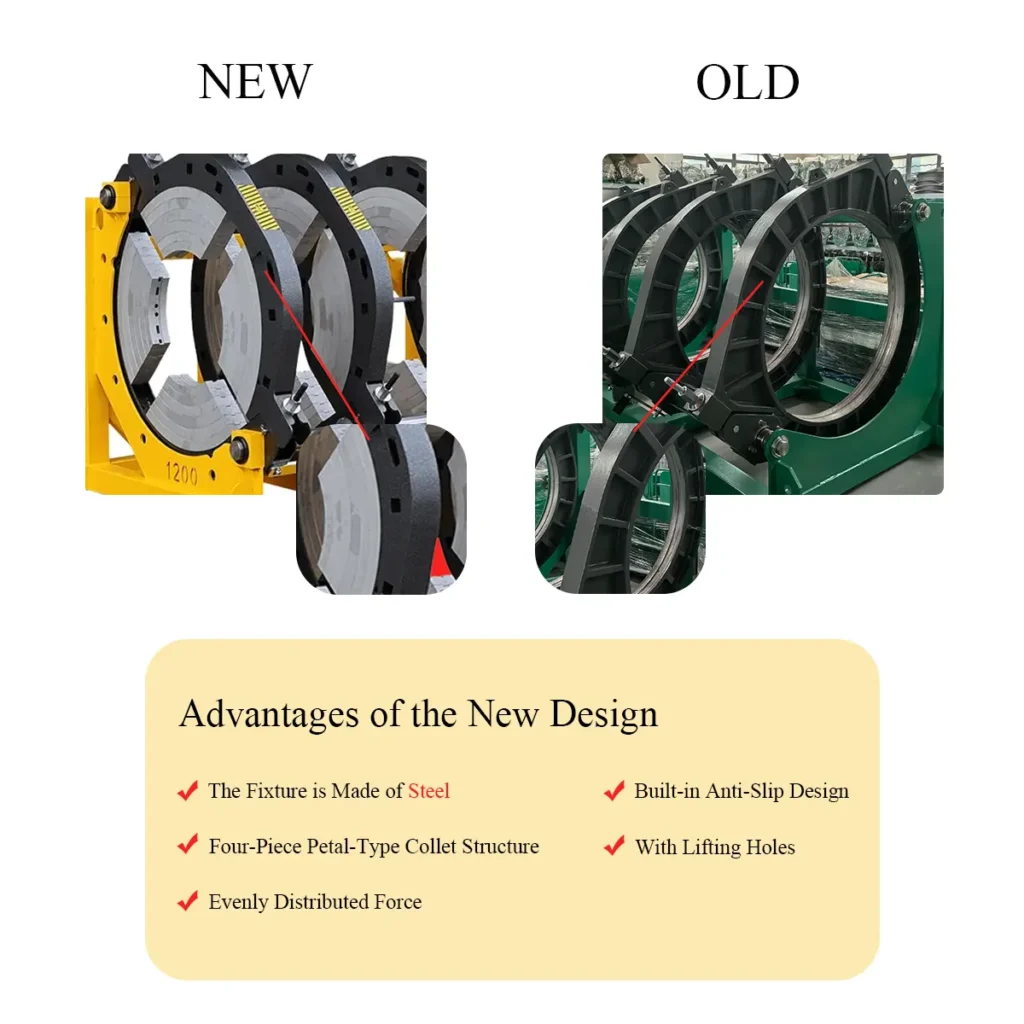
Polyethylene welding machines are the backbone of modern HDPE pipeline construction. Whether you are working on municipal water networks, gas distribution, mining infrastructure, or industrial fluid systems, choosing the right supplier and equipment ensures durable joints, efficient installation, and long-term network reliability.
Why Choose a Professional Polyethylene Welding Machine Supplier
A trusted supplier delivers more than a machine. Look for a partner that offers consistent quality, compliance with international welding standards, and responsive technical support. Key benefits include:
- Proven machine reliability — reduces rework and downtime on-site.
- Wide product range — from compact manual units to large CNC automatic butt fusion welders.
- Spare parts and service availability — crucial for long-term projects.
- Training and operational guidance to ensure correct welding procedures and safety.
Types of HDPE Welding Machines
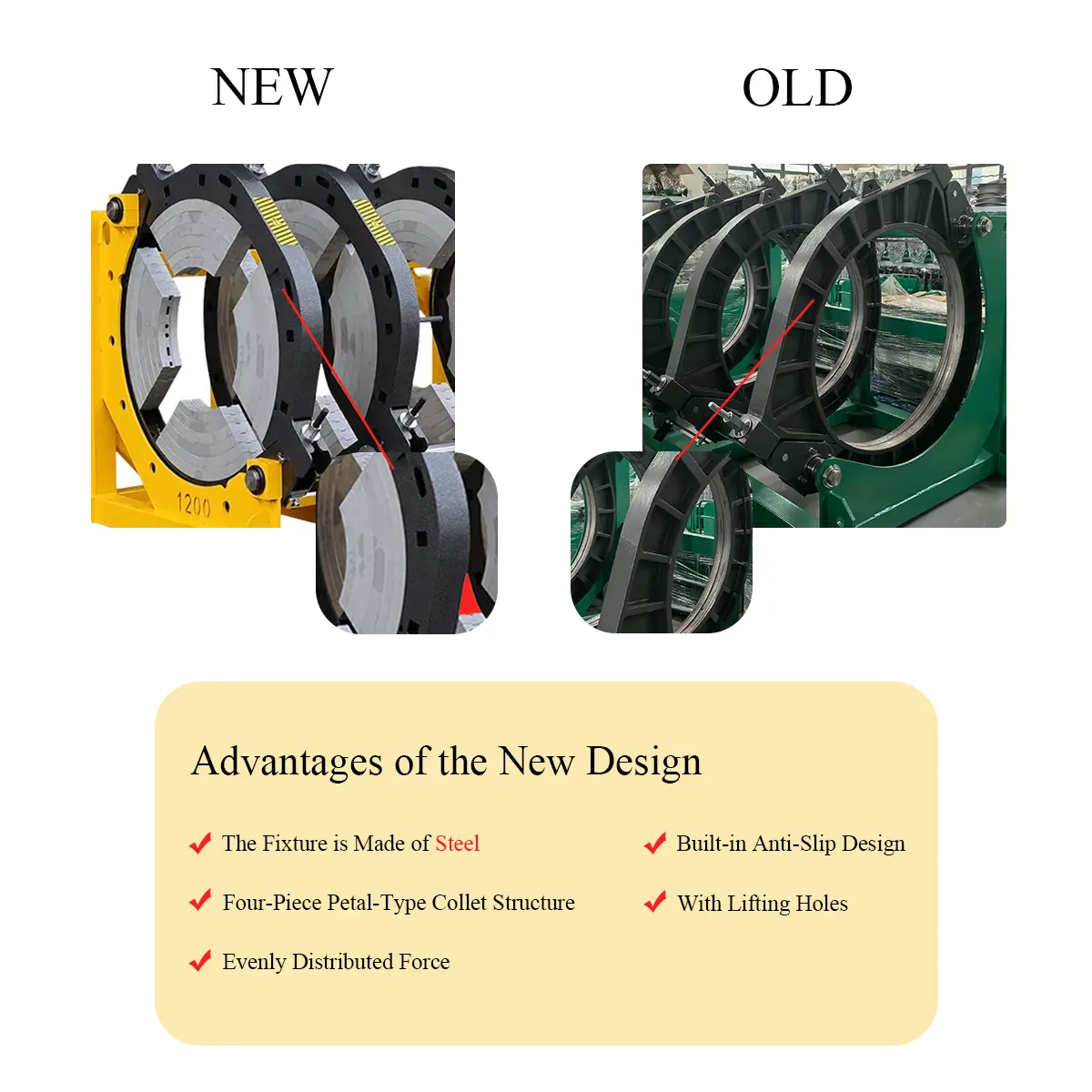
Selecting the correct welding method depends on pipe size, job mobility, and automation needs. Main types include:
- Manual butt fusion machines — compact, cost-effective for small-diameter pipes and repair work.
- Hydraulic butt fusion machines — ideal for medium to large diameters, offering stable pressure and consistent welds.
- Automatic/CNC butt fusion machines — designed for high-volume projects, provide precise control, data logging, and repeatability.
Key Selection Criteria for Industrial Pipe Welding Equipment
Evaluate machines against project-specific metrics to ensure performance and ROI:
- Pipe diameter range — confirm the machine covers the minimum and maximum sizes you will weld.
- Power source and portability — consider battery, diesel, or mains power for remote sites.
- Control and monitoring features — temperature, pressure, and weld cycle automation improve consistency.
- Compliance with PE welding standards (ISO/ASTM best practices) and local regulations.
- Service network and spare parts lead time — important for minimizing downtime.
Model Comparison at a Glance
| Model | Type | Pipe Range | Power | Best For |
|---|---|---|---|---|
| JQSY-2M | Manual | 20–160mm | Portable | Repairs & small projects |
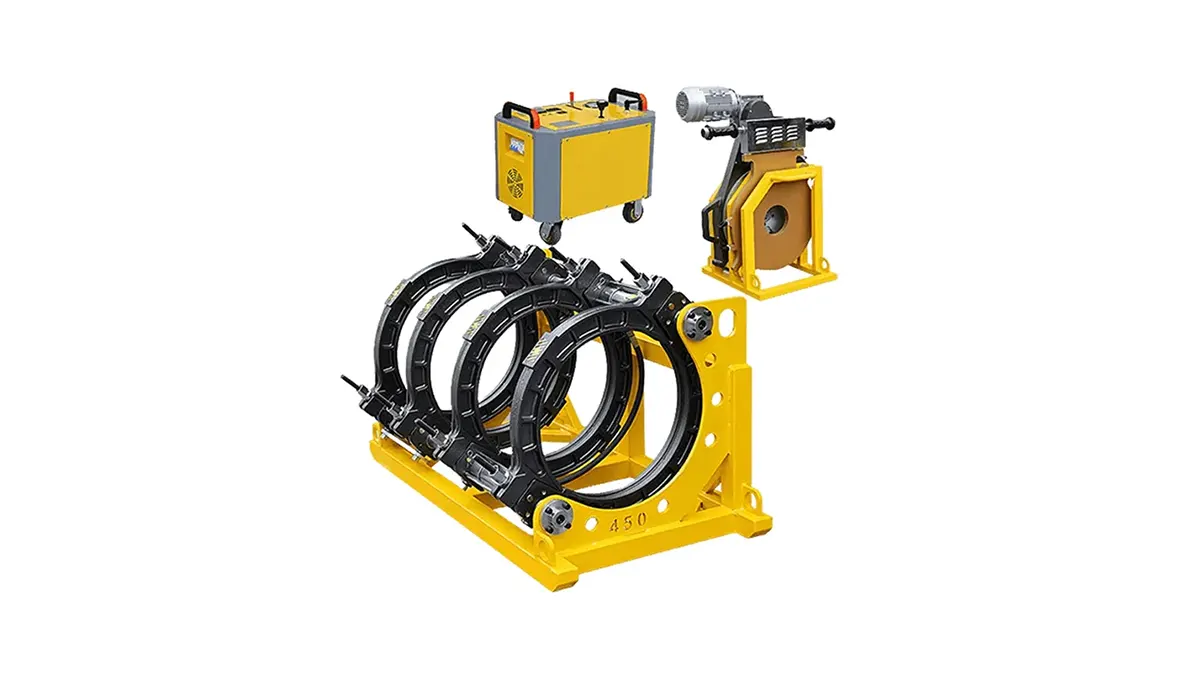
| JQH450 | Hydraulic | 63–450mm | Hydraulic unit | Medium pipelines |
| JQA630 | Automatic / CNC | 200–630mm | Electric | Large infrastructure |
Installation, Operation and Maintenance Tips
Proper setup and routine maintenance protect welding quality and machine life:
- Follow manufacturer alignment and clamping procedures to avoid weld defects.
- Regularly calibrate temperature controllers and pressure gauges.
- Keep heating plates clean and store them flat to preserve surface integrity.
- Schedule preventive maintenance for hydraulic systems and electrical controls.
- Document weld data for quality assurance on critical projects.
Applications and Industry Use Cases
Polyethylene welding machines are widely used across sectors:
- Municipal water and wastewater networks
- Natural gas and LPG distribution systems
- Mining slurry and tailings pipelines
- Industrial chemical and process piping
- Agricultural irrigation networks
Warranty, Certification & After-Sales Support
Prioritize suppliers who back machines with clear warranty terms, provide training resources, and can deliver certified welding procedures to meet project specifications.
For reliable butt fusion solutions and a broad selection of HDPE welding machines, consider JQ-Fusion — a manufacturer focused on manual, hydraulic, and CNC automatic butt fusion welding machines for global infrastructure projects. Visit https://jq-fusionwelding.com/ to explore models and support options.



