
Plastic pipe heat fusion is a proven method for joining thermoplastic pipes—especially HDPE and PP—for water, gas, mining, and industrial pipelines. This step-by-step guide explains the essential equipment, surface preparation, heating and fusion stages, and quality checks to create reliable piping systems using butt fusion and electrofusion techniques.
Essential Tools & Equipment
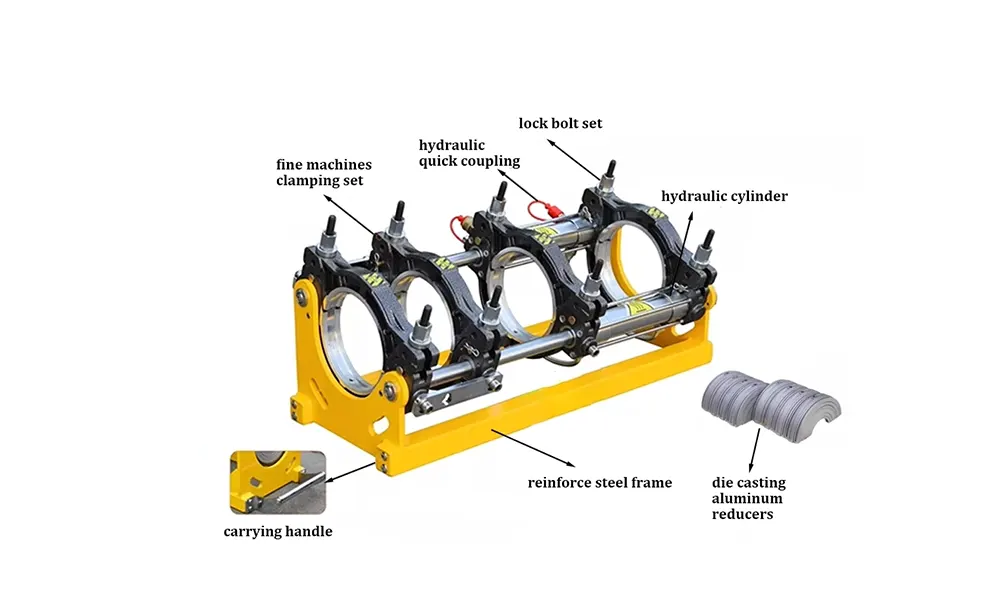
Required items: heating plate or electrofusion unit, pipe alignment clamps, facing tool/trimmer, calibrated fusion machine (manual, hydraulic, or automatic), thermometer or control unit, marking tools, and safety gear (gloves, goggles).
The right machine selection depends on pipe diameter and jobsite conditions. For larger diameter HDPE, hydraulic or CNC automatic butt fusion machines improve consistency and reduce human error.
Pre-Installation Site Checks
Confirm the work area is level, clean, and free of contamination. Check ambient temperature and wind conditions—extreme cold or dust will affect heating and fusion integrity. Verify material compatibility (pipe SDR, material grade) and review the fusion procedure specification (FPS) or manufacturer guidelines.
Pipe Preparation & Alignment
Cut pipe ends square and inspect for damage. Use a facing tool to remove oxide layers and produce a flat, uniform surface. Clean both surfaces with a lint-free cloth. Proper alignment in clamps prevents eccentricity and ensures full contact during fusion.
Key alignment tips
-
Center axes using adjustable clamps; avoid lateral or angular misalignment.
-
Maintain the specified gap or contact as per the fusion schedule.
Heating (Butt Fusion) — Controlled Steps
Heating uses a hot plate inserted between prepared pipe ends. Follow the specified temperature and heating time for pipe material and diameter. Typical HDPE heating temperatures range from 200°C to 240°C but always use the approved FPS values.
| Parameter | Common Range / Notes |
|---|---|
| Pipe Diameter | 20 mm – 2250 mm (machine dependent) |
| Heating Plate Temperature | 200°C–240°C (follow manufacturer FPS) |
| Heating Time | Depends on SDR & diameter; use recommended time tables |
| Fusion Pressure | Controlled by machine settings and pipe OD |
Butt Fusion Sequence
Follow these steps methodically to reduce defects and ensure repeatable results.
1. Set up and secure
Mount pipes in the clamp assembly and lock alignment. Ensure facing tools and heating plate are clean and correctly fitted.
2. Facing
Face both pipe ends until smooth and square. Remove swarf and debris from surfaces and the surrounding area.
3. Heating
Bring the hot plate to target temperature and press it between the pipes under light pressure. Monitor temperature and time precisely.
4. Fusion (Joining)
Remove the plate and quickly bring pipe ends together under the correct fusion pressure. Hold until the initial cooling period completes to avoid displacement.
5. Cooling
Allow the joint to cool under restraint for the full specified time; do not disturb or apply mechanical loads prematurely.
Electrofusion Overview
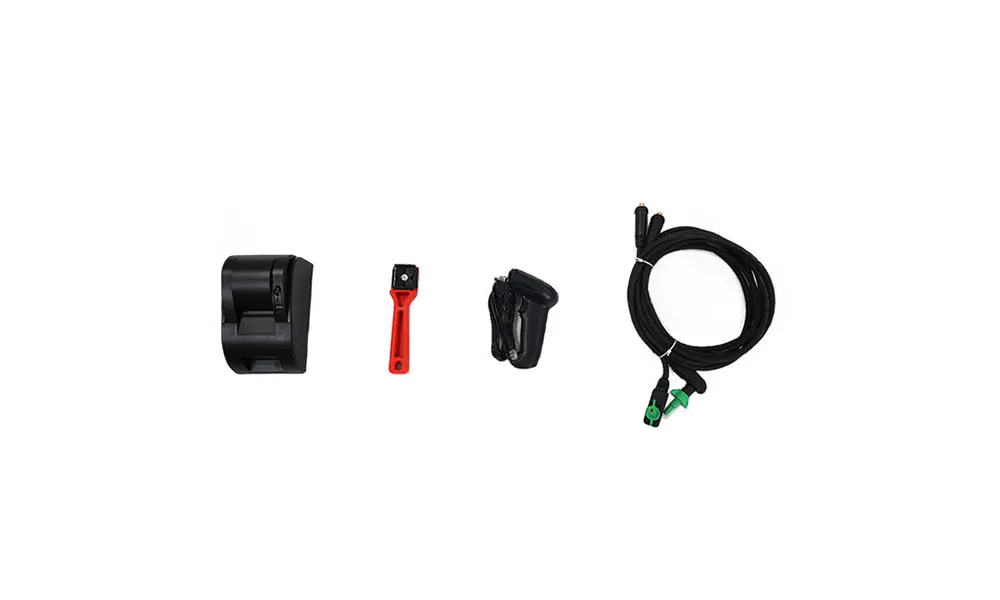
Electrofusion uses fittings with embedded heating coils and a dedicated electrofusion unit to apply controlled current. It is ideal for repair, tapping, or connecting complex fittings without large fusion machines. Ensure correct fusion parameters from the fitting supplier and use the unit’s data logging when available.
Quality Control & Testing
Perform visual inspection of the bead symmetry and uniformity. Non-destructive tests like hydrostatic pressure testing and ultrasonic inspection can validate joint integrity for high-risk lines. Record fusion parameters (temperature, pressure, time) for traceability.
Common Defects to Watch
-
Cold Welds: Caused by insufficient heat or short heating time.
-
Excessive Flash: Often due to too much pressure or overheating.
-
Misalignment and incomplete facing lead to weak joints—re-face and re-align if necessary.
Safety & Best Practices
Always wear PPE and follow electrical safety when using electrofusion units. Keep heating surfaces covered when not in use. Train operators on machine controls and emergency shutdown procedures. Use tracable fusion logs to identify trends and prevent repeated faults.
Maintenance & Machine Care
Clean heating plates and clamps after each shift, check hydraulic lines for leaks, and calibrate temperature sensors periodically. Proper storage of tools and spares reduces downtime and extends equipment life.
Who Can Benefit
Contractors, municipal utility crews, gas distribution teams, and pipeline fabricators will benefit from standardized heat fusion procedures that improve joint reliability and reduce rework. For machinery and tailored fusion solutions, consider manufacturers experienced in HDPE welding equipment such as JQ-Fusion.



