
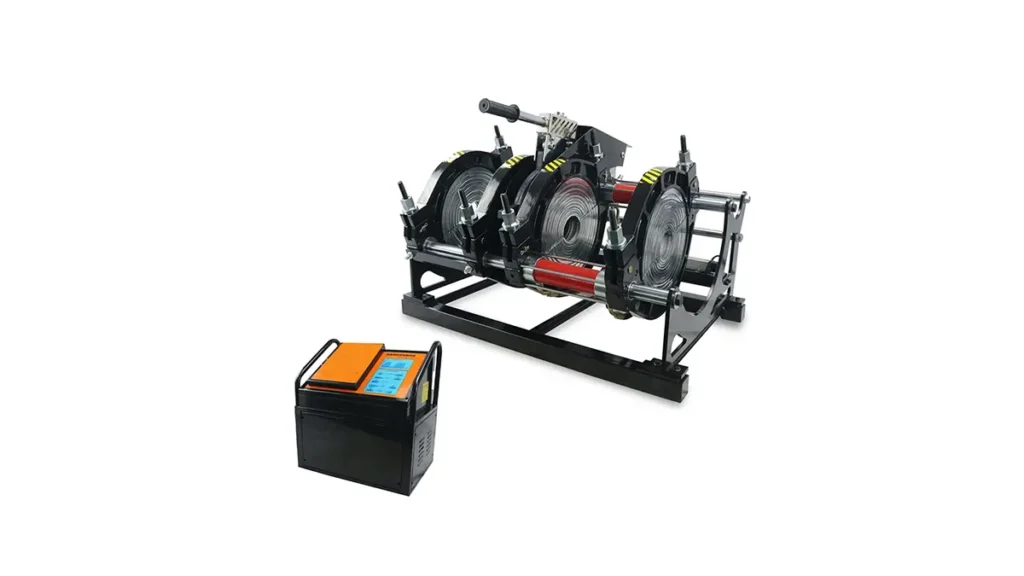
Pipeline projects are increasingly adopting automation to boost productivity, improve weld quality, and enhance onsite safety. Upgrading from manual butt fusion to semi- or fully-automated welding systems delivers measurable gains across schedule, cost, and compliance metrics. This guide outlines a practical upgrade path to modern pipeline welding technology with actionable steps, key metrics, and procurement guidance.
Why Upgrade to Automated Pipeline Welding?
Faster cycles: Automated butt fusion machines and CNC controllers shorten heat, join, and cool cycles, reducing per-joint time by up to 40–60% compared to manual processes.
Consistent weld quality: Precise pressure and temperature control lowers defect rates and rework, improving long-term pipeline reliability.
Improved safety: Reduced manual handling and repeatable automated sequences cut operator exposure to hot surfaces and pinch points.
Key Automation Technologies to Consider
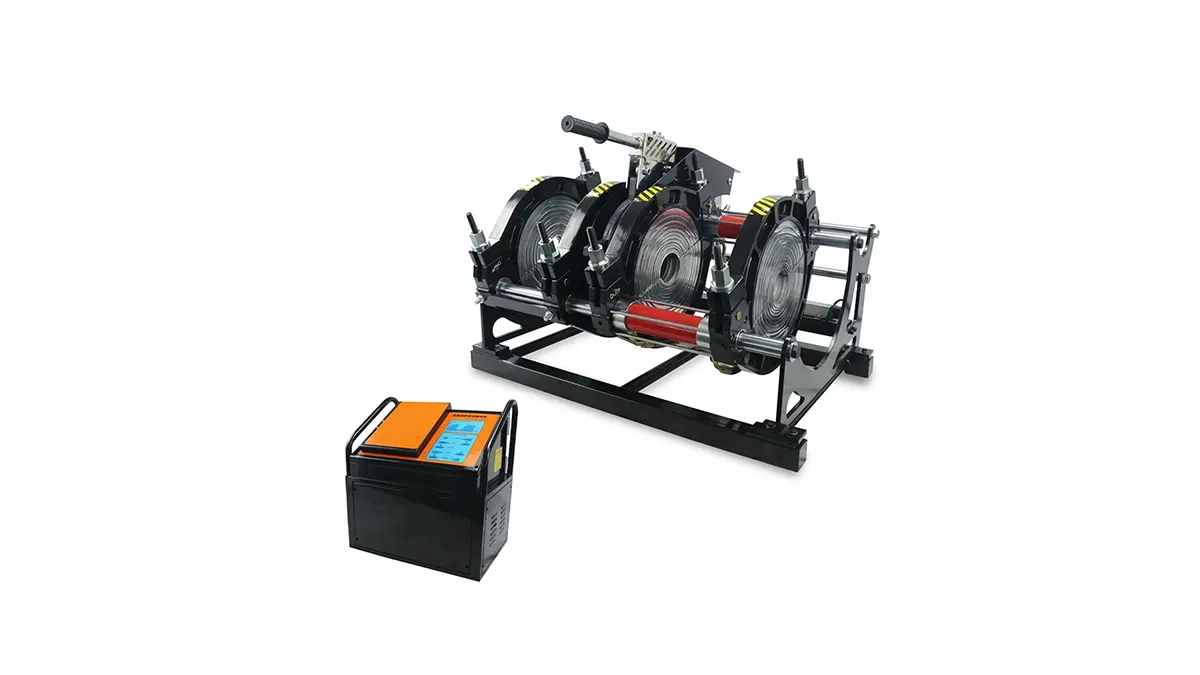
CNC automatic butt fusion units — automatic control of alignment, heating, pressure and timing for repeatable joints.
Hydraulic power packs — provide consistent clamping and fusion force for large-diameter pipes.
Integrated sensors & data logging — real-time temperature, pressure and displacement logs for QA/QC and traceability.
Remote monitoring & IoT — cloud-based dashboards to track multiple crews and analyze weld trends across projects.
Step-by-Step Upgrade Path
1. Baseline assessment: Audit your current fleet, weld cycle times, defect rates, and operator skill levels.
2. Pilot an automated solution: Test a machine with data-logging and CNC control on a representative project segment.
3. Define QA protocols: Implement digital weld records, acceptance criteria, and traceability requirements before scale-up.
4. Train operators & supervisors: Combine classroom instruction with hands-on sessions; certify crews on new machine interfaces and safety checks.
5. Scale and integrate: Roll out machines fleet-wide, link reports to project management systems, and refine maintenance plans.
Performance Metrics to Track
|
Metric |
Manual Baseline |
Automated Target |
Expected Improvement |
|---|---|---|---|
|
Average weld cycle time |
45–60 minutes |
18–30 minutes |
40–60% |
|
Weld defect / rework rate |
1.5–4% |
0.2–1% |
Up to 80% reduction |
|
Operator labor hours per km |
120–180 hrs |
60–100 hrs |
30–50% |
|
QA documentation completeness |
60–80% |
98–100% |
Significant |
Quality Control & Safety Enhancements
Automated parameter control enforces correct heating temperatures and pressure profiles for each PE compound and wall thickness, reducing human error.
Digital weld records provide timestamped logs that simplify audits, warranty claims, and regulatory reporting.
Built-in safety interlocks and pressure-limited hydraulics reduce the risk of clamp failures, while remote start/stop features limit close-proximity exposure.

Training, Maintenance and Systems Integration
Comprehensive operator training should combine machine operation, preventive maintenance, and interpretation of weld logs.
Preventive maintenance schedule: establish routine hydraulic checks, heater plate care, and sensor calibrations to maintain machine uptime.
Integration with project systems: connect weld logs to asset management and GIS to ensure joints are mapped and documented for lifecycle management.
Checklist for Selecting Automated Welding Equipment
• Confirm machine compatibility with pipe materials, SDRs and maximum diameters on your projects.
• Verify data logging formats and export options (CSV, PDF, cloud sync).
• Check availability of local service, spare parts, and training support.
• Evaluate safety features: interlocks, emergency stops, and pressure relief designs.
• Assess total cost of ownership (capex + training + maintenance) and projected ROI based on cycle-time gains and reduced rework.
Supplier note: JQ-Fusion is a manufacturer of HDPE pipe welding machines offering manual, hydraulic, and CNC automatic butt fusion solutions across a wide diameter range; visit https://jq-fusionwelding.com/ for product details and contact options.



