
Pipeline welding equipment safety operating procedures are essential to protect crews, ensure reliable HDPE joints, and maintain regulatory compliance. This guide covers practical best practices for safe operation of butt fusion and electrofusion machines, operator training, inspection routines, and documentation to help teams reduce downtime and avoid costly failures.
Key Safety Fundamentals for Pipeline Welding
Before any welding activity, perform a formal risk assessment and confirm that operators are trained on the specific machine model. Personal protective equipment (PPE) should be mandatory: gloves, face shields, heat‑resistant clothing, and safety boots. Maintain clear communication on site and establish exclusion zones around active welding operations.
- Hazard identification: hot plates, moving clamps, pressurized hydraulics, electrical hazards and pinch points.
- PPE checklist: welding gloves, eye protection, hearing protection, and gas detection when working near utility corridors.
- Training: certified butt‑fusion or electrofusion training, plus hands‑on competency checks for every new operator.
Pre‑Operation Checklist
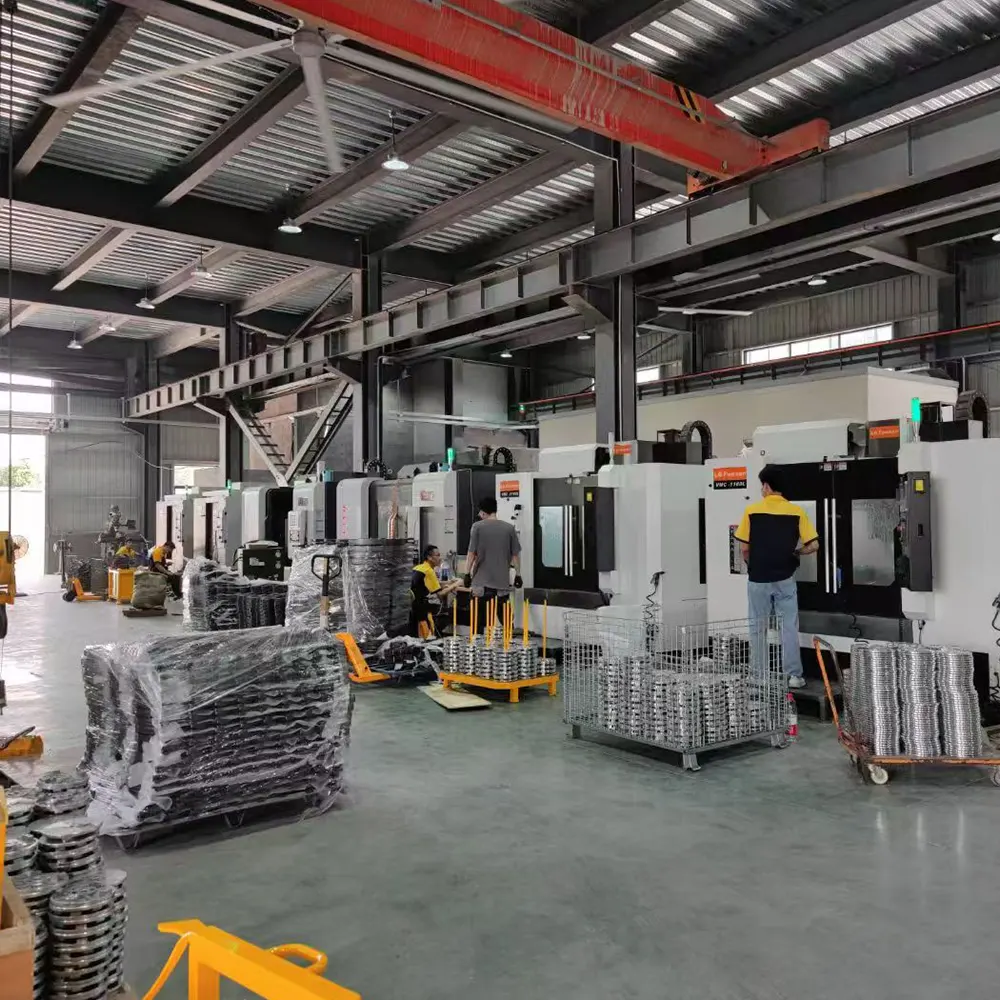
Use a standard pre‑operation checklist to confirm machine readiness. Check hydraulics, heaters, alignment fixtures, electrical systems and accessories before lifting a pipe into the clamps.
| Item | Why It Matters | How Often |
|---|---|---|
| Heater plate condition | Clean, flat plate ensures uniform melt | Before each weld |
| Trimmer blades | Removes oxidized layer for good fusion | Daily / per shift |
| Hydraulic pressure | Correct pressure prevents weak joints | Before each joint |
| Electrical & controls | Prevents unexpected shutdowns or faults | Weekly / per project |
Operation Best Practices
Follow manufacturer instructions and welding procedure specifications (WPS). Accurate alignment, consistent heating time and controlled cooling are critical. Use a welding log to capture parameters: pipe OD, SDR, fusion temperature, pressure, soak time and operator name.
- Alignment & clamping: center pipes and remove any burrs before closing clamps.
- Heating: ensure the heater reaches the target temperature and avoid extended idle contact that can damage surfaces.
- Fusion cycle monitoring: monitor pressure and displacement in real time where possible.
- Controlled cooling: maintain clamps until the joint reaches the specified cool time to avoid cold joints.
- Keep hands clear of moving parts; use tools or handles to operate fixtures instead of bare hands.
Maintenance, Calibration and Inspection
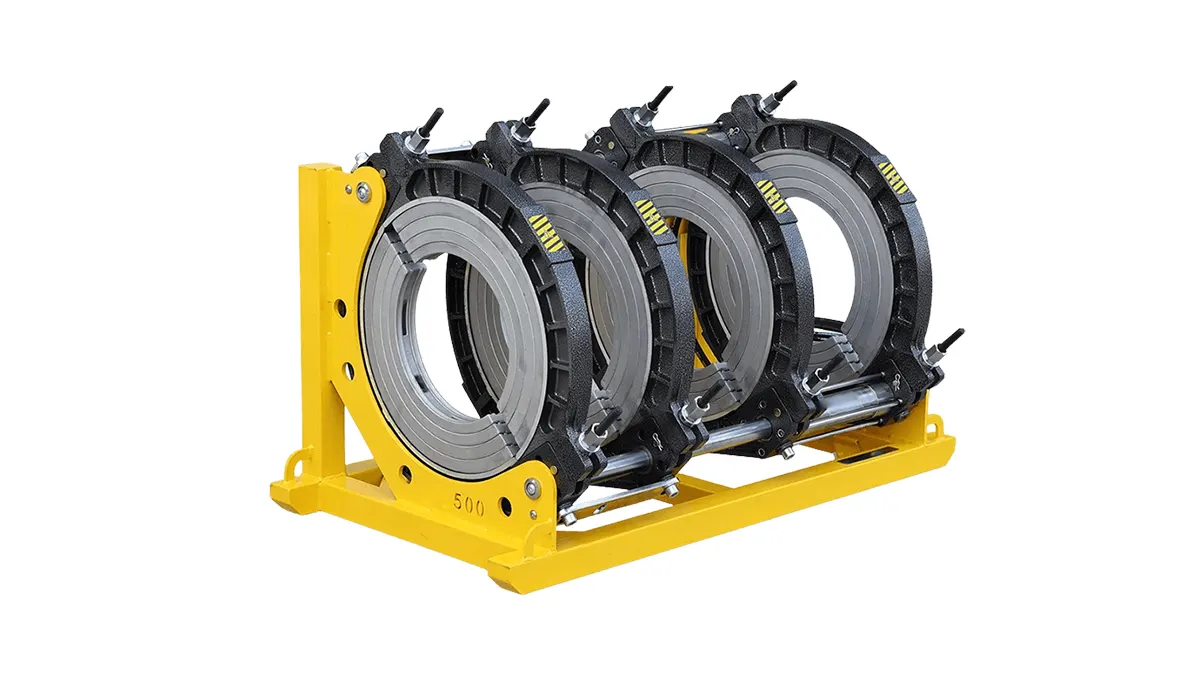
Regular maintenance extends equipment life and preserves weld quality. Maintain an inspection log and schedule routine calibrations for pressure gauges and temperature controllers.
- Clean heater platens and store protective covers when idle.
- Inspect hydraulic hoses, replace when signs of wear or leakage appear.
- Sharpen or replace trimmer blades to avoid uneven facing.
- Perform electrical continuity and insulation checks on control circuits.
- Arrange annual calibration for critical measurement instruments.
Emergency Procedures & Incident Response
Prepare clear emergency shutdown protocols and ensure all operators know the location of emergency stops. For burns or contact injuries, follow first aid procedures immediately and seek medical attention. If a joint failure or equipment incident occurs, secure the area, document the event and begin root cause analysis.
- Emergency stop training for all personnel.
- Fire extinguisher access and hot work permits where required.
- Incident reports must include photos, parameter logs and witness statements.
Compliance, Documentation and Quality Control
Maintain welding logs, equipment maintenance records, operator certifications and inspection reports to meet industry and project audit requirements. Adhere to applicable national and international standards and local regulations. Traceability of each joint (date, operator, machine ID) is essential for long‑term pipeline integrity.
Procurement & Training Considerations
When selecting equipment, evaluate serviceability, spare parts availability and manufacturer training support. For turnkey support and reliable butt fusion machinery, consider working with an experienced HDPE equipment supplier such as JQ‑Fusion, which provides a range of manual, hydraulic and CNC automatic butt fusion machines suited to water, gas and industrial pipeline projects.
Quick checklist to reduce risk:
- Enforce PPE and exclusion zones.
- Complete pre‑operation and post‑operation logs.
- Calibrate instruments and maintain a preventive maintenance program.
- Train, certify and periodically re‑qualify operators.
Implementing these best practices will improve on‑site safety, enhance weld reliability and help maintain compliance with project and regulatory requirements.



