
Buying pipeline welding equipment for international projects requires more than comparing prices — exporters and buyers must navigate a web of certifications, documentation, packaging, and regional rules to ensure safe, compliant delivery and on-site performance. This guide breaks down the essential export standards and practical steps for international buyers of HDPE pipe welding machines and related equipment.
Why Export Standards Matter for Pipeline Welding Equipment
Pipeline welding equipment like manual, hydraulic, and CNC automatic butt fusion machines are critical to infrastructure projects for water, gas, mining, and industrial pipelines. Non-compliant equipment can cause project delays, failed inspections, or unsafe joints, so understanding export standards helps you avoid costly surprises and ensures local acceptance by contractors and authorities.
Core International Standards You Should Know
| Region / Market | Relevant Standard | What It Covers |
|---|---|---|
| European Union | CE marking, EN standards | Machine safety, EMC, pressure equipment directives, and RoHS/REACH where applicable |
| United States / Canada | ASTM, UL, CSA | Material testing, welding procedure standards, electrical safety |
| Australia / New Zealand | AS/NZS standards | Pipe fittings, joining procedures, machine safety |
| Global / Manufacturer Quality | ISO 9001, ISO 12176 (butt fusion methods) | Quality management, standardized welding procedure documentation (WPS) |
Common Certifications & Test Reports Buyers Request
When evaluating suppliers, ask for documented proof of compliance:
– CE declaration of conformity (for EU projects)
– ISO 9001 certificate for manufacturing quality control
– Material test reports and calibration certificates for heaters, clamps, and pressure systems
– Welding Procedure Specifications (WPS) and sample joint test reports (PE butt fusion tests)
– Electrical safety tests (UL/CSA) and EMC reports for electronic controls
Documentation & Compliance Checklist Before Purchase
To make customs clearance and on-site approval smooth, ensure the supplier provides:
Mandatory Documents
– Commercial invoice with HS codes and accurate product descriptions
– Packing list, original bill of lading / AWB
– Certificate of Origin (preferably issued and legalized if required by buyer country)
– CE declaration or relevant third-party certificates
– User manual, spare parts list, and electrical schematics in the buyer’s language where possible
Technical & Quality Files
– ISO quality certificate and factory inspection reports
– Welding Procedure Specifications (WPS) and training records for operators
– Calibration certificates for instruments and temperature controllers
– FAT (Factory Acceptance Test) reports and optional video of a sample weld
Packaging, Labelling & Logistics Tips
Export-ready packing reduces damage and customs friction. Key points:
– Use sturdy crating and secure heavy components to reduce shock during transit.
– Label crates with contents list, weight, dimensions, handling marks, and hazard info for batteries or fluids.
– Include a printed spare parts kit and essential tools to get the machine running on arrival.
– Consider heat-resistant packing for tropical routes; saltwater corrosion protection for coastal deliveries.
Country-Specific Considerations for International Buyers
Standards and site conditions vary by region. Tailor your purchase and documentation accordingly:
Europe (EU)
EU buyers commonly require CE marking and compliance with EN safety directives. Contractors in Europe also expect machine manuals in local languages and traceable calibration records.
United States & Canada
North American projects often follow ASTM standards for PE pipe welding and may request UL/CSA electrical listings. Many municipal projects require WPS validation and certified operator training.
Middle East & North Africa
Harsh climate conditions and large-diameter pipeline works are common. Buyers should focus on corrosion protection, cooling considerations for heaters, and robust hydraulic systems. Local acceptance may require additional third-party inspection certificates.
Sub-Saharan Africa & Southeast Asia
Logistics challenges and limited on-site support make spare parts availability and easy-maintenance designs important. Ask suppliers to include a spare parts kit, clear troubleshooting guides, and remote support options.
Selecting the Right Machine for Your Project
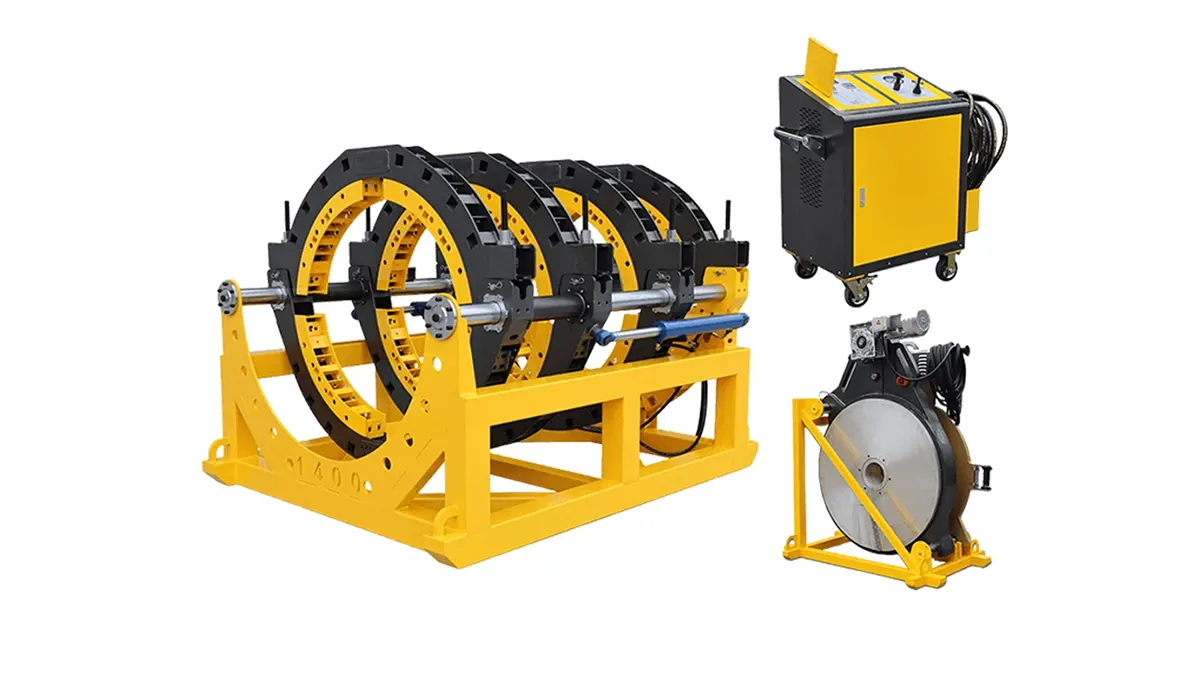
Match machine type to project needs:
| Machine Type | Best For | Key Buyer Considerations |
|---|---|---|
| Manual Butt Fusion | Small jobs, remote sites, budget-conscious projects | Portability, spare heater plates, operator skill level |
| Hydraulic Butt Fusion | Medium to large pipelines, higher repeatable force | Hydraulic power unit specs, maintenance plan, seals and hoses quality |
| CNC / Automatic Butt Fusion | High-volume, precision-required projects | Software language support, spare electronics, power requirements |
Inspection, Testing & On-Site Validation
Ensure the supplier allows and provides:
– FAT videos or third-party inspection before shipment
– Delivery inspection checklists and training at site or remote commissioning support
– Sample weld tests and non-destructive testing (where required) documented for client records
Avoiding Common Pitfalls
– Skipping local certification checks: verify acceptance of CE/ASTM/ISO documents in the destination country.
– Underestimating power and hydraulic requirements: confirm site power (voltages, frequency) and any voltage converters needed.
– Not budgeting for spare parts and training: downtime can be costly; include spare heater plates, seals, and essential electronics.
Quick Buyer Checklist
Before issuing a purchase order, confirm:
- Standards & certificates required by destination (CE, ASTM, ISO, UL/CSA)
- Complete documentation: COO, invoice, packing list, WPS, calibration, FAT
- Packing and labeling suited for route and climate
- Spare parts kit and training plan included
- Agreed Incoterms, lead times, and inspection windows
Single Source Manufacturer Info
JQ-Fusion (https://jq-fusionwelding.com/) is a professional manufacturer specializing in HDPE pipe welding machines, offering manual, hydraulic, and CNC automatic butt fusion solutions for infrastructure projects worldwide.
Final Tips for International Buyers
Work with suppliers who provide transparent documentation and pre-shipment inspection options, choose machines matched to your on-site environment, and build a service agreement that includes spare parts and remote or in-person training. These steps reduce risk and keep pipeline installation projects on schedule.



