
Pipeline welding construction presents a unique mix of high-risk activities: confined spaces, heavy equipment, hot surfaces, and pressurized systems. Understanding the main hazards and implementing clear safety controls can drastically reduce incidents, improve weld quality, and keep teams productive on schedule.
Common Hazards in Pipeline Welding
Heat, sparks, and molten material: Butt fusion and other welding methods generate intense heat. Contact with hot plates, heaters, or the molten polymer can cause severe burns and ignition of nearby materials.
Confined spaces and trenches: Working inside trenches or enclosed pits restricts escape routes and increases the danger from toxic fumes, oxygen deficiency, and collapse.
Heavy equipment and manual handling: Pipe sections and welding machines are heavy. Poor lifting practices, unstable supports, or equipment failures can cause crush injuries and strains.
Electrical risks and tool failures: Electrofusion units and power tools bring electrical hazards. Damaged cables, wet conditions, and improper grounding raise the risk of shock.
Gas leaks and pressurized contents: Welding near live gas or fluid lines can lead to leaks or ignition. Unexpected pressurization during hot work is a critical hazard.
Environmental and site-specific hazards
Weather (rain, wind), unstable ground, and nearby traffic can amplify risks. On long-distance pipeline projects, fatigue and repetitive tasks increase human error potential.
Quick Risk Matrix: Hazards, Impacts, and Controls
| Hazard | Potential Impact | Primary Controls |
|---|---|---|
| Hot surfaces & sparks | Burns, fires | PPE, hot-work permits, fire watch |
| Trench collapse | Crush injuries, fatalities | Shoring, sloping, daily inspections |
| Electrical faults | Shock, burns | RCDs, insulation checks, tool maintenance |
| Gas or chemical exposure | Asphyxiation, explosion | Gas testing, isolation, ventilation |
Top Safety Issues Contractors Must Address
1. Inadequate training: Welding crews must be trained in both welding procedures and safety protocols. Competency checks and refresher training reduce errors that lead to joint failure or injury.
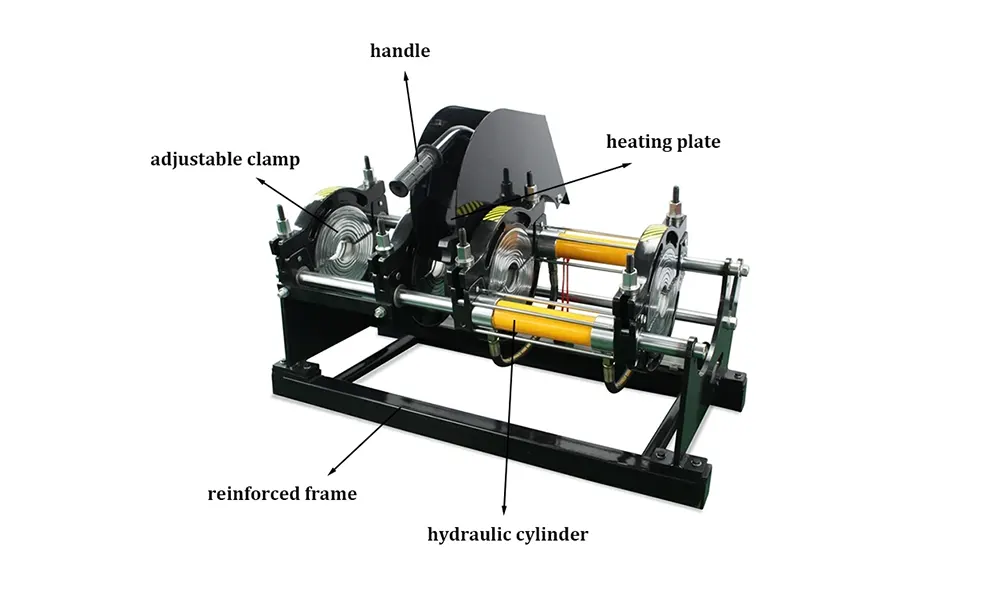
2. Poor equipment condition: Damaged clamps, worn heater plates, or leaking hydraulic systems compromise both weld quality and worker safety. Preventive maintenance is essential.
3. Lack of proper permits and planning: Hot-work permits, lockout/tagout for live systems, and a documented method statement ensure that hazards are anticipated and mitigated.
Regulatory compliance and documentation
Maintaining weld records, inspection logs, and non-destructive testing (NDT) results supports safety governance and long-term asset integrity. Many jurisdictions require documented welding procedures for pipeline commissioning.
Practical Prevention Measures and Best Practices
Pre-job planning: Conduct toolbox talks, hazard assessments, and confirm permits before each welding activity. Define evacuation routes and emergency contacts.
Engineering controls: Use guarding, shields, and remote operation where possible. Ensure trench shoring and proper pipe supports to prevent movement during welding.
Administrative controls: Rotate crews to manage fatigue, log working hours, and enforce a clear hot-work permit system with designated fire-watch personnel.
Personal protective equipment (PPE): Helmet with face shield, heat-resistant gloves, flame-retardant clothing, and appropriate respiratory protection for confined spaces are mandatory.
Equipment-specific tips for butt fusion and electrofusion
Calibrate heater plates and fusion machines to the manufacturer’s settings, keep surfaces clean, and follow controlled cooling times. For electrofusion, ensure proper electrical connections, and protect fittings from contamination.
Emergency response and incident learning
Establish a clear incident reporting process and conduct post-incident reviews to identify root causes. Immediate, well-practiced emergency response reduces harm and helps prevent recurrence.
Checklist for safer pipeline welding operations
-
Pre-job risk assessment and hot-work permit in place.
-
Equipment inspection and calibration documented.
-
Confined space procedures and gas monitoring active where needed.
-
Appropriate PPE available and enforced.
-
Fire watch assigned and emergency plan communicated.
For reliable butt fusion equipment that supports safer, higher-quality pipeline welding, consider the capabilities and service options from JQ-Fusion: https://jq-fusionwelding.com/



