
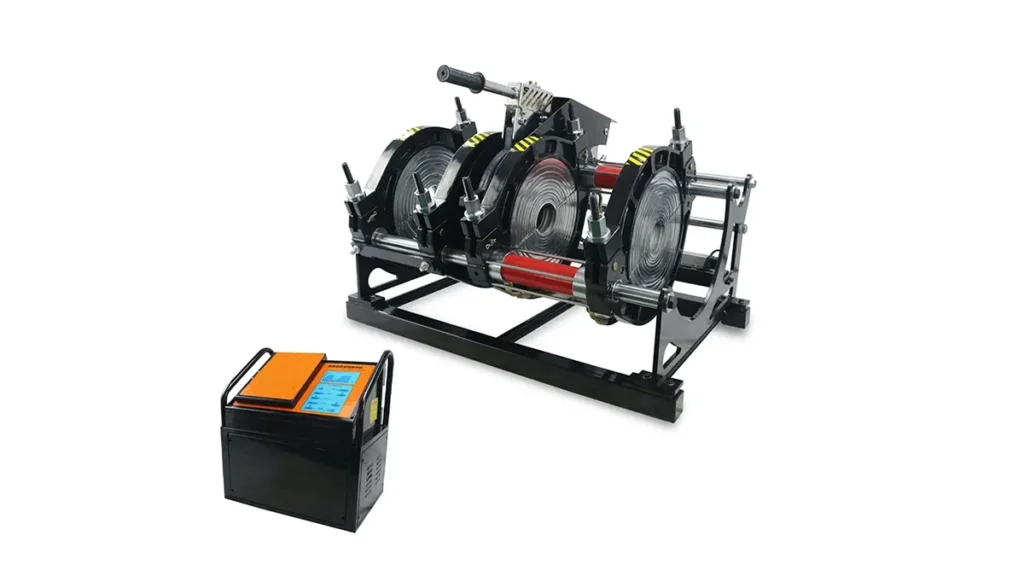
Choosing the right pipe welding machine can make or break your pipeline project. Whether you’re installing a municipal water main, laying gas distribution lines, or fabricating industrial piping, the correct model determines productivity, joint integrity, and long-term reliability. This guide helps you compare common pipe welding machine models and match them to your project needs.
Understanding Pipe Welding Machine Types
Manual Butt Fusion Machines — Compact and economical, manual machines are ideal for small-diameter HDPE pipes used in local repairs and short runs. Operators control alignment, heating, and fusion by hand using simple mechanical clamps.
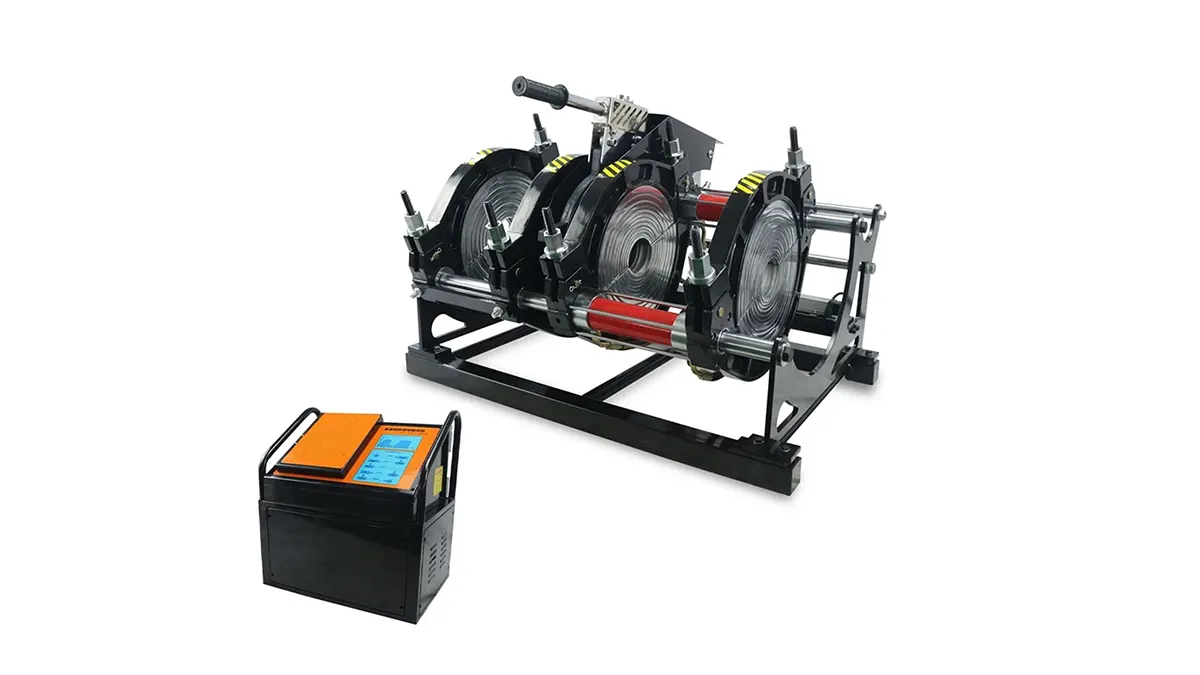
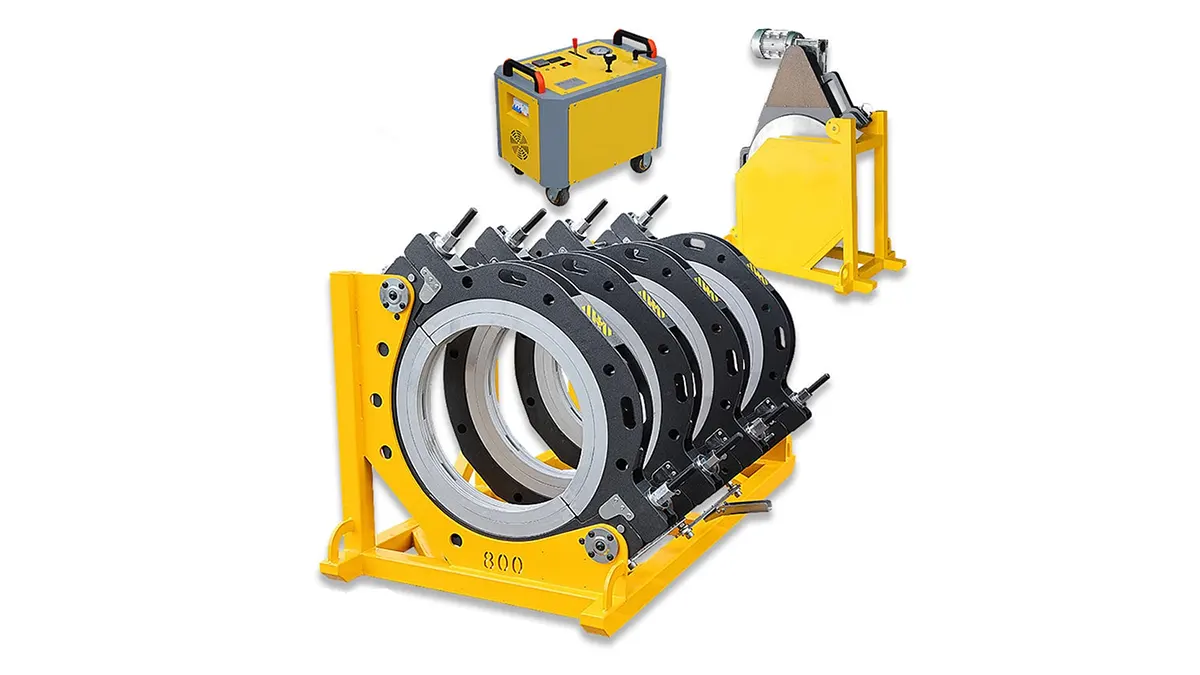
Hydraulic Butt Fusion Machines — These offer powered clamping and controlled force for mid- to large-diameter pipes. They are commonly used on construction sites and for municipal pipelines where consistent pressure and repeatability matter.
Automatic / CNC Butt Fusion Machines — Automated machines control the full fusion cycle (alignment, heating, pressing, cooling) with programmable parameters. They deliver the highest consistency for repetitive welding in production yards or large infrastructure projects.
Multi-Angle Pipe Fitting Welding Machines — Designed for fittings and complex joints (tees, elbows), these machines allow precise angles and ensure leak-free connections for distribution networks and process piping.
Electrofusion Machines — Used with electrofusion fittings, they fuse fittings to pipes using embedded heating elements. They are excellent for repair work, connections in constrained spaces, and instances requiring certified joint records.
Key Factors to Consider When Choosing a Model
Pipe Diameter and Wall Thickness — Match the machine’s clamp range and maximum force to the pipe OD and SDR. Manual machines fit smaller diameters; hydraulic and CNC types cover wider ranges.
Project Scale and Workflow — For one-off repairs or occasional site work choose manual or compact hydraulic units. For large-scale, repetitive welds, invest in an automatic/CNC system to save labor and reduce variability.
Operator Skill and Training — Manual fusion demands experienced operators to achieve consistent joints. Automated machines reduce operator-dependence but still require training for setup and maintenance.
Accuracy and Documentation — Projects subject to strict quality control or regulatory inspections benefit from CNC machines that log welding parameters and produce digital records.
Mobility and Site Conditions — Consider weight, portability, and power source (electric, petrol/hydraulic power pack) for remote or rough-terrain sites.
Safety and Standards
Always select equipment that supports standard fusion procedures and compliance with relevant industry codes (ISO, ASTM, or local standards). Safety features like pressure relief, emergency stops, and clear operator interfaces reduce the risk of faulty joints and workplace incidents.
Quick Comparison Table: Which Model Suits Your Job?
| Model Type | Typical Pipe Range | Best For | Key Benefit |
|---|---|---|---|
| Manual Butt Fusion | 20mm–315mm | Repairs, small-scale jobs | Low cost, portable |
| Hydraulic Butt Fusion | 63mm–1600mm+ | Construction sites, larger pipelines | Consistent force, robust |
| Automatic / CNC | 90mm–1600mm+ | Production yards, large projects | High precision, data logging |
| Multi-Angle Fitting Machine | Fitting sizes vary | Fittings, tees, elbows | Accurate angled joints |
| Electrofusion Machine | 20mm–630mm (typical) | Repairs, constrained spaces | Fast, traceable joints |
Decision Checklist: Match Features to Project Requirements
• Project size: small (manual) / medium (hydraulic) / large (automatic).
• Required traceability: choose automatic/CNC for welded parameter logs.
• Jobsite constraints: portability and power source matter for remote locations.
• Fitting complexity: multi-angle machines or electrofusion for specialized joints.
• Budget vs lifecycle cost: higher upfront cost for automation often yields savings through reduced rework and labor hours.
Maintenance & Spare Parts
Consider availability of consumables (heating plates, clamps, hydraulic seals) and local service support. Well-maintained equipment ensures consistent joint quality and extends machine life.
Where to Learn More
For a practical starting point, explore model lines and specs to verify clamp ranges, hydraulic force, power options, and control features. JQ-Fusion provides a range of manual, hydraulic, and CNC automatic butt fusion welding machines suited to diverse pipe diameters and applications.
Final Tip
Test a representative weld on scrap pipe before full production. Verifying alignment, fusion parameters, and cooling times in your actual site conditions prevents costly rework and ensures long-term pipeline performance.



