
Reliable pipe welding machines are essential for modern infrastructure — from municipal water networks to large-scale industrial pipelines. This article explains how professional butt fusion and electrofusion equipment delivers consistent joints, improves onsite productivity, and reduces long-term maintenance costs for contractors, utility companies, and pipeline fabricators.
Key Benefits of Industrial Pipe Welding Machines
High repeatability: Automated and CNC butt fusion systems provide precise heating, alignment, and pressure control to produce uniform weld strength across hundreds of joints.
Versatility: Manual, hydraulic and automatic models cover a wide range of pipe diameters and materials (HDPE, PP), enabling teams to match machines to project scale and budget.
Efficiency on site: Faster cycle times and fewer rejects translate to lower labor costs and accelerated project schedules.
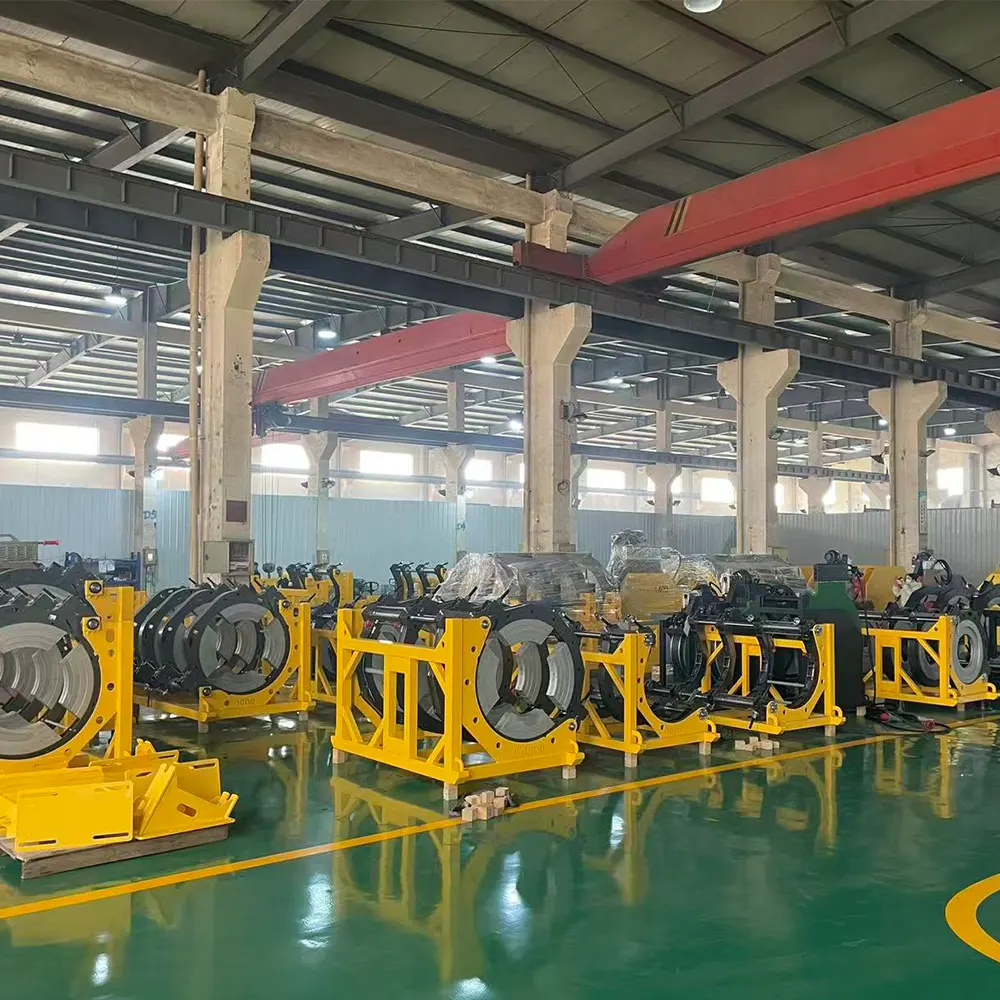
Typical Machine Types and When to Use Them
Choosing the right machine depends on pipe diameter, production volume, and site conditions. Compact manual machines are ideal for service connections and repair jobs, while hydraulic and automatic butt fusion systems support medium to large diameter mains and factory prefabrication.
| Product | Type | Pipe Range | Highlights |
|---|---|---|---|
| Manual Butt Fusion | Portable | 20mm – 315mm | Low cost, simple operation, ideal for repairs |
| Hydraulic Butt Fusion | Field/Factory | 160mm – 2250mm+ | High clamping force, suitable for large diameters |
| Automatic/CNC Butt Fusion | Automated | 63mm – 1000mm+ | Precision control, data logging, high throughput |
| Electrofusion Equipment | Specialised | Fittings & small sections | Excellent for fittings, branch saddles, and confined spaces |
Common Applications and Industry Use Cases
Pipe welding machines are widely used in:
Water supply and wastewater: Long service life and leak-free joints make fusion-welded HDPE ideal for potable water and sewer mains.
Gas distribution: High-integrity joints and resistance to corrosion are critical for safe gas pipelines.
Mining and industrial process piping: Robust hydraulic machines withstand harsh site conditions and large-diameter requirements.
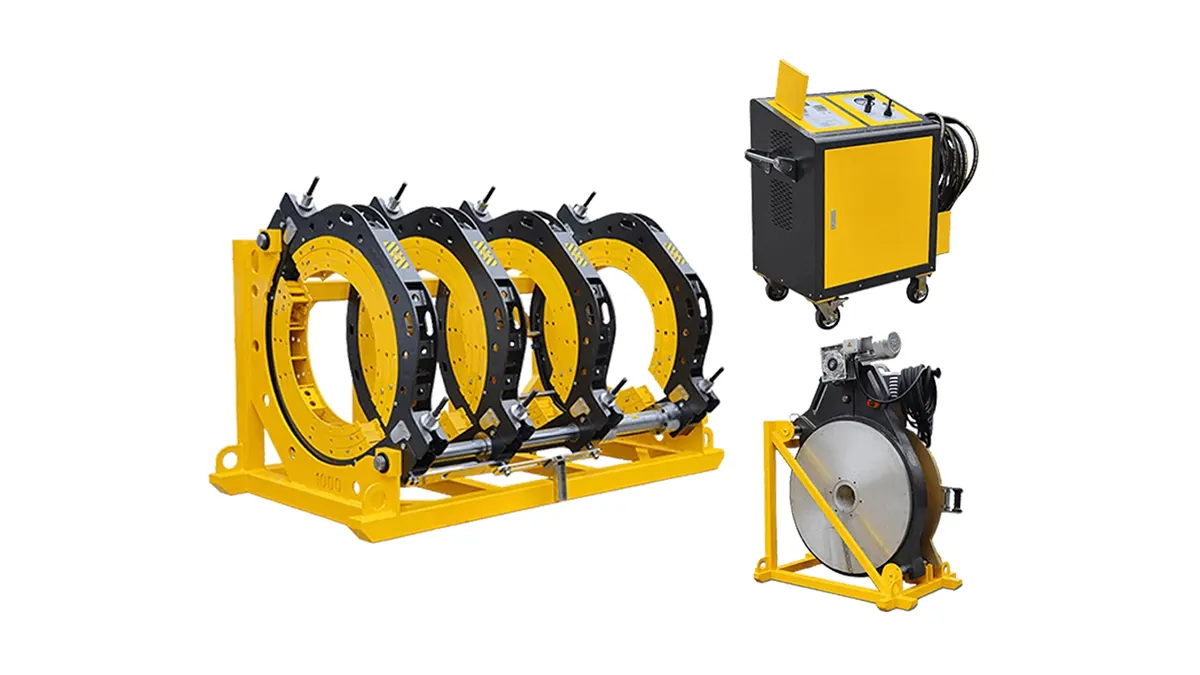
Selecting the Right Supplier: What Matters
Look for manufacturers that offer comprehensive documentation, spare parts support, and calibration services. Machines designed for onsite repairability and modular components reduce downtime. For demanding infrastructure projects, traceable process parameters and optional data logging deliver quality assurance for stakeholders.
Quality, Customization & After-Sales Support
JQ-Fusion offers a broad portfolio of butt fusion and electrofusion machines, combining durable mechanical designs with configurable automation and control options. Choose suppliers that provide operator training, field commissioning, and worldwide spare parts logistics to maximize equipment uptime.
Maintenance and Best Practices
Regular maintenance and operator training keep weld quality high and extend machine life. Key practices include keeping heating plates clean, verifying alignment clamps, monitoring hydraulic fluid condition, and calibrating pressure and temperature sensors according to the manufacturer’s schedule. Documented welding records help with warranty claims and quality audits.
Final Considerations for Procurement
When purchasing pipe welding machinery, assess total cost of ownership, compatibility with planned pipe diameters, and whether automation will deliver measurable productivity gains. Prioritize suppliers who can tailor solutions and provide clear part numbers, service manuals, and local support channels.
For specific machine models, technical specifications, or to request a quote, visit the manufacturer’s website and review product datasheets and case studies to ensure the selected solution matches your project’s performance and compliance needs.



