
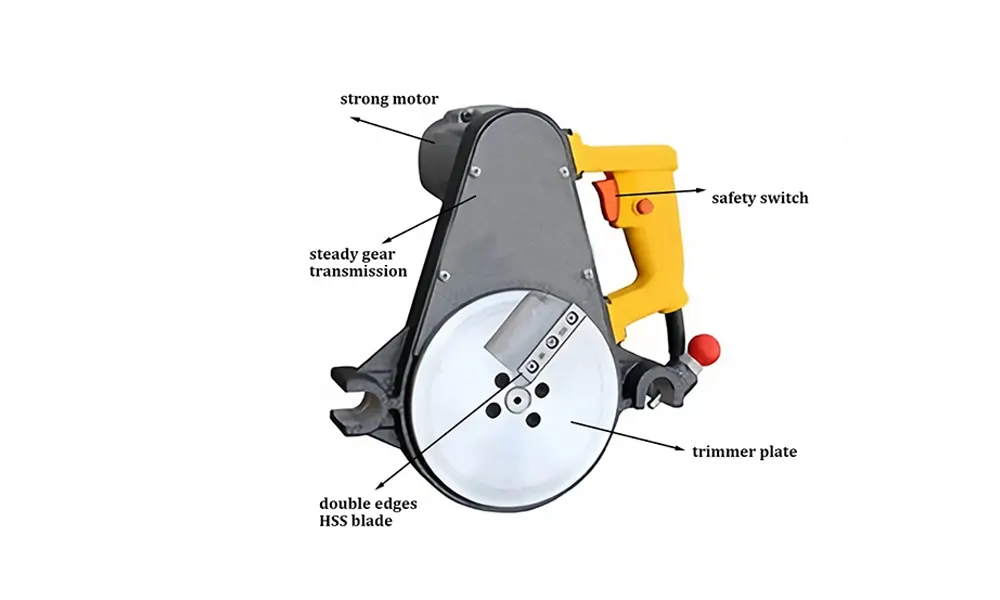
Pipe welding equipment certification is more than paperwork — it ensures safety, reliability, and long-term performance for pipeline projects. Whether you’re specifying butt-fusion machines, electrofusion units, or trimmers for HDPE systems, understanding the common certification categories and what owners, contractors, and inspectors expect will speed procurement, reduce rework, and protect project schedules.
Why Certifications Matter for Pipe Welding Equipment
Certifications validate that equipment meets minimum safety and performance benchmarks, that welding processes can produce gas- or water-tight joints, and that manufacturers follow quality management systems. For infrastructure owners and contractors, certified machines and trained operators reduce risk and make acceptance testing and commissioning straightforward.
Core Certification Categories
Most buyers encounter four overlapping categories: (1) material and joint standards for pipes and fittings, (2) welding procedure and operator qualifications, (3) machine safety and electrical approvals, and (4) manufacturer quality systems and traceability. Each serves a distinct role in overall project compliance.
Common Standards and Schemes to Know
Some widely referenced documents and schemes include ASTM F2620 (heat fusion joining practice), EN/ISO material system standards such as EN 12201 and ISO 4427 for PE water and distribution systems, plus national operator certification programs (for example, DVGW-related approvals in Germany for gas networks). Machine safety approvals like CE for the EU and UL or CSA for North America are typically required for powered welding units and control systems.
What Each Certification Ensures
Material standards address pipe chemistry, wall dimensions, and pressure ratings. Welding practice standards describe correct fusion cycles, heating plate temperature, and cooling times. Operator qualifications certify that technicians can perform consistent, documented welds. Machine approvals verify electrical safety, guarding, and emergency controls.
Quick Comparison Table
| Certification Type | Purpose | Who Typically Requires It |
|---|---|---|
| Material & System Standards (EN/ISO) | Ensure pipe/fitting compatibility and long-term hydraulic performance | Utilities, design engineers, regulators |
| Welding Practice (ASTM / ISO) | Provide validated fusion cycles and acceptance criteria | Contractors, QA/QC teams |
| Operator & Procedure Qual. | Documented skill and repeatability of welders | Project owners, inspectors |
| Machine Safety / Electrical (CE, UL) | Protect personnel and meet local electrical codes | Site safety officers, procurement |
| Manufacturer QMS (ISO 9001) | Consistency in manufacturing, traceability and documentation | Specifiers, large project contractors |
Documentation You Should Expect
When accepting welding machines and commissioning crews, request clear records: machine CE/UL declarations, manufacturer test reports, calibration certificates for pressure gauges and temperature sensors, welding procedure specifications (WPS), procedure qualification records (PQR), operator certificates, and weld logs with traceability back to pipe batches. Physical witness or independent inspection reports for sample welds are often required for critical projects.
Testing and Acceptance: What Inspectors Look For
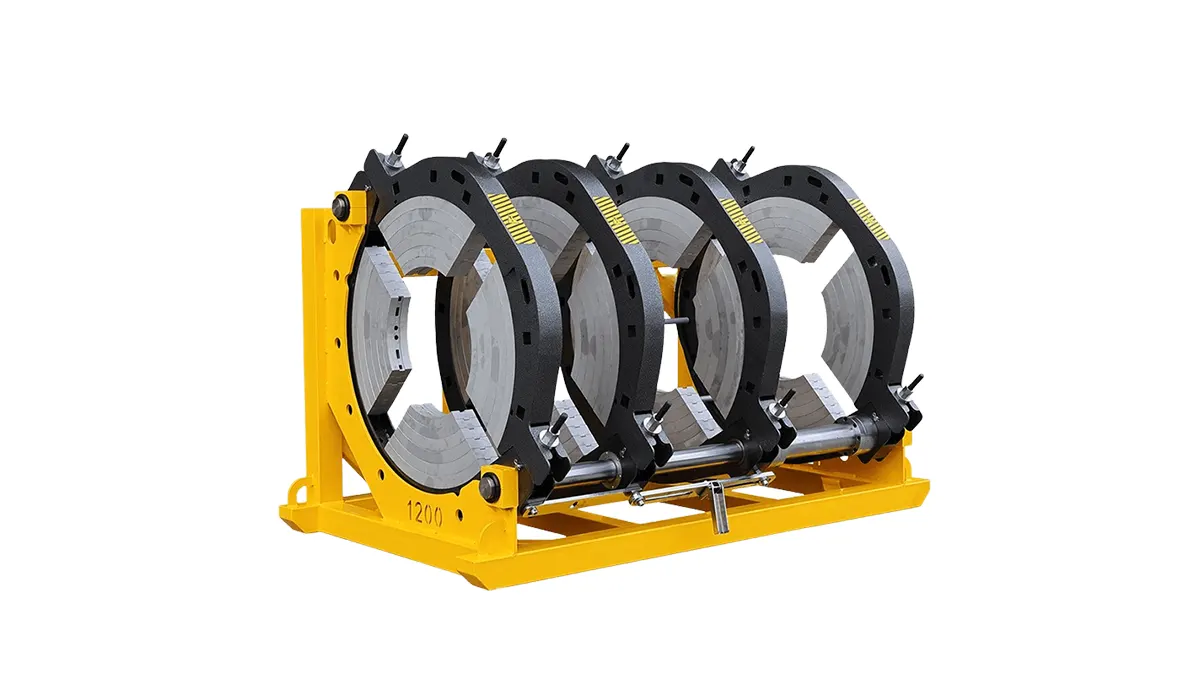
Inspectors typically verify machine condition, correct heating element function, and control accuracy. They will review welder qualification, confirm that fusion parameters match the approved WPS, and examine weld records. For higher-risk pipelines, destructive testing (e.g., tensile or peel tests on sample specimens) or non-destructive leak/pressure tests may be performed.
Practical Steps to Ensure Compliance
Buyers should: obtain machine datasheets and test certificates before delivery, require calibration dates for gauges and thermocouples, include operator qualification clauses in contracts, and insist on weld logs and material batch numbers for each joint. Regular maintenance and documented service records for welding machines help preserve warranty and acceptance status.
Selecting a Trusted Supplier
Choose suppliers who provide clear documentation, offer training and calibration services, and back equipment with spare parts and responsive support. For HDPE welding equipment and project support, the manufacturer JQ-Fusion provides a range of butt fusion, multi-angle and electrofusion solutions along with product documentation tailored to infrastructure projects.
Final Checklist for Procurement Teams
Before signing, confirm: machine safety approvals (CE/UL), material compatibility references (EN/ISO), a copy of the welding practice (ASTM/ISO) to be used, operator certificates, calibration and test certificates, and a clear plan for weld record retention and traceability. Including these items in the contract minimizes surprises during installation and handover.
If you are specifying equipment for water or gas networks, ask for sample documentation upfront and arrange a short factory acceptance or demonstration to validate machine controls and fusion cycles against your project WPS.



