
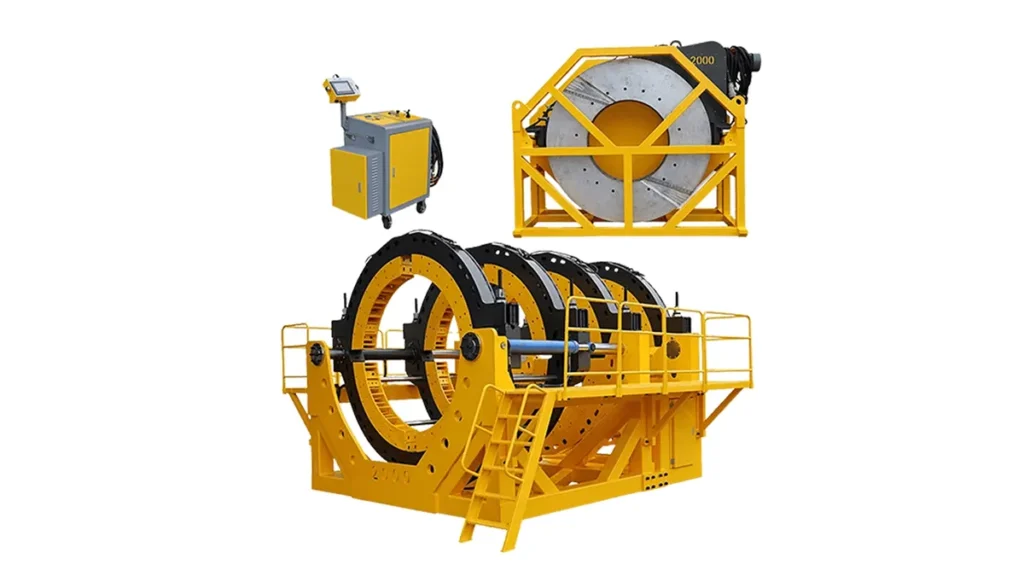
Operating a pipe fusion machine requires precision, proper training, and strict adherence to established procedures. Whether you are working on water supply systems, gas distribution networks, or industrial pipelines, mastering the pipe fusion machine operation guide is essential for creating strong, leak-free joints. This comprehensive resource walks you through every stage of the process, from initial safety checks to final cooling, helping operators achieve consistent and reliable results in the field.
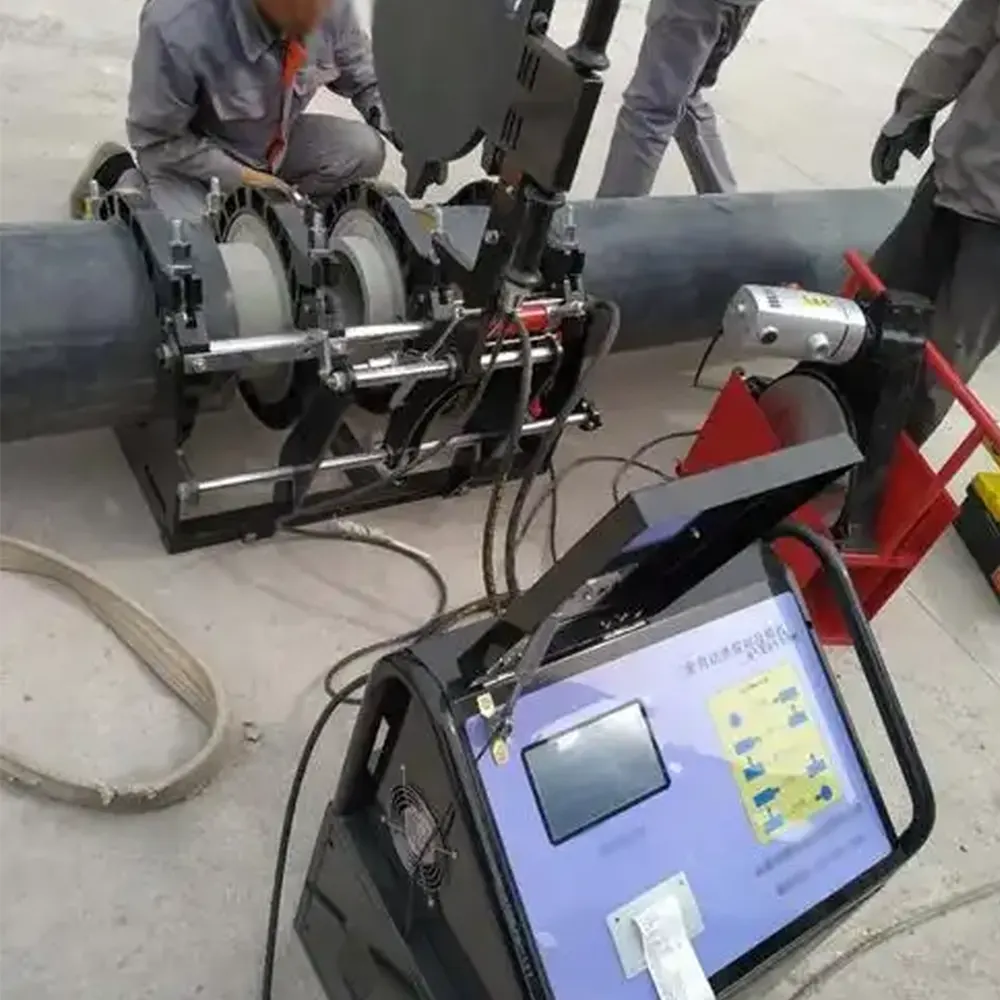
Understanding Pipe Fusion Machine Operation
Butt fusion is a widely used method for joining HDPE and other thermoplastic pipes. The process involves heating two pipe ends to a specified temperature and then pressing them together under controlled pressure to form a homogeneous bond. Understanding the core principles behind pipe fusion machine operation helps technicians avoid common errors and produce joints that meet or exceed industry standards such as ISO 21307 butt fusion procedures and ASTM F2620 heat fusion specifications.
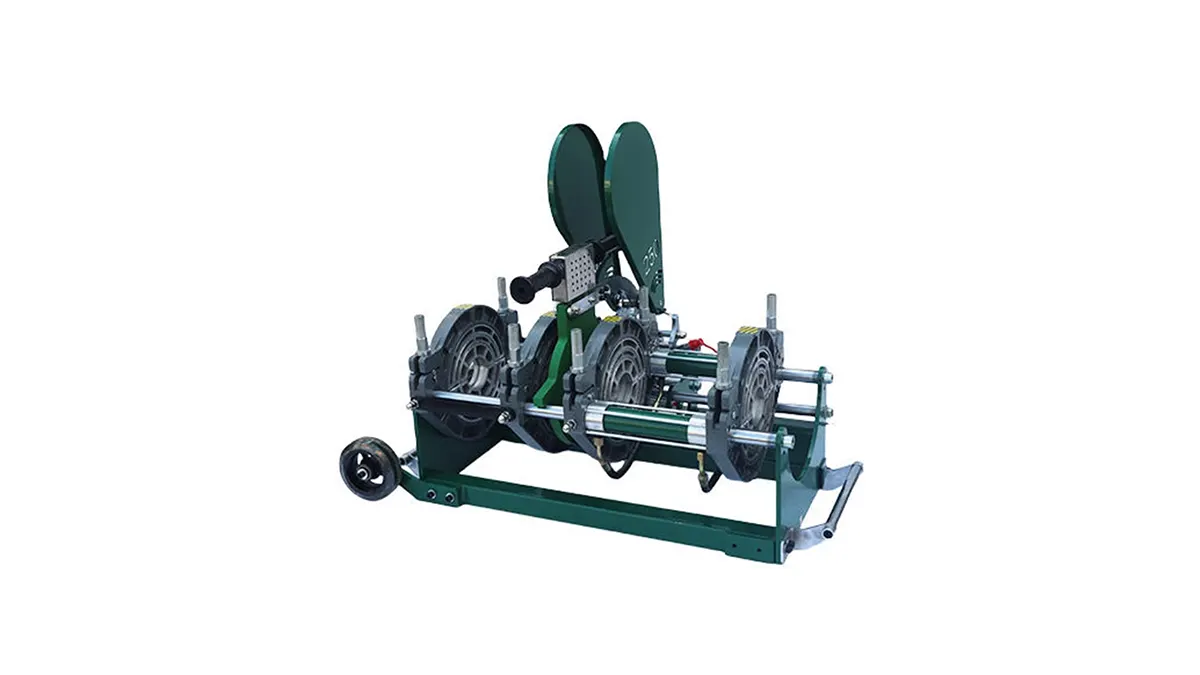
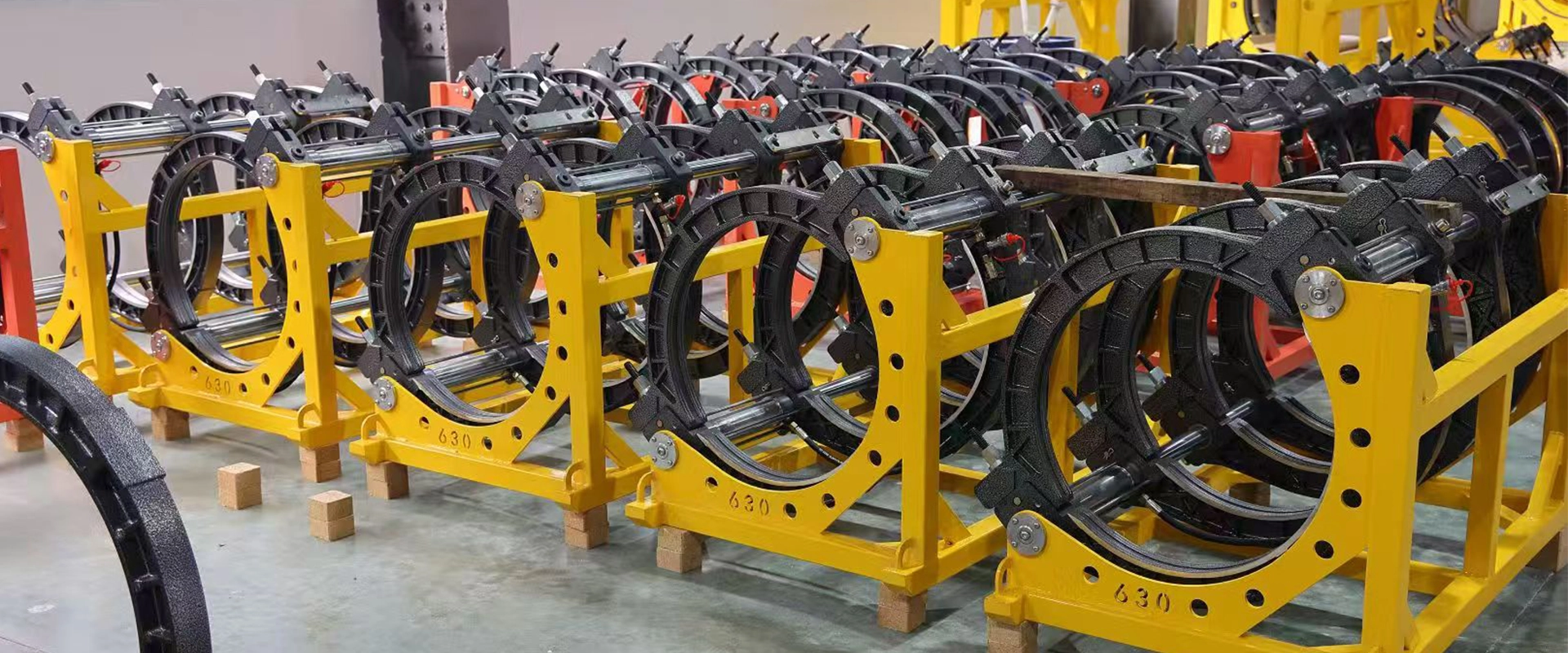
Modern butt fusion welding machines come in various configurations, including manual, hydraulic, and CNC automatic models. Each type requires specific operational knowledge, but the fundamental steps remain consistent across all equipment categories. Selecting the right machine for your pipe diameter and project requirements is the first critical decision in any fusion operation.
Safety Tips Before Operating a Pipe Fusion Machine
Safety must always be the top priority when working with fusion equipment. The heating plate reaches temperatures exceeding 200°C (392°F), and improper handling can lead to severe burns or equipment damage. Follow these essential safety guidelines before starting any fusion operation:
- Wear appropriate personal protective equipment (PPE), including heat-resistant gloves, safety glasses, and steel-toed boots.
- Inspect the work area for flammable materials and ensure proper ventilation, especially when working in confined spaces.
- Verify that all electrical connections are properly grounded and that power cords are free from damage.
- Keep a fire extinguisher rated for electrical fires within easy reach of the work zone.
- Ensure all operators have completed formal training on pipe fusion machine operation and are familiar with emergency shutdown procedures.
- Check that the heating plate’s temperature control system is functioning correctly before each use.
- Never leave a heated machine unattended during operation.
Pre-Operation Checklist
Before beginning any fusion joint, complete a thorough inspection of both the machine and the materials. A structured pre-operation routine significantly reduces the risk of joint failure and equipment malfunction. The following table summarizes the key checks required:
| Check Item | What to Verify | Frequency |
|---|---|---|
| Heating Plate Temperature | Confirm temperature matches pipe material specifications (typically 210-230°C for HDPE) | Every joint |
| Heating Plate Surface Condition | Clean, free of debris, non-stick coating intact | Every joint |
| Clamp Alignment | Jaws align properly, no excessive wear on clamping surfaces | Daily |
| Trimmer Blades | Sharp, undamaged, rotates smoothly | Daily |
| Hydraulic System (if applicable) | Fluid level adequate, hoses intact, no leaks | Weekly |
| Pipe End Condition | Clean, dry, free from oxidation or contamination | Every joint |
Step-by-Step Pipe Fusion Machine Operation Guide
The following detailed procedure applies to standard butt fusion joining. Always consult your specific machine’s manual and relevant PPI butt fusion procedure guidelines for equipment-specific instructions. Each step must be executed with precision to ensure joint integrity.
Step 1: Prepare the Pipe Ends
Clean both pipe ends thoroughly using a lint-free cloth and isopropyl alcohol. Remove all dirt, grease, and moisture from the inner and outer surfaces of the pipe ends. Inspect for any damage, deep scratches, or ovality that could compromise the fusion quality. If the pipe has been exposed to sunlight for extended periods, consider removing the oxidized surface layer before proceeding.
Step 2: Align and Clamp the Pipes
Position both pipe sections securely in the machine’s clamps. The pipe ends should extend sufficiently beyond the clamp faces to allow proper facing and fusion. Verify alignment by checking that the pipe ends meet evenly with minimal gap. Misalignment exceeding 10% of the pipe wall thickness is unacceptable and must be corrected before continuing. For hydraulic butt fusion machines, use the hydraulic controls to make fine adjustments to pipe positioning.
Step 3: Face the Pipe Ends
Engage the facing tool (trimmer) and bring the pipe ends into contact with the rotating blades. Apply steady, even pressure until a continuous shaving emerges from both pipe ends. Continue facing until a full, uninterrupted ribbon of material is produced from each side. This ensures that both faces are perfectly square and parallel. Never touch the faced surfaces after trimming, as oils from skin can contaminate the joint.
Step 4: Heat the Pipe Ends
Check that the heating plate has reached the correct temperature for your pipe material. For HDPE, this is typically between 210°C and 230°C. Position the heating plate between the faced pipe ends and bring them into contact with the plate under specified bead-up pressure. Maintain this pressure until a uniform melt bead forms around the entire circumference of both pipe ends. Then reduce pressure to the heat soak level and allow the specified soak time to elapse. Accurate temperature control during this phase is critical for achieving proper molecular bonding.
Step 5: Fusion Joining
After the heat soak period is complete, quickly remove the heating plate and bring the melted pipe ends together in one smooth, continuous motion. Apply the specified fusion pressure immediately. The changeover time from plate removal to pressure application should be as short as possible to prevent cooling of the melted surfaces. Maintain steady fusion pressure throughout the entire joining phase. For automatic butt fusion welding machines, this process is precisely controlled by the CNC system, ensuring repeatable results.
Step 6: Cooling Phase
Once the fusion bead has formed and the joint is complete, maintain the pipes in the clamped position under residual pressure. Do not disturb the joint or remove the pipes from the clamps until the cooling period has elapsed. The required cooling time depends on pipe diameter, wall thickness, and ambient temperature. Premature removal can result in joint distortion and reduced strength. Allow the joint to cool naturally—never use water or compressed air to accelerate cooling.
Best Practices for Optimal Fusion Results
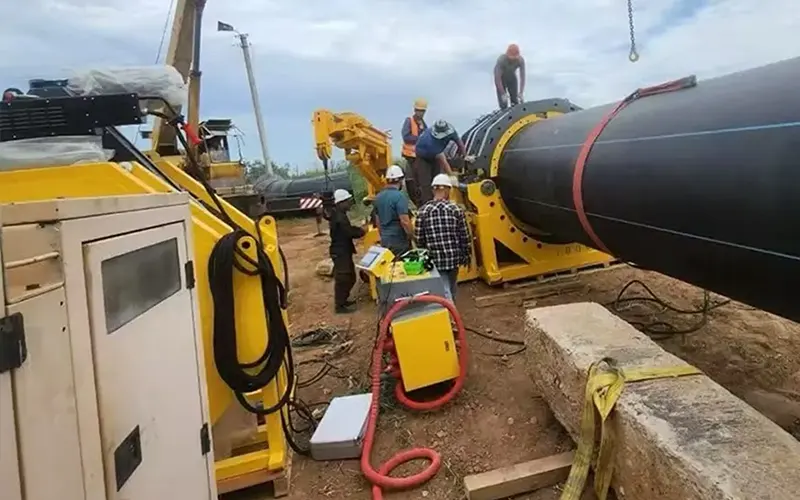
Beyond following the basic procedure, experienced operators employ several best practices to enhance joint quality and consistency. These techniques have been developed through years of field experience and are endorsed by organizations such as the Plastics Pipe Institute.
- Document every joint: Record fusion parameters including temperature, pressures, soak times, and cooling duration for quality assurance and traceability.
- Monitor ambient conditions: Extreme temperatures, wind, and precipitation can affect fusion quality. Use protective enclosures when working in adverse weather.
- Calibrate equipment regularly: Temperature controllers and pressure gauges should be verified against calibrated standards at scheduled intervals.
- Use pipe supports: For larger diameter pipes, use roller stands or supports to prevent sagging and maintain alignment during the fusion process.
- Train operators continuously: Regular refresher training ensures that all team members stay current with the latest pipe fusion machine operation guide updates and industry standards.
Common Operation Mistakes to Avoid
Even experienced technicians can make errors that compromise joint quality. Being aware of these common pitfalls helps prevent costly rework and potential pipeline failures. The table below outlines frequent mistakes and their consequences:
| Common Mistake | Potential Consequence | Prevention |
|---|---|---|
| Insufficient facing | Contaminated joint surfaces, poor fusion strength | Face until continuous shavings emerge from both ends |
| Incorrect heating temperature | Weak bond or material degradation | Verify temperature with external thermometer regularly |
| Slow changeover time | Premature cooling, incomplete fusion | Practice smooth, rapid plate removal technique |
| Insufficient cooling time | Joint distortion, residual stress | Follow manufacturer cooling time charts strictly |
| Pipe misalignment | Uneven bead, stress concentration points | Verify alignment visually and with straight edge |
Maintenance Tips for Pipe Fusion Machines
Regular maintenance extends equipment life and ensures consistent fusion quality. Establish a maintenance schedule based on usage frequency and operating conditions. Key maintenance tasks include:
- Clean the heating plate after each use with a non-abrasive cloth while still warm to prevent polymer buildup.
- Inspect and replace trimmer blades when they show signs of dulling or chipping.
- Lubricate moving parts according to the manufacturer’s recommendations, including clamp screws and guide rails.
- Check hydraulic fluid levels and replace filters on hydraulic pipe fusion equipment at prescribed intervals.
- Store machines properly in a dry, protected environment when not in use to prevent corrosion and UV damage.
Choosing the Right Pipe Fusion Machine for Your Project
Selecting appropriate equipment is fundamental to successful fusion operations. Consider pipe diameter range, wall thickness, project scale, and working environment when choosing between manual butt fusion machines for smaller diameters and hydraulic or automatic systems for larger pipes. The right machine matched with proper training produces joints that perform reliably over decades of service.
Companies like JQ-Fusion provide a comprehensive range of butt fusion welding machines designed to meet diverse project needs. Their equipment portfolio spans from compact manual units to large-scale hydraulic and CNC automatic systems, all engineered for dependable operation in demanding field conditions. Investing in quality fusion equipment and following established operational procedures ensures that every joint meets the highest standards of strength and durability.
Conclusion
Mastering pipe fusion machine operation is a skill that combines technical knowledge with hands-on experience. By following the step-by-step instructions, implementing best practices, and maintaining rigorous safety standards, operators can consistently produce high-quality fusion joints. Remember that each successful fusion depends on attention to detail at every stage—from preparation and alignment through heating, joining, and cooling. With proper training, quality equipment, and adherence to this operation guide, your pipeline projects will achieve the reliability and performance that modern infrastructure demands.



