
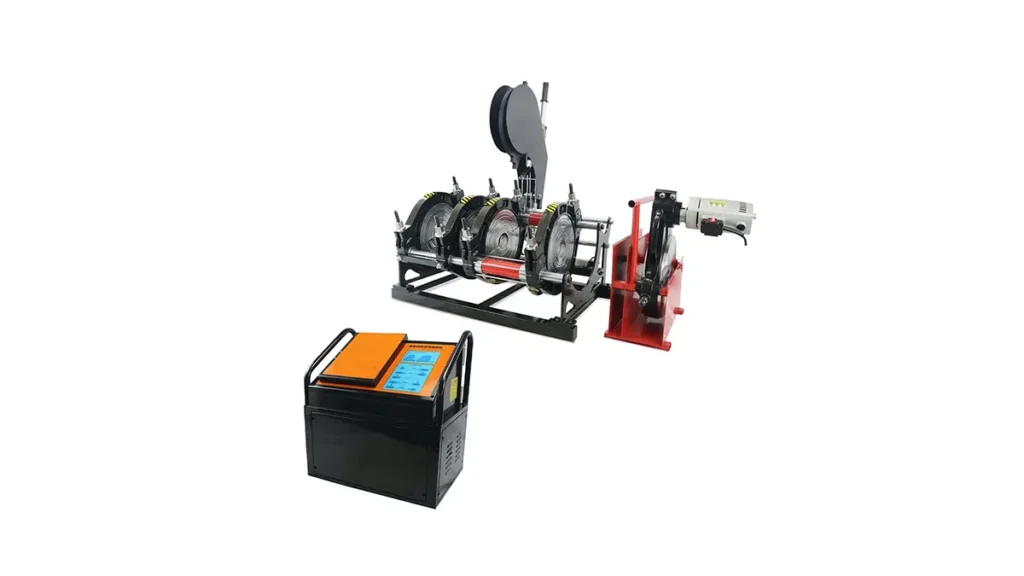
Automatic pipe docking machines streamline HDPE and PE pipe joining with consistent precision, faster cycle times, and reduced operator dependency. Choosing the right automatic pipe docking equipment impacts project quality, safety, and long-term costs—this guide explains the key factors to evaluate and how to match machinery to your pipeline requirements.
What Is an Automatic Pipe Docking Machine?
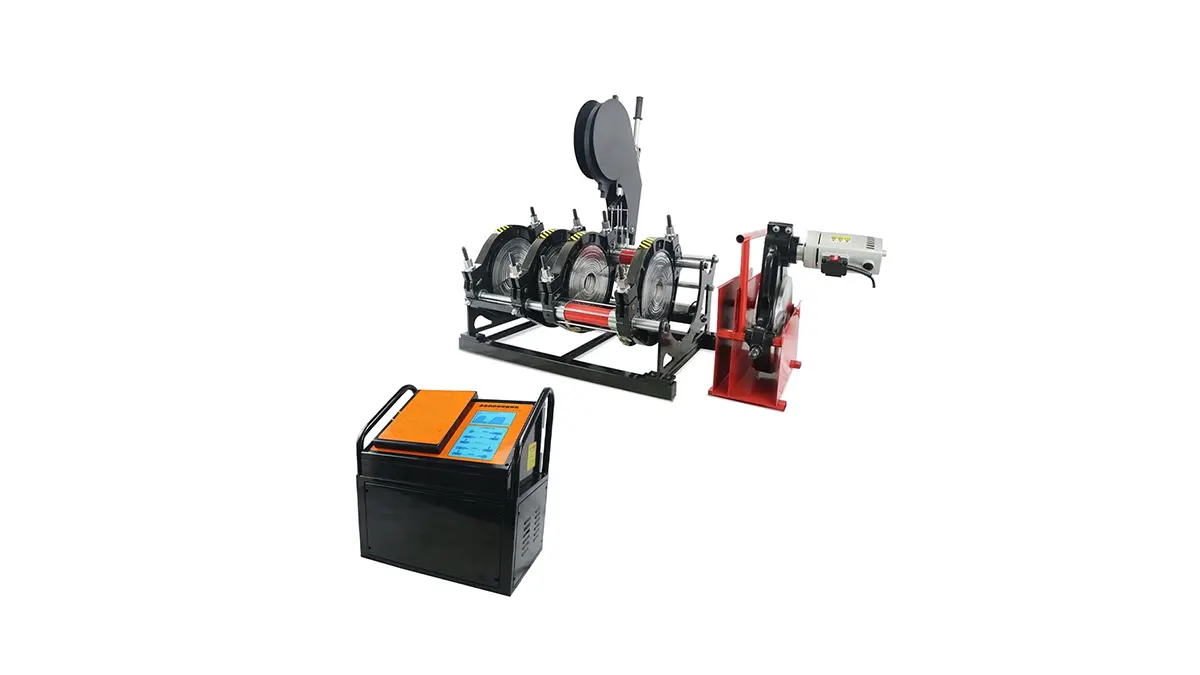
Automatic pipe docking machines (also called automatic butt fusion machines) are mechanized systems that align, heat, and fuse pipe ends with minimal manual intervention. They are designed for high-repeatability welding of thermoplastic pipes used in water supply, gas networks, drainage, and industrial pipelines. Compared to manual or hydraulic systems, automatic units integrate electronic control, programmable welding cycles, and precise alignment subsystems.
Top Selection Criteria
Assess these critical attributes when comparing automatic pipe docking machines:
- Pipe diameter range: Confirm the machine supports your project’s minimum and maximum diameters—from small service lines up to large-diameter mains.
- Automation level and control: Look for PLC or touchscreen controllers with programmable weld profiles and data logging for traceability.
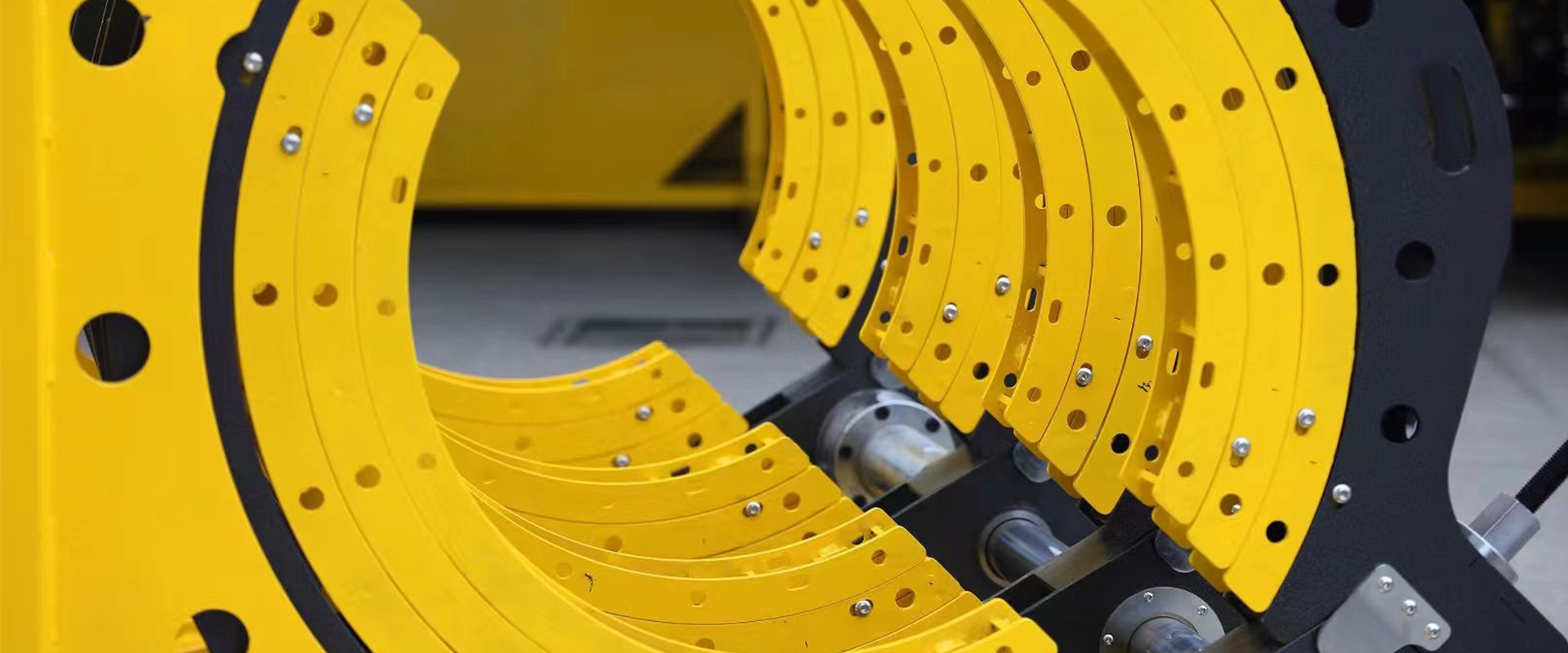
- Alignment accuracy: Precision clamps and alignment heads reduce rework and improve joint integrity.
- Heating system: Fast, uniform heating plates with exchangeable sizes reduce cycle time and ensure consistent bead formation.
- Mobility and footprint: Consider whether the machine will be used onsite in trenches, in a fabrication yard, or both—weight and portability matter.
- Serviceability and spare parts: Easy access to wear parts and a reliable spare-parts supply reduces downtime.
Performance Metrics to Compare
Compare weld cycle time, repeatability (mm tolerance), and measured bead quality. Machines with closed-loop temperature control and automatic pressure-feedback systems generally deliver the most consistent results across long run lengths.
Quick Comparison: Manual vs Hydraulic vs Automatic
| Feature | Manual | Hydraulic | Automatic |
|---|---|---|---|
| Best for | Small projects, low budget | Medium to large on-site jobs | High-volume, precision fabrication |
| Cycle consistency | Variable | Good | Excellent |
| Operator skill required | High | Moderate | Low (trained operators) |
| Typical ROI | Long | Moderate | Fast for high throughput |
Safety, Certification & Standards
Prioritize machines that comply with international welding and equipment safety standards. Features like emergency-stop, thermal safeguards, and documented test reports for weld strength are essential when delivering projects for municipal water, gas, or industrial clients.
Service, Training and Local Support
Choose a vendor that offers technical training, preventive maintenance plans, and rapid access to replacement parts. This reduces downtime and helps ensure consistent weld quality across seasons and sites.
Cost vs Long-Term Value
While automatic machines carry a higher upfront price, they often reduce labor costs, lower scrap rates, and shorten project schedules. Evaluate total cost of ownership including consumables, spare parts, training, and expected throughput to calculate realistic ROI.
Deployment Tips for Field Success
- Standardize welding procedures and document settings for each pipe size and material grade.
- Keep a log of weld parameters and visual inspections to build quality records for clients.
- Plan spare parts inventory for heating plates, clamps, and seals to avoid project delays.
About JQ-Fusion
JQ-Fusion is a professional manufacturer specializing in HDPE pipe welding machines, offering manual, hydraulic, and CNC automatic butt fusion solutions for a wide range of pipe diameters. Their machines are used across water supply, gas distribution, mining, and industrial pipeline projects; the company provides customizable equipment, quality control, and responsive service.
Need help choosing the right automatic pipe docking machine? Compare technical specifications, request weld sample reports, and evaluate vendor support before you buy—doing so ensures the best match for your pipeline project’s performance and budget requirements.



