The integrity of polyethylene piping systems begins with a single, critical process: the joint. For engineers and contractors working with PE80 pipe jointing equipment, the difference between a buried pipeline that lasts 50 years and one that fails prematurely often comes down to the fusion quality. PE80, a medium-density polyethylene grade widely specified for natural gas distribution and water supply networks, demands precise thermal control and mechanical alignment during assembly. This guide explores the essential machines, proven procedures, and practical considerations that govern successful PE80 pipe connections across global infrastructure projects.
Why PE80 Joint Integrity Demands Specialized Equipment
PE80 material exhibits specific melt flow characteristics that differentiate it from PE100 or PE63 grades. Its molecular structure requires careful temperature management during the heating cycle—typically between 200°C and 220°C (392°F–428°F)—to achieve proper intermolecular diffusion without thermal degradation. Using generic heating tools or improvised methods introduces risks of cold fusion, oxidation, or bead inconsistency. Dedicated butt fusion welding machines engineered for PE pipe systems incorporate calibrated heating plates, uniform clamp pressure, and controlled cooling phases that align with ISO 21307 butt fusion procedures. The equipment essentially becomes the quality control gatekeeper, translating operator training into repeatable, verifiable joints.
Types of PE80 Pipe Jointing Equipment
The selection of PE80 pipe jointing equipment depends on pipe diameter, wall thickness, site conditions, and project specifications. Modern equipment falls into several categories, each designed for specific operational envelopes. Understanding these distinctions helps contractors allocate resources efficiently and maintain compliance with applicable standards.
Butt Fusion Welding Machines
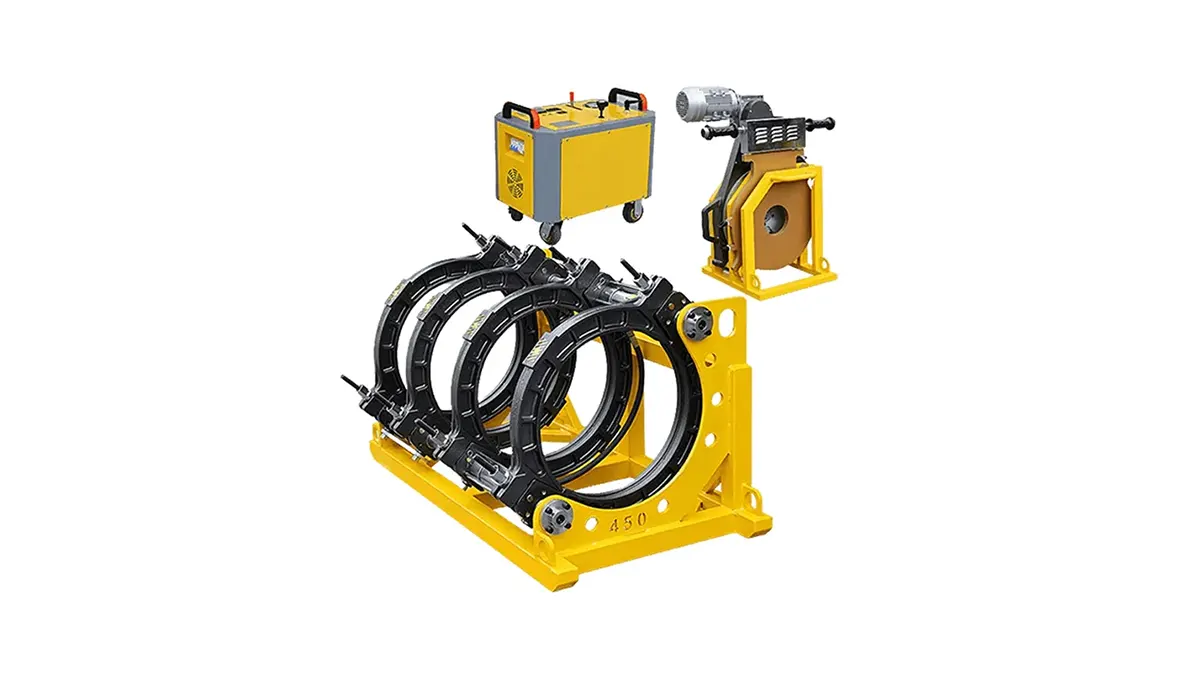
Butt fusion remains the predominant method for joining PE80 pipes from 63mm up to large diameters exceeding 2000mm. The process aligns two pipe ends against a heated plate until a melt bead forms, then forces them together under controlled pressure to create a homogeneous joint. Key machine types include:
- Manual Butt Fusion Machines: Portable frames with lever-operated clamps, suitable for smaller diameters (typically 63mm–315mm) and field work where power sources are limited. These machines prioritize simplicity and weight reduction while maintaining alignment precision through rigid guide rails.
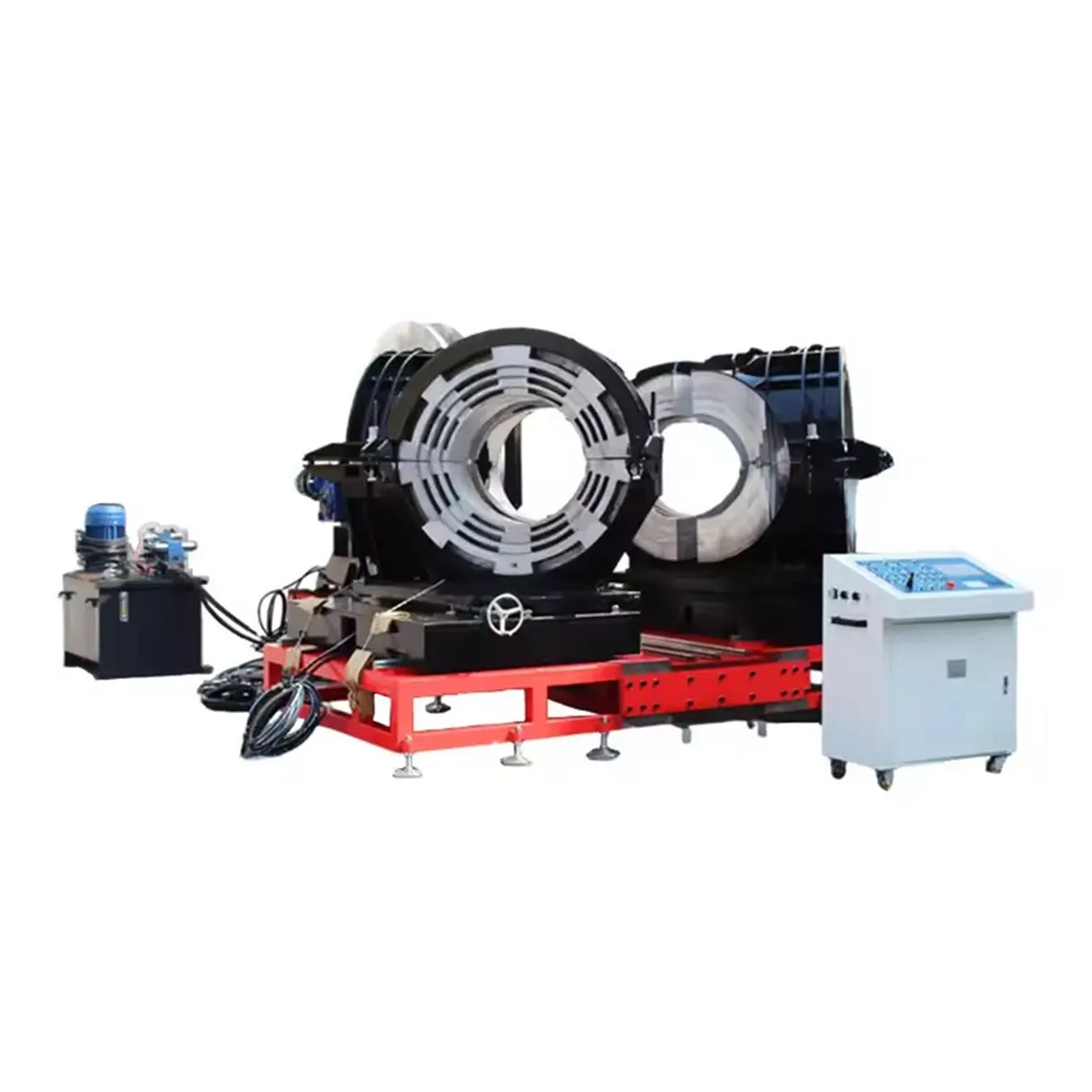
- Hydraulic Butt Fusion Machines: Powered systems that use hydraulic cylinders to control carriage movement and fusion pressure. Essential for medium to large diameter pipes (250mm–2250mm+), these units deliver the consistent force required for thick-wall PE80 gas and water mains. Hydraulic systems enable precise pressure ramping during the heating, heat soak, and cooling phases.
- CNC Automatic Butt Fusion Machines: Computer-controlled systems that automate the entire fusion cycle. Operators input pipe parameters, and the machine monitors temperature, time, and pressure against programmed profiles. These systems generate fusion data logs for quality assurance and are increasingly specified for PE gas piping systems where traceability requirements are stringent.
Electrofusion Equipment
Electrofusion offers an alternative jointing technique where specialized fittings containing embedded heating coils are fused to the pipe exterior. A control unit delivers precise electrical energy to melt the interface, creating a reliable socket-type connection. This method proves particularly valuable for repair scenarios, confined excavations, and tie-in connections where butt fusion machine access is impractical. Modern electrofusion machines read barcode or RFID data from fittings to apply correct fusion parameters automatically.
Multi-Angle Pipe Fitting Machines
Segmented fittings and fabricated tees, elbows, and crosses require specialized equipment capable of holding components at precise angles during fusion. Multi-angle machines provide adjustable clamps that accommodate complex geometries—essential for PE80 piping networks with numerous directional changes or branch connections.
Key Parameters for PE80 Fusion Equipment Performance
Evaluating PE80 pipe jointing equipment requires attention to several technical specifications that directly affect joint quality. The following table summarizes critical parameters and their impact on fusion outcomes:
| Parameter | Requirement | Impact on Joint Quality |
|---|---|---|
| Heating Plate Temperature | 200°C–220°C (±5°C uniformity) | Prevents cold fusion or thermal degradation; non-stick coating condition matters |
| Clamp Alignment | ≤0.5mm mismatch across joint | Excessive mismatch creates stress concentrations and potential crack initiation sites |
| Fusion Pressure Control | 0.15–0.17 N/mm² interfacial pressure | Ensures proper melt mixing without excessive squeeze-out or insufficient bonding |
| Trimmer Function | Produces clean, parallel pipe faces | Contaminated or uneven faces prevent proper melt contact across the full circumference |
| Drag/Pull-in Force Compensation | Measured and added to fusion pressure | Compensates for pipe weight and friction; essential for long pipe strings |
Understanding PE80 Fusion Standards and Compliance
International standards provide the framework for qualifying procedures, equipment, and operators. For PE80 pipe jointing, several documents define accepted practices. The PE butt fusion equipment standard (ISO 12176-1) specifies design and performance requirements for butt fusion machines, while ASTM F2620 heat fusion provides the standard practice for joining PE pipe and fittings in North American markets. Gas sector projects frequently reference ASTM D2513 PE gas pipe standards alongside the PPI technical guidance documents that cover procedural details, operator qualification, and field inspection criteria.
Contractors should verify that their PE80 pipe jointing equipment carries relevant certifications and that operators hold valid fusion credentials. Many jurisdictions now require documented fusion data for each joint, making machines with built-in data logging capabilities increasingly valuable for compliance and long-term liability management.
Selecting the Right Equipment for Your PE80 Project
The decision matrix for equipment selection balances multiple factors: pipe diameter range, wall thickness (SDR rating), production rate requirements, site accessibility, and operator skill levels. Small-diameter service lines (20mm–63mm) may be addressed efficiently with manual machines or electrofusion, while trunk mains exceeding 500mm demand hydraulic systems with substantial clamping force. JQ-Fusion, a professional manufacturer specializing in HDPE pipe welding machines, provides reliable butt fusion solutions engineered to meet these diverse requirements across global infrastructure projects.
Consider the following when specifying equipment:
- Diameter Capacity: Machines should accommodate the full range of PE80 pipes on your project, with sufficient margin for unexpected requirements.
- Clamp Type: Aluminum clamps offer weight advantages; steel clamps provide durability for high-cycle production. Some systems feature quick-change inserts for diameter versatility.
- Data Logging: For gas and critical water applications, select machines that record temperature profiles, pressure curves, and operator identification per joint.
- Portability: Track-mounted or trailer-mounted configurations improve mobility across pipeline spreads, while compact manual frames suit tight excavations.
- Power Requirements: Verify generator sizing for hydraulic power packs and heating plate wattage demands, especially for large-diameter PE80 fusion.
Operational Best Practices for PE80 Jointing
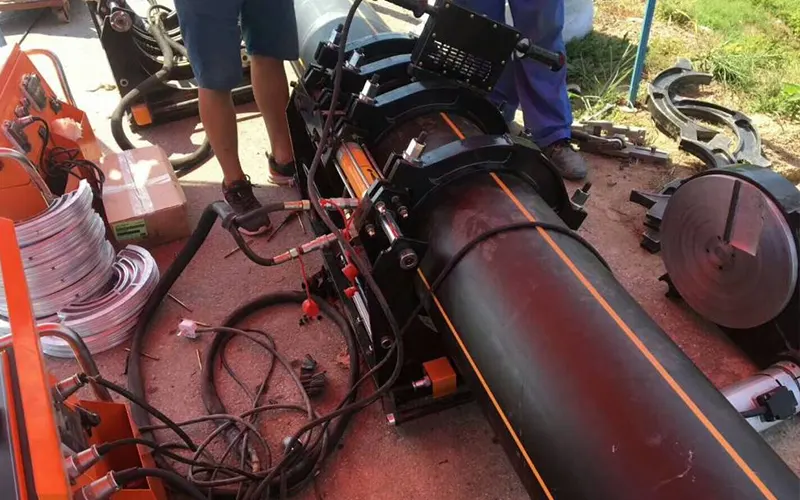
Even premium equipment cannot compensate for procedural errors. Successful PE80 fusion depends on systematic preparation and execution. Begin by inspecting pipe ends for damage, ovality, or contamination. Clean the fusion zone thoroughly and remove any oxidized surface layer using a properly maintained trimmer. Align pipes in the machine clamps, verifying that mismatch does not exceed 0.5mm or 10% of wall thickness, whichever is smaller.
Temperature Verification
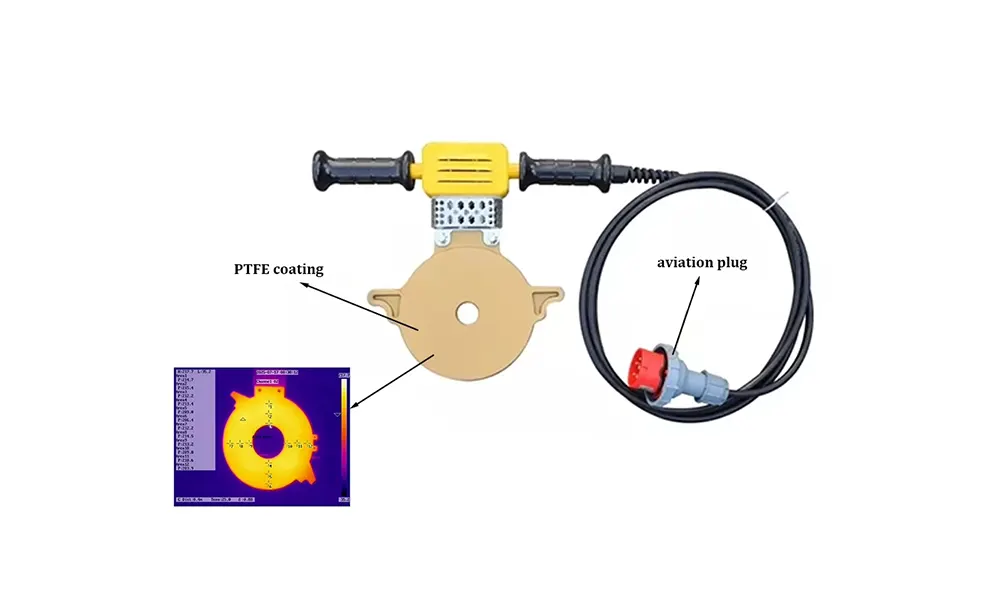
Measure heating plate surface temperature at multiple points before each fusion session. A calibrated pyrometer or contact thermocouple provides verification that the plate maintains uniform temperature within ±5°C. Non-stick PTFE coatings must be intact—scratched or degraded coatings create localized temperature variations that compromise PE80 joint integrity.
Pressure and Time Management
Follow the specific heating time, heat soak time, and cooling time calculations appropriate for PE80 material and pipe dimensions. The PPI butt fusion procedure provides detailed tables for these parameters. Never shorten cooling time under pressure—premature release allows residual stresses to distort the joint while the material remains above its crystalline melting point.
Environmental Considerations
Ambient conditions significantly influence PE80 fusion quality. Wind can cool heating plates unevenly; direct sunlight can create thermal gradients across exposed black pipe surfaces. Protective shelters or windbreaks improve consistency during field operations. In cold weather (<5°C), preheating pipe ends or extending heating times compensates for rapid heat dissipation into the pipe wall.
Equipment Maintenance and Calibration
Regular maintenance sustains PE80 pipe jointing equipment performance and extends service life. Establish a maintenance schedule covering these critical items:
- Heating Plate: Clean after each use; inspect PTFE coating daily; replace plates with damaged surfaces immediately.
- Hydraulic System: Check fluid levels, hose integrity, and cylinder operation weekly; calibrate pressure gauges per manufacturer intervals.
- Clamp Alignment: Verify rail straightness and jaw parallelism monthly; adjust or replace worn guide bushings.
- Trimmer Blades: Sharpen or replace cutting blades when face quality degrades; check drive motor brushes and gearbox lubrication.
- Temperature Controllers: Calibrate against certified reference thermometers quarterly or per project specifications.
Joint Inspection and Quality Verification
Visual inspection of completed PE80 butt fusion joints provides immediate quality feedback. Properly fused joints exhibit uniform, symmetrical double beads with smooth surfaces and consistent size around the entire circumference. Bead dimensions should fall within the ranges specified by ISO 21307 or relevant national standards. The bead width-to-height ratio serves as a quick indicator of fusion pressure adequacy. Additionally, destructive testing of sample joints—through tensile testing, bend testing, or hydrostatic pressure testing—validates procedure qualification and operator competency.
Common PE80 Jointing Challenges and Solutions
| Challenge | Possible Causes | Corrective Action |
|---|---|---|
| Cold fusion (no visible bead) | Low plate temperature, insufficient heating time, premature plate removal | Verify plate temperature; extend heating phase; ensure operator training on timing |
| Asymmetric or uneven bead | Pipe misalignment, clamp slippage, uneven heating plate contact | Re-align pipes; check clamp tightness; inspect plate surface condition |
| Excessive bead size | Fusion pressure too high, heating temperature excessive | Recalculate pressure based on pipe area; verify temperature and reduce if needed |
| Discoloration or oxidation | Overheating, extended heat soak, contaminated plate surface | Clean plate; reduce temperature; follow prescribed heating durations |
| Joint voids or porosity | Insufficient trimmer face quality, contamination, moisture | Re-trim pipe ends; clean surfaces; protect from moisture during fusion |
Advancing Your PE80 Pipeline Performance
Investing in appropriate PE80 pipe jointing equipment represents a long-term commitment to pipeline reliability. The technology continues to evolve, with modern machines offering enhanced data integration, automated parameter selection, and real-time quality monitoring. By combining properly specified equipment with thorough operator training, rigorous maintenance, and adherence to established fusion procedures, project teams can consistently deliver joints that match or exceed the service life of the PE80 pipe material itself. Whether deploying manual machines for distribution networks or fully automated systems for transmission mains, the principles of controlled heating, precise alignment, and disciplined cooling remain the foundation of every successful polyethylene connection.