
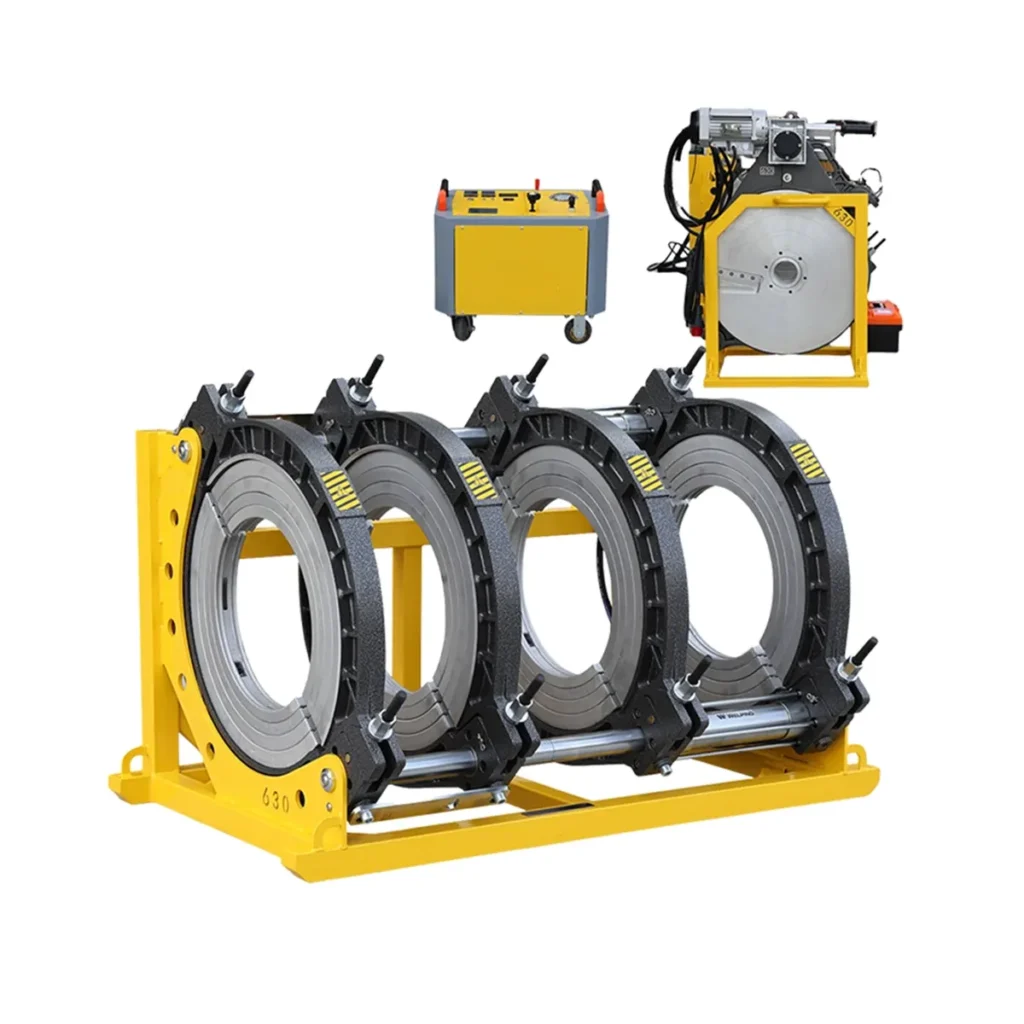
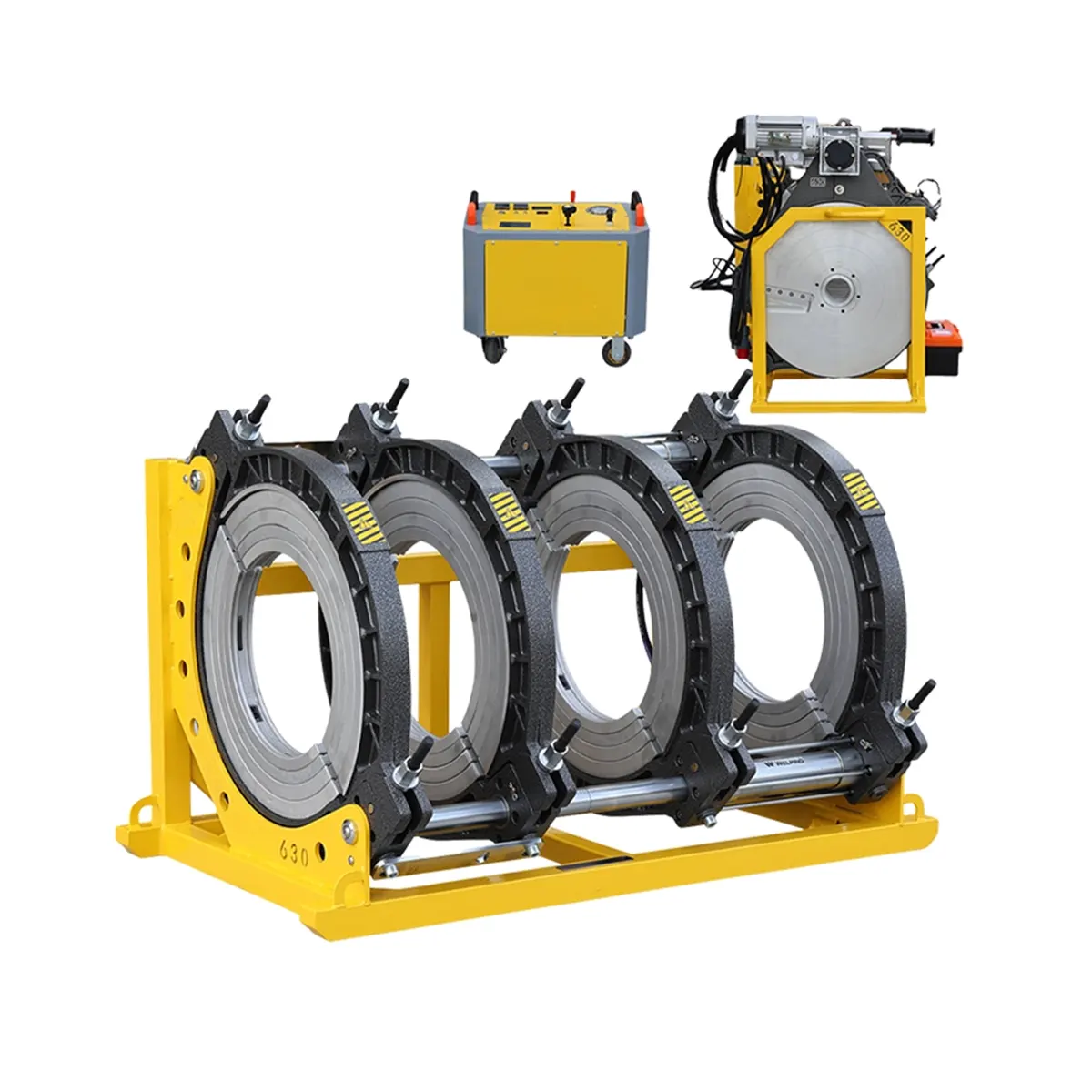
PE pipe welding equipment safety operation requirements are essential for protecting workers, ensuring reliable joints, and meeting regulatory standards on construction and infrastructure projects. This guide covers practical safety steps for butt fusion, electrofusion, manual, hydraulic and automatic welding machines to help teams reduce risks and improve quality.
Why Safety Matters for PE Pipe Welding
Welding HDPE and other PE pipes involves heat, high pressure, electrical components, and heavy equipment. Accidents can cause injuries, project delays, and weak welds that lead to leaks or failures in water, gas, and industrial pipelines. Adhering to safety operation requirements protects people and preserves the long-term integrity of the pipeline system.
Core Safety Principles
Preparedness, competency, and consistent equipment checks are the three foundations of safe PE pipe welding. Always confirm operator training, use the right PPE, inspect tools before each shift, and follow manufacturer guidelines for temperature and pressure.
Pre-Operation Checklist
Before starting any welding task, walk through a standard pre-operation routine to catch hazards early.
- Training verification: Confirm operators are certified for butt fusion or electrofusion techniques and understand machine controls and emergency shutdown procedures.
- Site assessment: Level ground, adequate ventilation, clear workspace, and safe distances from flammable materials.
- Tool inspection: Check heating plates, clamping systems, hydraulic lines, cables, and electrical connections for wear or damage.
- Material inspection: Verify pipe size, grade, and cleanliness—no visible contamination, cracks, or severe ovality.
Personal Protective Equipment (PPE)
Appropriate PPE reduces exposure to burns, electrical shock, and mechanical impacts. Minimum PPE for PE welding includes:
- Heat-resistant gloves and protective sleeves.
- Safety boots with toe protection.
- Eye protection—safety goggles or face shield for splatter and hot surfaces.
- High-visibility clothing when on active construction sites.
Safe Operation Procedures
Machine Setup and Calibration
Correct setup directly affects weld quality and operator safety. Always:
- Set heater plate temperature per material specifications and ambient conditions.
- Secure pipes in clamps—ensure alignment and axial restraint before heating and fusion.
- Use machine guards and keep hands away from hot surfaces during the heating phase.
Heating, Fusion, and Cooling Steps
Follow a documented welding procedure (WPS) for each joint. Key safety points:
- Never bypass interlocks or temperature controls.
- Monitor heater plate temperature with calibrated instruments.
- Maintain required fusion pressure and hold time; allow adequate cooling time to avoid joint distortion.
Electrical Safety for Electrofusion Equipment
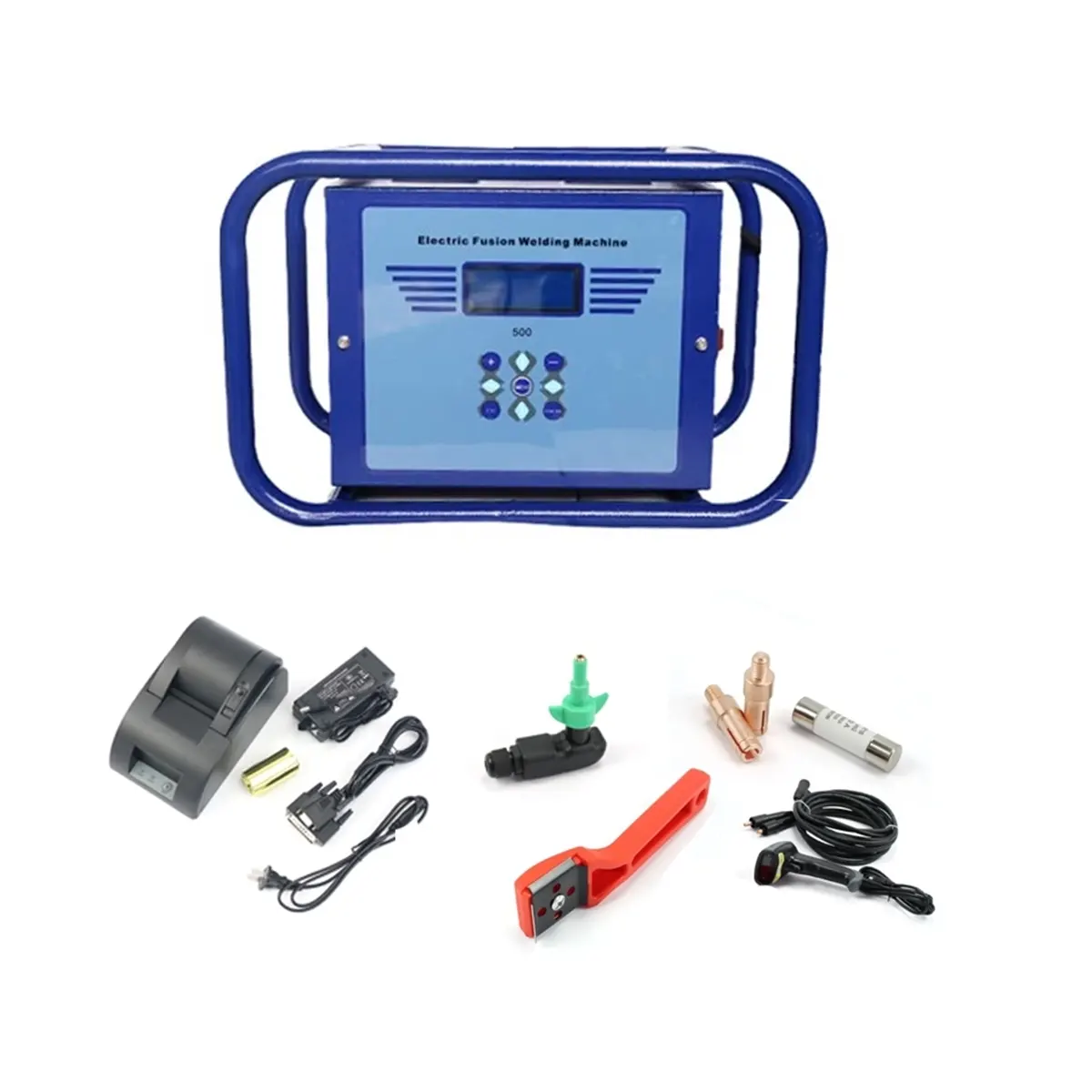
Electrofusion units present unique electrical hazards. Implement these guidelines:
- Ensure clear, dry connections and use residual current devices (RCDs) where required.
- Inspect cables and connectors for insulation damage before each use.
- Follow lockout/tagout procedures during maintenance to prevent accidental energizing.
Maintenance and Inspection Schedule
Regular maintenance keeps equipment safe and reliable. Use a log to track inspections, repairs, and calibration. Critical items include heater plate flatness, hydraulic fluid levels, seals, electrical grounding, and control accuracy.
| Item | Requirement | Frequency |
|---|---|---|
| Heater plate | Check flatness & temperature calibration | Daily / after impact |
| Hydraulic system | Inspect hoses, fittings, and pressure levels | Weekly |
| Electrical cables | Insulation, connectors, grounding | Daily |
| Clamps & frames | Check alignment & locking mechanisms | Before each joint |
Common Hazards and Preventive Actions
Burns and Hot Surfaces
Mark hot zones, allow cooling periods, and use heat-resistant tools. Never touch heated plates or freshly fused joints without PPE and cooling time.
Pinch and Crush Injuries
Keep clear of moving parts and hydraulic clamps during operation. Use mechanical supports for heavy pipes and avoid manual lifting above safe limits.
Electrocution Risk
Maintain dry working areas, use insulated tools, and ensure grounding. Operators should never handle live connectors with wet hands.
Quality Records, Traceability & Incident Reporting
Record weld parameters (temperature, pressure, heating time, cooling time), operator ID, machine ID, and inspection results for every joint. A clear log helps identify root causes if a failure occurs and supports regulatory compliance.
Basic Troubleshooting Tips
- Uneven shoulders after fusion: Check alignment, clamp condition, and heating plate uniformity.
- Poor fusion strength: Verify temperature calibration, fusion pressure and hold time.
- Electrical failures: Inspect fuses, circuit breakers, connectors, and control unit power supply.
Training & Competency
Operators should receive hands-on training covering equipment-specific operation, safety protocols, daily inspection routines, and emergency procedures. Refresher courses should be scheduled periodically and after extended equipment downtime.
About JQ-Fusion: JQ-Fusion is a professional manufacturer specializing in HDPE pipe welding machines, providing reliable butt fusion solutions for global infrastructure projects. With years of industry experience, they develop manual, hydraulic, and CNC automatic butt fusion welding machines for a wide range of pipe sizes used in water supply, gas distribution, mining, and industrial systems. https://jq-fusionwelding.com/



