
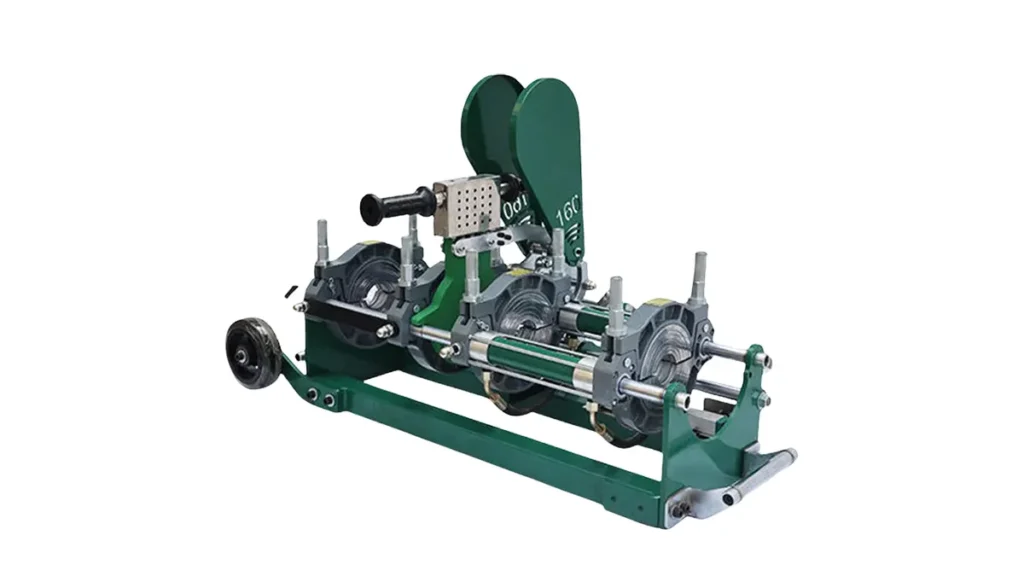
This troubleshooting guide explains how to diagnose and fix common fault alarms on PE (HDPE/PE) pipe welding equipment — including automatic butt fusion, hydraulic, and manual machines. It focuses on practical inspection steps, root-cause identification, and effective repair methods to minimize downtime and ensure weld quality.
Quick Safety Steps Before Troubleshooting
Always follow safety protocols: isolate power, relieve hydraulic pressure, and secure hot surfaces. Wear protective gloves and eye protection. If the alarm indicates a high-temperature or hydraulic leak, clear personnel from the area until safe conditions are restored.
How PE Welding Alarms Work (Overview)
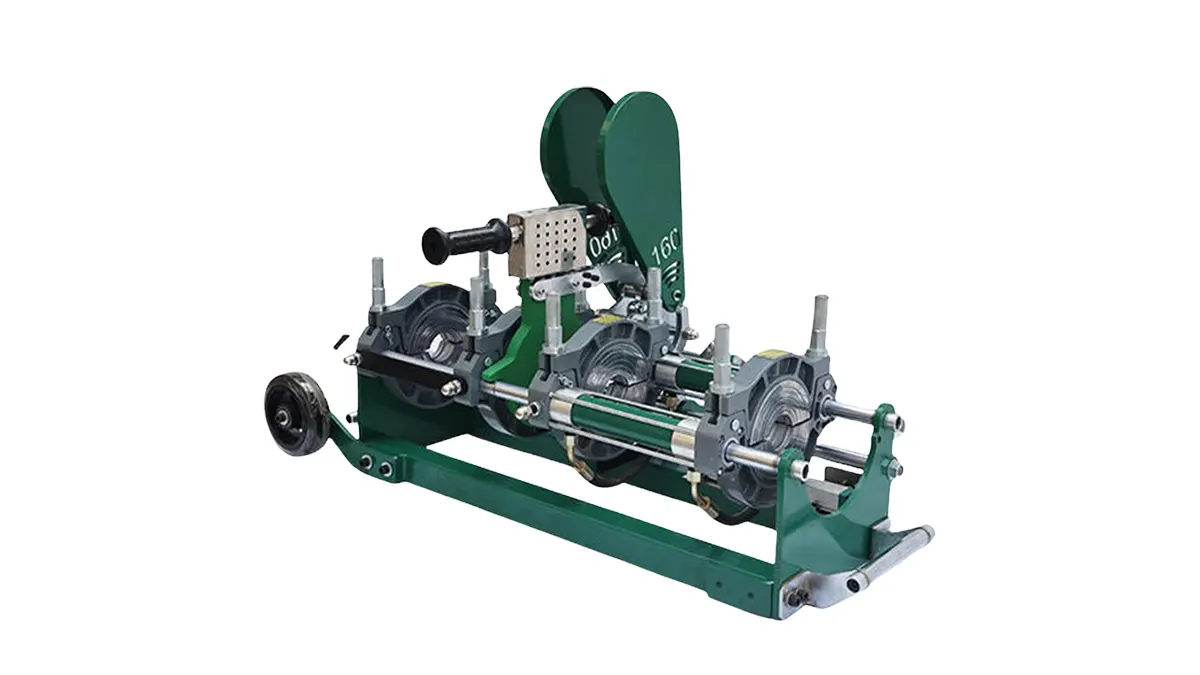
Modern PE welding machines use sensors (thermocouples, pressure transducers, encoders) and controllers (PLC or MCU) to monitor temperature, time, pressure, and mechanical position. When a monitored parameter deviates beyond preset limits, the system triggers an alarm and often locks further welding actions to protect equipment and joints.
Common alarm categories
- Temperature Deviations — sensor fault, heater failure, wiring issue, or incorrect setpoint.
- Hydraulic/Pressure Alerts — pump fault, leak, valve malfunction, or pressure sensor drift.
- Position/Encoder Errors — mechanical jamming, encoder misalignment, broken coupling.
- Electrical/PLC Faults — supply voltage issues, communication error, software exception.
Step-by-Step Troubleshooting Workflow
Follow these steps in sequence to diagnose most alarms efficiently. Document each check and result to speed up repair and reporting.
1. Visual and Basic Checks
- Confirm alarm message and timestamp on the panel or control screen.
- Inspect visible wiring, connectors, and sensor leads for damage or loose connections.
- Check for obvious hydraulic oil leaks, burnt smells, or charred components.
2. Electrical System Diagnosis
- Measure incoming voltage and ground integrity. Low or unstable supply triggers unpredictable alarms.
- Check fuses, circuit breakers, and contactors. Replace failed fuses and test contactor coils.
- Use a multimeter to confirm continuity on sensor wiring; repair or replace damaged cables.
3. Temperature & Heater Plate Checks
- Compare heater plate temperature reading to an independent thermocouple. If sensor mismatch exists, test sensor resistance and wiring.
- Inspect the heating element for damage or hotspots. Replace heating cartridge or plate if open-circuit or shorted.
- Clean the heater surface; poor contact between the heating plate and sensors leads to false readings.
4. Hydraulic System & Pressure Troubleshooting
- Check hydraulic fluid level and quality; contaminated or low fluid causes pressure drops.
- Inspect hoses, seals, and fittings for leaks. Replace worn seals and cracked hoses.
- Test pump output and relief valve settings; adjust or repair the hydraulic pump if pressure is unstable.
5. Mechanical & Clamping Systems
- Confirm clamps open/close freely and that carriage moves without binding. Lubricate rails and screws where required.
- Check alignment and tightness of fixtures and jaws; worn clamps can produce position alarms.
- Inspect encoder and mechanical couplings; replace damaged encoders or re-secure couplings.
Common Alarm Table — Causes and Fixes
| Alarm | Likely Cause | Immediate Check | Fix |
|---|---|---|---|
| Heater Overtemp | Thermocouple failure / stuck relay / heater short | Compare sensor with handheld thermocouple | Replace sensor or heater element; reset controller |
| Temperature Low / Not Heating | Open heater / poor contact / bad power supply | Check power to heater, fuses, and terminals | Repair wiring, replace heating cartridge |
| Hydraulic Pressure Alarm | Leak / pump wear / relief valve misset | Visual leak check; measure system pressure | Replace seals/hose; rebuild pump; adjust relief valve |
| Encoder / Position Error | Mechanical jam / encoder cable fault | Attempt manual movement; inspect encoder connector | Clear obstruction / replace encoder or cable |
| PLC / Communication Fault | Software lock / intermittent power / module failure | Check logs, restart controller, check supply voltage | Reload program, replace modules, ensure stable power |
Repair Methods & Practical Tips
- Sensor Replacement: Match sensor type and range. Seal cable entry points to prevent moisture ingress.
- Heater Element Repair: Use original-spec heating cartridges or manufacturers’ approved replacements to ensure even heating.
- Hydraulic Seal Repair: Replace seal kits as a set; bleed the system and test under no-load and full-load conditions.
- Controller Recovery: Back up controller settings regularly. When reloading firmware, follow the OEM configuration values for weld profiles.
Recommended spare parts and tools
- Spares: thermocouples, heating cartridges, hydraulic seals, pressure transducers, encoder modules.
- Tools: insulated multimeter, portable thermocouple, hydraulic pressure gauge, torque wrench, electrical crimping kit.
Preventive Maintenance Checklist (Monthly / Quarterly)
| Task | Frequency | Why it matters |
|---|---|---|
| Inspect heater plate and sensors | Monthly | Prevents false readings and ensures even heat |
| Hydraulic fluid level & filter | Quarterly | Avoids pump wear and pressure loss |
| Electrical connector torque & insulation | Quarterly | Reduces intermittent faults and arcing |
| Mechanical lubrication & clamp check | Monthly | Ensures smooth movement and accurate alignment |
When to Call Professional Support
If alarms persist after basic checks, or if the fault involves PLC module replacement, major hydraulic pump repair, or safety-critical failures, escalate to certified technicians. For original spare parts and technical service, contact the equipment manufacturer or authorized service partner.
Manufacturer contact
Product and service inquiries: JQ-Fusion
Final tips for operators
Log every alarm and corrective action; trends reveal underlying issues before they become emergencies. Keep a small, labeled spare kit onsite and schedule regular training for operators on alarm interpretation and safe isolation procedures.



