
Standardizing PE pipe welding on construction sites turns skilled work into repeatable, auditable outcomes. A robust construction standardization system reduces leaks, speeds project delivery, and ensures pipeline longevity by aligning people, procedures, equipment, and quality control with accepted butt-fusion best practices.
Why Standardization Matters for PE Pipe Welding
Consistent welding practices directly affect system reliability. Standardization minimizes human error, ensures regulatory compliance, and optimizes resource use. For infrastructure sectors such as water supply, gas distribution, and mining, a stable welding standard reduces maintenance costs and safety risks over the asset lifecycle.

Core Elements of a PE Pipe Welding Construction Standardization System
Welding Procedure Specifications (WPS)
Create detailed WPS documents for each pipe material and SDR. A clear WPS defines heating time, fusion pressure, alignment tolerance, and cooling procedures. Use standardized templates to speed approval and training.
Equipment Selection, Calibration & Maintenance
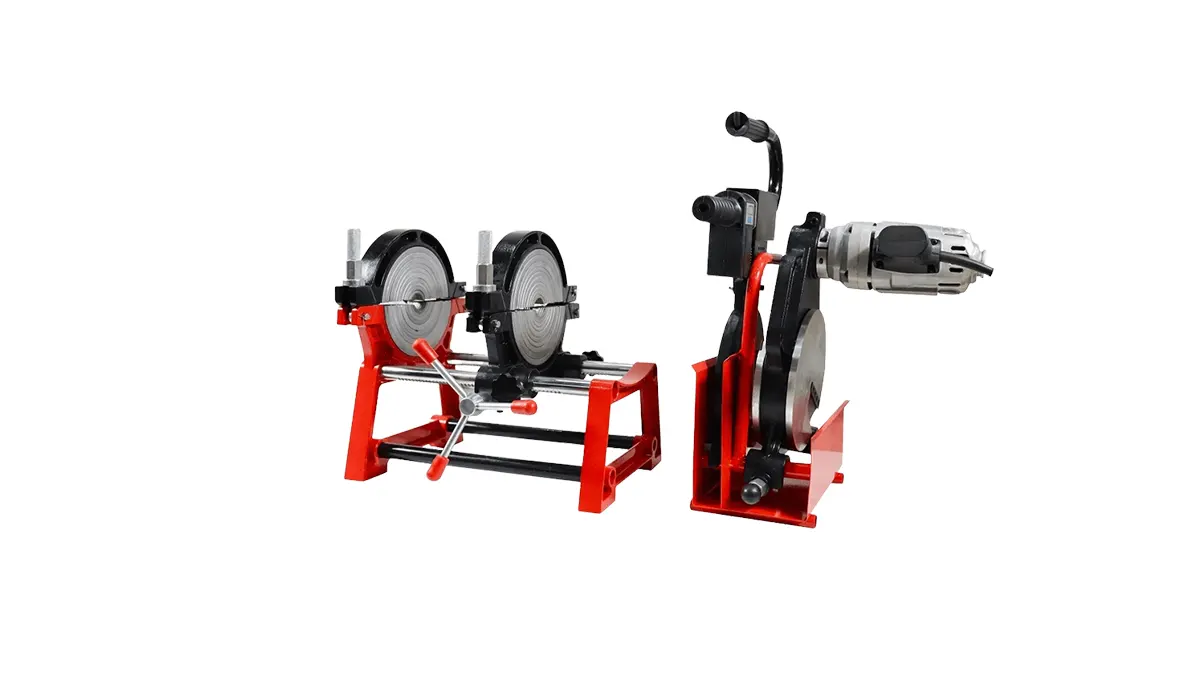
Choose machines rated for the pipe diameters and site conditions. Regular calibration of heaters, pressure systems, and alignment frames preserves weld integrity. Keep calibration records and set scheduled maintenance intervals.
Operator Qualification & Training
Operators must be certified on the exact fusion process used on site. Implement competency checks, refresher courses, and on-site mentoring to maintain consistency across crews.
Joint Preparation & Fusion Parameters
Standardize pipe facing, cleanliness, and preheat checks. Record and enforce fusion parameters—temperature, soak time, upset, and cooling time—per the approved WPS to avoid weak joints.
Quality Control, Inspection & Testing
Define in-line inspection steps, destructive and non-destructive testing protocols, and acceptance criteria. Use checklists and digital logs to make audits straightforward and defensible.
Safety Management & Site Procedures
Integrate welding work into the site safety plan. Address electrical, thermal, lifting, and confined-space risks. Standardize PPE and emergency response steps for welding crews.
Documentation & Traceability
Capture machine IDs, operator names, WPS references, environmental conditions, and digital fusion logs for each joint. Traceability supports warranty claims and long-term asset management.
Quick Reference: Typical Butt Fusion Parameters
| Pipe OD (mm) | Approx. Heating Time | Fusion Pressure | Cooling Time |
|---|---|---|---|
| 20 – 63 | 30 – 60 s | Low (handheld clamp) | 1 – 5 min |
| 75 – 160 | 60 – 180 s | Medium (hydraulic) | 5 – 15 min |
| 200 – 500+ | 2 – 10 min | High (large hydraulic) | 15 – 60+ min |
Implementation Tips for Contractors
Start with a pilot corridor to validate WPS and inspection workflows. Use digital logbooks and photos for every critical joint. Standardize spare-part kits and consumables so crews are never delayed by missing components.
Common Pitfalls and How to Avoid Them
Do not improvise on heating times or skip preheat surface checks. Environmental conditions (wind, temperature) change fusion results—adjust WPS or pause operations when necessary. Regular audits and random destructive testing are the fastest way to catch process drift.
For reliable butt-fusion equipment and customized machine solutions that support a standardized construction system, JQ-Fusion provides a range of manual, hydraulic, and automatic machines suited to global infrastructure projects: https://jq-fusionwelding.com/



