
Industrial-Grade PE Pipe Fusion Welding Equipment Manufacturer
JQ-Fusion delivers high-precision, heavy-duty thermoplastic joining systems designed for extreme infrastructure demands. From high-pressure gas distribution and municipal potable water networks to corrosive mining and industrial slurry transfer lines, our machinery ensures zero-leak joint integrity complying with ISO 21307 and ASTM F2620 technical criteria.
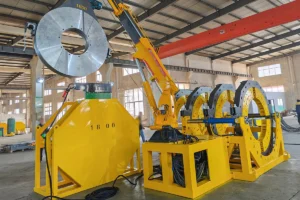
State-of-the-Art PE Pipe Fusion Welding Technology
Solid jointing of polyethylene pipelines demands stringent adherence to thermodynamic, mechanical, and pressure control principles. As a dedicated PE pipe fusion welding equipment manufacturer, JQ-Fusion integrates robust mechanical frames, proprietary microprocessor-controlled heating plates, and responsive hydraulic power units to guarantee long-term pipeline resilience.
PID Thermal Control Systems
Equipped with high-grade PTFE non-stick coated heating plates and digital microprocessors, delivering surface temperature uniformity within ±3°C to prevent thermal degradation during heat-soak cycles according to ASTM F2620 heat fusion protocols.
Low-Drag Aluminum Clamps
High-rigidity die-cast aluminum main clamps resist torsional stress during pipe misalignment corrections, minimizing offset drag and ensuring strict concentricity across all diameter ranges up to 2250 mm.
Real-Time Data Traceability
Full logging systems capture real-time pressure, plate temperature, ambient conditions, and cooling periods in accordance with PE fusion traceability standard ISO 12176-4 to safeguard field quality management.
Core Polyethylene Fusion Product Lines
Explore our standard and heavy-capacity pipeline welding equipment designed to joint High-Density Polyethylene (HDPE), Medium-Density Polyethylene (MDPE), PP, and PVDF pipes under stringent jobsite conditions.
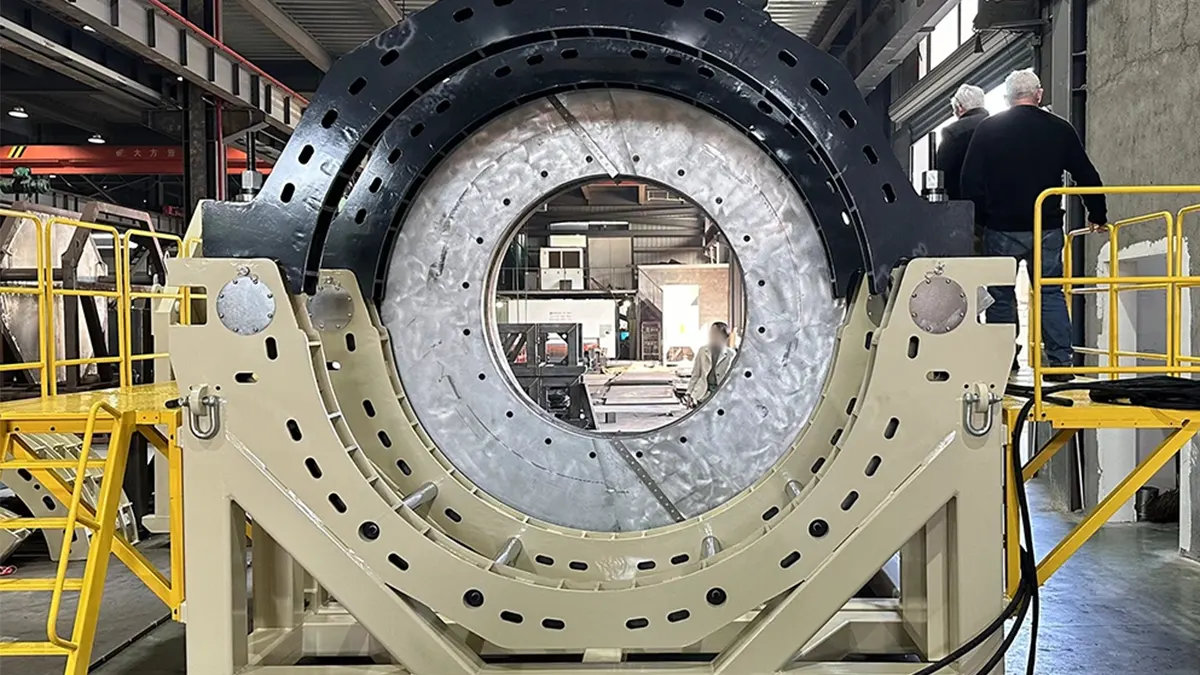
JQH2250mm Hydraulic Butt Fusion Welder
Engineered for large transmission mains, deep-sea outfalls, and massive water conduits with robust hydraulic clamping cylinders.
View Specifications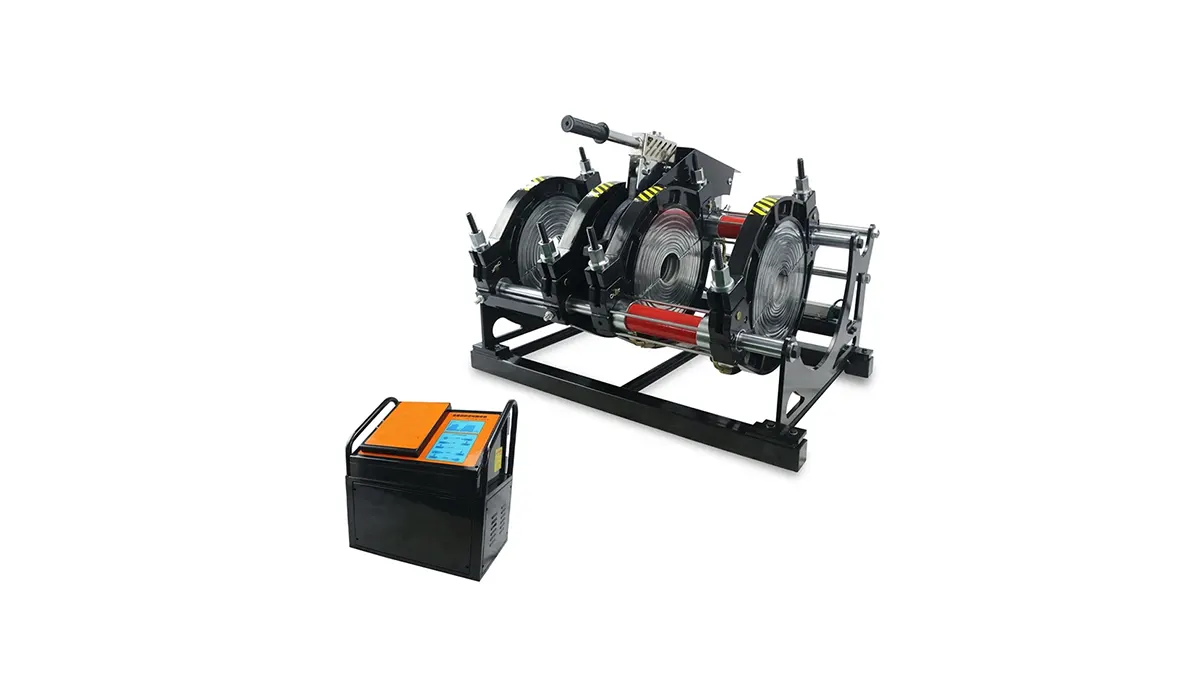
JQA630mm CNC Automatic Butt Welder
Automated cycle management with automated heating plate extraction, eliminating human operator error on gas distribution networks.
View Specifications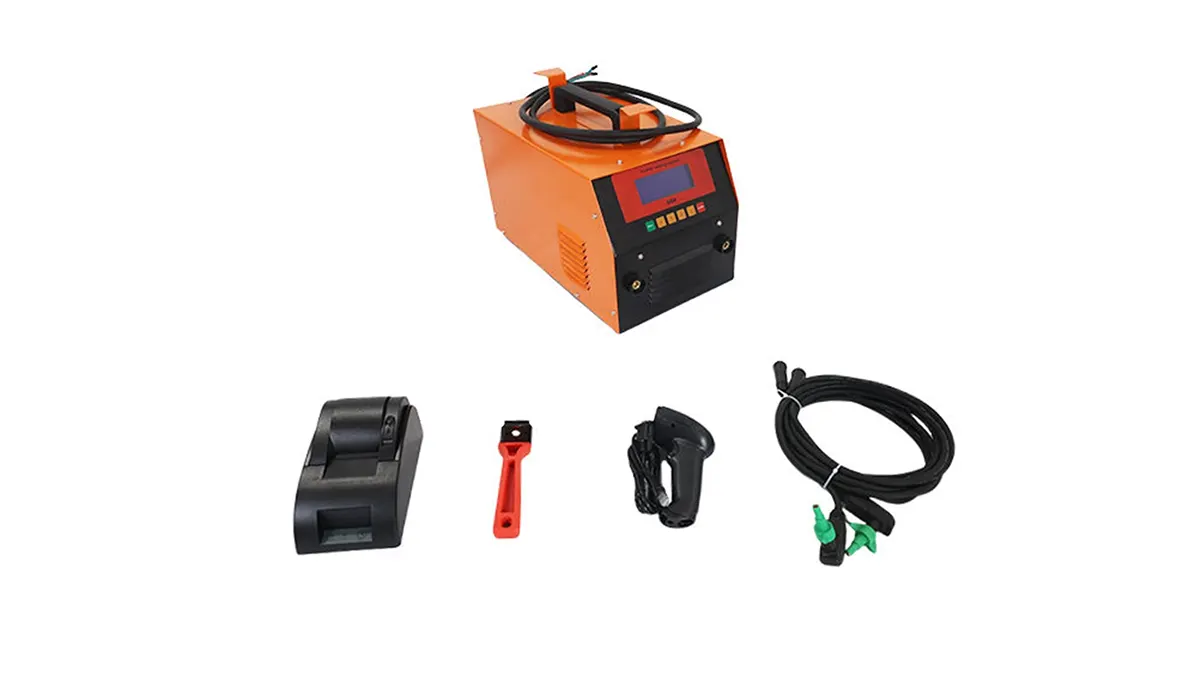
JQEB Smart Electrofusion Machine
Equipped with optical barcode scanning, automatic temperature compensation, and compliance with ASTM F1290 electrofusion fittings.
View Specifications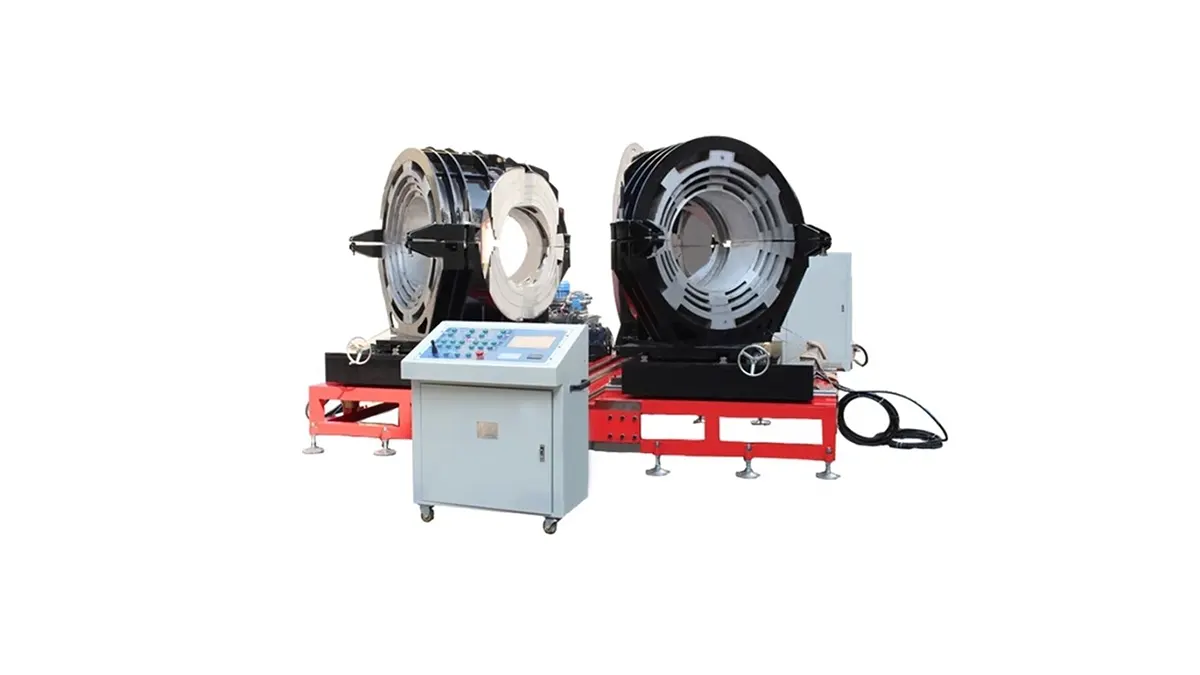
JQMA800 Multi-Angle Workshop Machine
Specialized workshop equipment for fabricating segmented elbows, equal tees, crosses, and custom wyes under controlled indoor environments.
View SpecificationsTechnical Comparison of Hydraulic Butt Fusion Series
Review our hydraulic equipment series, manufactured to exceed the requirements of PE butt fusion equipment standard ISO 12176-1 and field joining regulations.
| Model Series | Working Range (mm / OD) | Heater Power (kW) | Hydraulic Pressure (MPa) | Recommended Applications |
|---|---|---|---|---|
| JQH160 / JQH250 | 63mm – 250mm | 1.5 – 3.1 kW | 0 – 6.3 MPa | Municipal branch lines, residential gas distribution, telecom HDPE conduit |
| JQH315 / JQH450 | 90mm – 450mm | 3.5 – 5.5 kW | 0 – 6.3 MPa | Medium water mains, agricultural irrigation trunks, industrial chemical effluent |
| JQH630 / JQH800 | 315mm – 800mm | 8.5 – 12.5 kW | 0 – 8.0 MPa | High-capacity municipal sewer pipelines, river crossings, district cooling networks |
| JQH1200 / JQH1600 | 630mm – 1600mm | 18.0 – 28.0 kW | 0 – 10.0 MPa | Mining tailings disposal, heavy industrial intake pipes, power plant cooling circuits |
| JQH2250 | 1200mm – 2250mm | 42.0 kW | 0 – 16.0 MPa | Mega marine pipeline outfalls, desalination water corridors, hydro power penstocks |
Butt Fusion Methodology to ISO 21307 Standards
Executing butt fusion joints on PE100 and PE80 pipelines requires adherence to strict thermodynamic parameters outlined in ISO 21307 butt fusion procedures.
Planning & Facing
Pipes are aligned and clamped. The electric planer pares the pipe ends flush and square to remove oxidation and ensure absolute parallel alignment.
Bead-Up Formation
The PTFE-coated heating plate is placed between pipe ends. Interfacial pressure is applied until a uniform molten bead of prescribed height forms around the circumference.
Heat Soak Stage
Hydraulic pressure is relaxed to drag pressure while keeping contact with the heater plate, enabling heat penetration into the thermoplastic pipe wall without pushing back melt.
Fusion & Cooling
The plate is swiftly extracted, and pipe ends are joined under precise fusion pressure, maintained under hydraulic lock until cooling is completed under pressure.
Scale, Reliability & Large Inventory Support
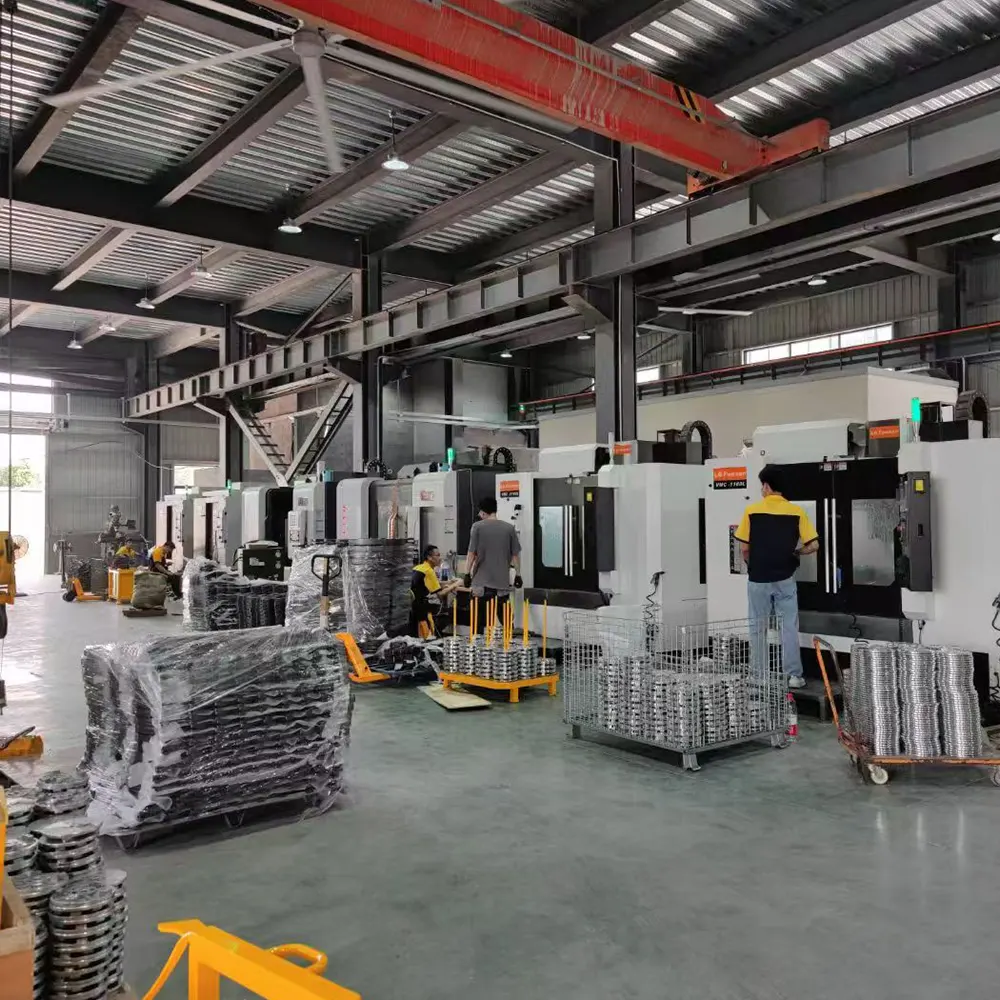
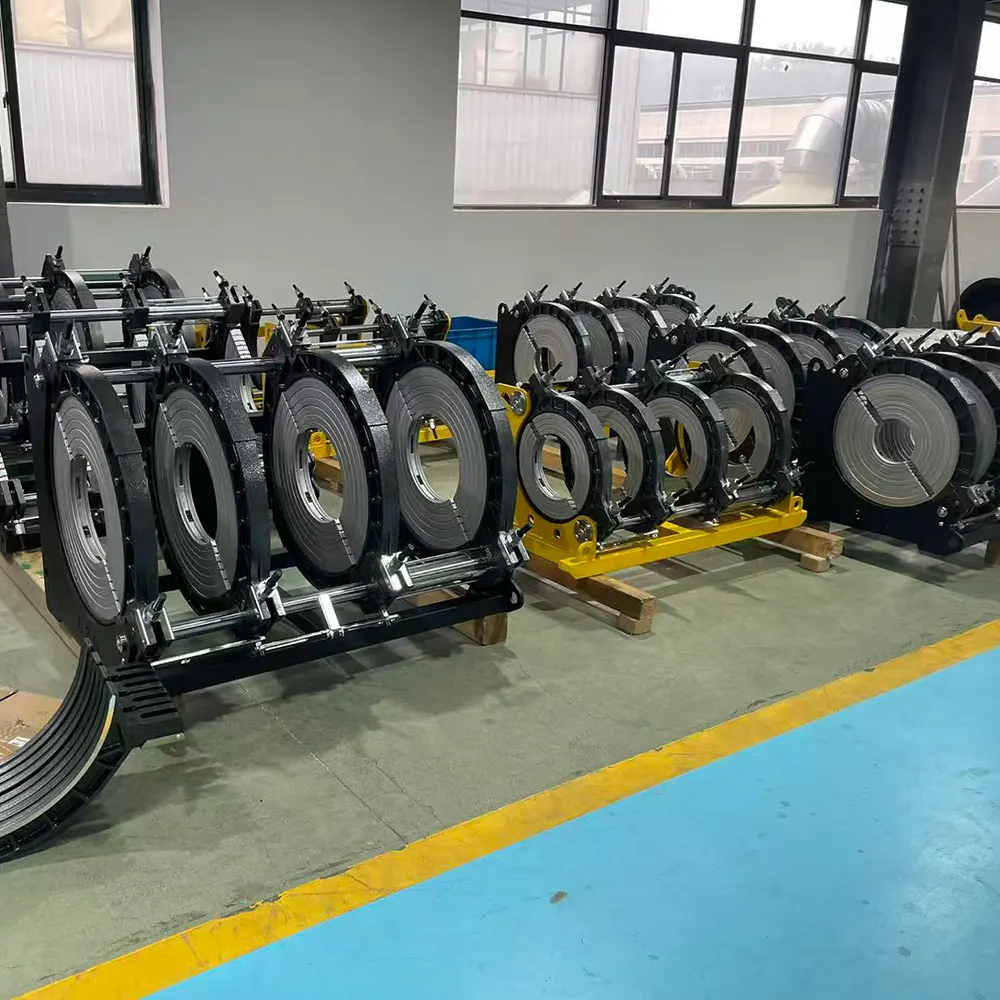
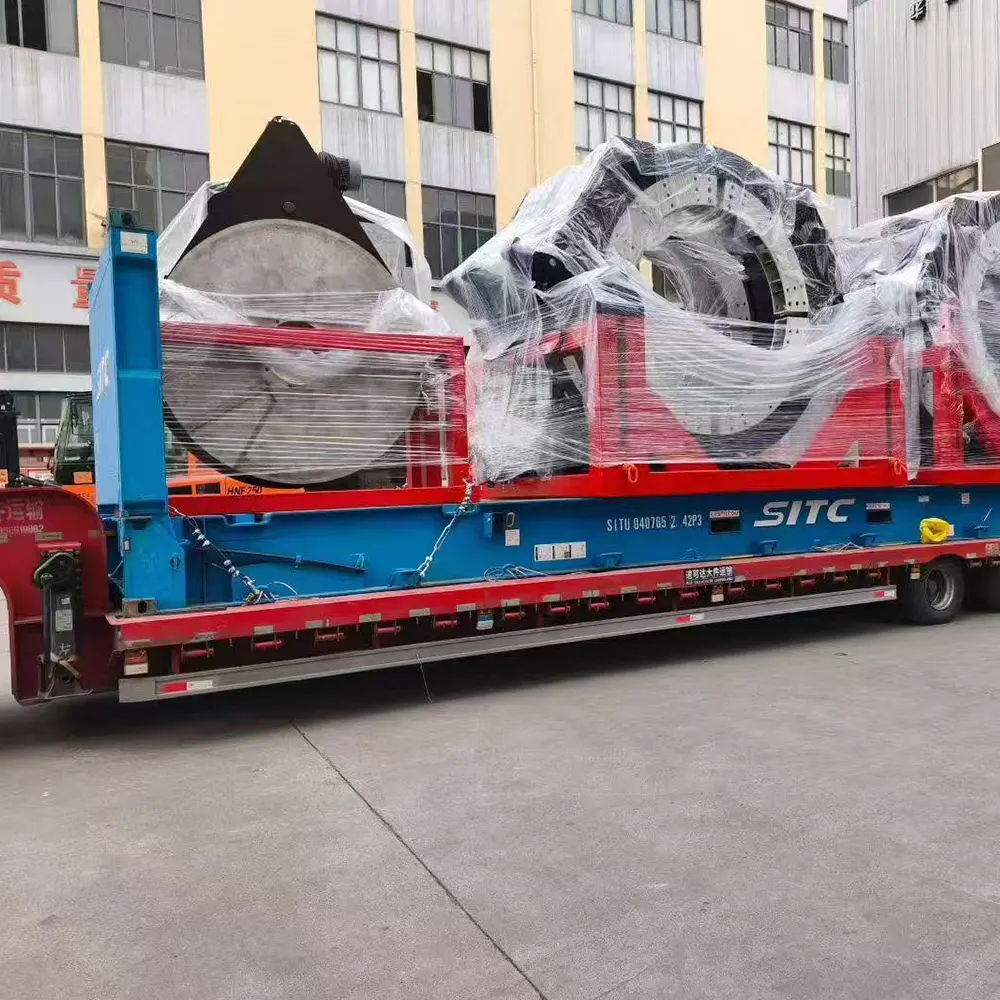
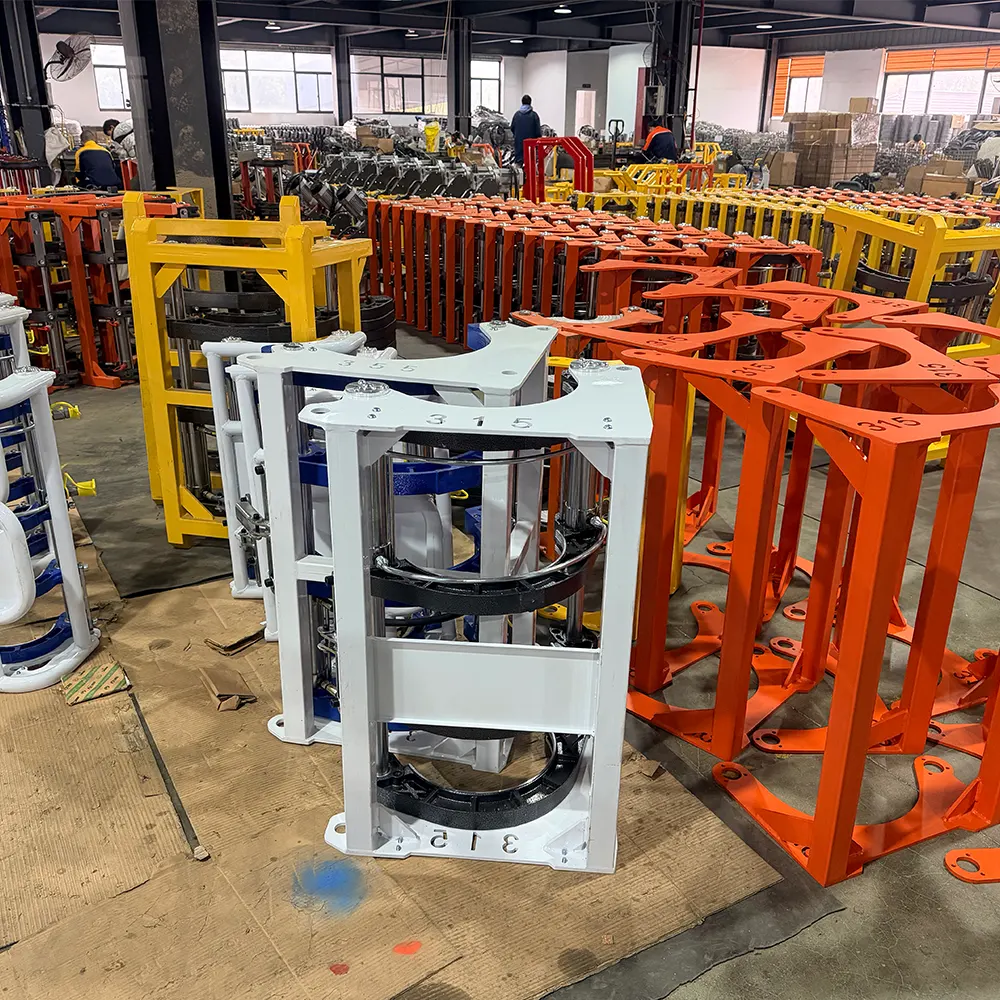
JQ-Fusion maintains advanced production lines and an extensive ready-to-ship inventory of hydraulic, manual, and CNC pipe jointing units. We serve contractors and engineering distributors across more than 60 countries.
Certified for Global Pipeline Infrastructure
Our manufacturing processes, electrical safety systems, and pressure performance parameters comply with international standards, ensuring seamless project approvals worldwide.
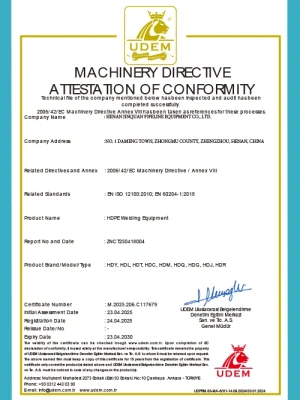
Full compliance with European Union electrical and mechanical machinery directives.
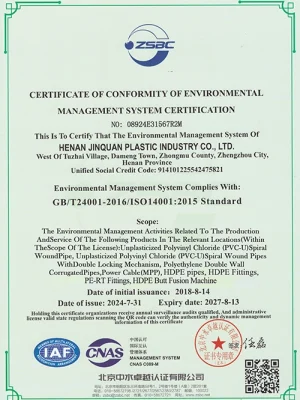
Standardized quality management system across fabrication, assembly, and testing.
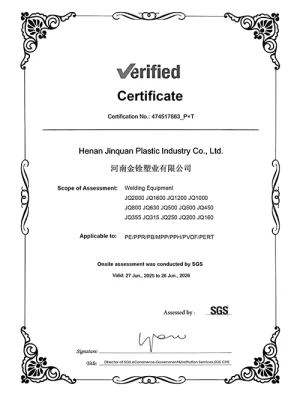
Factory capabilities, hydraulic testing equipment, and export standards verified by SGS.
Frequently Asked Technical Questions
Find engineering answers regarding pipe jointing, equipment selection, and welding compliance.
What is the difference between Butt Fusion and Electrofusion?
Butt fusion directly joints two stripped pipe ends by heating them with a hot plate and applying axial hydraulic pressure. Electrofusion uses specialized fittings embedded with electrical resistance wires that heat and join the pipe. Butt fusion is generally preferred for long cross-country pipe runs, while electrofusion is ideal for tight trenches, repair saddles, and small distribution pipes.
Can different PE materials (e.g., PE80 to PE100) be jointed together?
Yes, provided the Melt Flow Rate (MFR / MFI) values are compatible within standard tolerances (such as 0.2 to 1.4 g/10min according to ISO standards) and wall thicknesses (SDR ratings) match. Refer to PPI technical guidance for mixed-material qualification parameters.
How do I calculate drag pressure during field butt fusion?
Drag pressure is the hydraulic pressure required to overcome the frictional resistance of the pipe moving along rollers or the ground. It is measured on the machine’s hydraulic pressure gauge by noting the minimum pressure required to slide the clamped pipe just before making contact with the planer or heater plate.
What international standards do JQ-Fusion machines comply with?
Our equipment is built to ISO 12176-1 (butt fusion machines), ISO 12176-2 (electrofusion equipment), and complies with jointing procedures under ISO 21307, ASTM F2620, and DVS 2207-1 standards for thermoplastic pipeline construction.
Consult Our Fusion Machinery Specialists
Looking for reliable PE pipe fusion welding equipment, tailored OEM specifications, or regional distributorship opportunities? Our engineering and sales support team is available 24/7 to provide technical schematics, pressure charts, and competitive factory-direct quotations.
