
Plastic pipeline projects demand reliable, durable welding equipment to ensure leak-free, long-lasting joints. This article explains how modern PE pipe fusion machines deliver consistent performance across water, gas, mining, and industrial pipelines, helping engineers and contractors choose the right solution for each job.
Why Choose PE Butt Fusion for HDPE Pipes?
Butt fusion is the industry standard for joining HDPE and other PE pipes because it creates monolithic, homogeneous joints with high mechanical strength and corrosion resistance. Compared with mechanical fittings, butt fusion minimizes maintenance and reduces failure points in demanding environments.
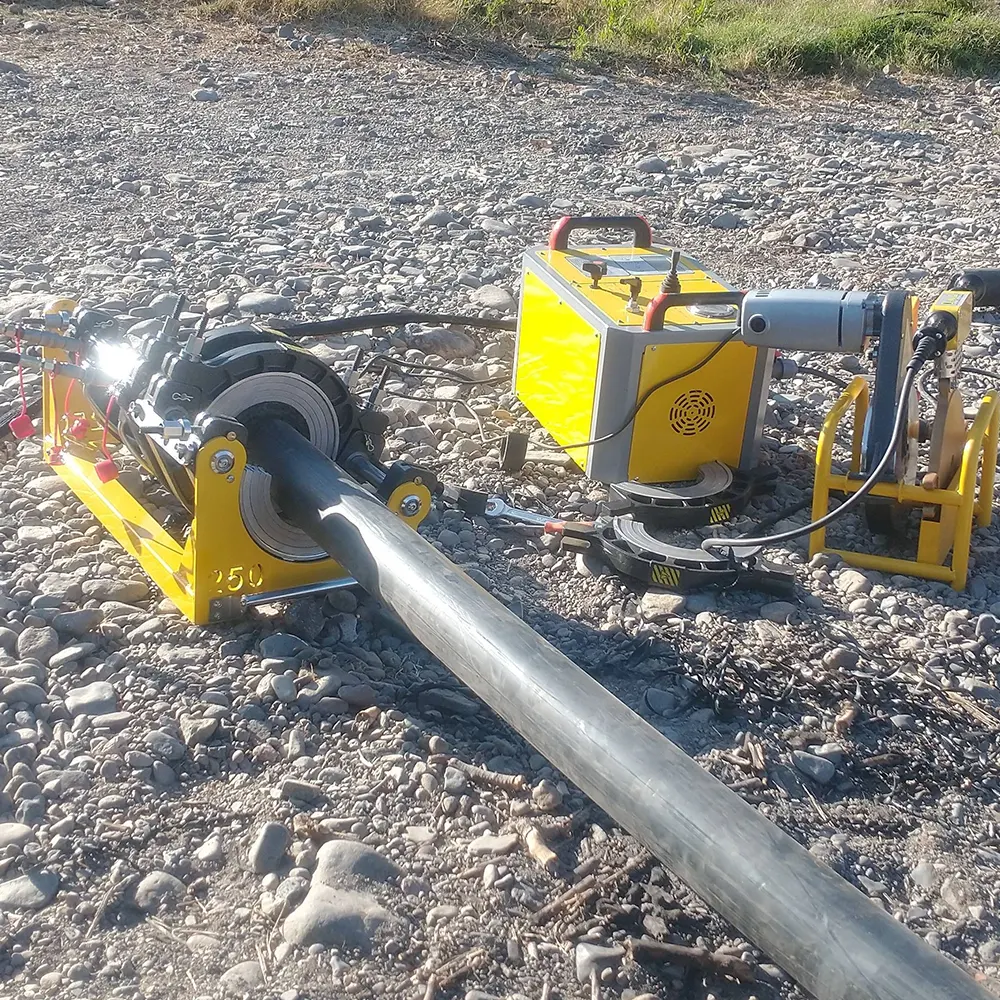
Key Benefits at a Glance
Durability: Fused joints behave like the parent material, resisting corrosion and chemical attack.
Cost-efficiency: Faster installation and fewer repairs lower total lifecycle costs.
Versatility: Machines cover a wide diameter range — from small-service lines to large-diameter mains.
Popular Machine Types
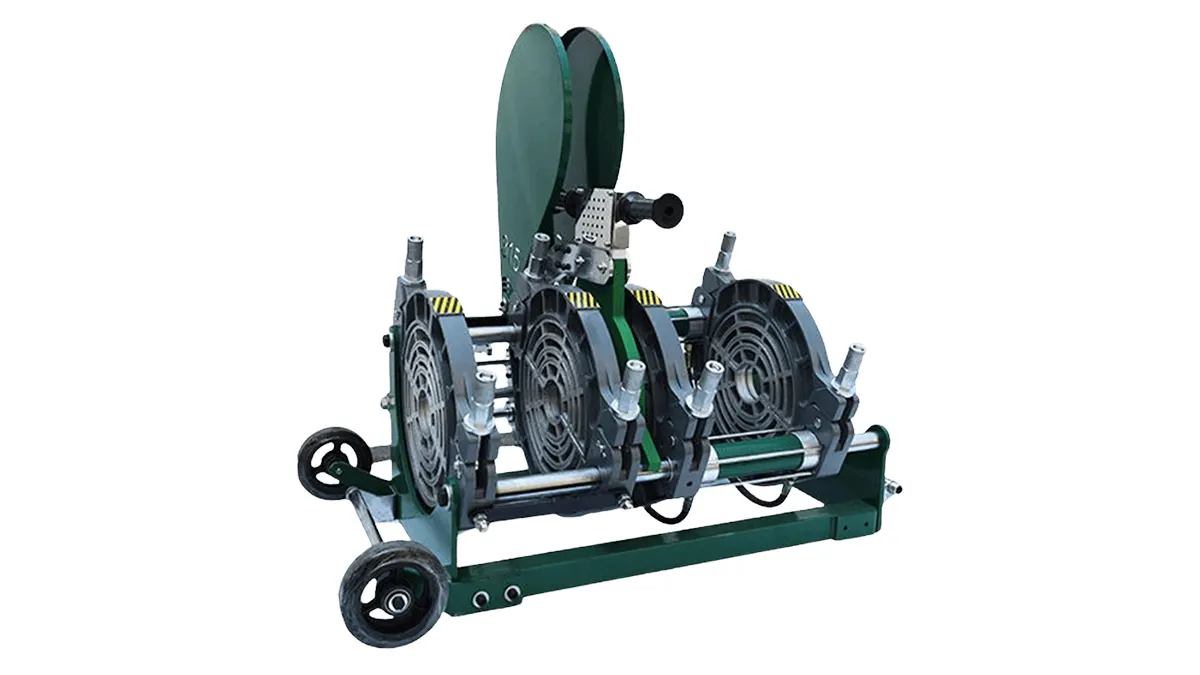
Manual Butt Fusion — lightweight and ideal for small-sites or repair crews.
Hydraulic Butt Fusion — greater clamping force and stability for medium to large pipe diameters.
Automatic / CNC Butt Fusion — precision welding with programmable cycles for repeatable, high-throughput projects.
Many manufacturers also offer combined systems and multi-angle fitting welders for complex fittings and prefabrication.
How to Select the Right Fusion Machine
Match machine capacity with your typical pipe diameters and jobsite conditions. Consider portability for remote worksites, hydraulic power for heavy-duty fusion, and CNC options for large-scale pipeline manufacturing or repetitive welds. Also factor in available training and local service support.
Checklist Before Purchase
- Pipe size range (min–max diameter)
- Power source (hydraulic, electric)
- Control level (manual vs. automatic)
- Spare parts & warranty
- On-site training availability
Technical Specs Comparison
| Model | Pipe Range (mm) | Control | Best Use |
|---|---|---|---|
| Manual Unit | 16–315 | Manual | Field repairs, service lines |
| Hydraulic Series | 160–1600 | Hydraulic | Municipal & industrial mains |
| CNC Automatic | 200–2000+ | CNC / Programmable | Prefabrication, high-volume projects |
Applications Across Industries
PE fusion machines are used in:
- Water supply networks — potable and distribution mains
- Gas distribution — safe, leak-resistant joints for low-pressure systems
- Mining & slurry lines — abrasion-resistant polymer piping
- Industrial process pipelines — chemical and cooling circuits
Installation Best Practices
Follow these steps to ensure high-quality welds: properly align pipe ends, face surfaces with correct tooling, clean heating plate before use, adhere to recommended temperature and pressure cycles, and allow appropriate cooling time before handling joints. Training and welding procedure specification (WPS) adherence are essential for consistent results.
Maintenance Tips for Longevity
Routine maintenance keeps fusion units accurate and reliable: inspect hydraulic lines, verify heaters and thermocouples, calibrate pressure gauges, and keep clamps and surfaces free from debris. Store machines in dry conditions and replace worn parts promptly.
Why Supplier Reputation Matters
Choose manufacturers who demonstrate rigorous quality control, provide clear documentation, and support training and spare parts. One such provider with a global presence and a full range of manual, hydraulic, and CNC butt fusion machines is JQ-Fusion — a professional manufacturer focused on HDPE pipe welding solutions.
Quick FAQs
Q: What diameters can butt fusion cover?
A: From small service pipes (16mm) to very large diameters (2000mm+), depending on the machine model.
Q: Is butt fusion suitable for gas pipelines?
A: Yes — when performed to industry standards and certified procedures, butt fusion provides safe, gas-tight joints.
Final Selection Advice
For contractors and project managers, balance portability, capacity, and automation level against project scale and budget. Prioritize machines with clear support channels and accessible spare parts to minimize downtime. Proper operator training will maximize weld quality and project uptime.



