
The Engineering Mechanics Behind Large Diameter Butt Fusion
Mastering interfacial pressure, thermal transfer rates, and molecular cross-linking in massive solid-wall polyolefin pipeline networks.
Large-scale infrastructure systems increasingly demand solid-wall High-Density Polyethylene (HDPE 100 and PE4710) due to its exceptional chemical inertia, zero-corrosion properties, and seismic resilience. However, joining heavy-diameter piping—ranging from 630mm (24″) up to 2250mm (88″) with SDR ratings from SDR 7 to SDR 26—introduces immense mechanical challenges. A standard HDPE pipe welding machine designed for municipal service cannot simply be scaled up linearly; it must overcome extreme pipe out-of-roundness, massive friction drag resistance, and intricate heat sink dissipation kinetics.
Butt fusion welding operates on the principle of thermal molecular coalescence. By facing the pipe ends to precise plane parallelism, uniformly heating the pipe margins with a precision-controlled heating plate, and bringing the molten interfaces together under exact interfacial hydraulic pressure, the polymer chains interlace across the boundary layer. According to standard definitions in what is HDPE butt fusion and codified in ASTM F2620 heat fusion, a properly executed weld yields a joint that matches or exceeds the tensile and hydrostatic strength of the native pipe body.
Dynamic Drag Compensation
On pipelines exceeding 1000mm OD, the physical weight of the pipe strings creates heavy mechanical drag. JQ-Fusion hydraulic power units dynamically integrate true drag pressure calculation into the total gauge pressure formula, guaranteeing precise interfacial force.
To prevent catastrophic failure during deep trench operations or marine sinking projects, equipment must conform to international standards such as ISO 21307 butt fusion procedures and PPI butt fusion procedure. Whether selecting low-pressure or high-pressure dual-rating parameters, thermal stability and zero-slip clamping are non-negotiable requirements.
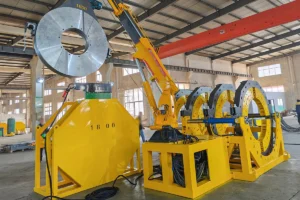
Heavy Industrial Large Diameter Fusion Lineup
From 630mm main trunklines to ultra-massive 2250mm intake lines, explore our purpose-engineered high-tonnage fusion rigs.
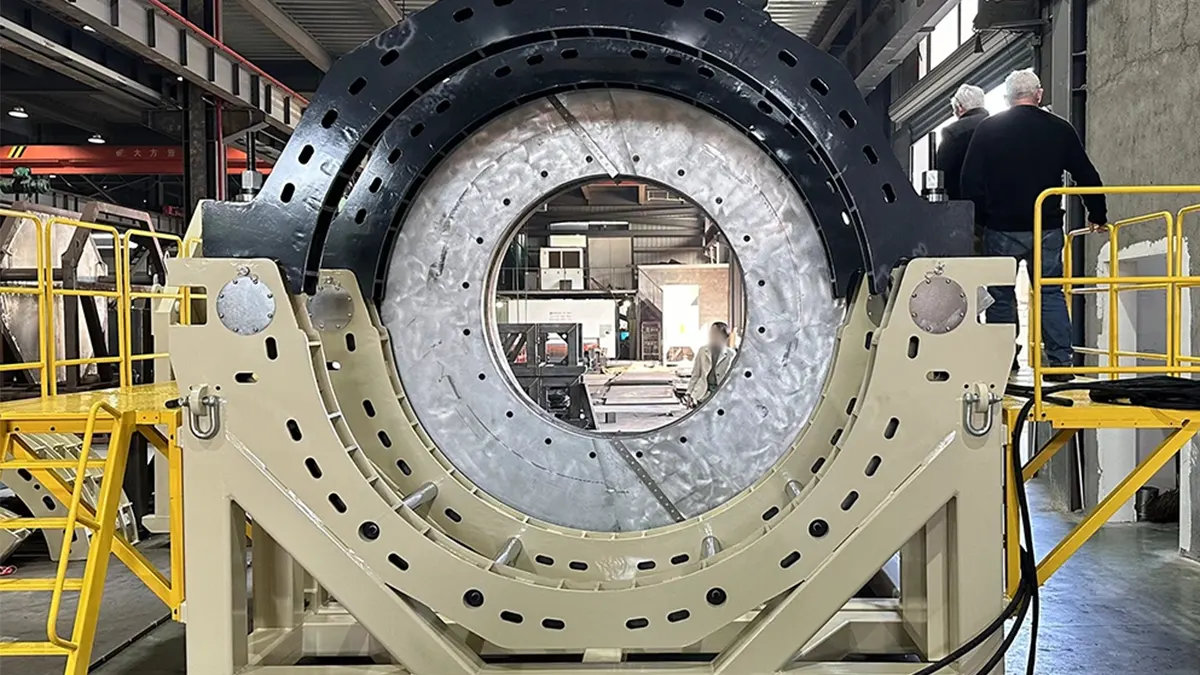
JQH2250mm Hydraulic Butt Fusion Welding Machine
- Working Range: 1400mm – 2250mm
- Hydraulic Cylinders: Dual Master Cylinders
- Heater Power: 65.0 kW High-Output
- Control Style: Hydraulic Station / Semi-Auto
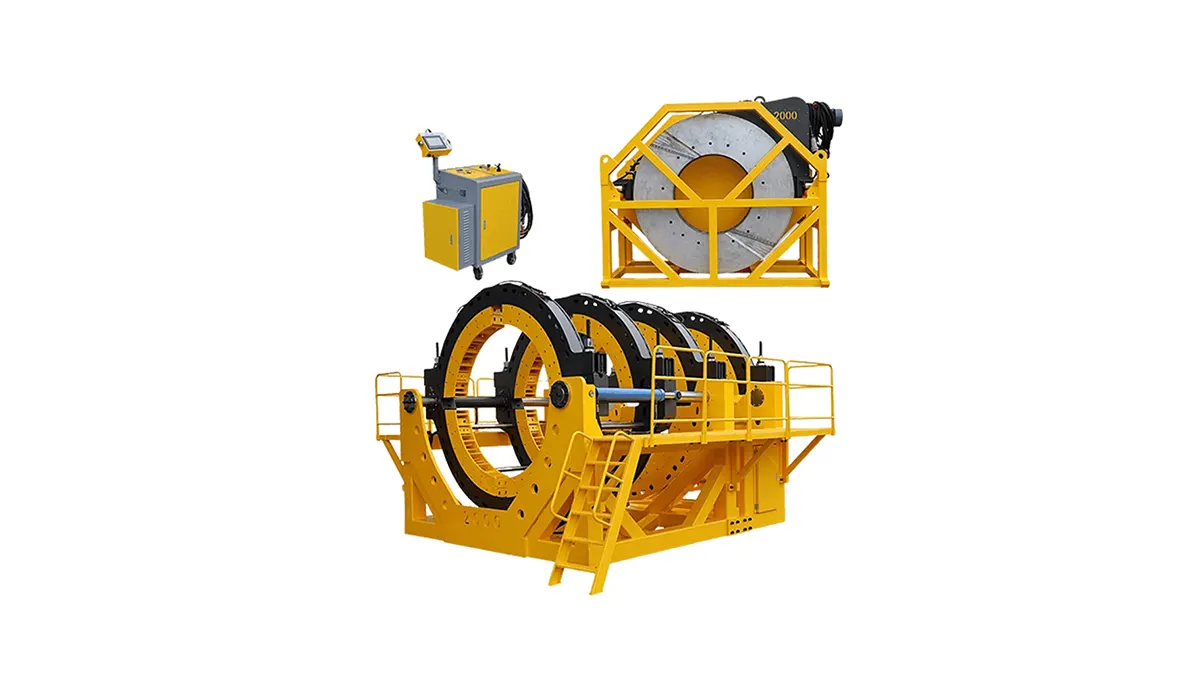
JQH2000mm Hydraulic Butt Fusion Welding Machine
- Working Range: 1200mm – 2000mm
- Clamping System: Reinforced Steel Inserts
- Planing Tool: Electric Reversible Blade
- Total Power: 72.5 kW Heavy Duty
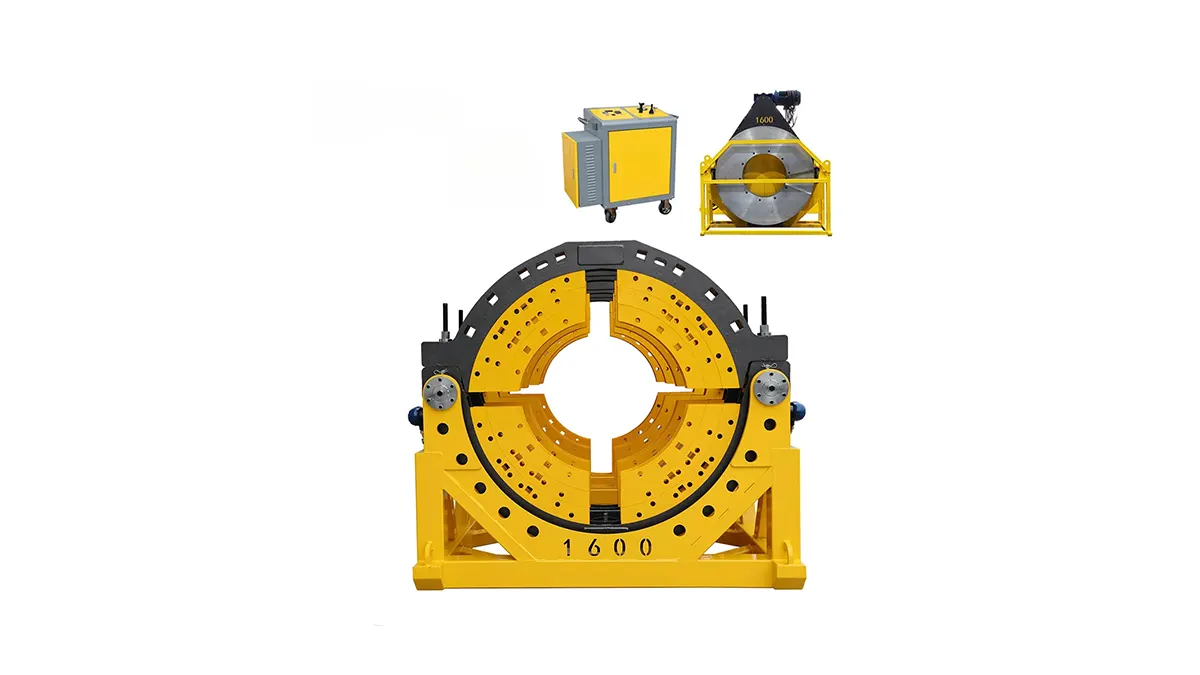
JQH1600mm Hydraulic Butt Fusion Welding Machine
- Working Range: 1000mm – 1600mm
- Frame Structure: High-Tensile Torsion Frame
- Heater Temperature: 0 – 300°C Electronic
- Pressure Gauge: 0 – 160 Bar Digital Monitored
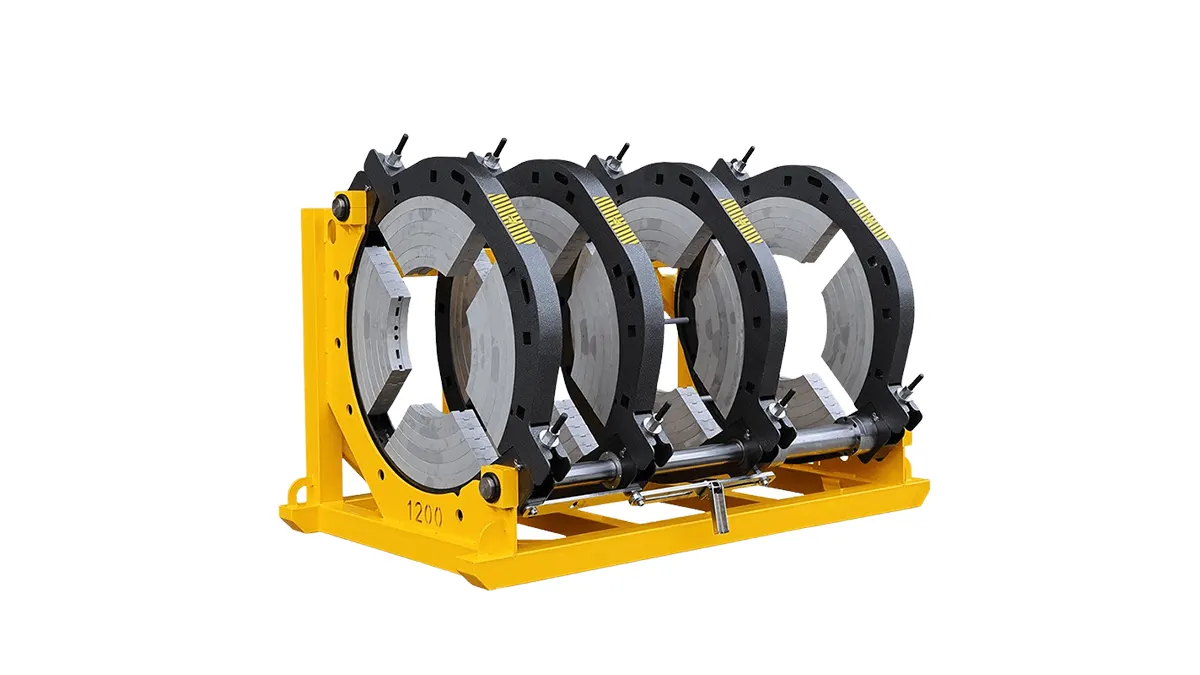
JQH1200mm Hydraulic Butt Fusion Welding Machine
- Working Range: 630mm – 1200mm
- Clamp Material: Cast Aluminum Alloy Clamps
- Crane Integration: Integrated Hoist System
- Standard Compliance: ISO 12176-1 Certified
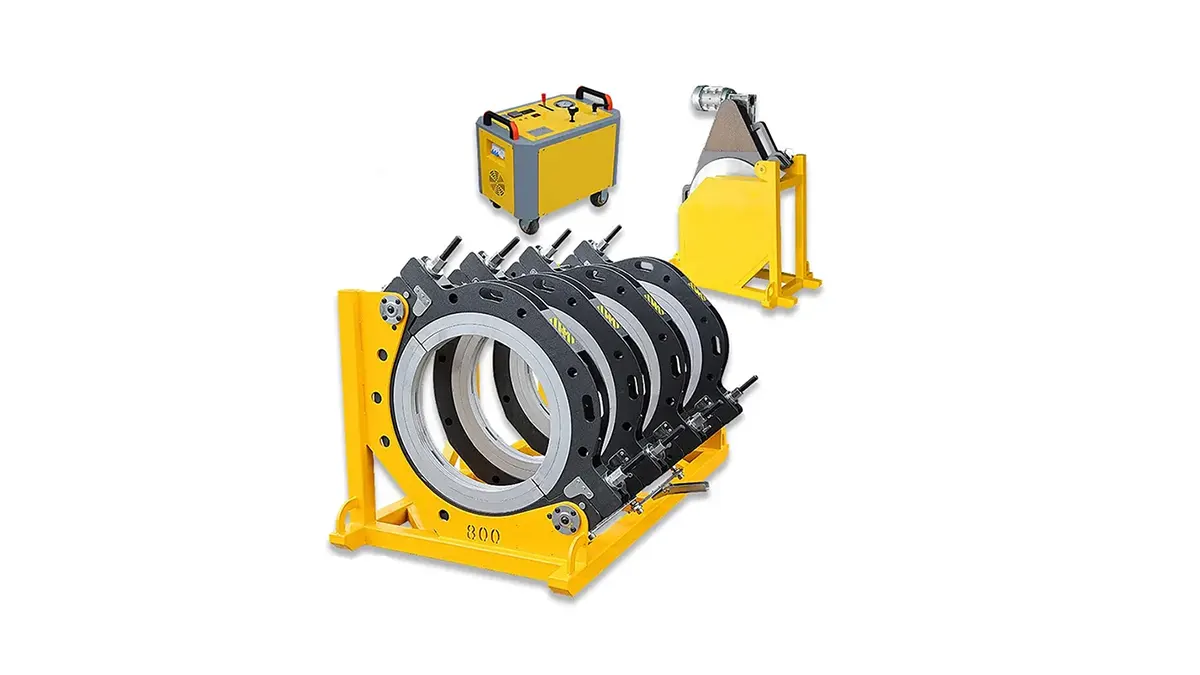
JQH800mm Hydraulic Butt Fusion Welding Machine
- Working Range: 450mm – 800mm
- Hydraulic Station: Enclosed Dustproof Console
- Heating Plate: PTFE High-Heat Non-Stick
- Applications: Gas, Potable Water, Sewage
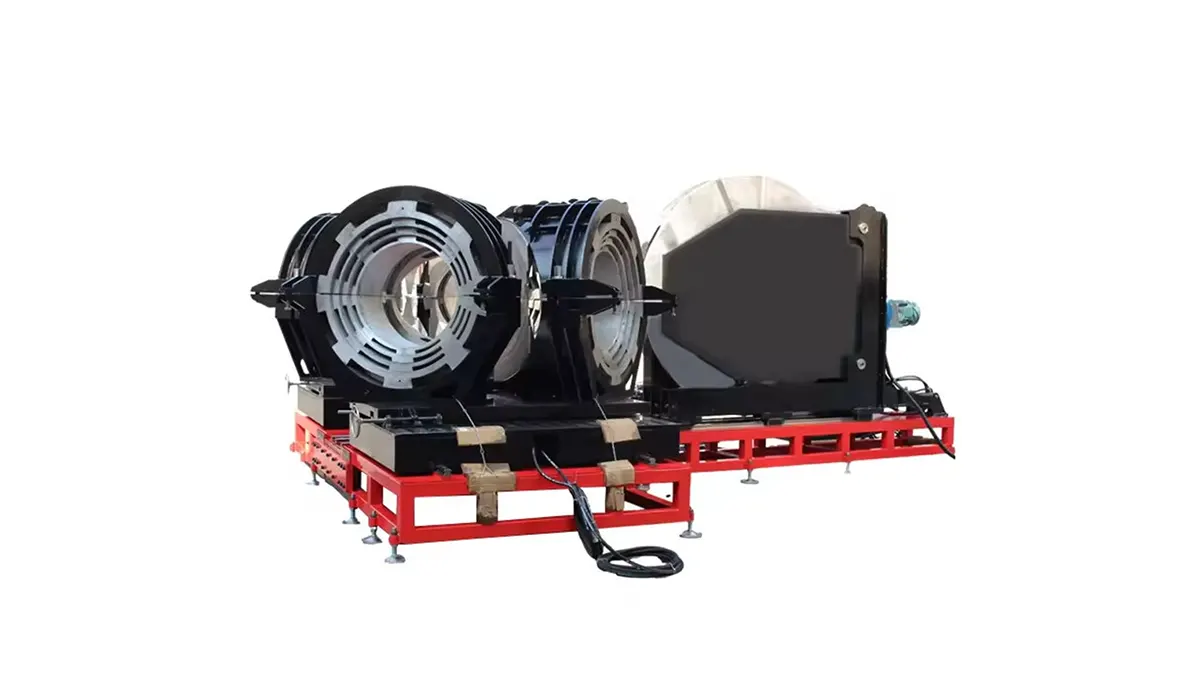
JQMA1600 Multi-Angle Workshop Fitting Machine
- Fabrication Capacity: Elbows, Tees, Crosses, Wyes
- Diameter Range: 900mm – 1600mm
- Angle Range: 0° to 90° Seamless Joints
- Structure: Workshop Fixed Heavy Base
Comprehensive Engineering Matrix: Large-Diameter Series
Direct comparative breakdown of dimensional limits, total electrical loading, hydraulic cylinder displacement, and applicable SDR standard wall thicknesses.
| Model Designation | Pipe Outer Diameter Range (mm) | Heater Rating (kW) | Planing Planer Power (kW) | Hydraulic Station (kW) | Max Pressure (Bar) | Applicable Standards |
|---|---|---|---|---|---|---|
| JQH630 | 315, 355, 400, 450, 500, 560, 630 | 9.35 kW | 1.5 kW | 1.5 kW | 100 Bar | ISO 21307 / ASTM F2620 |
| JQH800 | 450, 500, 560, 630, 710, 800 | 12.5 kW | 2.2 kW | 2.2 kW | 120 Bar | ISO 12176-1 / DVS 2207 |
| JQH1000 | 630, 710, 800, 900, 1000 | 18.0 kW | 3.0 kW | 3.0 kW | 140 Bar | ISO 21307 / ASTM F2620 |
| JQH1200 | 630, 710, 800, 900, 1000, 1200 | 25.0 kW | 4.0 kW | 4.0 kW | 160 Bar | ISO 21307 / PE100+ Guidance |
| JQH1600 | 1000, 1200, 1400, 1600 | 45.0 kW | 5.5 kW | 5.5 kW | 160 Bar | ISO 12176-1 / PPI TR-33 |
| JQH2000 | 1200, 1400, 1600, 1800, 2000 | 58.0 kW | 7.5 kW | 7.5 kW | 180 Bar | ISO 21307 High Pressure |
| JQH2250 | 1400, 1600, 1800, 2000, 2250 | 65.0 kW | 11.0 kW | 11.0 kW | 200 Bar | ISO 21307 / Custom Heavy Spec |
* Custom clamp reduction inserts, data logging units, and electric cranes are configured according to client project specifications.
Structural Innovations in JQ-Fusion Heavy Welding Rigs
High-rigidity frame geometry, closed-loop thermal stability, and synchronized hydraulic circuits engineered to withstand the harshest field job sites.
High-Torsion Cast Aluminum Clamping
Forged from ultra-dense aluminum alloys, our heavy clamps eliminate frame deflection even under 200-bar radial clamping pressures. Easily re-rounds ovalized thick-walled large-diameter pipe ends before facing.
Multi-Zone Thermal Heat Balancing
Equipped with high-grade Japanese PTFE coating and multi-zone PID temperature controllers, ensuring surface temperature uniformity within ±3°C across massive 2250mm heating mirror plates.
Integrated Electric Planing Trimmer
Heavy-duty reversible high-speed steel (HSS) blades powered by high-torque electric geared motors ensure perfectly flat, perpendicular pipe cross-sections, eliminating microscopic gaps prior to heating.
Hydraulic Pressure Accumulator Circuit
Maintains rock-steady fusion pressure throughout the lengthy cooling phases without overheating the hydraulic motor pump, conserving energy and preventing unwanted pressure drops during field operation.
Optional CNC Automatic Process Control
Upgrade to CNC Automatic butt fusion for barcode scanning, operator badge tracking per PE fusion operator requirements, and tamper-proof real-time parameter data logging.
Overhead Hoist & Crane Gantry System
Ergonomically lifts and positions the extremely heavy heating mirror plate and planing trimmer unit directly into the machine chassis, drastically reducing crew fatigue and cycle times.
Step-by-Step Large Diameter Butt Fusion Procedure
Adhering strictly to qualified welding standards per PE butt fusion equipment standard (ISO 12176-1) and ASTM F714 PE pipe specifications.
Pipe Clamping & Out-of-Round Calibration
Secure the heavy HDPE pipes inside the 4-clamp chassis. Utilize proper pipe roller stands to align the pipe strings horizontally, minimizing pipe drag. Tighten the hydraulic or mechanical upper clamps to reduce any cross-sectional ovality until high-low misalignments are well within the allowable 10% wall thickness threshold.
Facing & Planar Trimming
Insert the electric planer between the pipe ends and engage the cutter motor before applying gentle hydraulic pressure. Shave continuous ribbons of plastic from both pipe faces until the shaving is smooth and consistent. Relieve pressure, stop the motor, and remove the shavings without touching the freshly faced surfaces.
Visual Alignment & Dynamic Drag Pressure Measurement
Close the pipe ends together and inspect the interface for zero light gap. Shift the directional hydraulic valve to drive the carriage forward slowly and record the precise gauge drag pressure (P_drag). Add this drag value to the theoretical interfacial fusion pressure to obtain the total required gauge pressure.
Heating Phase & Bead-Up Formation
Position the preheated heating plate (200°C–230°C per qualification protocol) between the pipe faces. Close the carriage under full bead-up pressure until an initial continuous melt bead of required height forms uniformly around the entire circumference. Then, immediately drop the pressure to soaking level (near zero) to allow steady thermal conduction into the pipe wall.
Rapid Changeover & Pressure Consolidation
Quickly open the carriage, extract the heating plate using the hoist gantry, and smoothly close the molten pipe ends together. The changeover time must be executed within strict seconds to avoid oxidation or surface cooling of the melt layer. Ramp the pressure smoothly to the specified fusion pressure.
Controlled In-Clamp Cooling Under Pressure
Maintain constant fusion pressure throughout the prescribed cooling cycle. Large-diameter pipelines (e.g., 1200mm+ SDR 11) have very thick walls requiring substantial cooling periods to ensure complete polymer crystallization. Releasing pressure prematurely or accelerating cooling using water or forced air will induce severe micro-voids and residual stress failures.
Industrial Applications of Large Diameter HDPE Piping
From municipal megaprojects to deep mining tailing lines, reliable heavy fusion guarantees lifelong zero-leak performance.
Municipal Bulk Water & Desalination Intake
Conveying potable and raw sea water requires immense pipe cross-sections. Fully fused ISO 4427 PE water pipes eliminate mechanical joint slippage, offering seamless resistance to surge pressures, water hammer, and subterranean biological fouling over an engineered 100-year lifecycle.
High-Pressure Natural Gas Trunklines
Under strict energy safety codes governed by ASTM D2513 PE gas pipe and PE gas piping systems, large-diameter PE4710 polyolefin lines eliminate methane escape points, providing completely leak-free containment across active seismic zones.
Mining Tailings & Heavy Slurry Transport
Abrasive mineral slurry pipelines quickly destroy carbon steel and ductile iron linings. Butt-fused thick-wall HDPE pipes absorb severe internal abrasive scour. Heavy butt fusion machines allow quick mobile relocation along harsh mine site perimeters.
Industrial Chemical & Thermal Power Cooling
Power generating stations and chemical processing complexes rely on industrial PE piping systems for effluent neutralization and cooling water circuits, benefiting from polyolefin chemical immunity across acidic and alkaline media.
State-of-the-Art Production & Quality Assurance
Learn more About JQ-Fusion: Over two decades of specialized manufacturing, backed by international CE, ISO 9001, and SGS certifications.
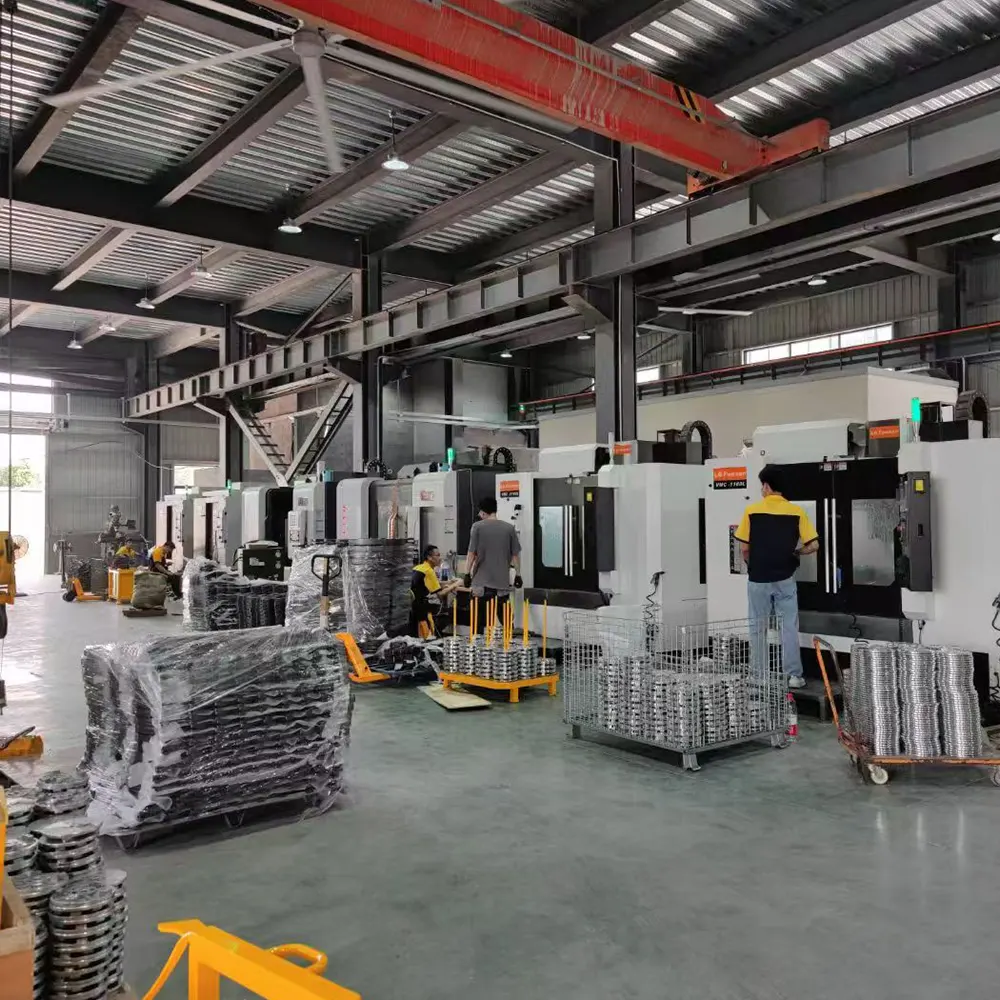
JQ-Fusion is a globally established manufacturer specializing in high-precision pipe fusion technology. With modern manufacturing infrastructure and automated CNC machining centers in Zhengzhou, Henan, China, we produce the full spectrum of polyolefin joining solutions—from manual butt welders and electrofusion machines to mega-scale 2250mm hydraulic butt fusion equipment and multi-angle workshop fitting fabrication machines.
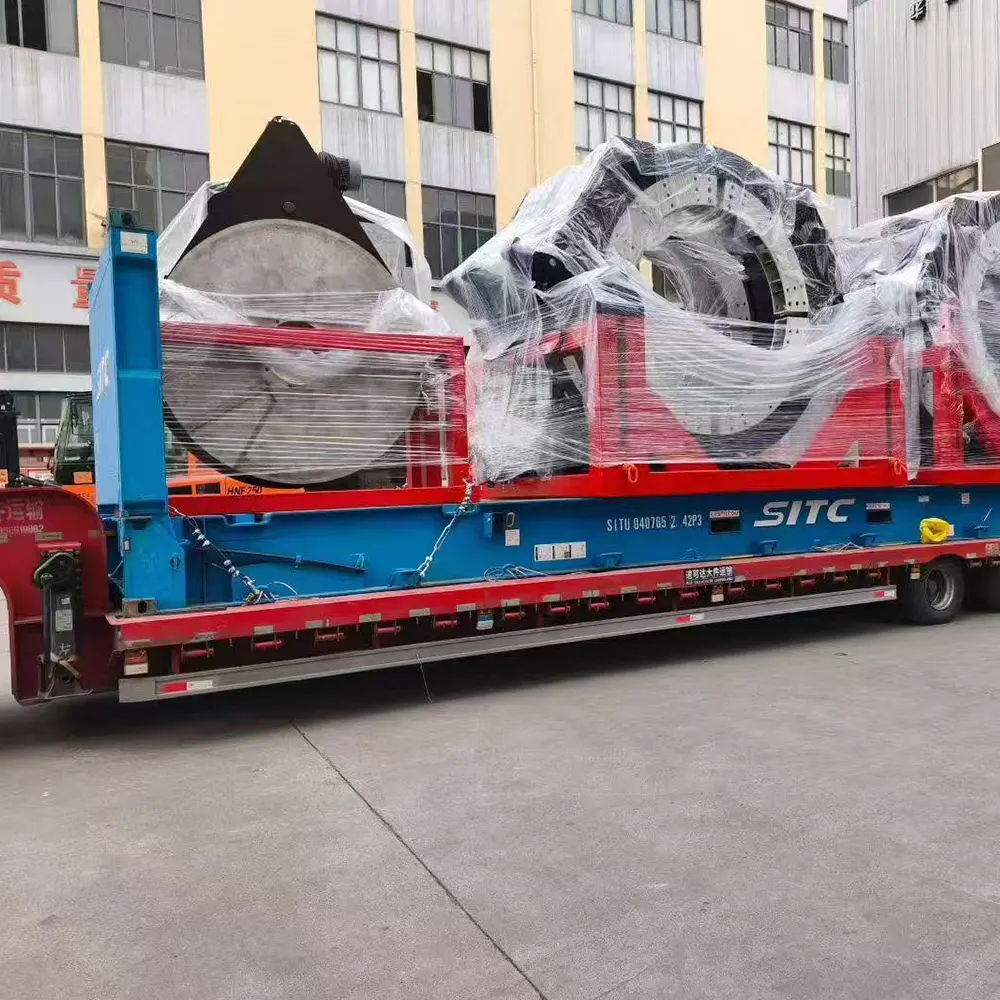
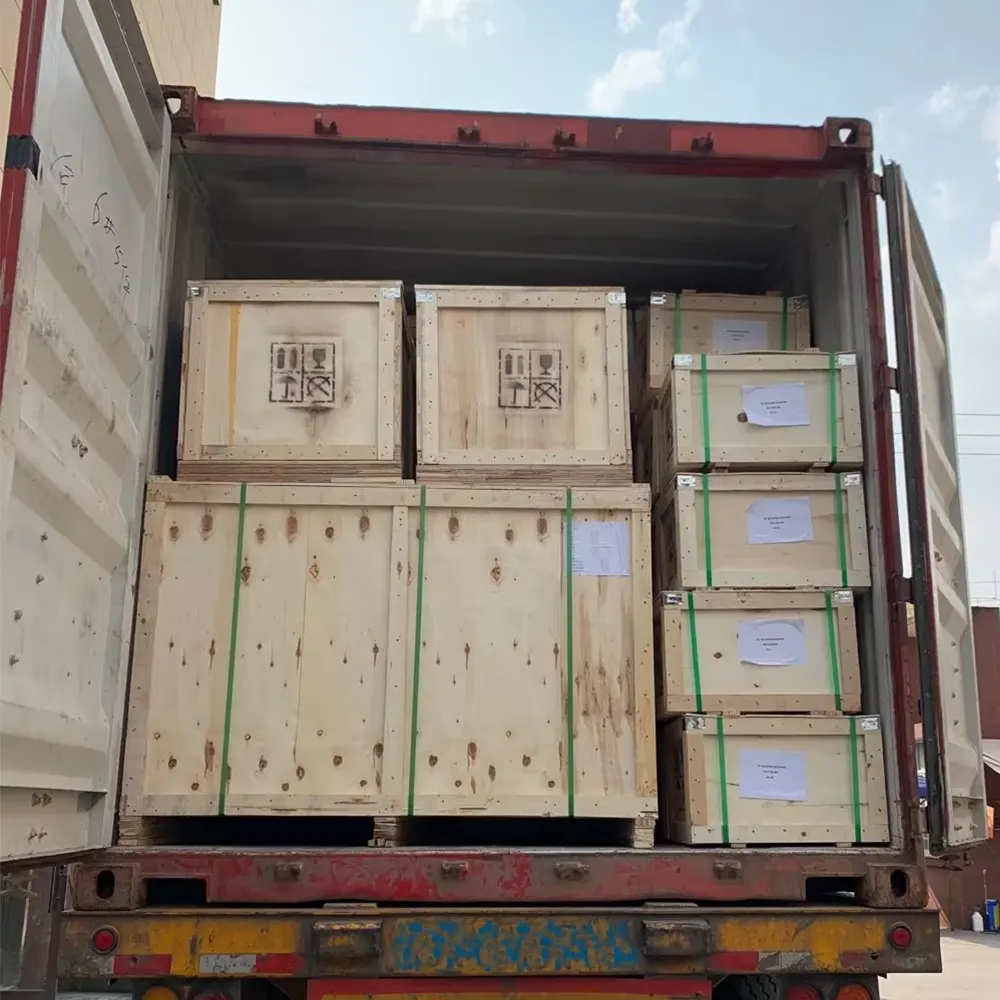
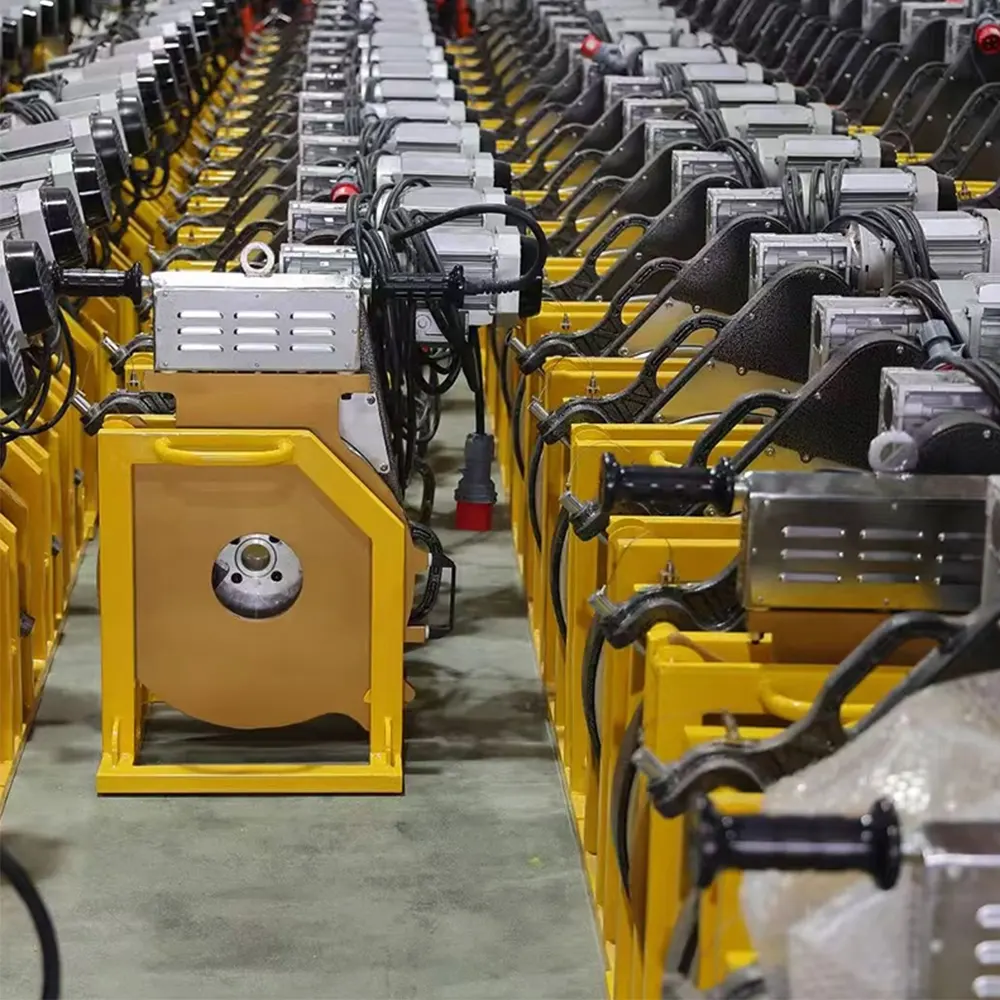
Every single machine undergoes rigorous multi-point factory acceptance testing (FAT), including continuous high-pressure seal endurance, electronic heating plate thermographic mapping, clamp deflection tests, and electrical load testing. We maintain an expansive ready-stock inventory for urgent project mobilizations and offer flexible OEM/ODM customization for international distributor partners.
Global After-Sales & Training
Our dedicated engineering support teams provide comprehensive commissioning, operator qualification assistance per heat fusion operator qualification, and worldwide spare parts dispatch.
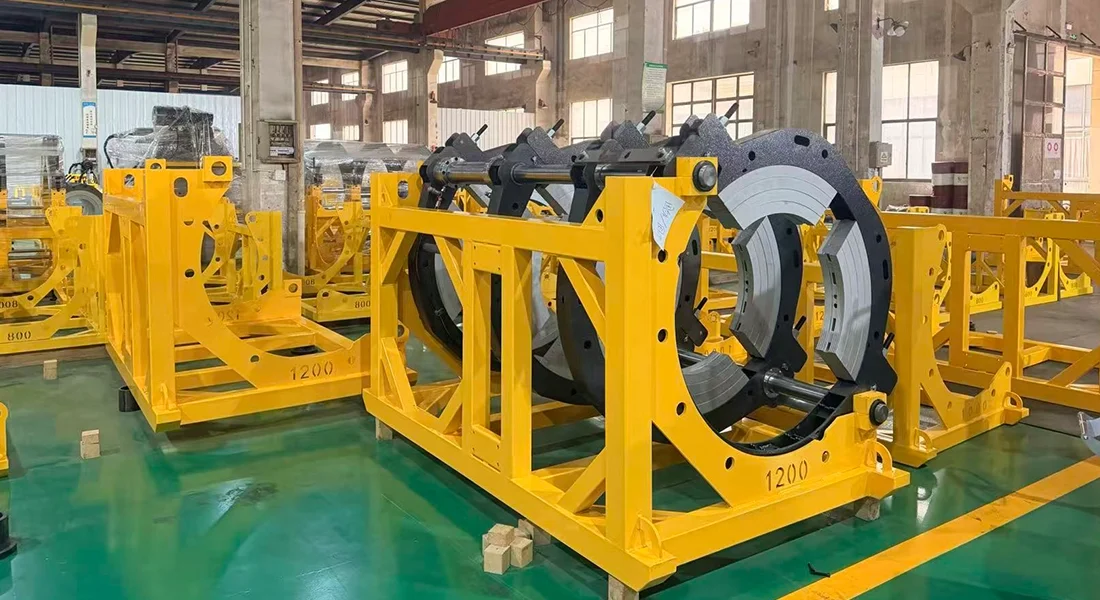
Factory Inventory & Precision Packaging
International Quality Certifications
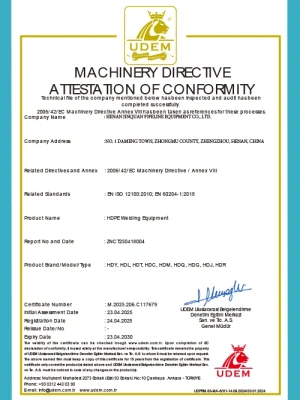 CE Safety Certification
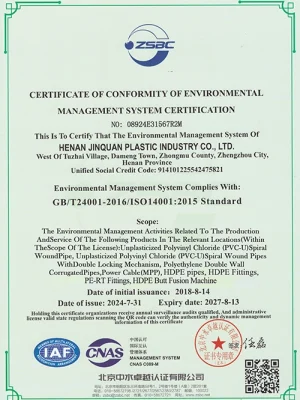 ISO 9001:2015 Quality System
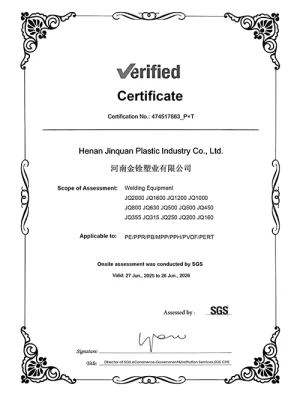 SGS Factory Audit Verified
Frequently Asked Questions
Find authoritative answers regarding welding protocols, equipment sizing, parameter calculations, and on-site maintenance.
Ready to Equip Your Next Pipeline Project with a Large Diameter HDPE Pipe Welding Machine?
Whether you require standard factory stock or fully tailored high-pressure CNC hydraulic packages with custom clamping diameters, JQ-Fusion engineers are ready to assist you 24/7. Download our complete equipment catalogue or speak directly with our international technical sales team.
- Email: [email protected]
- Phone: +86 15093385787
- Address: High-Tech Industrial Zone, Zhengzhou, Henan, China
- Support: 24/7 Global Engineering Consultation & Dispatch
Direct Factory Pricing
Immediate FOB/CIF quotations, OEM machine customization, and express international air/sea logistics.
