
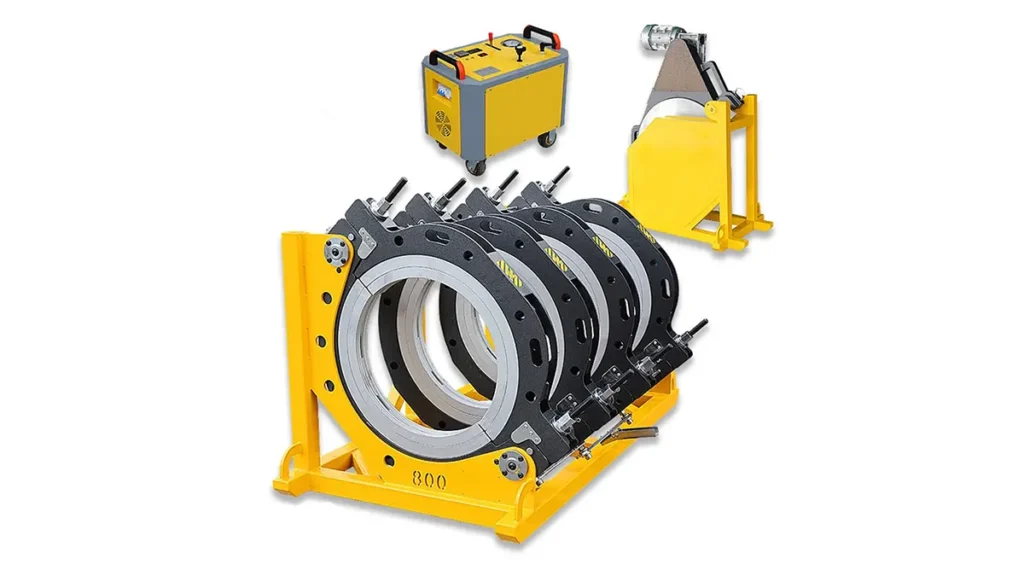
Hydraulic butt fusion welding machines are essential for creating leak-free, long-lasting joints in HDPE and other thermoplastic pipelines. As infrastructure projects demand higher reliability and faster installation times, choosing the right supplier and equipment becomes critical for contractors, utilities, and engineering teams seeking consistent, certified pipe joining solutions.
Why Hydraulic Butt Fusion Is the Preferred Method
Hydraulic butt fusion welding offers uniform heating and controlled pressure to produce high-strength joints with excellent fatigue and chemical resistance. Compared to mechanical fittings and electrofusion, hydraulic butt fusion excels in large-diameter pipes and high-pressure applications. Project managers value its repeatable procedure, especially for water supply, gas distribution, and industrial pipelines.
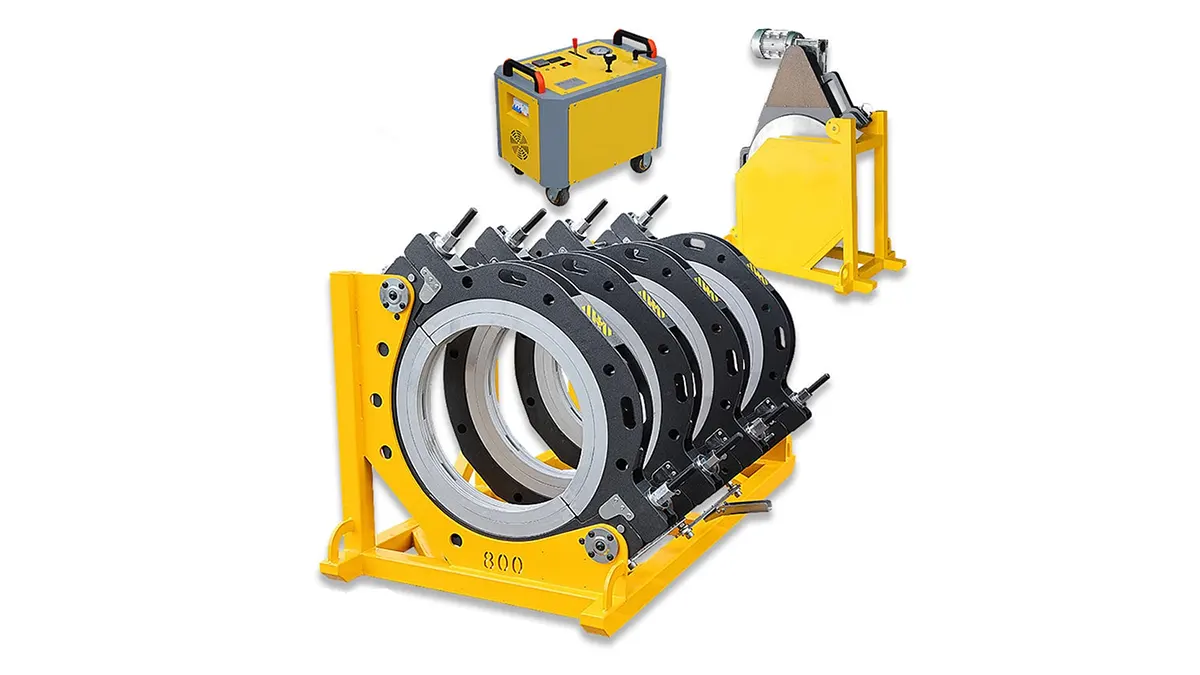
Core Benefits at a Glance
• Consistent Joint Integrity: Controlled heating and pressure ensure homogenous welds with reduced risk of voids.
• High Productivity: Hydraulic systems enable faster alignment and clamping for large-diameter runs.
• Versatility: Available in manual, hydraulic, and fully automatic CNC variants to match site needs.
• Durability: Minimal maintenance and long service life when properly maintained.
Typical Applications
Hydraulic butt fusion welding machines are widely used in municipal water networks, gas distribution systems, mining slurry pipelines, and industrial process lines. Their suitability for large-diameter HDPE makes them a top choice for mainline installation and repair works where long-term performance is required.
Key Features to Look For
• Stable Hydraulic Unit: Smooth pressure control and reliable actuation.
• Precision Alignment: Rigid clamps and alignment systems to prevent eccentric loads.
• Quality Heating Plates: Even surface temperature for consistent fusion.
• Portability vs. Power: Choose compact frames for site mobility or heavy-duty frames for factory settings.
• Automation Level: From manual to CNC automatic machines based on volume and precision needs.
Quick Comparison Table — Typical Specifications
| Model / Type | Pipe Diameter (mm) | Clamping | Power | Ideal Use |
|---|---|---|---|---|
| Hydraulic Small Frame | 20–160 | Portable Clamps | Electric/Hydraulic | Service Lines / Repairs |
| Hydraulic Mid Frame | 160–630 | Aluminum / Steel Frame | Hydraulic Power Pack | Medium Pipelines |
| Large-Diameter Hydraulic | 630–2000+ | Heavy-Duty Frame | High-Capacity Hydraulic Station | Mainline & Industrial |

How to Choose the Right Supplier
Selecting a trusted supplier means evaluating product quality, certifications, after-sales support, and spare parts availability. Look for a partner who offers clear documentation, operator training, and timely service response. Equipment customization for specific site conditions and pipe materials adds value to long-term project outcomes.
Maintenance & Best Practices
Routine checks of heating plates, alignment pins, hydraulic hoses, and clamping surfaces will extend equipment life. Maintain a clean heating surface, inspect seals, and follow manufacturer-recommended hydraulic fluids and service intervals. Proper operator training reduces weld variability and increases first-pass success rates.
Standards & Certifications
Ensure machines and welding procedures conform to industry standards such as ISO, ASTM, or local utility codes. Certified welding procedures and qualified operators are essential for pipeline acceptance and warranty compliance.
For dependable hydraulic butt fusion welding equipment and tailored solutions for HDPE pipe projects, consider contacting JQ-Fusion for product options, technical support, and service packages.



