
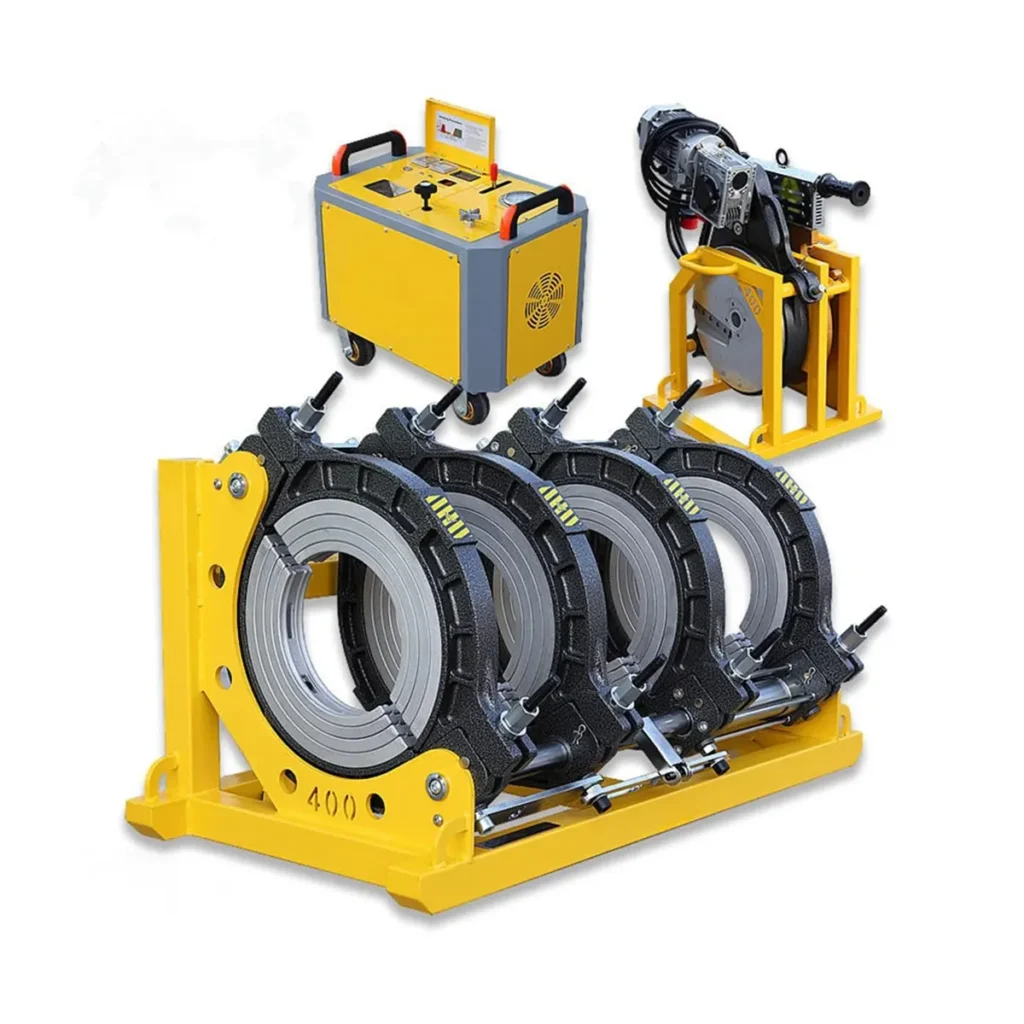
Hydraulic butt fusion machines are the backbone of reliable HDPE pipeline installation. This guide explains how to operate these machines safely and correctly, with clear steps, essential safety checks, and a troubleshooting checklist to help contractors and field technicians get consistent, compliant welds every time.
What Is a Hydraulic Butt Fusion Machine?
Hydraulic butt fusion machines use controlled pressure and heat to join two ends of HDPE pipe. The hydraulic system provides smooth, adjustable force while a heated platen melts the pipe faces. When cooled under pressure, the result is a homogeneous, leak-free joint.
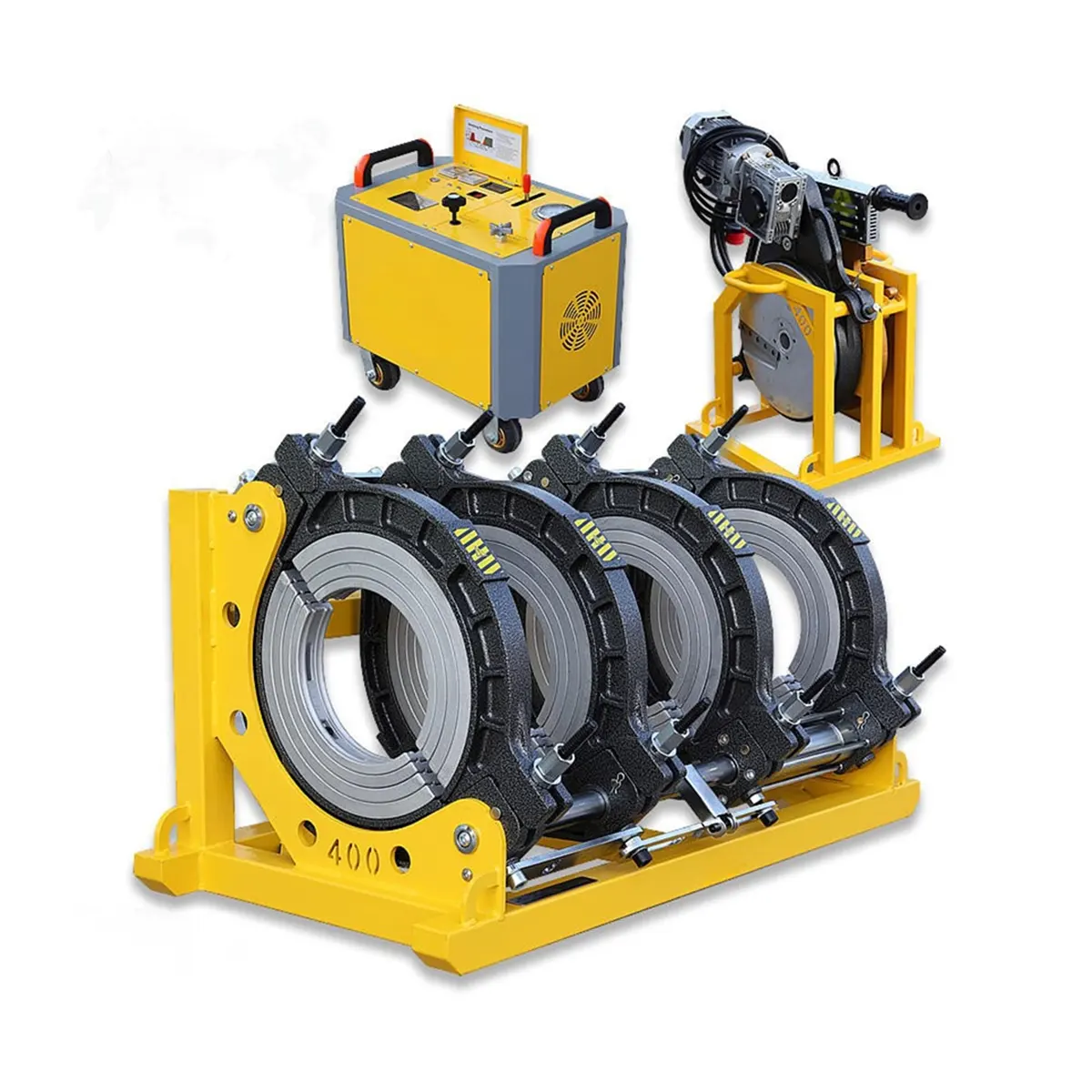
Main Components
Clamps: Secure pipe ends. Hydraulic cylinder: Applies fusion pressure. Facing tool: Prepares pipe surfaces. Heater plate: Controlled heating element. Control unit: Pressure and time monitoring.
Before You Start: Site and Equipment Checks
Always verify the work area is level and free of debris. Inspect the machine frame, hoses, fittings, and heater plate for damage. Confirm the power source and hydraulic oil level, and ensure the facing cutter rotates smoothly. Wear appropriate PPE: gloves, face shield, and hearing protection when required.
Pre-Operation Checklist
– Confirm pipe material and SDR (schedule) match welding procedure.
– Clean pipe ends and remove dirt, moisture, or oxidation.
– Check heater plate temperature calibration.
– Verify clamp alignment visually and with a straight-edge.
– Record ambient temperature—adjust fusion parameters if necessary.
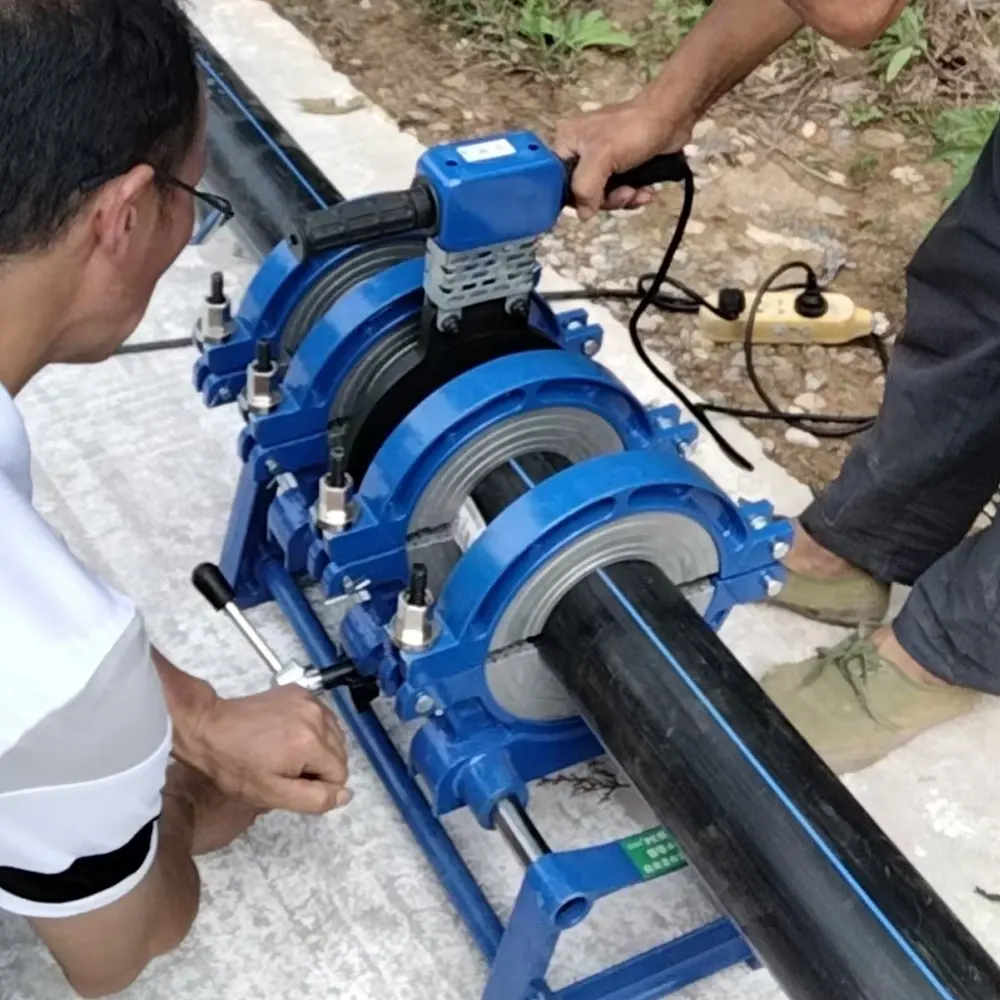
Step-by-Step Operation Guide
1. Preparation and Alignment
Place pipe ends into the machine clamps and tighten evenly. Use the alignment tools to ensure concentricity. A misaligned joint can lead to weak welds. Check axial alignment by sliding the pipes together lightly—there should be no offset.
2. Facing (Trimming)
Operate the facing tool to trim the pipe ends until both faces are smooth and square. Remove swarf and verify the faces are clean. Do not reuse the first trimmed surface if contamination is suspected; reface both ends.
3. Heating
Bring the heater plate to the specified temperature for the pipe material (typically around 200–240°C for common HDPE grades). Press the plate against the pipe faces with light force to create a uniform molten layer. Use the documented heating time for the pipe diameter and SDR.
4. Fusion (Upset) Stage
Remove the heater plate and immediately bring pipe ends together. Apply the recommended fusion pressure with the hydraulic cylinder, maintaining force during the entire fusion-upset and subsequent cooling. Monitor pressure gauges and timers on the control unit.
5. Cooling and Finishing
Keep the joint clamped until the weld cools to ambient temperature. Cooling time depends on pipe diameter and ambient conditions—rushing this step will compromise joint strength. After cooling, remove the clamps and trim any excessive bead if required by local practice or standards.
Typical Fusion Parameters
| Pipe OD (mm) | Heater Temp (°C) | Fusion Pressure (bar) | Heating Time (s) |
|---|---|---|---|
| 63–160 | 200–220 | 6–10 | 30–60 |
| 180–500 | 210–230 | 8–15 | 60–180 |
| >500 (Large diameter) | 220–240 | 10–25 | 180–600 |
Safety Best Practices
– Always wear PPE and heat-resistant gloves when handling the heater plate.
– Keep a safe distance from pressurized hydraulic lines; inspect for leaks before operation.
– Use lockout/tagout procedures when performing maintenance.
– Ensure clear communication among the crew during the critical fusion stages.
Common Troubleshooting Tips
Weak or incomplete fusion: Check heater temperature, facing quality, and applied pressure.
Excessive flash or blow-out: Reduce fusion pressure or heating time and verify pipe end cleanliness.
Misalignment: Re-clamp and realign; consider a spacer or saddle to maintain concentricity on field-welds.
Routine Maintenance
Keep the heater plate clean and scratch-free. Change hydraulic oil and filters per the manufacturer’s schedule. Grease sliding parts and inspect clamps and seals for wear. Calibrate temperature sensors and pressure gauges periodically to ensure consistent weld quality.
Inspection and Documentation
After each weld, perform a visual inspection of the bead for continuity and uniformity. Record machine settings (temperature, pressure, times), ambient conditions, pipe batch numbers, and operator name for traceability. For critical pipelines, follow local standards for non-destructive testing or destructive test sample procedures.
About JQ-Fusion
JQ-Fusion is a professional manufacturer specializing in HDPE pipe welding machines and provides reliable butt fusion solutions for infrastructure projects worldwide. For detailed product specifications or service support, visit JQ-Fusion.
Quick Reminders
– Calibrate and preheat correctly.
– Face pipes cleanly and check alignment.
– Maintain constant pressure during cooling.
– Keep detailed weld logs for quality control.



