
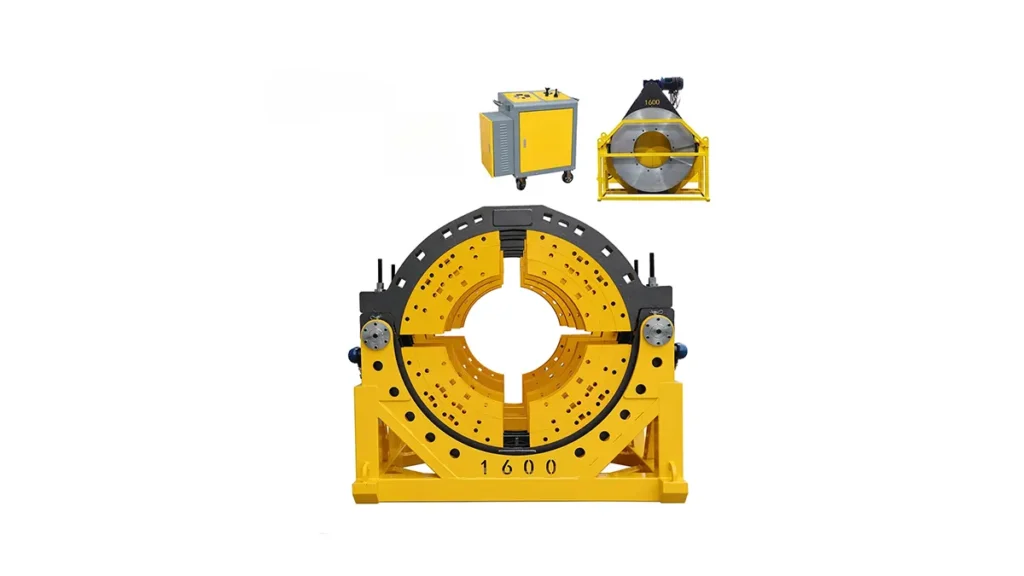
Importing welding machines from China can be one of the smartest sourcing decisions for distributors, contractors, and industrial buyers who need reliable equipment at competitive prices. China has become a global manufacturing hub for welding solutions because of its strong supply chain, mature production systems, and wide range of machine types. Whether you are looking for manual models, hydraulic systems, or advanced CNC automatic equipment, the Chinese market offers many options for different project needs.
However, successful importing is not only about finding the lowest price. It requires careful supplier screening, technical evaluation, quality control, logistics planning, and after-sales support. A good import strategy helps you reduce risk, avoid costly mistakes, and secure long-term value for your business. If your project involves pipeline installation, HDPE welding, or industrial construction, choosing the right partner matters even more. For example, a professional butt fusion machine supplier can provide stable performance and support for demanding global projects.
Why Import Welding Machines from China?
China offers a combination of manufacturing scale, engineering capability, and export experience that is difficult to match. Many factories specialize in welding machines for different applications, including pipe joining, electrofusion, butt fusion, and multi-angle fitting welding. This variety allows international buyers to source equipment that fits both budget and technical requirements.
Another advantage is customization. Many Chinese manufacturers provide OEM and ODM services, which means buyers can request specific voltage, branding, color, machine size, and configuration. This is especially useful for distributors who want to build their own brand in local markets. In addition, many factories maintain stock for fast delivery, which is valuable for urgent infrastructure projects.
Key point: importing from China works best when you focus on total value, not just unit cost. The right supplier should deliver consistent quality, technical support, and dependable logistics.
Types of Welding Machines You Can Import
Before you contact suppliers, you should clearly define the machine category you need. Different welding machines serve different industries and project conditions.
1. Hydraulic Butt Fusion Welding Machines
These machines are widely used in HDPE pipeline construction for water supply, gas distribution, and mining projects. They are known for strong clamping force and stable fusion performance. Buyers often choose them for medium to large pipe diameters where precision and durability are essential.
2. Automatic Butt Fusion Welding Machines
Automatic systems are designed to improve efficiency and reduce operator error. They are ideal for projects that require repeatable results and higher productivity. These machines are often paired with advanced control systems for temperature, pressure, and timing accuracy.
3. Electrofusion Welding Machines
Electrofusion machines are suitable for joining pipes and fittings with embedded heating elements. They are commonly used in gas and water pipeline systems where reliability and clean joint quality are important.
4. Multi-Angle Pipe Fitting Welding Machines
These machines are useful for specialized fitting work and custom pipeline installations. They provide flexibility when pipe geometry or site conditions require non-standard welding angles.
How to Find the Right Supplier
Finding the right supplier is one of the most important steps in the import process. A reliable manufacturer should have a proven background, clear production capability, and strong export experience. It is not enough to rely on photos or sales claims. You need evidence.
Start by checking the supplier’s product range, certifications, factory capabilities, and customer service response. A manufacturer with more than 20 years of experience in welding equipment production is usually more trustworthy than a trading company with limited technical knowledge. For instance, JQ-Fusion focuses on HDPE pipe welding machines and provides manual, hydraulic, and CNC automatic solutions for global projects. Their advanced manufacturing technology and strict quality control process are important indicators of professional capability.
Look for suppliers that can explain technical details clearly, provide test reports, and support customization requests without delay.
What to Check Before Placing an Order
Once you shortlist suppliers, evaluate the machine and the seller carefully. A structured review can help you avoid mistakes and improve your purchasing confidence.
1. Technical specifications — Confirm pipe diameter range, voltage, power requirements, hydraulic pressure, temperature control, and clamp alignment. These details must match your project requirements.
2. Quality control process — Ask whether the manufacturer tests temperature accuracy, pressure stability, and machine alignment before shipment. Reliable testing reduces the chance of failure on site.
3. Certifications — Products certified by recognized organizations such as SGS show a stronger commitment to international standards and safety compliance.
4. OEM and ODM ability — If you are a distributor, customization can help you build brand identity and offer market-specific solutions.
5. After-sales support — Training, installation guidance, spare parts, and technical support are essential for long-term use.
JQ-Fusion highlights all of these points through its strict quality control, flexible customization, and reliable global support. This kind of supplier profile is especially valuable for buyers who need stable performance in demanding field conditions.
How to Negotiate Better Terms
Negotiation is not only about lowering price. A better deal often comes from improving overall package value. You can negotiate payment terms, warranty coverage, spare parts, delivery time, labeling, packaging, and technical support.
When negotiating with a Chinese supplier, be specific. Share your order quantity, project timeline, target market, and technical requirements. Clear information helps the factory quote accurately and propose the best solution. Buyers should also ask for sample testing or video demonstrations when possible.
Important: if your project is time-sensitive, confirm stock availability and production lead time before making payment. Fast delivery can be a major advantage when deadlines are tight.
Quality Assurance and Inspection
Quality assurance should never be an afterthought. Even if the machine looks well-built, it still needs inspection before shipment. A good manufacturer should perform internal tests, and buyers should consider third-party inspection for high-value or large-volume orders.
Inspection usually covers appearance, dimensions, electrical performance, hydraulic stability, control panel operation, and packaging quality. For welding equipment, performance testing is especially important because the machine must work reliably under real construction conditions.
Suppliers with strong manufacturing capability and experienced technicians are more likely to maintain consistent standards. They should also be willing to share testing procedures and provide documentation when requested.
Shipping, Customs, and Delivery Planning
After the purchase order is confirmed, the next step is logistics. Welding machines are industrial products that may be shipped by sea, air, or land depending on destination and urgency. Sea freight is usually the most economical for large machines, while air freight may be suitable for urgent spare parts or smaller units.
To avoid customs delays, prepare complete shipping documents, including commercial invoice, packing list, bill of lading, and product specifications. You should also confirm local import regulations and any required certificates before shipment. Proper planning reduces the risk of unexpected costs or clearance issues.
A manufacturer with export experience and efficient logistics support can make this process much easier. Fast shipping, organized inventory, and responsive communication are signs of a reliable partner.
Why JQ-Fusion Is a Strong Choice
JQ-Fusion is a professional manufacturer specializing in HDPE pipe welding machines and butt fusion solutions for global pipeline projects. With over 20 years of industry experience, the company provides manual, hydraulic, and CNC automatic machines suitable for different pipe diameters and project environments.
The company’s product range includes hydraulic butt fusion welding machines, automatic butt fusion welding machines, electrofusion welding machines, and multi-angle pipe fitting welding machines. These products are used in water supply systems, gas distribution networks, mining projects, and industrial pipeline installations worldwide.
What makes JQ-Fusion stand out is its combination of advanced manufacturing technology, strict quality control, OEM and ODM customization, and reliable global support. The factory is equipped with modern production lines, precision machining equipment, and experienced technicians who monitor every production stage.
In addition, JQ-Fusion emphasizes stable welding performance, customized solutions, strict quality assurance, fast delivery, and professional technical support. For importers, that means less risk and a better chance of long-term success in competitive markets.
If you are building a welding equipment business or sourcing for large infrastructure projects, choosing a factory with proven export capability can save time, reduce defects, and improve customer satisfaction.
Common Mistakes to Avoid
Many buyers make avoidable mistakes when importing welding machines. One common error is choosing a supplier only because the price is low. Cheap equipment can lead to breakdowns, poor welds, and expensive project delays.
Another mistake is ignoring technical compatibility. A machine that works well in one country may not suit another market if the voltage, plug standard, or working environment is different. Buyers should also avoid skipping inspection, failing to confirm warranty terms, or ordering without a clear understanding of spare parts support.
Do not rush the process. A careful import plan may take more time at the beginning, but it usually prevents much larger problems later.
Best Practices for Long-Term Success
To build a sustainable import business, focus on trust, consistency, and communication. Work with suppliers that respond quickly and can provide technical advice before and after the sale. Keep records of product specifications, test reports, shipping documents, and customer feedback so you can improve future orders.
It is also wise to build a small test order before committing to bulk purchases. This allows you to evaluate machine quality, packaging, and supplier service in real conditions. Over time, a strong relationship with the right manufacturer can give you better pricing, priority production, and more customized solutions.
For distributors and contractors, welding equipment is not just a product category. It is part of the project’s reliability chain. A stable machine supports safe construction, efficient installation, and long-term customer confidence.
Frequently Asked Questions
Q1: What is the most important factor when importing welding machines from China?
Quality and supplier reliability are the most important factors. Price matters, but stable performance, testing, certifications, and after-sales support matter more in the long run.
Q2: Can I request custom branding or voltage specifications?
Yes. Many Chinese manufacturers offer OEM and ODM services, including custom branding, color, voltage, and machine configurations.
Q3: How can I reduce import risk?
Check the supplier’s factory capability, ask for test reports, verify certifications, confirm shipping terms, and consider third-party inspection before shipment.
Q4: Are Chinese welding machines suitable for international projects?
Yes, many are designed for global use and are widely applied in water, gas, mining, and industrial pipeline projects worldwide.
Q5: Why is JQ-Fusion a good supplier choice?
JQ-Fusion combines 20+ years of experience, a wide product range, strict quality control, customization services, and reliable global support, making it suitable for buyers who need dependable welding solutions.



