
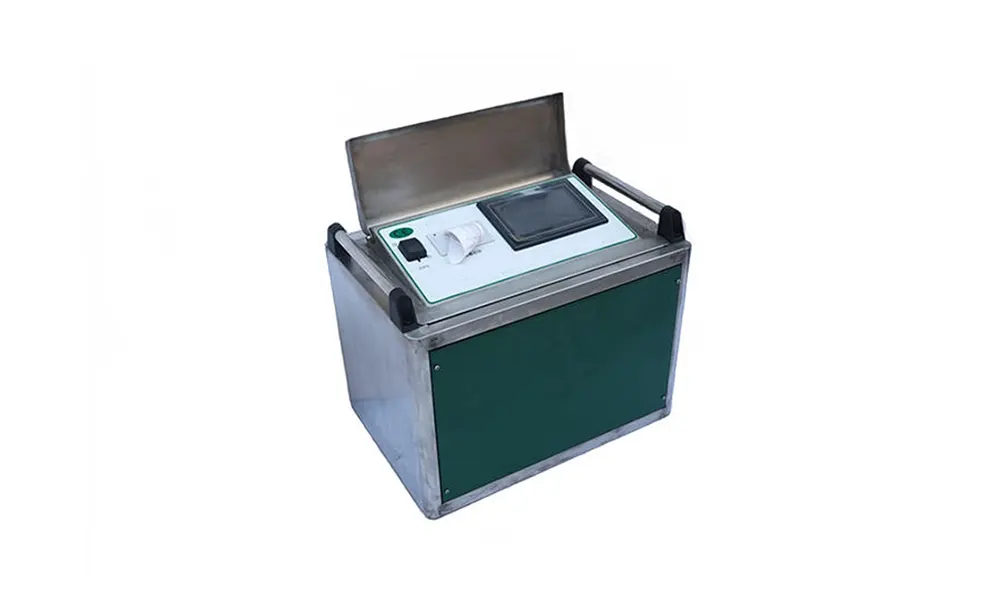
IoT is reshaping industrial welding by bringing real-time visibility, smarter control, and data-driven decision-making into pipe joining operations. In pipe welding equipment, especially in large-scale HDPE pipeline projects, connected devices help operators monitor temperature, pressure, alignment, timing, and machine status with far greater accuracy than traditional manual methods. This not only improves welding quality but also reduces rework, saves time, and supports safer jobsite operations.
For manufacturers and contractors working on water supply, gas distribution, mining, and industrial pipeline installations, the move toward intelligent equipment is no longer optional. Modern systems can connect sensors, controllers, and software into one ecosystem, allowing teams to identify problems early and keep production moving efficiently. A dependable butt fusion machine can benefit greatly from IoT-enabled features that improve consistency and simplify maintenance.
What IoT Means in Pipe Welding Equipment
IoT, or the Internet of Things, refers to physical equipment connected through sensors, software, and network communication. In pipe welding, this means the machine is no longer a standalone tool; it becomes a smart device that can collect, transmit, and analyze operational data. Key information such as heating plate temperature, hydraulic pressure, fuse time, and ambient conditions can be tracked automatically.
When this data is available in real time, operators can make faster decisions and avoid common welding mistakes. The result is a more stable process and a higher chance of producing welds that meet project specifications. For companies managing multiple projects, this connectivity also makes it easier to standardize quality across different crews and locations.
Why IoT Matters for Efficiency
Efficiency in pipe welding is about more than speed. It includes reducing downtime, minimizing operator errors, avoiding material waste, and keeping each machine available for continuous use. IoT contributes to all of these goals by making equipment more transparent and responsive. Instead of waiting for a failure or quality issue to appear, teams can receive alerts and take action early.
⚡ Real-time monitoring helps reduce interruptions, while predictive maintenance lowers the risk of unexpected breakdowns. This combination directly supports faster project delivery and better resource utilization.
IoT systems also improve workflow coordination. For example, a supervisor can check machine usage remotely, compare performance across shifts, and verify whether operators followed the correct fusion parameters. This kind of oversight is especially useful on large jobsites where many welds must be completed in a short time.
Key Efficiency Benefits
✔ Faster setup: digital instructions and parameter storage reduce preparation time.
✔ Less downtime: machine status alerts help teams fix issues before they stop production.
✔ Better scheduling: managers can understand equipment utilization and allocate tools more effectively.
✔ Lower waste: accurate process control reduces failed welds and material loss.
How IoT Improves Welding Quality
Quality is the foundation of any pipe fusion project. A weak or inconsistent weld can lead to leaks, failures, safety hazards, and expensive repairs. IoT helps improve quality by ensuring that welding conditions remain within the required range throughout the process. Sensors and digital controllers can track key values and trigger warnings when parameters move outside acceptable limits.
This is particularly valuable in butt fusion applications, where every stage of the operation must be controlled precisely. Heating time, temperature uniformity, pressure application, and cooling intervals all affect the final joint strength. IoT-based monitoring reduces the chance of human error and creates a more repeatable process, even when different operators are involved.
🛠 Consistent weld quality is easier to achieve when each step is recorded and verified digitally. This also supports traceability, which is essential for regulated pipeline projects and international construction standards.
Another major advantage is traceability. IoT-enabled machines can store welding records automatically, including time, operator ID, machine settings, and process results. This creates a digital quality history that can be reviewed during inspections or project audits. For contractors and distributors, this transparency increases confidence and helps demonstrate compliance.
Quality Control Features Made Smarter by IoT
Modern pipe welding machines can integrate several intelligent features to enhance weld quality:
• Temperature accuracy monitoring: ensures the heating plate stays within the required fusion range.
• Pressure stability control: keeps hydraulic pressure consistent during the fusion cycle.
• Clamp alignment inspection: helps prevent joint misalignment before welding begins.
• Automatic data logging: records each weld for later analysis and reporting.
IoT and Predictive Maintenance
One of the most valuable uses of IoT in pipe welding equipment is predictive maintenance. Instead of waiting for a component to fail, smart sensors track wear patterns, operating temperature, vibration, pressure consistency, and other indicators that show whether the machine is starting to degrade. Maintenance teams can then service the equipment before a costly breakdown occurs.
This approach is especially important for projects with tight deadlines. If a welding unit stops unexpectedly, the entire pipeline schedule may be delayed. Predictive maintenance helps avoid such disruptions by turning machine health into actionable information. Over time, this also extends equipment life and protects the return on investment for buyers.
Remote Monitoring for Better Project Control
Remote monitoring gives site managers and technical teams a powerful way to oversee welding operations without being physically present at every machine. Through connected dashboards or mobile platforms, they can review live data, receive alerts, and compare performance across different locations. This is useful for large contractors, rental fleets, and companies with multi-site operations.
Remote access also supports better decision-making. If a machine starts showing abnormal readings, the supervisor can respond immediately by adjusting parameters, replacing parts, or pausing the work before defects occur. This helps protect both quality and productivity, especially in high-value projects where downtime is expensive.
IoT in Modern Butt Fusion Equipment
In the pipe welding industry, the role of IoT becomes even more significant when paired with advanced butt fusion equipment. Manufacturers with strong engineering capability can integrate digital controls, sensor systems, and data analysis tools into manual, hydraulic, and CNC automatic models. This creates a more intelligent platform for operators of different skill levels.
As a professional manufacturer specializing in HDPE pipe welding machines, JQ-Fusion focuses on stable performance, customization, and strict testing. Their equipment is designed for diverse pipeline applications, including water supply systems, gas distribution, mining projects, and industrial installations. Such machines can benefit from digital monitoring that supports both efficiency and quality in demanding field conditions.
For buyers looking for reliable solutions, product range matters as well. Options such as hydraulic butt fusion welding machines, automatic butt fusion welding machines, electrofusion welding machines, and multi-angle pipe fitting welding machines offer different levels of control and automation. IoT can enhance each of these categories by improving visibility and making operation more systematic.
More information about product capabilities and customization can be explored through the official site: https://jq-fusionwelding.com/.
How Smart Data Supports Better Decisions
Data collected from IoT-connected welding equipment is not just useful during active welding. It also supports long-term planning and business improvement. By analyzing trends across multiple jobs, companies can identify which settings produce the best outcomes, which machines require the most maintenance, and where training may be needed.
This is particularly valuable for OEM and ODM clients who want to build their own market advantage. Custom machine configurations, voltage options, branding, and design adjustments can all be matched with digital performance data to create products that are both technically strong and commercially competitive.
📊 Data-driven optimization allows manufacturers to refine machine design, improve service response, and develop solutions that match real project needs more accurately.
IoT, Safety, and Operator Support
Safety is another major reason IoT is gaining attention in pipe welding equipment. Smart monitoring can alert operators when temperature, pressure, or alignment conditions become unsafe. This lowers the chance of accidents and helps maintain a controlled work environment. In addition, machine logs can confirm whether correct procedures were followed, which adds another layer of accountability.
IoT also supports training. New operators can benefit from guided workflows and stored parameter templates, while experienced technicians can use digital feedback to improve speed and consistency. In this way, smart equipment becomes both a productivity tool and a learning tool.
Why Global Buyers Choose Connected Solutions
Global contractors and distributors increasingly look for welding equipment that offers more than mechanical strength. They want stable performance, customization, reliable logistics, and technical support. IoT strengthens this value proposition by making the equipment easier to manage and more suitable for modern project demands.
Manufacturers with strong production capacity, strict quality control, and global support networks can better serve these expectations. Certifications, testing procedures, and large inventory levels further increase confidence. For international projects, the ability to combine durable hardware with intelligent digital features can make a significant difference in project success.
Important Advantages for Buyers
✔ Stable welding performance for consistent project results.
✔ Custom solutions for different pipeline requirements.
✔ Fast delivery to reduce delays on urgent projects.
✔ Technical support for installation, operation, and after-sales service.
The Future of IoT in Pipe Welding
As industrial connectivity continues to expand, IoT will likely become a standard feature in next-generation pipe welding equipment. Future systems may include more advanced analytics, cloud-based quality reporting, AI-assisted parameter recommendations, and deeper integration with project management software. These improvements will make welding operations even more efficient, accurate, and traceable.
For companies that want to stay competitive, adopting smart welding technology is a practical step forward. It helps protect weld quality, reduces operational risk, and supports better business decisions. In an industry where reliability matters at every stage, IoT offers a clear path toward stronger performance and long-term value.
Conclusion
IoT is transforming pipe welding equipment from a simple industrial machine into a connected, intelligent system. By improving monitoring, maintenance, quality control, safety, and data management, it helps contractors and manufacturers achieve better results with less waste and fewer delays. For modern pipeline projects, smart welding is becoming a key driver of efficiency and quality.
Frequently Asked Questions
Q1: What is the main benefit of IoT in pipe welding equipment?
The main benefit is real-time visibility, which helps improve welding quality, reduce downtime, and support predictive maintenance.
Q2: Can IoT help reduce welding defects?
Yes. IoT tracks temperature, pressure, and alignment, making it easier to keep welding conditions within the correct range.
Q3: Is IoT useful for remote project supervision?
Absolutely. It allows managers to monitor equipment performance and process data from different job sites in real time.
Q4: Does IoT support maintenance planning?
Yes. Predictive maintenance tools can identify early signs of wear and help prevent unexpected machine failure.
Q5: Which types of welding machines can benefit from IoT?
Manual, hydraulic, and CNC automatic butt fusion welding machines can all benefit from digital monitoring and data logging features.



