
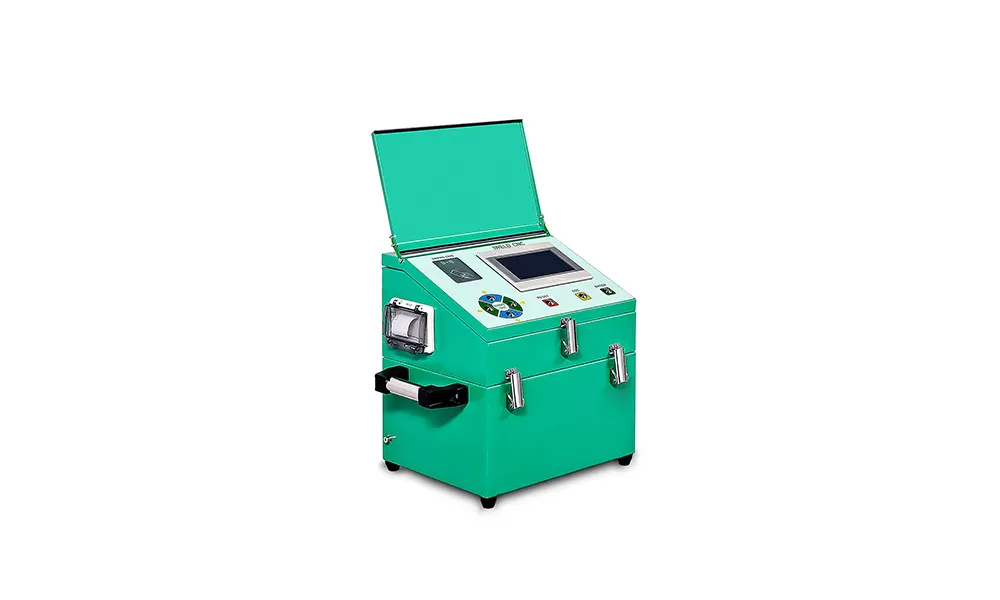
When an industrial welding machine is expected to perform in demanding environments, durability is not a feature you can assume—it is something that must be proven. A machine may look robust on the outside, but real durability is revealed only through repeated stress, stable output, and consistent weld quality over time. For manufacturers, contractors, and distributors, testing durability is essential because it helps predict service life, reduce downtime, and protect project schedules. In industries such as pipeline construction, mining, and water supply, the cost of machine failure can be far greater than the cost of thorough testing.
Durability testing is not a single inspection. It is a sequence of mechanical, thermal, hydraulic, electrical, and operational evaluations that examine how the machine behaves under pressure, under heat, and across long cycles of use. A well-designed testing process should simulate real-world conditions as closely as possible. That means checking whether critical components hold alignment, whether temperature remains stable, whether clamps withstand load, and whether the control system stays reliable after repeated operation.
For example, a high-quality butt fusion machine must maintain consistent heating performance, steady hydraulic pressure, and accurate clamping force through many production cycles. If one of these areas drifts out of tolerance, the weld quality will gradually decline. That is why durable welding equipment must be verified not only for short-term performance but also for long-term stability.
1. Define What Durability Means for the Machine
Before testing begins, manufacturers and buyers should define what durability means in practical terms. For an industrial welding machine, durability usually includes resistance to wear, stability under continuous operation, tolerance to temperature fluctuations, and the ability to maintain accuracy over time. In a workshop or field setting, the machine may face dust, vibration, uneven power supply, and frequent loading and unloading. A durable machine should continue to function safely and accurately in these conditions.
This definition should also reflect the machine’s intended use. A compact model used for smaller pipe projects may need different durability tests than a large hydraulic system built for long-distance pipeline installation. For this reason, the testing plan should always match the application, operating frequency, and expected working environment.
Key point: durability is not only about whether a machine works today; it is about whether it will keep working accurately after thousands of cycles, under real project stress, and with minimal maintenance interruptions.
2. Inspect the Structural Frame and Mechanical Components
The first stage of durability testing should focus on the machine structure. A welding machine often operates with repeated force, so the frame, guide rails, clamps, hinges, and fastening points must be checked for rigidity and alignment. If the frame flexes too much or if certain joints loosen early, weld consistency will suffer. Mechanical wear can also appear in sliding parts, rotating parts, and lock mechanisms, especially when the machine is used heavily in industrial environments.
During testing, technicians typically inspect for cracks, deformation, loose connections, and surface wear. They may also apply load to the machine to see whether it remains stable without abnormal movement. This is especially important in machines that handle large-diameter pipes, where the clamping force can be substantial. A well-built frame should preserve alignment even after repeated use and transport.
Mechanical durability checks may include:
- Frame rigidity under load
- Clamp alignment after repeated cycles
- Wear resistance of moving parts
- Fastener tightness after vibration exposure
- Surface condition after long operating periods
3. Test Temperature Stability and Heating Performance
Temperature control is one of the most important durability indicators for a welding machine. If the heating system cannot maintain accurate and stable temperature, the machine may produce weak or inconsistent welds. Durability testing should therefore include repeated heating cycles, temperature accuracy checks, and recovery tests that measure how quickly the machine returns to the target level after use.
An effective test should look at whether the heater plate reaches the correct temperature, whether the reading remains stable over time, and whether the control system responds properly to temperature changes. In industrial applications, even a small error may create defects in the joint. This is why high-quality equipment must be examined under real operating loads rather than only in idle conditions.
Test focus: stable heating performance is a direct sign of long-term durability, because consistent temperature control reduces material stress and protects the machine from early failure.
4. Evaluate Hydraulic Pressure and System Reliability
For hydraulic welding machines, pressure stability is critical. A hydraulic system must produce controlled force without sudden drops, leakage, or uneven response. Durability testing should simulate long production runs so technicians can see whether the pump, valves, seals, hoses, and cylinders continue to function as expected.
Hydraulic durability tests often measure pressure consistency across many cycles, monitor seal wear, and check whether any fluid leakage appears after prolonged operation. If pressure fluctuates too much, the machine may not produce uniform fusion results. In the field, such instability can lead to rework, wasted material, and project delays. Reliable hydraulic performance is therefore a strong indicator of overall machine quality.
Manufacturers with strong engineering standards, such as JQ-Fusion, often place special attention on pressure stability and clamp control, because these details directly affect service life and weld quality.
5. Perform Repeated Cycle and Fatigue Testing
One of the most practical ways to test durability is through repeated cycle testing. In this method, the machine is operated continuously for a specified number of cycles to determine how it handles long-term use. The goal is to identify wear points, heat buildup, control drift, and mechanical failure before the machine reaches the customer.
Fatigue testing is especially important because many failures do not happen immediately. They appear after repeated stress, when small tolerances slowly become larger problems. Components may loosen, electrical contacts may weaken, or moving parts may become less accurate. Cycle testing gives a clearer picture of how the machine will perform after months or years of real work.
Useful rule: if a machine remains accurate, stable, and safe after extended cycle testing, its durability is far more credible than a machine that only performs well during a short demonstration.
6. Check Electrical Components and Control Systems
Modern industrial welding machines often include digital controls, sensors, wiring systems, and safety interfaces. These parts must also be tested for durability because electrical weakness can cause major operational issues. Testing should verify whether the machine starts reliably, whether indicators remain accurate, and whether control panels respond correctly after repeated use.
Technicians should examine cable insulation, terminal tightness, protection devices, and communication between control elements. If the machine will be used in dusty or humid environments, the electrical system must also be checked for resistance to contamination and environmental stress. A strong electrical design reduces failure risk and supports long service life.
7. Simulate Real Working Conditions
Laboratory tests are useful, but the best durability evaluation comes from simulated field conditions. This means testing the machine in environments that resemble actual job sites. For example, the machine may be exposed to vibration, movement, variable temperature, or frequent connection and disconnection of parts. The purpose is to identify weaknesses that may not appear in a controlled room.
Industrial users often need equipment that can travel, adapt, and operate reliably under pressure. A machine that performs well only in ideal conditions is not truly durable. By recreating real site conditions, manufacturers can better judge whether the machine is ready for commercial use.
This is also why many buyers prefer suppliers with proven manufacturing experience and strict testing systems. A company that has spent years refining pipeline equipment, such as a professional welding machine maker, is more likely to understand what field durability actually requires.
8. Review Material Quality and Surface Protection
Durability is closely tied to material quality. Strong steel, reliable electrical components, heat-resistant surfaces, and corrosion protection all contribute to longer machine life. During testing, it is important to examine whether coatings resist abrasion, whether exposed parts corrode, and whether high-heat zones remain structurally stable after extended use.
If the machine is built for international projects, it may need to handle storage, transport, and operation in different climates. That makes rust resistance, dust protection, and durable finish quality especially important. A machine that looks good after months of use usually reflects stronger engineering behind the surface.
9. Verify Quality Control Before Delivery
Durability testing should not end when the machine passes the factory line. Final quality control is the last opportunity to confirm that everything meets requirements. This stage may include temperature verification, pressure checks, clamp alignment inspection, and full operational testing. It also helps ensure that customization requirements, voltage settings, and branding details are correct before shipment.
Suppliers with strict inspection systems are better able to guarantee product consistency. That is especially important for buyers who want dependable performance across multiple projects. When machines are tested thoroughly before delivery, the risk of early failure drops significantly.
Practical advantage: strong factory testing saves time on site, reduces warranty claims, and improves customer trust in the equipment.
10. Consider Support, Maintenance, and Spare Parts
Durability is not only about the machine itself; it is also about how easy it is to maintain. A well-designed welding machine should allow quick inspection, cleaning, and replacement of common wear parts. If service access is difficult or spare parts are unavailable, even a strong machine can become a practical liability.
This is why after-sales support matters. Reliable technical guidance, fast response, and accessible spare parts help extend the useful life of the equipment. In real projects, maintenance simplicity can be just as valuable as raw mechanical strength.
Conclusion
Testing the durability of an industrial welding machine requires a complete view of structure, heating, hydraulics, electronics, and real-world operation. The strongest machines are not simply those that work at the start, but those that remain accurate, stable, and safe after repeated use in demanding conditions. A proper durability test helps reveal hidden weaknesses, reduce operational risk, and ensure long-term value for the buyer.
For companies working in pipeline installation and industrial fabrication, choosing equipment with proven durability is a smart investment. It supports productivity, lowers maintenance costs, and improves confidence on every project. Whether the machine is used for small jobs or large-scale infrastructure, durability testing remains one of the most important steps in confirming quality.
FAQ
1. Why is durability testing important for industrial welding machines?
It helps confirm that the machine can maintain stable performance over time, reducing downtime, repair costs, and weld defects in real projects.
2. What is the most important part to test first?
The structural frame and core operating systems should be tested first, because alignment, rigidity, temperature control, and hydraulic stability directly affect machine reliability.
3. How long should cycle testing last?
The testing duration depends on the machine type and usage scenario, but it should be long enough to reveal wear, heat buildup, and accuracy drift under repeated operation.
4. Can a machine pass factory tests and still fail on site?
Yes. That is why field simulation is important. Real job sites may involve vibration, dust, power variation, and continuous workload that do not appear in short factory demonstrations.
5. What should buyers ask before choosing a welding machine supplier?
Buyers should ask about quality control, cycle testing, temperature accuracy, hydraulic stability, customization options, spare parts support, and after-sales service to judge long-term durability.



