
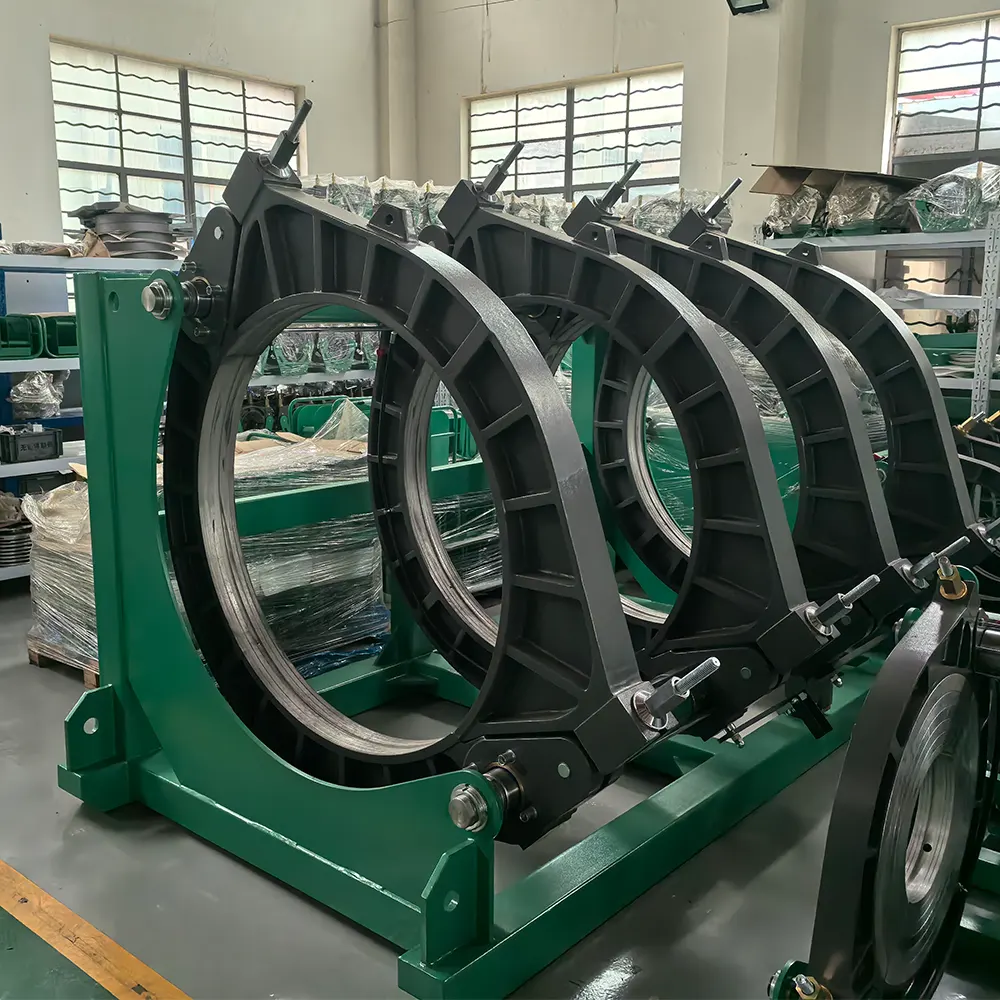
Fusion welding equipment plays a critical role in creating strong, leak-free pipe joints for water supply, gas distribution, mining, and industrial pipeline projects. Whether you operate a manual, hydraulic, or CNC automatic system, proper cleaning is one of the most important steps for keeping the machine accurate, safe, and efficient. A clean welding system helps maintain stable heating performance, protects the clamp assembly, and reduces the risk of defects that can compromise the final joint.
In many job sites, equipment cleaning is treated as a small maintenance task, but in reality it directly affects welding quality and machine lifespan. Dust, plastic residue, oil, moisture, and metal particles can all interfere with alignment, heating plate performance, and pressure consistency. For contractors and operators using a butt fusion machine, regular cleaning is not just recommended—it is essential for reliable project results.
Before any cleaning begins, the machine should be switched off, unplugged, and allowed to cool fully. This protects the operator and prevents heat-related damage to tools or surfaces. A basic cleaning routine usually includes the frame, clamps, facing tool, heating plate, hydraulic components, control panel, and surrounding work area. Each part requires a slightly different method, but the same principle applies: remove contamination gently, avoid harsh abrasives, and never let residue build up.
Key rule: clean the machine after every welding session, not only when visible dirt appears. Routine maintenance is always easier and safer than repairing damage caused by neglect.
Why Cleaning Matters in Fusion Welding
The quality of a fusion weld depends on precise temperature, proper pressure, clean contact surfaces, and correct alignment. If any machine component is contaminated, the operator may experience uneven heating, inaccurate clamping, or poor pipe preparation. Even a thin layer of residue on the heating plate can affect heat transfer and produce inconsistent weld beads.
Cleaning is also important for safety. Oil buildup around hydraulic parts can create slipping hazards, while plastic fragments near moving assemblies can interfere with mechanical motion. In industrial environments, dust and moisture can lead to corrosion or electrical issues if equipment is not maintained properly. A well-cleaned machine is easier to inspect, easier to operate, and more dependable on demanding project schedules.
Tip: A consistent cleaning routine can extend service life, reduce downtime, and improve weld consistency across different pipe sizes and project conditions.
Tools and Materials You Should Use
Using the right tools is just as important as using the right cleaning method. Operators should prepare soft lint-free cloths, a plastic scraper, a mild approved cleaning solution, a non-metallic brush, gloves, and a storage container for removed debris. For heating plate cleaning, only materials recommended by the manufacturer should be used, because abrasive pads or hard tools may damage the coating.
It is also helpful to keep a dedicated maintenance kit near the machine. This reduces the chance of using incorrect chemicals or dirty rags from the worksite. When cleaning electronic controls, use dry cloths or slightly damp cloths only, and avoid direct contact with water. Hydraulic components should be cleaned carefully to prevent contamination from entering seals or fittings.
Recommended supplies: soft cloths, plastic scraper, approved cleaner, glove set, and a small brush for dust removal.
Step-by-Step Cleaning of Fusion Welding Equipment
1. Turn Off and Cool Down the Machine
Always begin by disconnecting the power supply and allowing the equipment to cool completely. The heating plate can remain hot for a long time after use, and cleaning it too early may cause burns or damage to cleaning materials. A safe cool-down period also protects sensitive parts from sudden temperature changes.
2. Remove Loose Dirt and Plastic Residue
Use a dry cloth or soft brush to remove dust, pipe shavings, and surface debris. Around the clamps and frame, small bits of melted polyethylene may remain after fusion cycles. These should be removed gently with a plastic scraper. Avoid steel tools that can scratch or deform working surfaces.
3. Clean the Heating Plate Carefully
The heating plate is one of the most sensitive components in the whole system. After cooling, wipe it with a soft cloth and an approved cleaning agent if needed. Never use sharp objects, wire brushes, or strong solvents that could damage the non-stick surface. A clean heating plate helps ensure uniform heat transfer and better bonding results.
Important: do not scrape the heating surface aggressively. Damage to this part can lead to unstable temperatures and poor weld quality.
4. Wipe Down Clamps and Alignment Surfaces
Clamps must remain clean to hold the pipe securely and maintain precise positioning. Remove dust, grease, and pipe fragments from the clamping area, guide rods, and alignment components. If your machine includes manual or hydraulic motion parts, inspect them while cleaning to make sure movement remains smooth and unobstructed.
5. Maintain the Facing Tool
The facing tool, or trimmer, produces flat and accurate pipe ends before welding. After each use, remove plastic chips and check the blade area for buildup. A clean facing tool improves cut quality and helps avoid edge irregularities. Store it in a dry location after cleaning to reduce wear and corrosion.
6. Inspect Hydraulic and Control Components
Hydraulic systems should be checked for oil leakage, dust accumulation, and loose fittings. Clean around the cylinders and hoses without allowing liquid or debris to enter the system. Control panels should be wiped with a dry or slightly damp cloth only. Keeping the operating interface clean improves visibility and reduces the chance of accidental errors.
For machines used in demanding field conditions, regular cleaning should be combined with scheduled inspections. Many project teams working with HDPE pipelines depend on stable machinery performance, especially when the work involves large pipe diameters or tight installation deadlines. Companies with strong manufacturing support, such as those offering customizable solutions and reliable technical guidance, often provide maintenance recommendations that help keep equipment in excellent condition throughout its lifecycle.
Best Practices for Daily and Weekly Maintenance
Daily maintenance should focus on visible dirt, heating plate residue, and work area cleanup. At the end of each shift, wipe down surfaces, remove scraps, and store accessories properly. Weekly maintenance should go deeper, with attention to alignment checks, moving parts, hydraulic fluid condition, and overall machine cleanliness. If the machine is used in dusty, wet, or muddy conditions, the cleaning frequency should be increased.
It is also wise to assign cleaning responsibilities to trained operators only. Proper handling reduces the chance of accidental damage and improves consistency across shifts. A machine that is cleaned by a knowledgeable operator is more likely to remain calibrated and ready for immediate use.
Operator checklist: remove residue, wipe clamps, protect the heating plate, inspect hoses, and store the machine in a dry environment.
Common Mistakes to Avoid
One of the most common mistakes is cleaning while the equipment is still hot. This can cause burns and damage to soft cloths or cleaning chemicals. Another frequent error is using metal tools on sensitive surfaces, especially on the heating plate or precision alignment parts. Some operators also overlook the importance of drying the machine after cleaning, which can lead to rust, corrosion, or electrical issues.
Another problem is using unapproved solvents. Strong chemicals may seem effective, but they can weaken coatings, seals, or plastic parts. The safest approach is always to follow the manufacturer’s maintenance instructions and use materials suited to the specific machine model. For global contractors handling different site conditions, this discipline can prevent unnecessary repair costs and lost time.
How Quality Manufacturing Supports Easier Maintenance
Well-designed fusion welding equipment is easier to clean because its components are organized for access, durability, and practical field use. Manufacturers with advanced production capability and strict quality control often design machines with stable clamp structures, reliable hydraulic performance, and clear service access. This makes daily maintenance simpler and helps operators keep the system in top condition.
For example, a company like JQ-Fusion focuses on durable butt fusion solutions for different pipe diameters and application needs. Its machines are widely used in water, gas, mining, and industrial installations, where easy maintenance is essential. With support for OEM and ODM customization, as well as technical guidance and fast shipping, users can select equipment that fits project requirements while also simplifying upkeep.
When choosing equipment, buyers should consider not only welding performance but also how easy the machine is to clean, inspect, and service. Reliable design saves time in the field and supports better long-term return on investment. For organizations managing multiple projects, this can make a major difference in productivity and repair frequency.
Storing the Equipment After Cleaning
After cleaning, the machine should be stored in a dry, protected area away from direct sunlight, heavy dust, and moisture. Moving components should be secured, accessories organized, and sensitive parts covered if possible. Good storage habits preserve the quality of cleaning work and reduce contamination before the next welding session.
If the equipment is not going to be used for a long period, apply any recommended protective measures such as corrosion prevention or periodic inspection. This is especially useful for machines deployed in remote job sites or seasonal projects. A clean and properly stored machine will always be faster to restart and safer to operate.
Final maintenance reminder: clean, dry, inspect, and store. These four steps protect the machine and improve welding reliability.
Conclusion
Cleaning fusion welding equipment properly is a practical habit that directly supports weld quality, machine reliability, and site safety. By removing residue after each use, protecting sensitive surfaces, and following a structured maintenance routine, operators can keep their equipment working efficiently for years. Whether you are managing a small installation crew or a large pipeline project, clean equipment gives you better control and more consistent results.
In short, good cleaning is not an extra task—it is part of the welding process itself. The more attention you give to maintenance, the more dependable your fusion joints and production schedule will become.
FAQs
1. How often should fusion welding equipment be cleaned?
It should be cleaned after every welding session, with a more detailed inspection and maintenance routine performed weekly or according to usage intensity.
2. Can I use any solvent to clean the heating plate?
No. Only use cleaning materials approved by the equipment manufacturer to avoid damaging the heating plate surface or reducing its performance.
3. What is the most important part to keep clean?
The heating plate, clamps, and facing tool are especially important because they directly affect pipe preparation, alignment, and weld quality.
4. Why is cleaning important for hydraulic fusion machines?
Clean hydraulic systems reduce the risk of contamination, leakage issues, and movement problems, helping maintain stable pressure and reliable operation.
5. What should I do before storing the machine?
Make sure it is fully cleaned, completely dry, inspected for damage, and stored in a protected area away from dust and moisture.



