
Pipe welding is one of the most important steps in building reliable pipeline systems for water supply, gas distribution, mining, industrial processing, and many other applications. When welding productivity improves, project timelines become shorter, labor costs are better controlled, and overall weld consistency becomes easier to maintain. For contractors, fabricators, and distributors, the ability to increase productivity is not only about working faster; it is about creating a smarter workflow that reduces rework, improves quality, and keeps every joint aligned with project requirements.
In modern pipeline projects, productivity depends on a combination of skilled operators, stable equipment, proper preparation, and efficient site management. A well-organized welding process helps teams complete more joints per shift while keeping safety and quality at a high standard. Whether the job involves small-diameter pipe or larger industrial systems, the right methods can significantly improve output without sacrificing reliability.
Key point: Productivity in pipe welding is not achieved by rushing. It is achieved by reducing downtime, minimizing errors, standardizing procedures, and using equipment that delivers stable performance every time.
One of the first ways to increase productivity is to improve job preparation. Before welding begins, pipes should be inspected, cleaned, aligned, and measured accurately. Poor preparation often creates avoidable delays during the welding cycle. When surfaces are properly cleaned and prepared, welders can focus on execution rather than correcting fit-up problems. This is especially important in butt fusion work, where alignment and heat control directly affect the final joint quality.
Preparation also includes organizing the work area. Tools, clamps, power sources, cleaning materials, and safety equipment should be placed within easy reach. When operators do not need to search for equipment, the entire process moves more smoothly. In large projects, this kind of planning can save hours over the course of a workday.
Choose the Right Welding Equipment
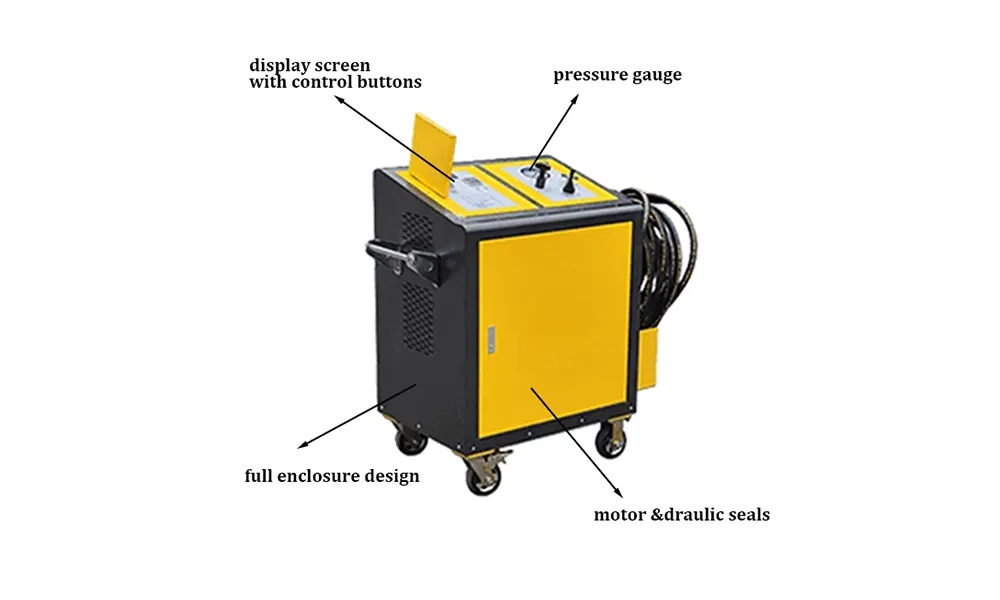
The type of welding machine used has a major impact on productivity. A machine that is stable, easy to operate, and suited to the pipe diameter can reduce operator fatigue and improve output. For pipe fusion applications, consistent temperature control, accurate pressure adjustment, and reliable clamping are essential. If a machine produces uneven results, the team will spend more time inspecting, adjusting, and reworking joints.
Modern pipe welding projects often benefit from equipment that supports manual, hydraulic, or CNC automatic operation depending on the job requirements. Manual systems may be appropriate for smaller projects, while hydraulic and automatic systems can increase speed and consistency on larger or more repetitive installations. For contractors looking to improve efficiency, selecting the right machine is one of the most important decisions.
Tip: A high-quality butt fusion machine can help reduce cycle interruptions, maintain stable welding conditions, and support better productivity across different pipe diameters.
At this stage, many teams also evaluate machine durability and service support. Equipment that requires frequent repair or recalibration can slow down an otherwise efficient project. Choosing machines from experienced manufacturers helps ensure better long-term performance, especially when the equipment is used in demanding field conditions.
Standardize the Welding Procedure
Standardization is one of the most effective ways to improve productivity. When every operator follows the same procedure for pipe preparation, heating, fusion, cooling, and inspection, workflow becomes more predictable. Teams can work faster because they understand exactly what comes next, and supervisors can monitor quality more easily.
A clear procedure should cover:
• Surface preparation
• Pipe alignment
• Heating time and temperature
• Fusion pressure control
• Cooling and handling time
• Final inspection criteria
When these steps are standardized, productivity improves because the team spends less time making decisions on the spot. It also reduces the chance of inconsistent welds, which can otherwise lead to costly repairs or delays.
Train Operators for Accuracy and Speed
Skill level plays a direct role in productivity. Even with advanced equipment, an untrained operator may work slowly or make mistakes that require correction. Training should focus not only on how to use the machine but also on how to recognize issues before they become serious. Operators who understand alignment, heating behavior, and pressure control can complete more reliable welds in less time.
Training should also include safety practices. A productive team is one that can work continuously without unnecessary incidents. Well-trained workers reduce the risk of accidents, which keeps the project on schedule and supports long-term efficiency.
Important: The fastest team is not always the most productive team. The most productive team is the one that completes high-quality welds consistently with minimal rework.
Reduce Downtime Through Better Maintenance
Equipment maintenance is another critical factor. A machine that is poorly maintained may experience unstable heating, pressure loss, clamp misalignment, or unexpected shutdowns. These issues interrupt the workflow and lower productivity. Routine maintenance helps prevent such problems before they affect the project.
Daily inspection should include cleaning, checking electrical connections, confirming pressure accuracy, and verifying that moving parts operate smoothly. Preventive maintenance schedules help extend the service life of the machine and keep the welding process efficient. In high-volume projects, even a short delay caused by equipment failure can create a significant backlog.
Good maintenance habits also improve quality, which indirectly improves productivity. When welds are completed correctly the first time, the team avoids time-consuming repairs and re-inspection. Over time, this creates a more efficient and profitable workflow.
Improve Material Handling and Site Organization
Pipe welding productivity is strongly influenced by how materials are moved and stored on-site. If pipes, fittings, and consumables are scattered across the job area, workers lose time retrieving materials and clearing space. A well-organized site keeps materials accessible and reduces unnecessary motion.
Effective material handling includes pre-arranging pipe sections by size and installation sequence, protecting materials from contamination, and keeping the welding area free from obstacles. For large projects, it can be helpful to create dedicated zones for cutting, cleaning, welding, inspection, and storage. This approach reduces confusion and helps multiple crews work efficiently at the same time.
In addition, planning the workflow around pipe size and project sequence can reduce idle time. When the next section is ready before the current weld is completed, the crew can continue operating without interruption.
Efficient site habits: Keep consumables close, organize pipes by sequence, use clear task assignments, and maintain a clean working area to support faster and safer welding operations.
Use the Right Technology for the Project Scale
Not every project requires the same level of automation. Smaller jobs may be handled well with manual systems, but larger pipeline installations often benefit from hydraulic or CNC automatic equipment. The correct technology can make a dramatic difference in productivity, especially when the same weld needs to be repeated many times with consistent quality.
For example, automatic systems can help reduce operator dependence and improve repeatability, which is valuable in high-volume production environments. Hydraulic systems can provide stable force and better control during fusion. By matching the machine to the project, contractors can avoid underusing or overburdening equipment.
When comparing equipment options, it is useful to consider pipe diameter range, installation environment, power availability, and the level of operator experience. A better match between technology and project needs usually results in fewer delays and smoother production flow.
Balance Speed with Quality Control
Some teams make the mistake of focusing only on speed. In pipe welding, poor-quality joints can create much bigger problems later, including leakage, repair work, and project failure. Productivity should always include quality control as part of the process. A properly welded joint completed once is far more productive than a fast weld that must be redone.
Quality checks should be integrated into the workflow, not treated as a separate burden. When inspection is built into the process, defects can be found early and corrected quickly. This approach protects both productivity and project reputation.
Best practice: Measure productivity by completed acceptable joints, not just by the number of welds performed. Quality and output should move together.
Work with Reliable Suppliers and Technical Support
Reliable suppliers can help increase productivity by providing equipment that is ready for demanding field conditions and supported by responsive technical service. When a machine is backed by strong support, any issue can be resolved faster, which helps keep the project moving. This is particularly important for international contractors and distributors who need consistent supply and dependable after-sales assistance.
Manufacturers with strong engineering capability and strict testing processes can offer more stable equipment performance. For example, production inspection on temperature accuracy, hydraulic stability, and clamp alignment helps ensure that every machine performs as expected. Reliable support also reduces downtime caused by troubleshooting or part replacement.
For companies expanding into new markets, OEM and ODM customization can also improve productivity by tailoring the machine to project needs. Custom voltage, size, control systems, or branding may help fit specific operational requirements and streamline deployment across different regions.
How JQ-Fusion Supports Higher Productivity
JQ-Fusion focuses on developing butt fusion solutions that help contractors and distributors work more efficiently across water supply, gas, mining, and industrial pipeline projects. With more than 20 years of industry experience, the company provides manual, hydraulic, and CNC automatic butt fusion welding machines designed to support stable performance and long service life.
Its manufacturing approach emphasizes precision, testing, and customization. This matters because productivity depends not only on machine speed but also on reliability in real working environments. When equipment is designed and tested for consistent operation, teams can maintain output with fewer interruptions.
JQ-Fusion also offers flexible OEM and ODM customization, making it easier for businesses to build their own competitive advantage. Fast shipping, large inventory support, and professional technical guidance further help reduce delays and improve project execution.
Practical Productivity Checklist
✔ Prepare pipes properly before welding
✔ Choose equipment that matches the pipe diameter and project scale
✔ Train operators for both quality and speed
✔ Maintain machines regularly
✔ Keep the worksite organized
✔ Use standard procedures for every joint
✔ Inspect welds continuously to avoid rework
When these practices are applied together, pipe welding productivity improves in a practical and measurable way. Projects move forward faster, crews work more confidently, and the number of repeat corrections decreases.
FAQs
Q1: What is the fastest way to improve pipe welding productivity?
A: The fastest improvement usually comes from better preparation, proper equipment selection, and standardized welding procedures.
Q2: Does automation always increase productivity?
A: Not always. Automation helps most when the project involves repetitive tasks, large volumes, or strict consistency requirements.
Q3: Why does pipe alignment matter so much?
A: Accurate alignment improves joint quality, reduces defects, and prevents delays caused by rework or adjustment.
Q4: How can maintenance affect productivity?
A: Regular maintenance prevents unexpected machine failure, supports stable welding performance, and reduces downtime.
Q5: What should contractors look for in a welding machine supplier?
A: Contractors should look for reliable quality control, technical support, customization options, fast delivery, and proven performance in real projects.



