
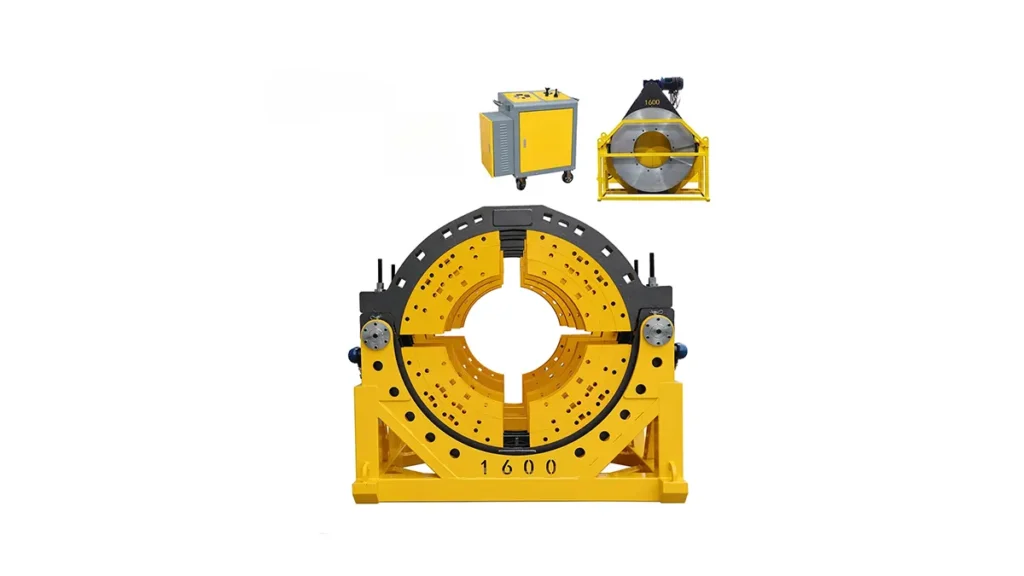
How can you extend the lifespan of a welding machine? For workshops, pipeline contractors, and industrial teams, this is not just a maintenance question—it is a cost-control strategy. A well-maintained welding machine can deliver stable performance for years, while poor handling can quickly lead to inaccurate welding, damaged components, and avoidable downtime. Whether you operate a manual unit, a hydraulic system, or a CNC automatic model, the same principle applies: good care directly translates into longer service life.
In pipe fabrication and field installation, welding equipment is often exposed to heat, dust, vibration, pressure, and frequent daily use. These conditions can gradually wear down key parts if the machine is not cleaned, inspected, and calibrated on time. The good news is that extending lifespan is not complicated. With the right operating habits, maintenance schedule, and storage method, you can protect your equipment and keep welding quality consistent.
1. Start with Proper Daily Cleaning
One of the simplest ways to increase machine life is to keep it clean after every job. Dust, metal particles, grease, and plastic residue can collect around the heating plate, clamps, hydraulic components, and control area. Over time, these contaminants may affect temperature accuracy, movement smoothness, and overall welding precision.
🔧 Tip: Always clean the machine after it cools down. Use a soft cloth, approved cleaning tools, and dry storage materials to avoid unnecessary damage.
For heating surfaces, remove residue carefully so you do not scratch the coating. For hydraulic and mechanical sections, wipe away dirt regularly and check whether moving parts are free from blockage. If your equipment is used in dusty environments such as mining or outdoor pipeline sites, cleaning should be even more frequent.
2. Follow the Correct Operating Procedure
Incorrect operation is one of the fastest ways to shorten the lifespan of any welding machine. Overloading the machine, using improper voltage, or skipping preheating checks can create stress on electrical and mechanical systems. Operators should always understand the machine’s rated capacity and follow the recommended welding parameters.
Before each shift, make sure the power supply matches the machine requirements. Check whether the pipe size, pressure setting, and temperature range are suitable for the task. If the equipment is designed for specific pipe diameters or materials, do not push it beyond its intended application. Consistent misuse often causes internal wear that may not be visible at first but will eventually affect performance.
For businesses looking for reliable equipment, exploring a trusted butt fusion machine supplier can also help ensure the machine is designed for long-term industrial use and supported with the right technical guidance.
3. Keep the Heating Plate in Excellent Condition
The heating plate is one of the most important components in a butt fusion welding machine. If the surface is damaged, dirty, or poorly calibrated, weld quality drops immediately. A heating plate that operates outside the correct temperature range can also force the machine to work harder, increasing wear over time.
Inspect the heating plate regularly for signs of scratches, uneven coating, burn marks, or residue buildup. If the plate is removable, handle it carefully and store it properly when not in use. Avoid using sharp tools to remove plastic residue, as this can damage the surface and affect future fusion results.
Important: Accurate temperature control protects both weld quality and machine longevity. Regular calibration helps prevent overheating and premature component failure.
4. Protect Hydraulic Systems from Wear
Hydraulic welding machines are powerful and efficient, but they rely on stable pressure and clean fluid operation. If hydraulic oil becomes contaminated or the pressure system is neglected, seals, pumps, and valves may wear out sooner than expected. This can lead to unstable clamping force, poor fusion alignment, and inconsistent output.
To extend hydraulic life, check oil levels and replace hydraulic oil according to the manufacturer’s recommendation. Inspect hoses for cracks, leaks, or stiffness. Keep the hydraulic system clean and avoid mixing oils that are not compatible. Any unusual noise, pressure fluctuation, or slow response should be investigated early before it develops into a serious fault.
On larger industrial projects, equipment from experienced manufacturers such as JQ-Fusion often offers strong hydraulic stability and quality control. Their production expertise in manual, hydraulic, and CNC automatic solutions supports users who need reliable performance over long service cycles.
5. Store the Machine in a Safe Environment
Storage conditions have a direct impact on machine lifespan. Even a high-quality welding machine can deteriorate quickly if it is left in humid, dusty, or extreme-temperature environments. Moisture may corrode metal parts, while dust and debris can enter electrical panels or moving joints.
After use, store the machine in a dry, ventilated area. Cover it to protect against dirt and accidental impact, but avoid sealing moisture inside the cover. If the machine will not be used for an extended period, disconnect the power source, clean all surfaces, and apply protective measures where needed. For outdoor or mobile projects, transportation cases and protective packaging can greatly reduce damage during movement.
6. Inspect Cables, Connectors, and Electrical Parts Regularly
Electrical problems are a common cause of early machine failure. Frayed cables, loose connectors, damaged plugs, and overheated terminals can all put extra strain on the system. These issues may lead to unstable current delivery, inaccurate temperature control, or sudden shutdowns.
Make cable inspection part of your routine maintenance plan. Look for signs of wear, discoloration, or exposed wiring. Ensure all connections are secure and that power sockets are suitable for the machine’s load. If your machine has digital controls or an automatic operating system, extra care should be taken to keep sensors and control panels dry, clean, and protected from impact.
⚡ Reminder: Small electrical issues can become major repairs if ignored. Routine inspection is far cheaper than emergency replacement.
7. Train Operators Properly
Operator skill matters as much as machine quality. A well-trained technician understands correct setup, pressure adjustment, heating time, alignment checks, and safe shutdown procedures. Poor training often leads to accidental damage, unnecessary force on parts, or repeated welding mistakes that reduce machine efficiency.
Businesses should provide clear instructions, hands-on training, and refreshers for new staff. When operators know how to identify early warning signs, they can solve small issues before they become expensive failures. Training also improves welding consistency, which reduces the stress caused by repeated rework and wasted cycles.
8. Use Genuine Spare Parts and Approved Accessories
Using low-quality replacement parts may save money in the short term, but it often shortens equipment life. Components that do not meet the original specifications can create misalignment, unstable temperature control, and poor mechanical response. In some cases, they may even damage other connected parts.
Whenever possible, use genuine spare parts and approved accessories from the original supplier or a reliable manufacturer. This is especially important for heating plates, hydraulic seals, control devices, sensors, and clamp-related components. Quality replacement parts help preserve the machine’s design integrity and maintain safer operation.
9. Build a Preventive Maintenance Schedule
Preventive maintenance is the most effective long-term strategy for extending lifespan. Instead of waiting for breakdowns, create a schedule that includes daily cleaning, weekly inspections, monthly performance checks, and periodic professional servicing. This makes maintenance more organized and reduces unexpected downtime.
A practical maintenance plan should include:
• Daily cleaning of work surfaces and components
• Weekly inspection of cables, clamps, and connectors
• Monthly checks of hydraulic pressure and temperature accuracy
• Quarterly review of wear parts and operating performance
• Annual professional servicing and calibration
With a stable maintenance routine, the machine experiences less stress, fewer sudden failures, and better long-term reliability. This is particularly valuable for contractors working on water supply systems, gas networks, and industrial pipeline installations where downtime can be costly.
10. Choose Equipment Designed for Durability
Sometimes the best way to extend lifespan is to start with a machine that is built to last. A high-quality welding machine should offer stable temperature control, strong clamping structure, reliable hydraulics, and durable components that can handle continuous use. Machines produced with strict quality control and modern manufacturing methods usually perform better over time.
JQ-Fusion, for example, focuses on durable HDPE pipe welding solutions and supports global projects with manual, hydraulic, and CNC automatic models. Their experience in international pipeline applications, along with OEM and ODM customization, makes them a practical choice for customers who need both performance and service life. You can also explore their product ecosystem and technical support through their website if you are planning long-term procurement for your team.
When you invest in a machine designed for stable operation, you reduce the likelihood of repeated failures, lower repair costs, and improve overall project efficiency. In other words, durability at the start saves money throughout the machine’s service life.
Conclusion
Extending the lifespan of a welding machine is the result of consistent habits, not one-time fixes. Clean the machine regularly, use it correctly, protect critical components, and follow a structured maintenance plan. Train operators well, use approved parts, and store the equipment properly. If you choose a machine built with quality and supported by professional service, you can expect better reliability and a longer operational life.
For companies that depend on welding equipment every day, these practices are more than maintenance—they are a direct investment in productivity, safety, and cost control. A strong machine, properly cared for, can deliver stable results for many years and continue supporting demanding pipeline projects with confidence.
Frequently Asked Questions
Q1: How often should I clean a welding machine?
It is best to clean the machine after each use, especially if it has been exposed to dust, residue, or outdoor working conditions.
Q2: What is the most important part to inspect regularly?
The heating plate, hydraulic system, cables, and connectors should all be checked often because they directly affect performance and service life.
Q3: Can improper voltage damage a welding machine?
Yes. Using incorrect voltage can damage electrical components, reduce stability, and shorten the lifespan of the machine.
Q4: Should I use original spare parts?
Yes. Genuine or approved parts are usually the safest choice because they preserve compatibility, reliability, and machine durability.
Q5: How can I reduce unexpected machine breakdowns?
Use preventive maintenance, train operators properly, inspect components regularly, and address small issues before they become major faults.



