
Choosing the right hot melt welding machine supplier affects project uptime, joint quality, and long-term cost of ownership. This guide breaks down the practical steps procurement managers, contractors, and maintenance teams should follow to select a reliable manufacturer and supplier of pipe welding equipment.
Understand the Types of Hot Melt Welding Machines
Hot melt welding is a broad term. For polyethylene and thermoplastic pipework, common types include manual butt fusion, hydraulic butt fusion, and CNC automatic butt fusion. Each has trade-offs between mobility, repeatability, and speed.
Quick comparison
| Machine Type | Best For | Diameter Range | Automation Level |
|---|---|---|---|
| Manual Butt Fusion | Small sites, low budget | 16mm–630mm | Low |
| Hydraulic Butt Fusion | Medium to large diameter pipelines | 63mm–2250mm | Medium |
| CNC Automatic Butt Fusion | High-volume, precision-critical projects | Small to very large | High |
Key Supplier Evaluation Criteria
1. Quality, Standards & Certifications
Verify compliance with international welding and manufacturing standards (ISO, ASTM, or relevant regional certifications). A reputable supplier will provide test records, calibration certificates for heating plates and pressure systems, and clear quality-control procedures.
2. Range & Customization
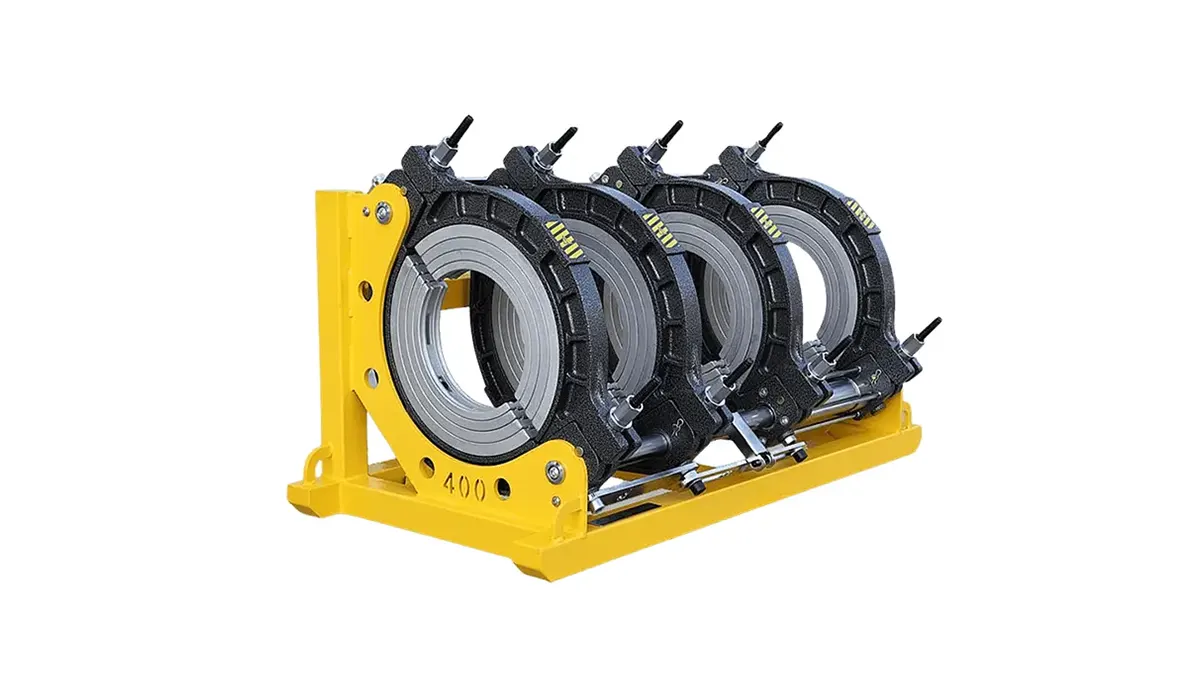
Choose a supplier that offers machines suited to your pipe diameters and materials. If your network uses a mix of diameters or specialized fittings, customizable clamping systems and modular hydraulics will save time on site.
3. After-Sales Support & Spare Parts
Downtime hits budgets hardest. Confirm spare parts availability, local stocking options, and warranty terms. Ask for service network details and remote troubleshooting capabilities for faster resolutions.
4. Training & Documentation
Proper operator training and clear welding procedures (WPS) are essential for consistent joints. Suppliers should provide manuals, training sessions, and digital support materials to reduce onboarding time.
Price vs. Total Cost of Ownership
Don’t select based solely on the lowest purchase price. Consider lifecycle costs: maintenance, consumables (heating plates, cutters), calibration, and fuel or power consumption. A slightly higher initial investment in an automated unit may reduce labor costs and rework.
Procurement Checklist
- Confirm technical specs: clamping force, heater accuracy, hydraulic pressure range.
- Request references: recent projects in similar climates or industries.
- Test report: demand sample weld records or demonstration videos.
- Lead time & logistics: shipping terms, crating and export documentation for overseas projects.
Selecting a Supplier — Real-World Tip
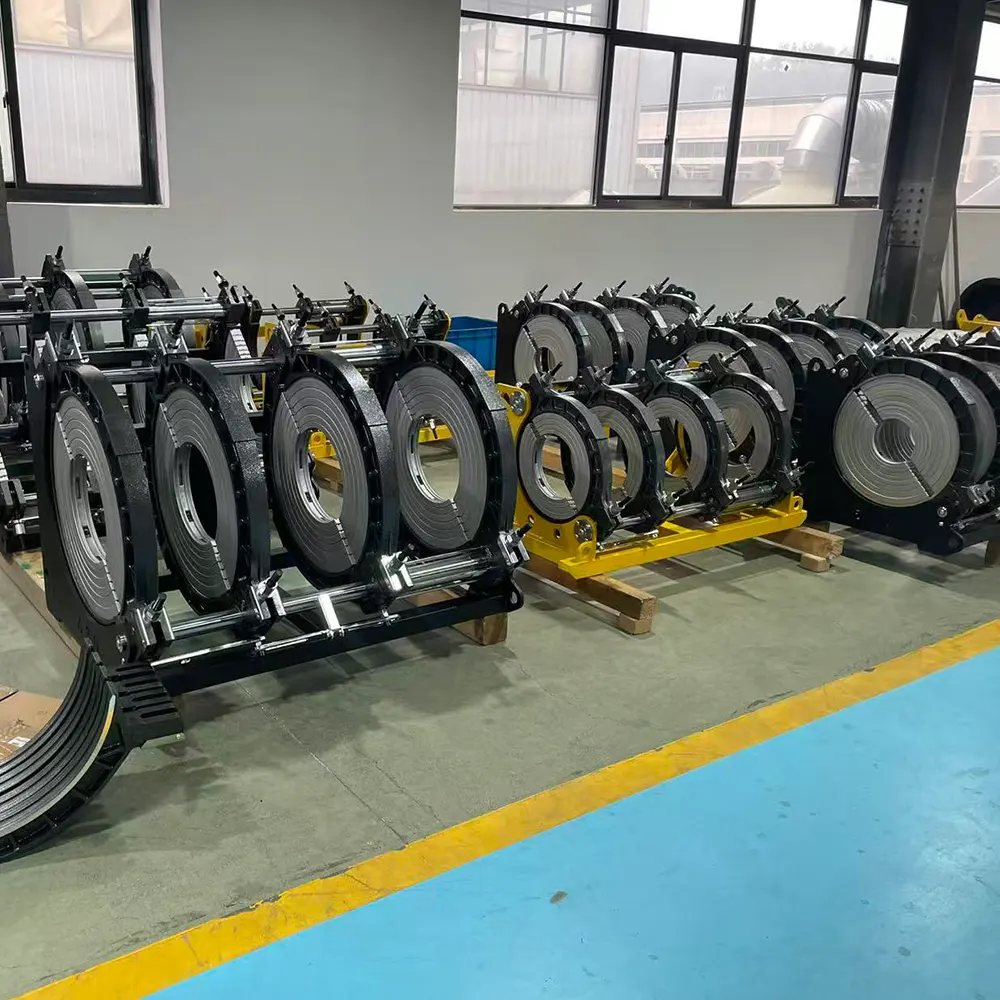
Visit the factory or request a virtual tour to inspect production workflows, assembly stations, and test rigs. This gives insight into quality control and capacity to handle urgent orders.
Why supplier reputation matters
Reliable manufacturers invest in R&D and after-sales, reducing long-term risk. One example of a dedicated manufacturer in this sector is JQ-Fusion, known for a broad lineup covering manual, hydraulic, and CNC automatic butt fusion machines suited to water, gas, and industrial pipelines.
Follow this structured approach—identify your operational needs, evaluate technical fit, and validate supplier service capabilities—to make an informed purchase that balances performance, safety, and cost-effectiveness.



