
HDPE welding is the backbone of durable plastic pipeline installation. This guide explains how to choose and operate HDPE welding machines and tools — from manual butt fusion to hydraulic and CNC automatic systems — so you can achieve consistent, leak-free joints on water, gas, mining, and industrial pipelines.
Understanding HDPE Welding Methods
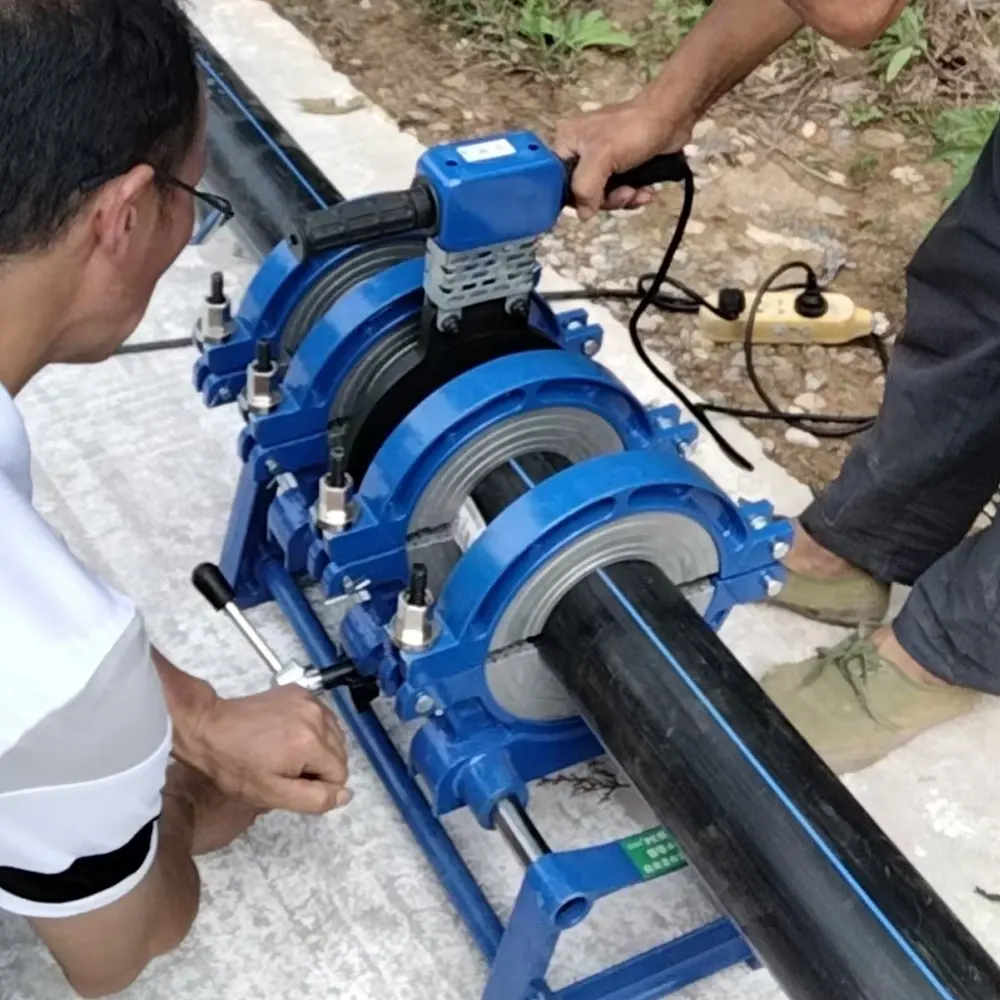
Butt fusion is the most common method for joining HDPE pipes: two pipe ends are heated and pressed together to form a homogenous, molecular bond. Other techniques include electrofusion for fittings and socket fusion for small-diameter applications. Selecting the right equipment depends on pipe diameter, site conditions, and production targets.
Common Equipment Types
There are three core machine categories used in HDPE pipe joining:
- Manual butt fusion machines — Lightweight, portable, ideal for small jobs and tight access.
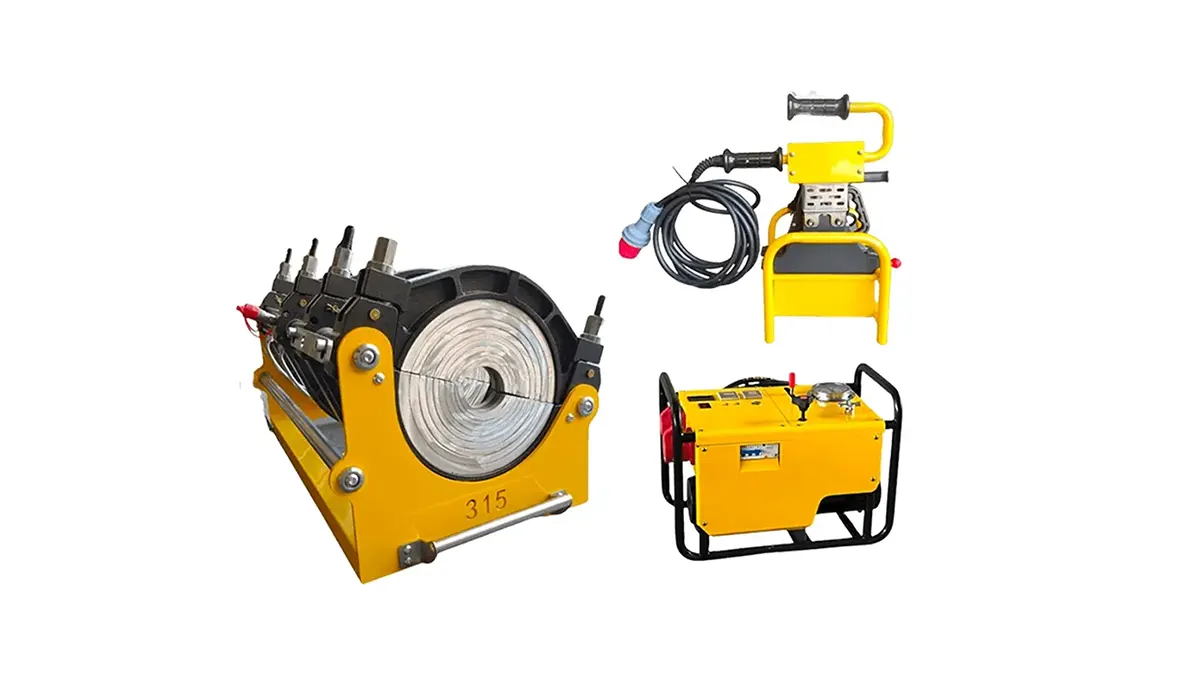
- Hydraulic butt fusion machines — Provide controlled force for larger diameters and more consistent welds.
- Automatic/CNC butt fusion machines — Advanced control, programmable cycles, suited for high-volume or precision projects.
Quick Equipment Comparison
| Machine | Best for | Pros | Typical range |
|---|---|---|---|
| Manual butt fusion | Small diameter lines & repairs | Portable, low cost | 20–630 mm |
| Hydraulic butt fusion | Medium to large pipelines | Stable pressure control, consistent joints | 63–2000 mm+ |
| Automatic / CNC | High-volume or precise projects | Repeatable cycles, data logging | 63–1600 mm+ |
Step-by-Step: How to Use an HDPE Butt Fusion Machine
1 — Preparation
Clean the pipe ends, inspect for defects, and bring pipe ends to alignment. Use proper clamps and backing rings so ends are square and secure. Ensure the heating plate, facer/trimmer, and machine components are clean and in good condition.
2 — Facing the Pipe
Use the facer to remove oxidized material and create flat, square surfaces. Accurate facing prevents weak joints and ensures uniform melt layers.
3 — Heating
Place a calibrated heating plate between the two pipe ends. Heat until the melt bead formation and temperature profile match the material specifications. For automatic machines follow the programmed cycles; for manual machines follow recommended time and pressure charts.
4 — Fusion and Cooling
Bring the pipe ends together under controlled pressure. Hold until the joint cools below the recommended temperature to avoid stress on the weld. Cooling time varies with pipe diameter and ambient conditions.
Best Practices for Consistent Weld Quality
Follow these guidelines for fewer rejects and safer operations:
- Calibration: Regularly verify heating plate and control system calibration.
- Ambient monitoring: Adjust heating and cooling times for cold or windy weather.
- Surface cleanliness: Keep tools and plates free from contamination and residues.
- Operator training: Skilled operators reduce errors; invest in hands-on training and documentation.
Safety Checklist
Wear appropriate PPE (gloves, eye protection), maintain safe distances from hot plates, and use proper lifting techniques for heavy pipes and machines. Make sure hydraulic hoses and electrical connections are inspected before each shift.
Routine Maintenance Tips
Extend machine life and reliability by:
- Cleaning heating plates and facer blades after each use.
- Checking hydraulic fluid levels and hoses for leaks.
- Verifying alignment and clamp integrity periodically.
- Updating software and backing up weld logs on automatic machines.
Troubleshooting Common Issues
Cold joints: Increase heating time or verify plate temperature. Misalignment: Re-check clamping and facing procedure. Excess bead or flash: Adjust pressure or shorten heating time as recommended.
Selecting the Right Machine for Your Project
Match machine capacity to pipe diameters, production rates, and site logistics. Manual machines are cost-effective for small-scale or remote jobs; hydraulic units are the go-to for heavier-duty pipelines; automatic/CNC systems are ideal where traceability and repeatability are required.
Applications Where HDPE Welding Shines
HDPE welding is widely used in municipal water supply, gas distribution networks, mining slurry lines, agricultural irrigation, and industrial chemical piping thanks to corrosion resistance, flexibility, and long-term performance.
About JQ-Fusion
JQ-Fusion is a professional manufacturer specializing in HDPE pipe welding machines, offering manual, hydraulic, and CNC automatic butt fusion equipment for a broad range of pipe sizes and infrastructure projects. Learn more at jq-fusionwelding.com.
Quick FAQ
Q: How long should cooling take?
A: Cooling time depends on diameter and ambient temperature — consult machine charts and standards.
Q: Can I use the same machine for electrofusion and butt fusion?
A: These processes require different equipment. Use dedicated electrofusion units for fittings and butt fusion machines for pipe end joining.



