
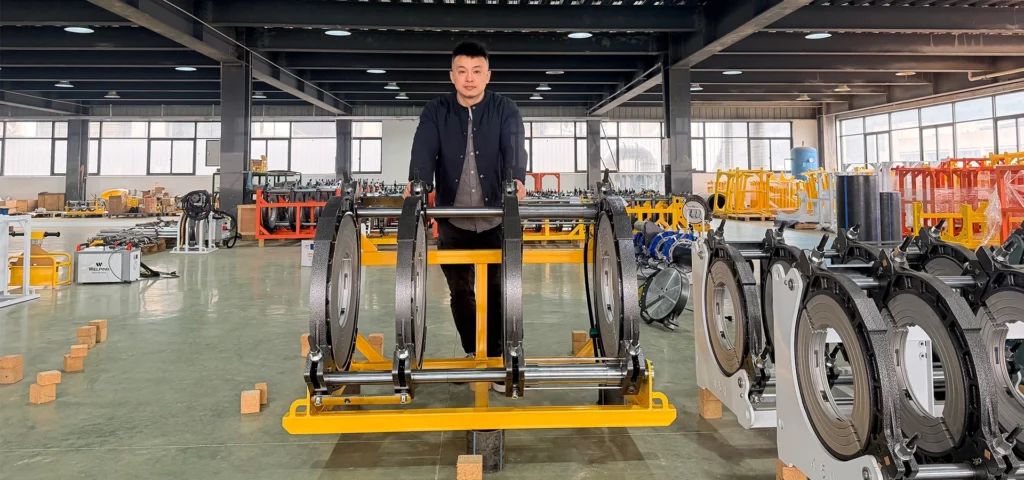
High-density polyethylene (HDPE) pipe systems are the backbone of modern water, gas, mining, and industrial infrastructure. Choosing the right welding equipment from a reliable factory ensures leak-free, durable, and efficient pipeline joints. This article explains the key benefits, equipment types, selection tips, and real-world applications of HDPE butt fusion welding machines to help procurement teams and contractors make informed decisions.
What Makes HDPE Butt Fusion Welding Ideal for Industrial Pipes
Butt fusion welding creates a homogeneous joint by heating and pressing two pipe ends together, producing a connection as strong as the pipe material itself. This method is preferred because it delivers:
– Long-term resistance to corrosion and chemicals
– Uniform strength with minimal maintenance
– Reliability for buried and above-ground pipelines used in water supply, gas distribution, and mining
Types of HDPE Welding Machines You Should Consider
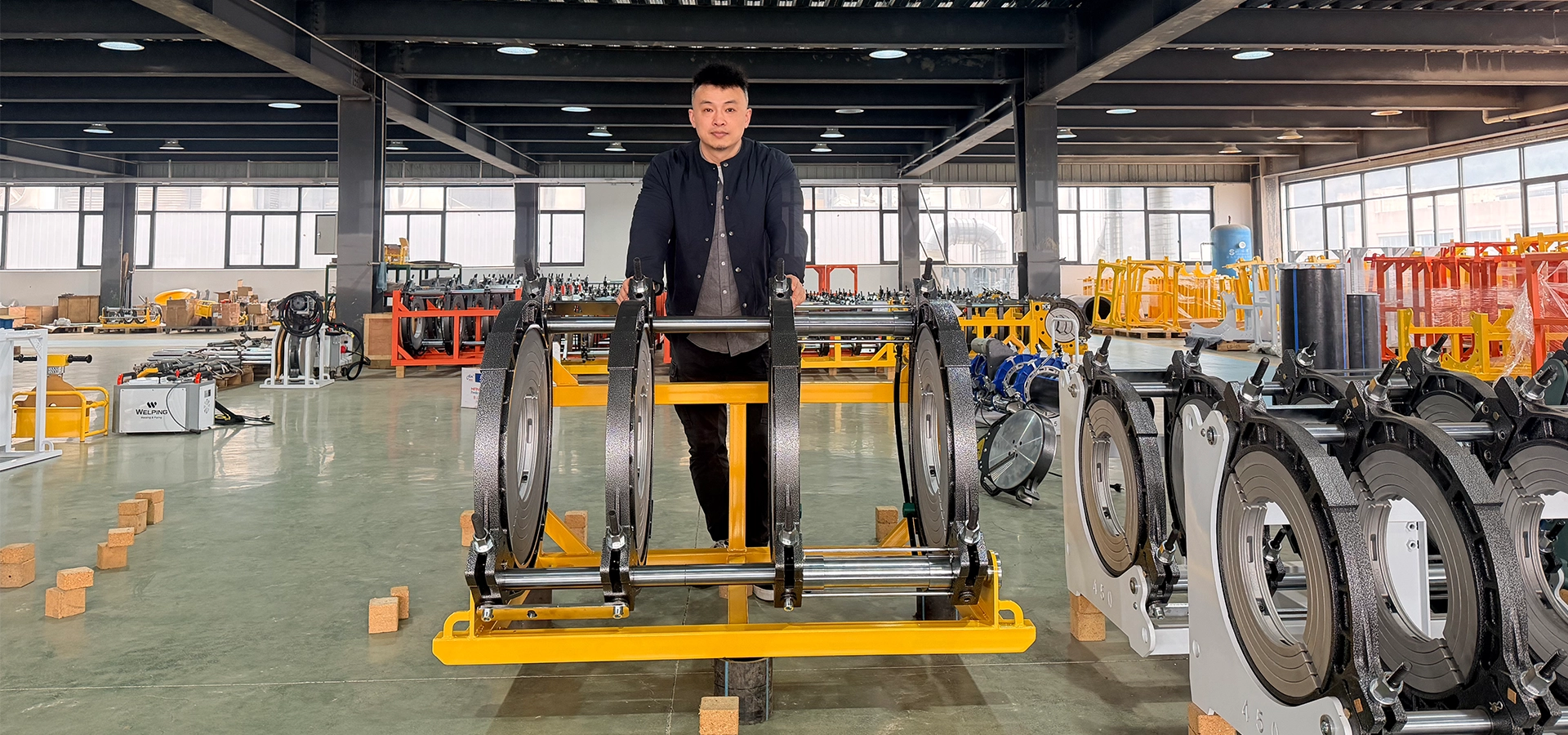
Selecting between manual, hydraulic, and automatic butt fusion machines depends on project scale and site conditions. Each type has advantages:
Manual Machines
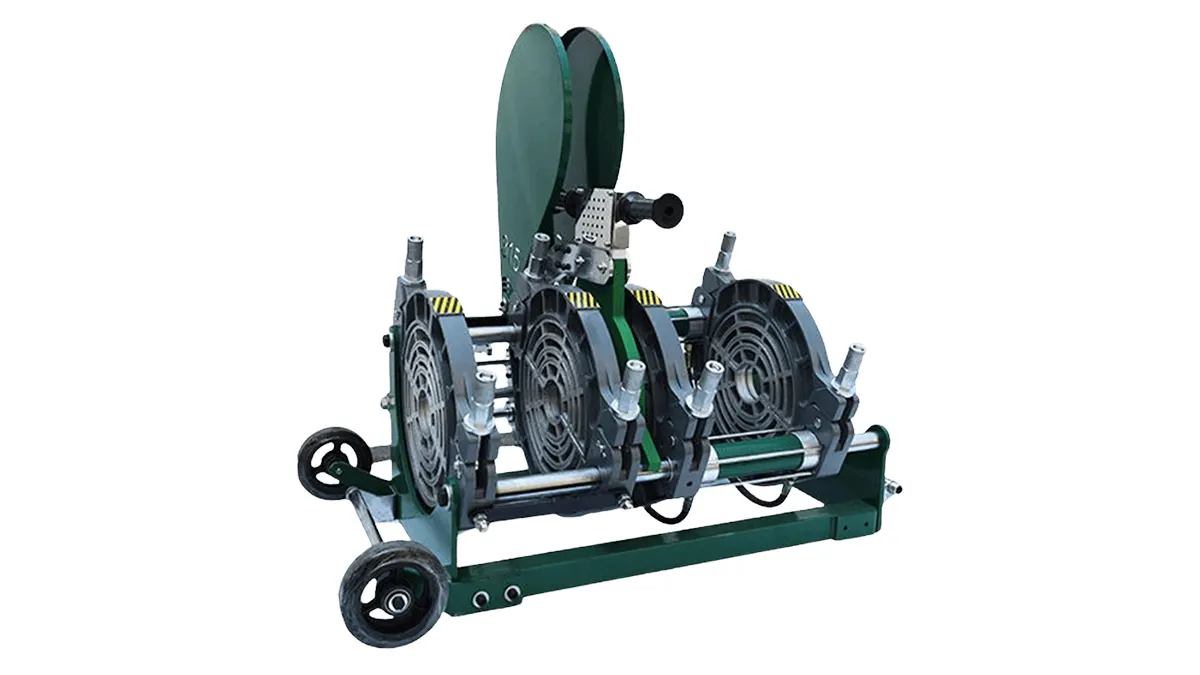
Lightweight and portable, suitable for small-diameter repairs and rural installations. Ideal where power supply is limited and mobility is a priority.
Hydraulic Machines
Provide greater clamping force and stability for medium to large diameter pipes. They are robust for construction sites and moderate automation needs.
CNC / Automatic Machines
Designed for precision, repeatability, and high-volume production. Best for large infrastructure projects where consistent weld quality and traceable parameters are essential.
Quick Comparison Table: Machine Types & Typical Use Cases
| Machine Type | Typical Pipe Range | Best For |
|---|---|---|
| Manual Butt Fusion | Up to ~160mm | Field repairs, remote sites |
| Hydraulic Butt Fusion | 160mm – 1000mm+ | Construction sites, municipal works |
| CNC / Automatic | 160mm – 2000mm+ | Large pipelines, factory fabrication |
Key Features to Evaluate in HDPE Welding Equipment
When comparing suppliers and models, give priority to these technical and usability factors:
Heating plate quality: Even surface temperature and durable non-stick coating reduce prep time and rework.
Accurate alignment & clamping: Proper jaw and clamp designs minimize joint defects and ensure concentricity.
Control and traceability: Digital controls and data logging help meet project QA/QC standards.
Serviceability and spare parts: Readily available parts and technical support speed up downtime recovery.
Applications Across Industries
HDPE welding equipment is widely adopted across diverse sectors:
– Water & wastewater networks: corrosion-free joints reduce long-term maintenance costs.
– Gas distribution: certified welds provide safe, leak-free connections for distribution lines.
– Mining and slurry pipelines: abrasion-resistant HDPE coupled with robust welding delivers extended lifecycle.
– Industrial process piping: chemical resistance and flexible jointing meet strict plant specifications.
How to Choose the Right Supplier
Choose a manufacturer that combines industry experience, quality control, and responsive after-sales service. Look for:
– Clear technical specifications and test reports
– Flexible product ranges from manual to fully automated systems
– Training and commissioning support for onsite teams
Warranty, Training & Onsite Support
Reliable suppliers back their equipment with warranty coverage and operator training. Ensure the vendor can provide:
installation guidance, welding procedure specifications (WPS), and spare parts.
Frequently Asked Questions
Q: What pipe materials are compatible?
A: Butt fusion machines are primarily used for PE and HDPE pipes. Some models also support PP and PVDF with appropriate parameters.
Q: Is automation necessary?
A: For small projects manual machines may suffice. For large-diameter or high-volume work, automated units improve consistency and throughput.
Final Note
If you’re sourcing dependable HDPE welding equipment for infrastructure projects, consider manufacturers with a broad product range, proven quality control, and global service capability. For professional butt fusion solutions from a specialized manufacturer, visit JQ-Fusion for model options and technical support.



