Common Hydraulic System Failures in HDPE Plastic Pipe Welding Machines
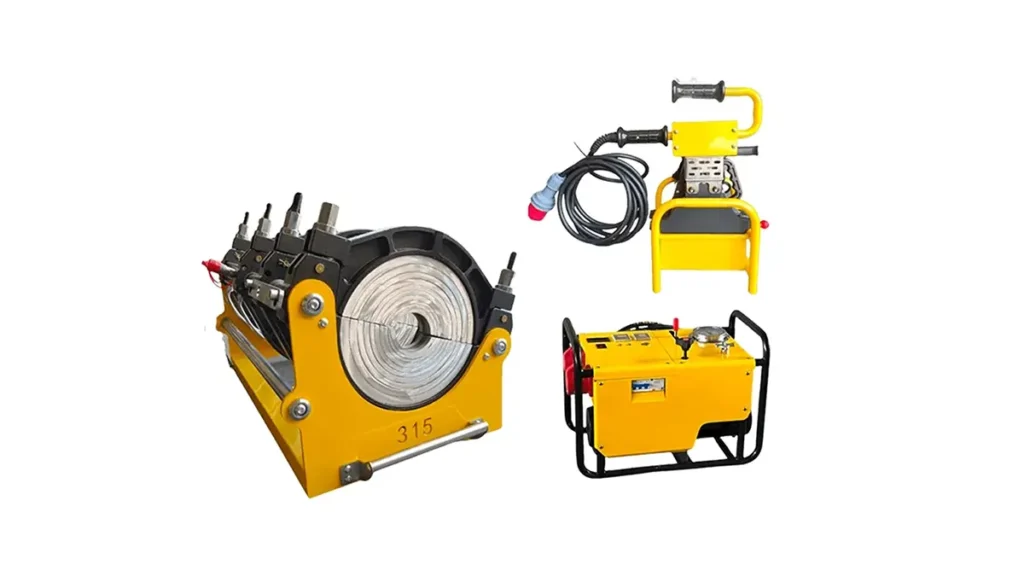
Hydraulic failures are a leading cause of downtime for HDPE butt fusion welding machines. Understanding the root causes and following a structured troubleshooting approach can restore operation quickly and prevent repeat incidents.
Quick Overview
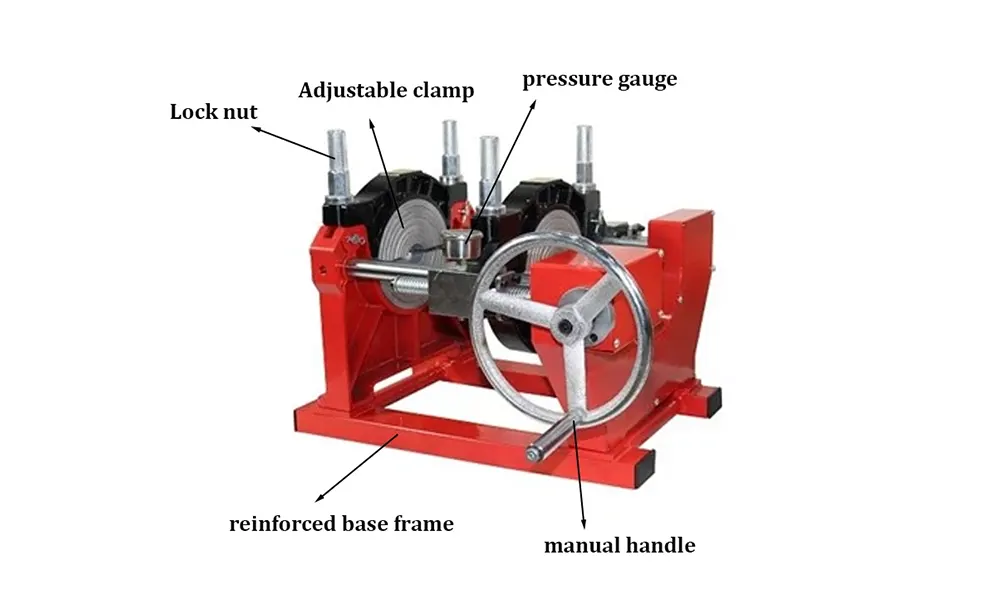
Hydraulic systems power clamps, rams, and alignment mechanisms on butt fusion machines. Typical failures manifest as slow movement, pressure loss, leaking fluid, or erratic operation. This guide identifies common causes and step-by-step troubleshooting to get your machine back to work.
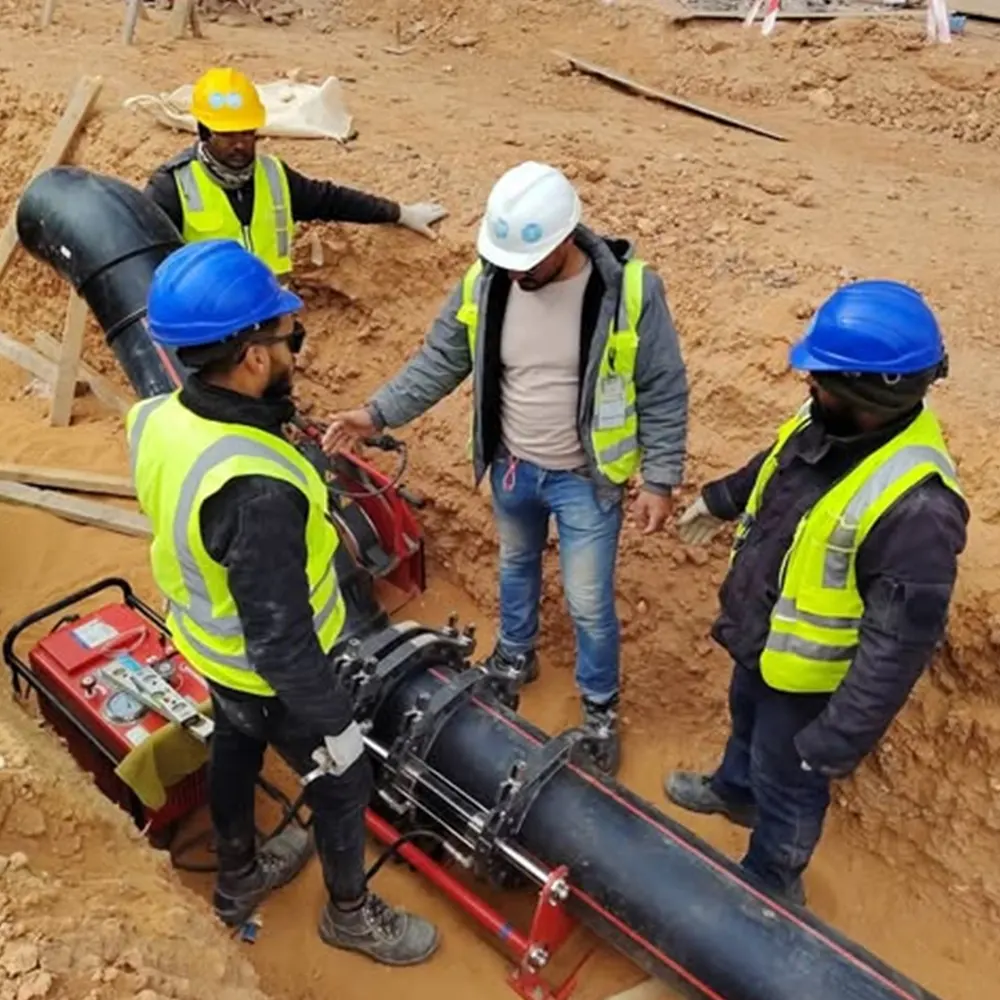
Top Causes of Hydraulic Failures
1. Contaminated hydraulic oil — Dirt, water, or degraded fluid reduces system performance and damages components.
2. Leaking seals or hoses — External leaks lower pressure and can introduce contaminants.
3. Faulty hydraulic pump or motor — Wear, cavitation, or internal damage causes loss of flow or pressure.
4. Blocked filters and valves — Restricted flow leads to slow or jerky movement.
5. Incorrect fluid grade or low oil level — Wrong viscosity or insufficient volume affects pressure and temperature behavior.
Safety First
Always depressurize the hydraulic system, lock out power, and wear appropriate PPE before inspecting any hydraulic component.
Step-by-Step Troubleshooting Checklist
Follow these ordered checks to diagnose and repair most hydraulic problems:
Step 1: Visual inspection for external leaks, loose fittings, or damaged hoses.
Step 2: Check oil level and top up with the manufacturer’s recommended hydraulic oil.
Step 3: Inspect and replace or clean the hydraulic filters; note the time since the last change.
Step 4: Test system pressure with a calibrated gauge at the pump and actuator—compare to machine specifications.
Step 5: Listen for unusual pump noise (cavitation or air ingestion) and monitor oil temperature for overheating.
Step 6: If pressure loss persists, isolate sections (valves/actuators) to identify internal leaks or a failing pump.
| Symptom | Likely Cause | Quick Fix |
|---|---|---|
|
Slow actuator movement |
Clogged filter, low flow, or high-viscosity oil |
Change filter, check oil grade & temperature, test pump flow |
|
Loss of pressure under load |
Internal pump wear or leaking relief valve |
Measure pressure at pump, inspect relief setting, replace pump if needed |
|
Hydraulic oil foaming or overheating |
Air in system, wrong fluid, or insufficient cooling |
Bleed air, replace oil, clean cooler or improve ventilation |
|
Visible external leak |
Damaged hose, loose fitting, or worn seal |
Tighten fittings, replace hose/seal, clean area to monitor |
Maintenance Best Practices to Prevent Hydraulic Failures
Monthly checks: oil level, filter condition, hose integrity, visible leaks.
Quarterly tasks: oil analysis for contamination, tighten fittings, test system pressure & relief valve.
Annual overhaul: replace hydraulic oil and filters, inspect pump and valves, refresh seals on critical actuators.
Choosing the Right Hydraulic Oil
Select hydraulic fluid that matches viscosity, anti-wear, and temperature range specifications for your machine. Using incorrect fluid is a common and avoidable root cause of failures.
When to Call a Professional
If pressure testing points to internal pump failure, persistent internal leaks, or complex control-valve faults — contact factory-trained service. For OEM replacement parts and in-depth diagnostics, reach out to the machine manufacturer.
About JQ-Fusion: JQ-Fusion manufactures HDPE butt fusion welding machines and provides parts and technical support for hydraulic systems used in pipeline construction and maintenance.
Fast Checklist for Field Technicians
– Is the machine fully depressurized and safe to inspect?
– Check oil level and filter condition first.
– Inspect hoses, fittings, and visible seals.
– Measure pressure at pump & actuator ports and record values.
– Replace suspected components and retest under load.