
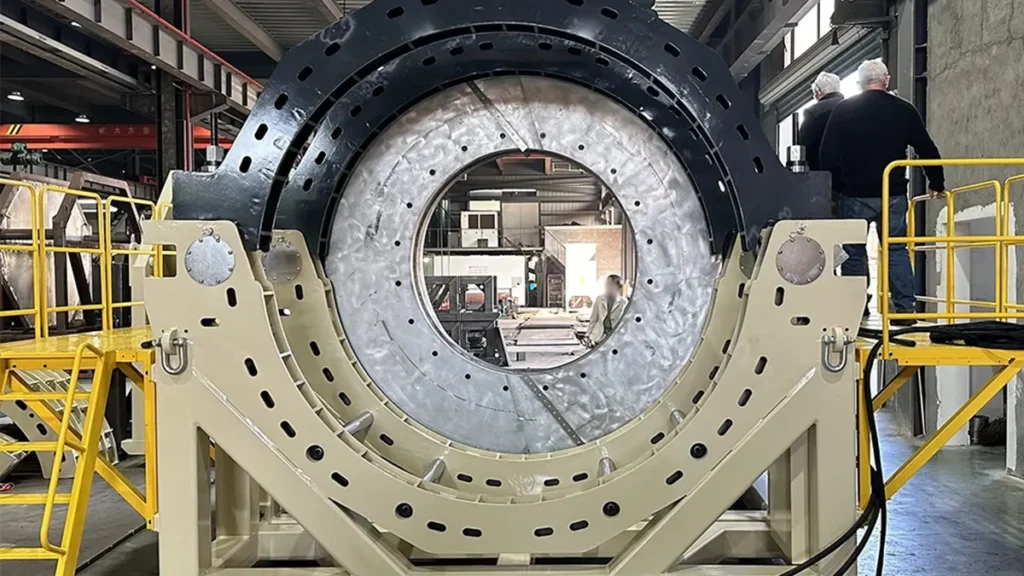
Understanding the components of an HDPE pipe welding system helps contractors, pipeline installers, and maintenance teams achieve reliable joints across water, gas, mining, and industrial projects. This guide breaks down each essential element, explains its role in butt fusion and electrofusion workflows, and provides practical tips for selecting the right equipment and accessories.
Core Components of a Butt Fusion HDPE Welding System
Power Pack / Hydraulic Unit: The hydraulic power pack supplies steady pressure for alignment, clamping, and fusion forces. Look for units with smooth pressure control and overload protection to ensure consistent welds on medium-to-large diameter pipes.
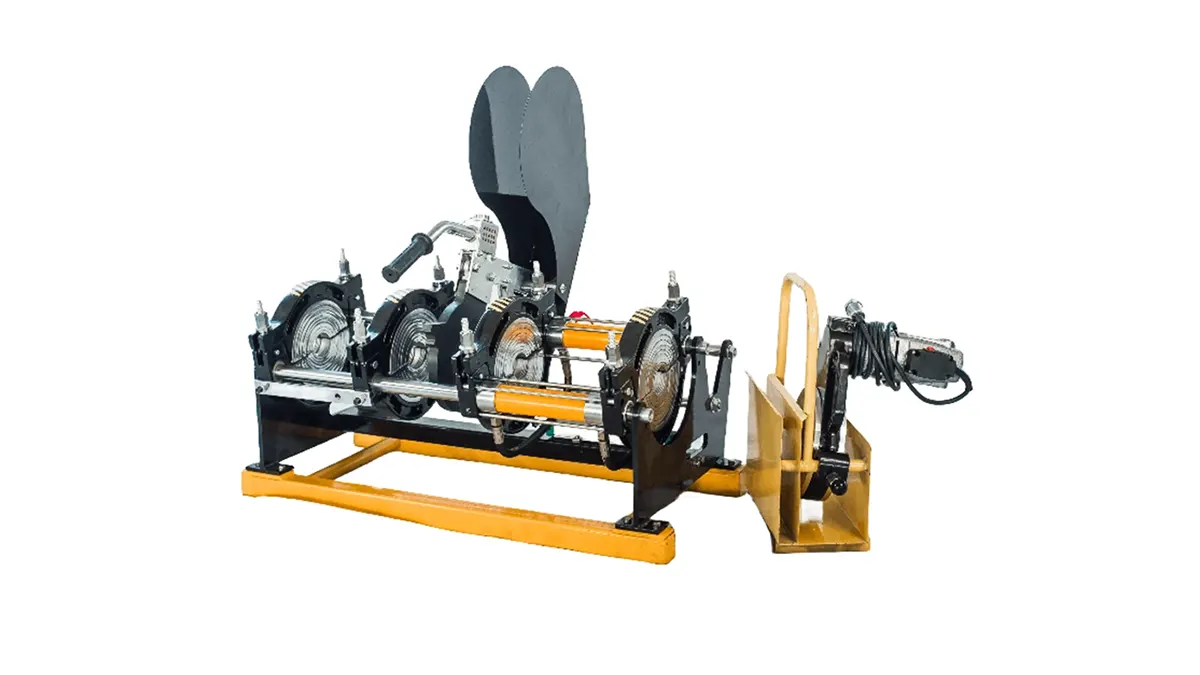
Clamping Frame & Jaws: Frames and jaws (aluminum or steel) hold pipe ends securely. Proper biting surface and adjustable jaws reduce slippage and misalignment. For mobile jobs, lightweight frames speed up repositioning.
Facing / Trimming Tool: A precision facer prepares pipe ends by removing oxide and creating smooth, square surfaces. Accurate facing prevents gaps that compromise fusion integrity.
Heating Plate: Non-stick, thermostatically controlled heating plates provide uniform heat for fusion. High-quality plates minimize scraping and retain consistent temperature across the joint area.
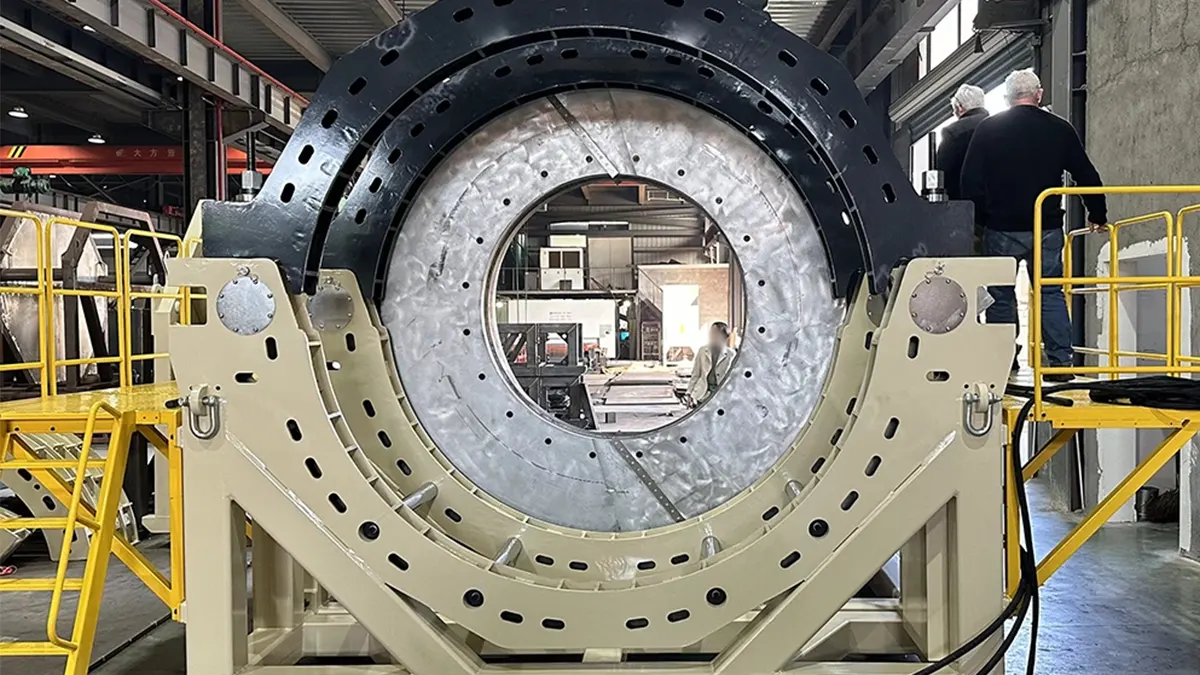
Control Systems & Sensors
Digital Control Unit / PLC: Automatic butt fusion machines use PLCs to manage heating, soak, and cooling cycles. Data logging capabilities and clear displays help operators stay within welding parameters and create traceable weld records.
Temperature & Pressure Sensors: Reliable sensors ensure heating plate temperature and clamp pressure stay within the prescribed range. For critical infrastructure, redundant sensors add an extra layer of safety.
Alignment & Guiding Accessories
Guide Rails and Trolley Systems: For long or large-diameter pipes, guide rails and trolleys maintain concentric alignment during fusion and reduce operator fatigue.
End Caps & Duckbill Clamps: These accessories help support pipe ends and prevent deformation when high clamping forces are applied.
Electrofusion Specific Components
Electrofusion Power Supply: Dedicated electrofusion units deliver controlled current to fittings. Look for units that support multiple fitting types and provide clear readouts of voltage, current, and fusion time.
Fitting Interface & Adapter Kits: Properly sized adapters and grounding kits ensure even heating across the fitting coil and reduce the risk of localized overheating.
Common Spare Parts & Consumables
Keep a stock of heating plates, facer blades, jaw inserts, and electrical connectors. Consumables like anti-stick spray, cleaning rags, and calibration equipment minimize downtime on remote sites.
Quick Reference: Component Roles & Specs
| Component | Primary Function | Key Selection Tip |
|---|---|---|
| Hydraulic Power Pack | Provides pressure for clamps and movement | Choose correct flow/pressure rating for pipe diameter |
| Facing Tool | Prepares pipe ends for fusion | Sharp blades and square-cut accuracy are critical |
| Heating Plate | Heats pipe ends for fusion | Thermostatic control and non-stick surface matter |
| Electrofusion Unit | Supplies current to electrofusion fittings | Compatibility with fitting codes and logging features |
Installation Best Practices
Always verify pipe material grade, cleanliness, and correct alignment before heating. Follow manufacturer weld curves for temperature, pressure, and dwell times. For pipeline projects under strict regulation, document every weld with time-stamped parameters and operator ID.
Maintenance & Safety Tips
Routine inspection of hydraulic hoses, electrical connectors, and sensor calibrations prevents on-site failures. Wear appropriate PPE when trimming and facing pipe ends. Keep heating plates clean and replace worn facer blades to maintain weld quality.
Purchasing Guide — What to Ask Suppliers
When evaluating vendors, confirm support for spare parts, training availability, and after-sales service. Ask about annual maintenance plans, on-site training options, and warranty coverage for critical components.
Applications & Industry Use
HDPE welding systems are widely used in municipal water networks, gas distribution, mining slurry pipelines, and industrial chemical lines. Choose machine types (manual, hydraulic, automatic) based on project scale and required throughput.
About JQ-Fusion: JQ-Fusion is a professional manufacturer specializing in HDPE pipe welding machines, providing reliable butt fusion solutions for global infrastructure projects. With years of industry experience, they produce manual, hydraulic, and CNC automatic butt fusion machines across a broad diameter range to serve water, gas, mining, and industrial pipelines. Visit JQ-Fusion for product details, datasheets, and support options.



