
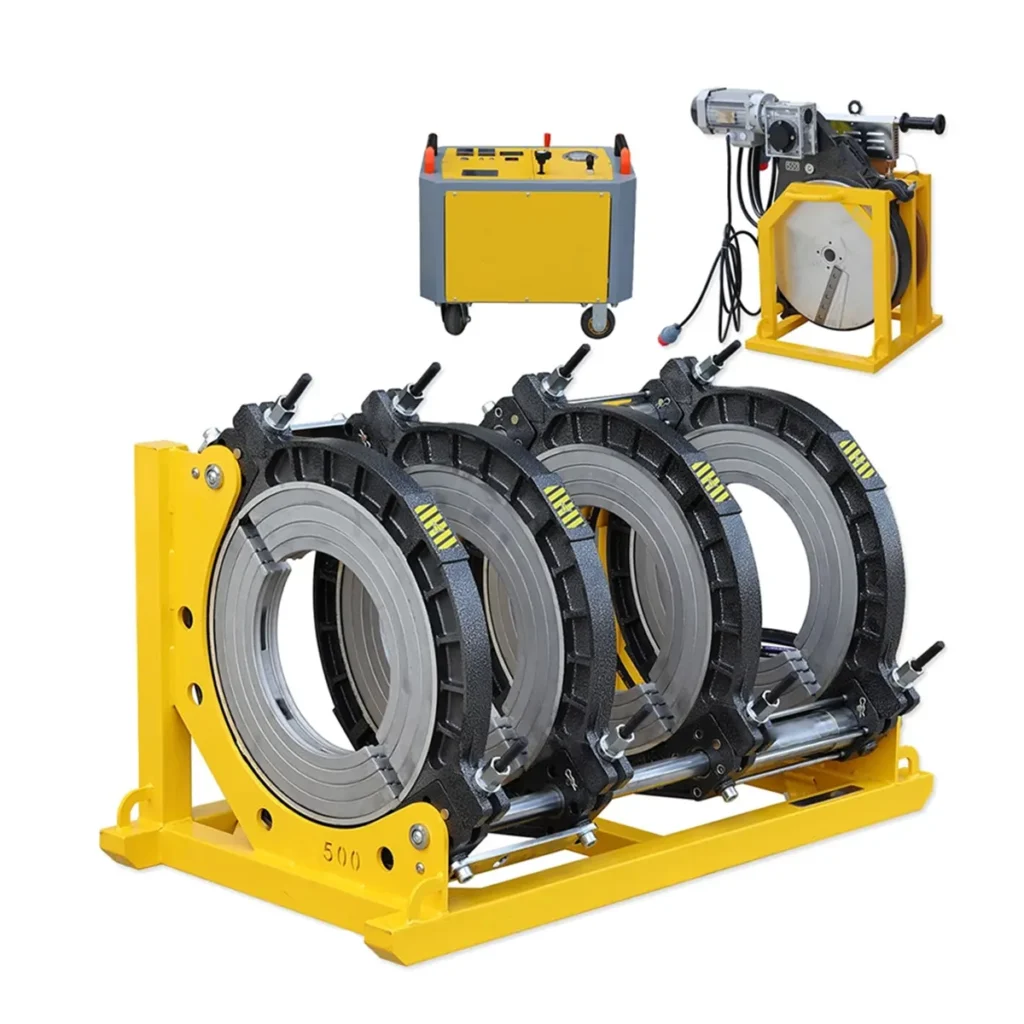
HDPE pipe welding machines are critical for creating leak-proof, high-strength joints in water, gas, and industrial piping systems. When a butt fusion welding machine malfunctions, it can lead to costly rework, project delays, and joint failures. Understanding the root causes of common issues and how to resolve them quickly helps operators maintain productivity and weld quality. The following guide covers frequent problems encountered during butt fusion, electrofusion, and hydraulic welding processes, along with practical solutions you can apply on site.
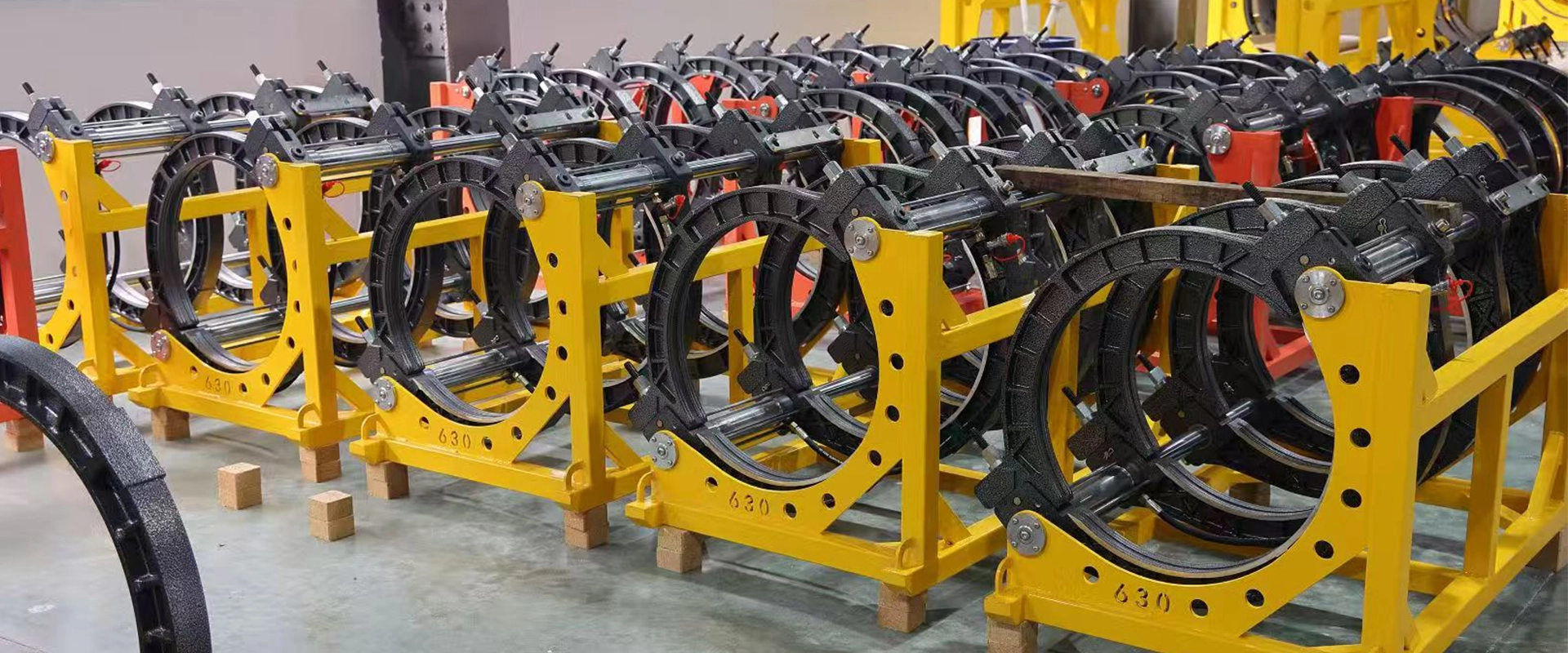
Heating Plate and Temperature Problems
| Problem | Possible Causes | Solutions |
|---|---|---|
| Heating plate does not reach set temperature | Faulty heating element, damaged thermostat, loose wiring, or power supply interruption | Check power connections and fuses; test the heating element with a multimeter; replace the thermostat if it fails to cycle properly. Always refer to the ISO 21307 butt fusion procedures for correct temperature ranges. |
| Uneven heating plate surface temperature | Worn non-stick coating, internal element damage, or contamination | Clean the plate with a non-abrasive cloth and approved solvent; use an infrared thermometer to map the surface; replace the plate if temperature variance exceeds ±5°C. |
| Temperature displays error or fluctuates rapidly | Loose thermocouple connection, faulty PID controller, or moisture in the control box | Inspect and secure all sensor connections; dry the control enclosure; recalibrate or replace the digital controller if instability persists. |
Clamping and Alignment Issues
| Problem | Possible Causes | Solutions |
|---|---|---|
| Pipes slip during fusion | Worn clamp inserts, insufficient clamping force, or incorrect pipe diameter setting | Inspect and replace worn inserts; verify hydraulic pressure on hydraulic butt fusion machine models; ensure clamp jaws match the pipe OD. |
| High-low misalignment between pipe ends | Bent frame, uneven carriage support, or distorted clamp base | Check frame alignment with a straight edge; adjust carriage nuts and level the machine on a flat surface; refer to the PPI butt fusion procedure for tolerance limits. |
| Excessive pipe end drag force | Rough clamp rollers, insufficient lubrication, or pipe surface resistance | Lubricate moving parts; ensure rollers rotate freely; clean the clamp tracks and remove any debris. |
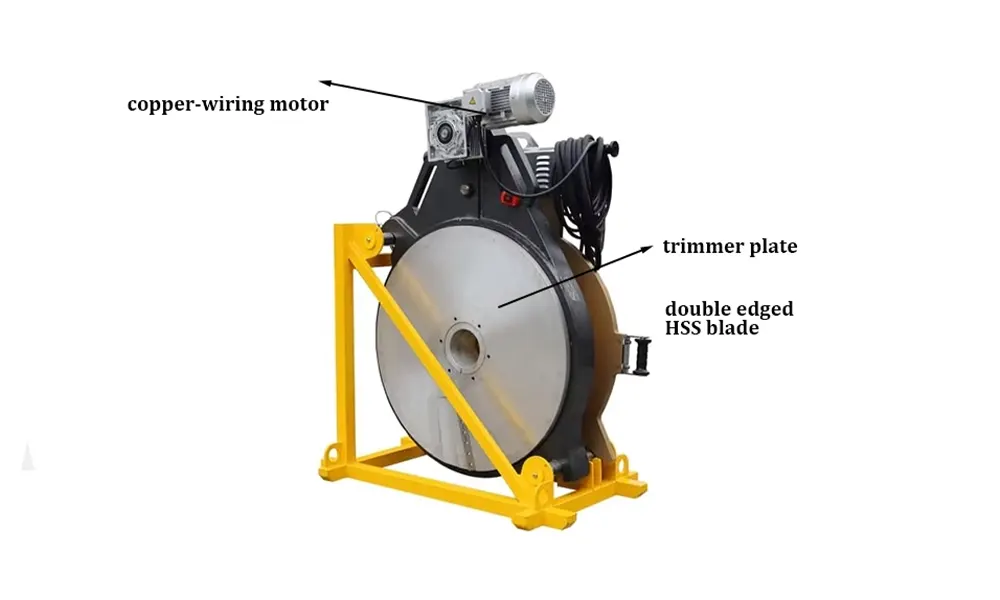
Trimmer and Facing Problems
| Problem | Possible Causes | Solutions |
|---|---|---|
| Rough or grooved pipe ends after facing | Dull trimmer blades, incorrect cutting speed, or built-up resin on blades | Sharpen or replace blades; clean blades with a solvent; maintain steady rotation speed and avoid forcing the trimmer. |
| Trimmer motor overheats or stops | Overload due to excessive chip removal, low voltage, or worn motor brushes | Allow the motor to cool; reduce cutting pressure; check brushes and replace if worn; ensure voltage matches the nameplate rating. |
| Incomplete facing – pipe ends not flush | Misaligned trimmer guide, bent blade holder, or insufficient facing time | Align the trimmer properly with the pipe clamps; continue facing until a continuous ribbon of material is produced; inspect blade parallelism. |
Hydraulic System Troubleshooting (for Hydraulic Machines)
When operating a hydraulic butt fusion machine, pressure-related issues can directly affect joint quality. Below are the most typical hydraulic faults.
- Cylinder drift or loss of pressure – Check for internal leaks in the cylinder seals or external leaks at hose fittings. Bleed air from the system and refill hydraulic oil to the correct level.
- Jerky or uneven carriage movement – Air trapped in the hydraulic lines can cause spongy motion. Cycle the cylinder several times without load, then bleed the air at the highest points.
- Overheating hydraulic power unit – Low oil level, dirty filters, or excessive duty cycle may overheat the pump. Clean or replace filters, check oil viscosity, and allow cool-down periods.
- No pressure build-up – Confirm the pump is running in the correct direction, the relief valve is properly set, and all directional control valves are functioning.
Electrical and Control Panel Issues
| Problem | Possible Causes | Solutions |
|---|---|---|
| Machine does not power on | Tripped circuit breaker, damaged power cable, or faulty main switch | Reset the breaker and test the outlet; inspect the cable for cuts; have a qualified electrician test the main switch and supply voltage. |
| Control panel displays error codes | Sensor failure, communication error between PLC and HMI, or parameter misconfiguration | Refer to the manufacturer’s error code list for your specific CNC automatic butt fusion machine. Restart the controller; if the error persists, check sensor wiring and replace defective components. |
| Intermittent operation or sudden stops | Loose terminal connections, overheating contactor, or voltage drop | Tighten all wiring terminals; check the contactor for pitted contacts; use a voltage stabilizer if the site supply is unstable. |
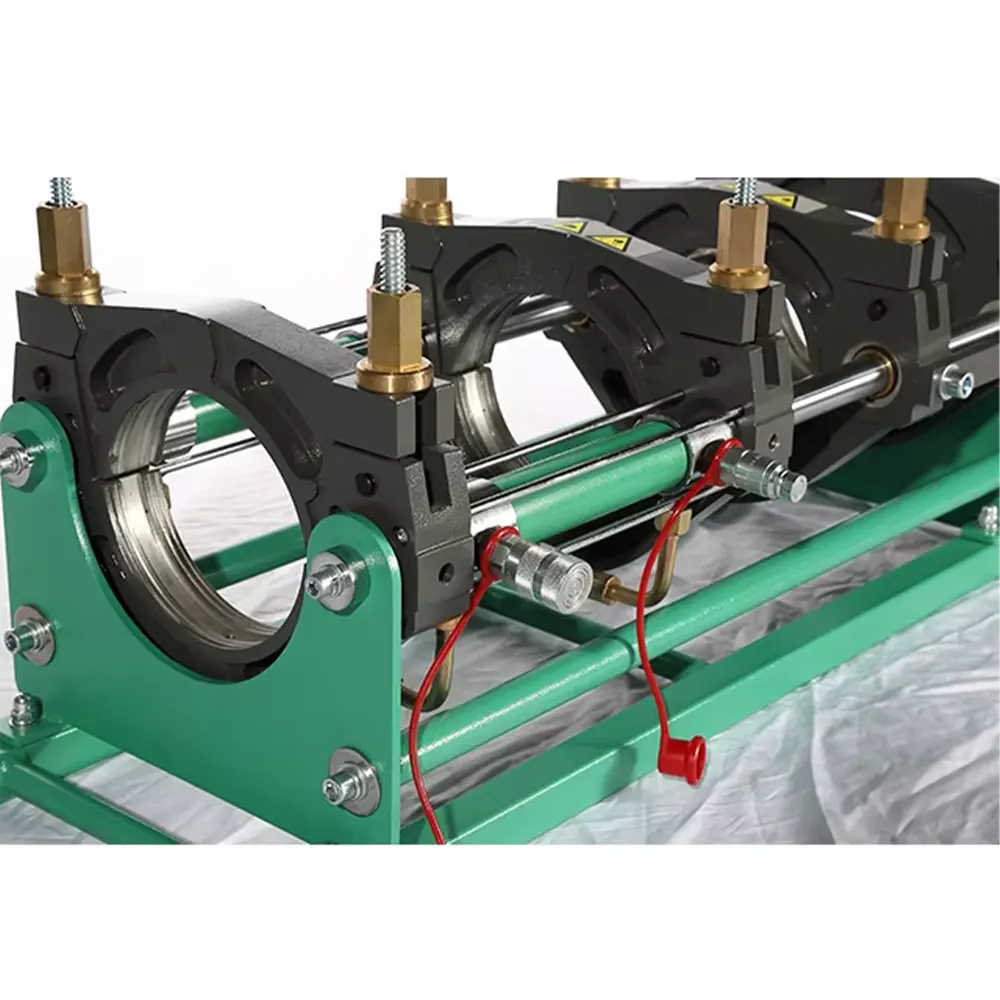
Electrofusion-Specific Troubleshooting
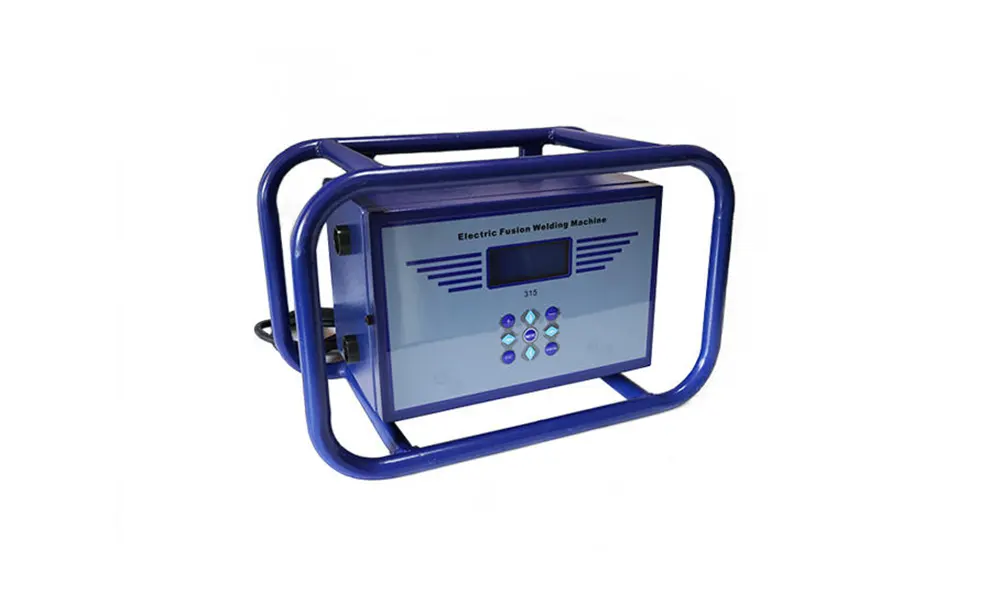
For electrofusion joints, the following symptoms often indicate a process problem or equipment fault.
- Fusion cycle aborted prematurely – Low input voltage, poor electrical contact at the fitting terminals, or a short circuit in the coil. Inspect terminals, clean them with approved contact cleaner, and verify the generator output.
- Uneven or insufficient melt indicator rise – Insufficient fusion energy, cold fitting, or power interruption. Ensure proper scraping and cleaning of the pipe surface, and check that the welding parameters match the fitting barcode.
- Machine displays “open circuit” or “short circuit” – Damaged connectors, broken wires in the adapter cable, or a faulty fitting coil. Replace the cable if damaged and test with a known good fitting.
Preventive Maintenance Recommendations
Adopting a proactive maintenance routine dramatically reduces unscheduled downtime and improves weld consistency. Operators and service teams should follow a schedule aligned with industry best practices, including those outlined in ASTM F2620 heat fusion guidelines.
- Clean the heating plate non-stick surfaces daily with a soft cloth; never use metallic scrapers.
- Inspect clamp inserts, bolts, and all fasteners weekly – tighten where necessary.
- Calibrate temperature controllers and pressure gauges at least every six months or as specified by the machine manufacturer.
- Replace hydraulic oil and filters annually or after 1000 operating hours, whichever comes first.
- Store machines in a dry, covered area and protect electrical components from moisture and dust.
- Keep a logbook for each machine, recording hours, repairs, and calibration dates.
When to Seek Professional Support
While many of these troubleshooting steps can be performed by trained operators, persistent problems such as frame misalignment, major hydraulic failures, or continuous electrical faults may require factory-level intervention. JQ-Fusion provides comprehensive after-sales support and genuine spare parts for its full range of manual, hydraulic, and automatic butt fusion welding machines. If your machine repeatedly fails to hold pressure or shows signs of structural wear, consider consulting the manufacturer’s service team to avoid compromising weld integrity.
For detailed product manuals and additional technical resources, visit our Support page. You can also explore our complete catalog of HDPE pipe welding machines to find equipment designed for long-term reliability and simplified maintenance.



